What the Die Cutting Unit Does Inline
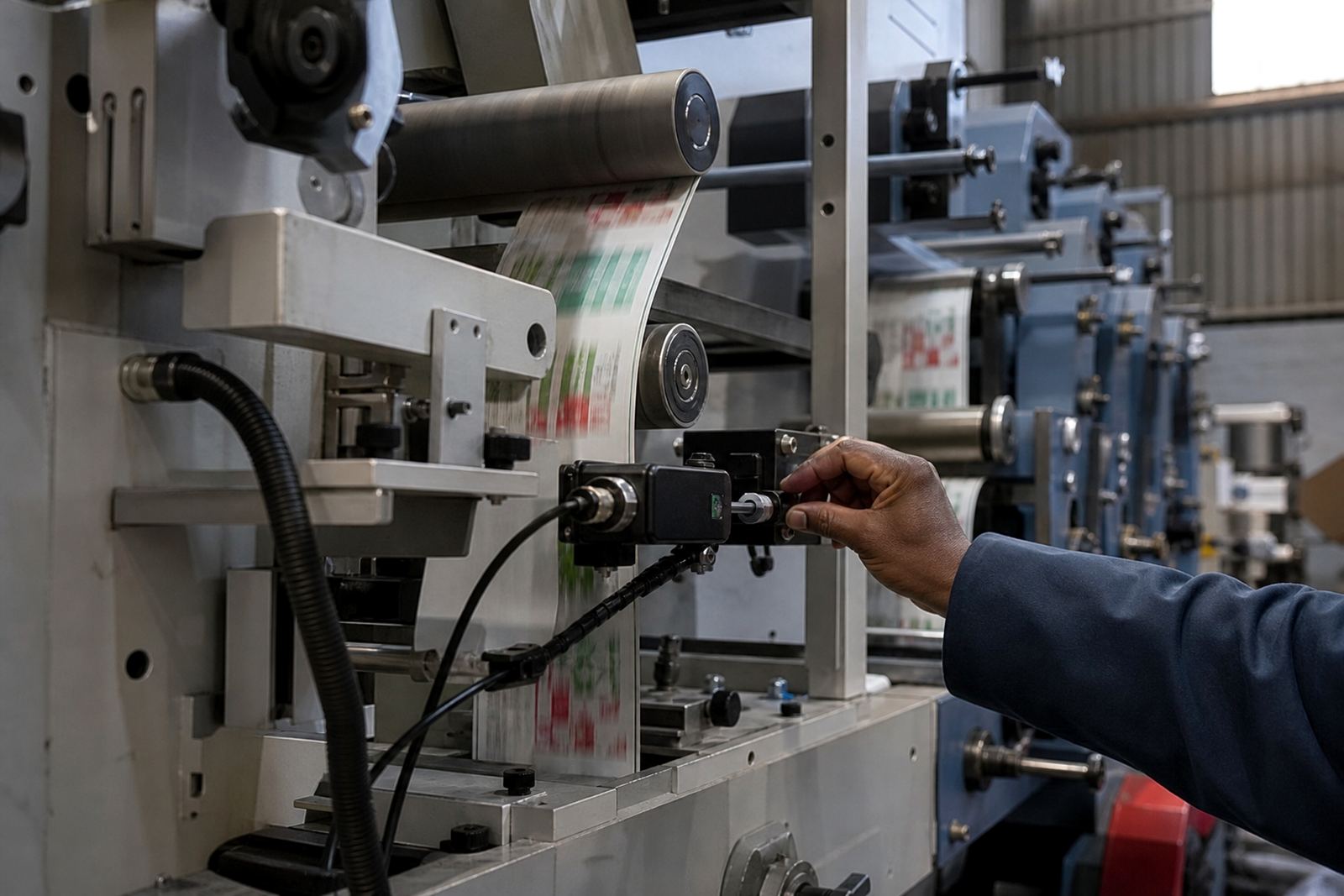
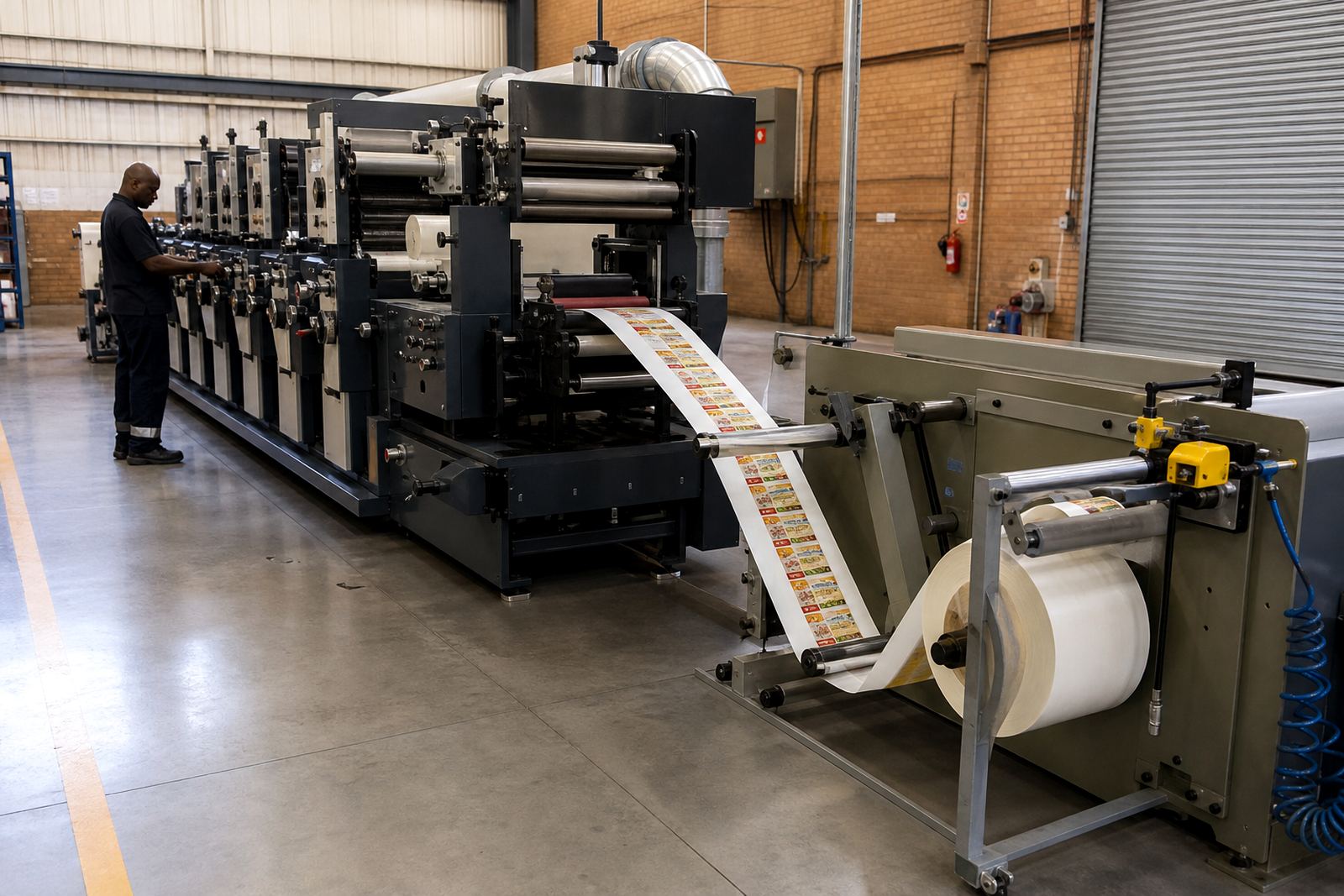
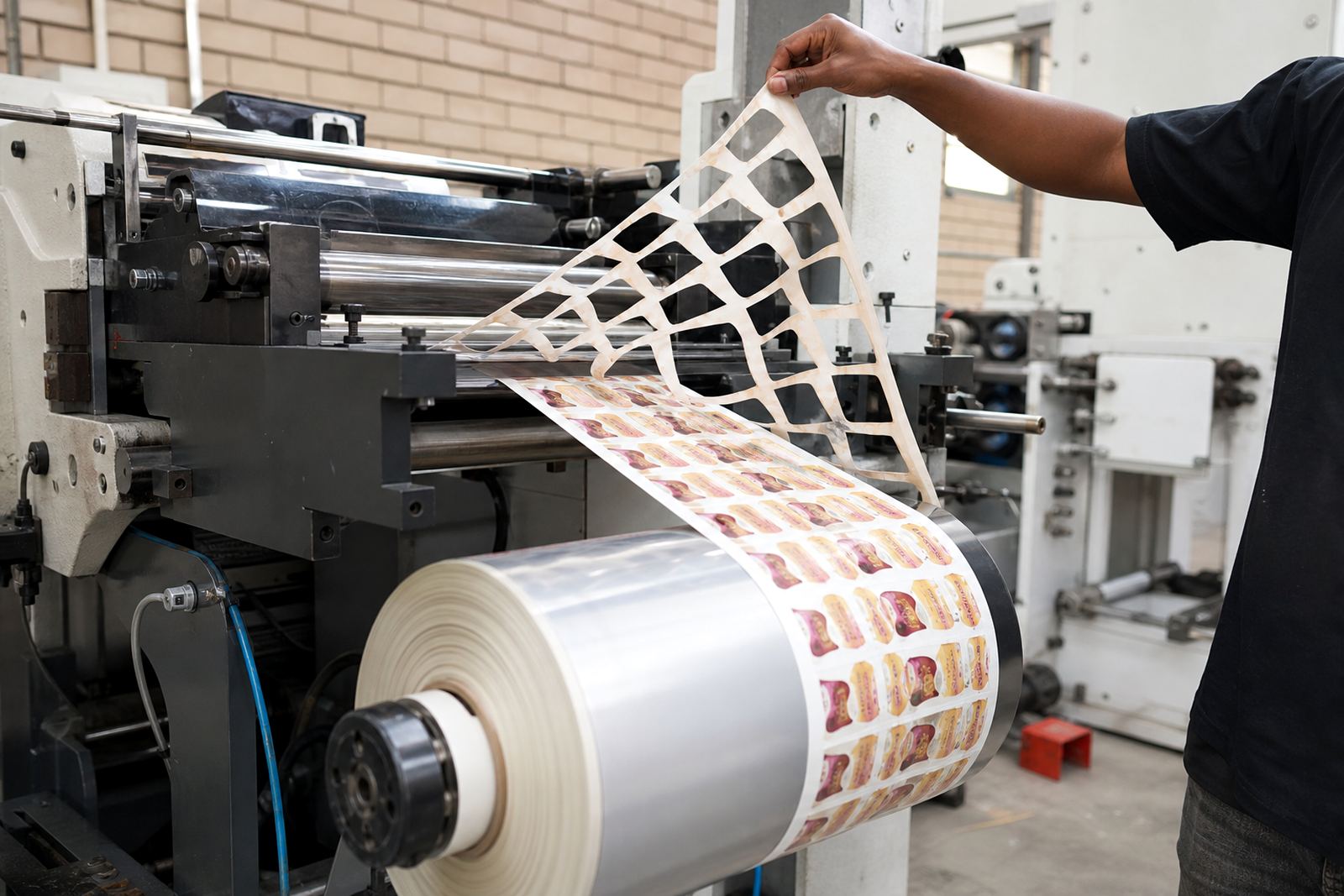
A die cutting unit is fitted on a narrow-web flexo press or converting line to cut labels into the required shape while the web is moving through the machine. It is used for kiss cutting, through cutting and score work depending on the job, the substrate and the finishing target. For label converters in Gauteng, KwaZulu-Natal, the Western Cape and the Eastern Cape, that means less handling, fewer off-line steps and better control over repeat work.
In practical terms, the unit works with the rest of the press setup so printed material can be converted in one pass where the job allows. It must hold register properly, keep web tension stable, and match the chosen tooling to the stock thickness and adhesive build-up. On busy production floors in Johannesburg or Durban, that can make a real difference when turnaround times are tight and the load-shedding window is not helping.
Common Configurations and Working Sizes
Die cutting units are supplied in different widths and layouts to suit narrow-web label work. The right choice depends on your press width, the type of labels you produce, and whether you run light paper labels, film labels or heavier packaging materials. We help converters compare the unit to the press frame, rewind section and finishing flow before ordering.
- Typical narrow-web widths range from around 250 mm to 450 mm, depending on the press line
- Units can be set up for kiss cutting, full cutting or scoring
- Options may include magnetic cylinder tooling or other interchangeable tooling formats
- Can be supplied for inline converting, with a web path matched to the existing press
- Can be paired with slit, rewind and inspection sections for complete label finishing
In most cases, the important point is not only the width but the working repeat, the tooling format and how easily the unit can be cleaned between jobs. That matters when you are changing over from food labels to cosmetic labels or retail promos in the same shift.
Where It Suits Label Converters
This unit suits printers and converters that need consistent label shape accuracy on short and medium runs, especially where finishing quality is visible on shelf. It is commonly used for food and beverage labels, personal care labels, household products, and retail stickers that must peel cleanly and look tidy on pack. For coastal sites such as Cape Town or Gqeberha, the setup also needs to handle humidity changes so the web stays controlled during production.
It is also a practical choice where a converter wants to reduce manual cutting, improve repeatability and keep more work in house. Some operations use it for pressure-sensitive labels while others need it for printed packaging components that require accurate edge formation. If your plant handles multiple substrates, the unit should be chosen with maintenance access and operator ease in mind.
Installation, Utilities and Floor Planning
Installation starts with checking press compatibility, floor space, electrical supply and access for tooling changes. A die cutting unit normally needs a stable mounting position, correct web alignment and enough working space around the station for loading, cleaning and inspections. For shops in Spartan, Kempton Park or the East Rand, this should be planned around existing press lines so the unit does not block movement or create avoidable downtime.
Power needs depend on the exact configuration, but the unit is generally fitted as part of a press line with controlled electrical supply and proper earthing. If the setup includes vacuum, air-assisted parts or other ancillary controls, compressed air may be required as well. We always recommend checking the incoming power quality, especially where load-shedding or generator changeover is part of daily production. Poor power stability can affect setup consistency and increase wear on controls.
- Check available line voltage and phase before installation
- Confirm compressed air pressure if the unit uses pneumatic controls
- Allow space for tooling removal and operator access
- Plan for safe guarding and lockout during maintenance
- Confirm whether the existing press bed and web path can accept the station
Care, Cleaning and Servicing Between Jobs
Good care keeps the cut clean and the unit running evenly. Operators should remove adhesive build-up, inspect the cutting surface and check alignment at each changeover. If tooling is left dirty, the cut quality drops and the web can start to track poorly, which leads to waste and extra setting time. In humid areas near the coast, this becomes even more important because residue can soften and collect quicker.
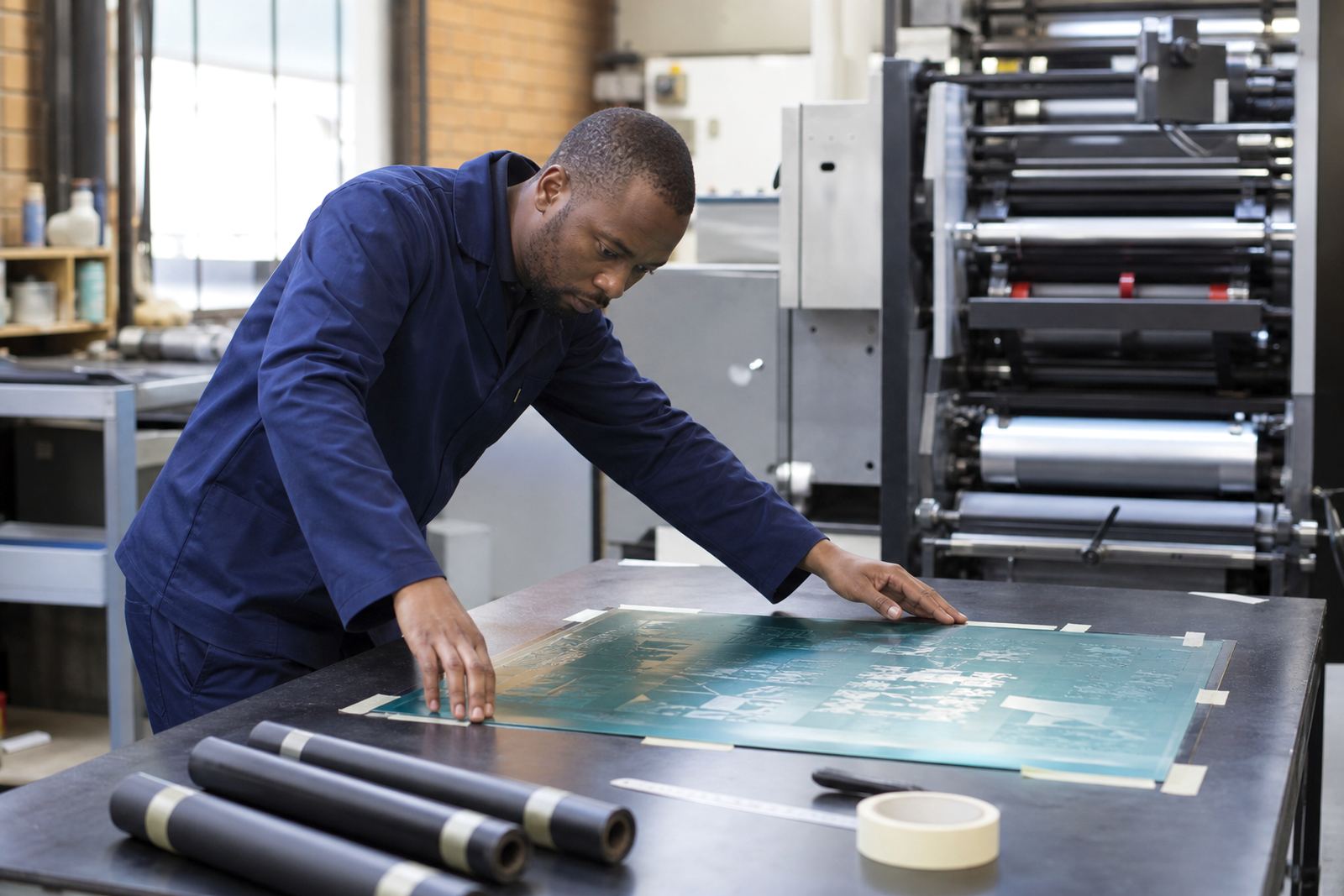
Preventive maintenance should include checking bearings, guides, tension components and guard condition, then confirming that mounting points remain secure. Our team supports preventive maintenance, breakdown support and remote support for label converters across South Africa. We also help with anilox care and plate mounting where those steps affect register and finish quality on the same job.
- Clean adhesive from tooling and the surrounding station after each run
- Inspect cut quality for nicking, drag or uneven depth
- Check web tension and guide settings during start-up
- Keep spare consumables and common wear parts on hand
- Record any repeat setup issues so they can be corrected quickly
What to Confirm Before You Order
Before ordering a die cutting unit, confirm your press width, material types, average run lengths and the finish you need on each job. You should also know whether the unit will be used for kiss cutting only or whether you need through cutting, scoring or a mixed setup. If you run multiple customer formats, ask whether the tooling changeover process is fast enough for your production schedule.
It helps to check the following details so the unit matches the job properly and the installation goes smoothly:
- Web width and maximum working width required
- Substrate type, including paper, film or laminated stock
- Cut type needed, such as kiss cut, full cut or score
- Tooling format and how often it will change
- Electrical and air supply available at the plant
- Whether you need operator training, start-up support or ongoing servicing
Our Kempton Park team works with label converters in Johannesburg, Pretoria, Durban, Cape Town, Gqeberha, Centurion and across South Africa. We support press installation, commissioning, training and production consulting so the unit is fitted and used properly from the start. If you are setting up a new line or replacing an older station, we can help you make the right check list before the equipment arrives.
Key facts
| Product type | Inline die cutting unit for narrow-web flexo label presses |
|---|---|
| Function | Kiss cutting, full cutting and scoring for label finishing |
| Typical working width | About 250 mm to 450 mm, depending on press and configuration |
| Material suitability | Self-adhesive labels, films, paper and selected packaging stocks |
| Utilities | Electrical supply with possible compressed air depending on configuration |
| Support | Installation, commissioning, operator training, maintenance and breakdown support |