


Food Labels That Must Hold Up In Real Conditions
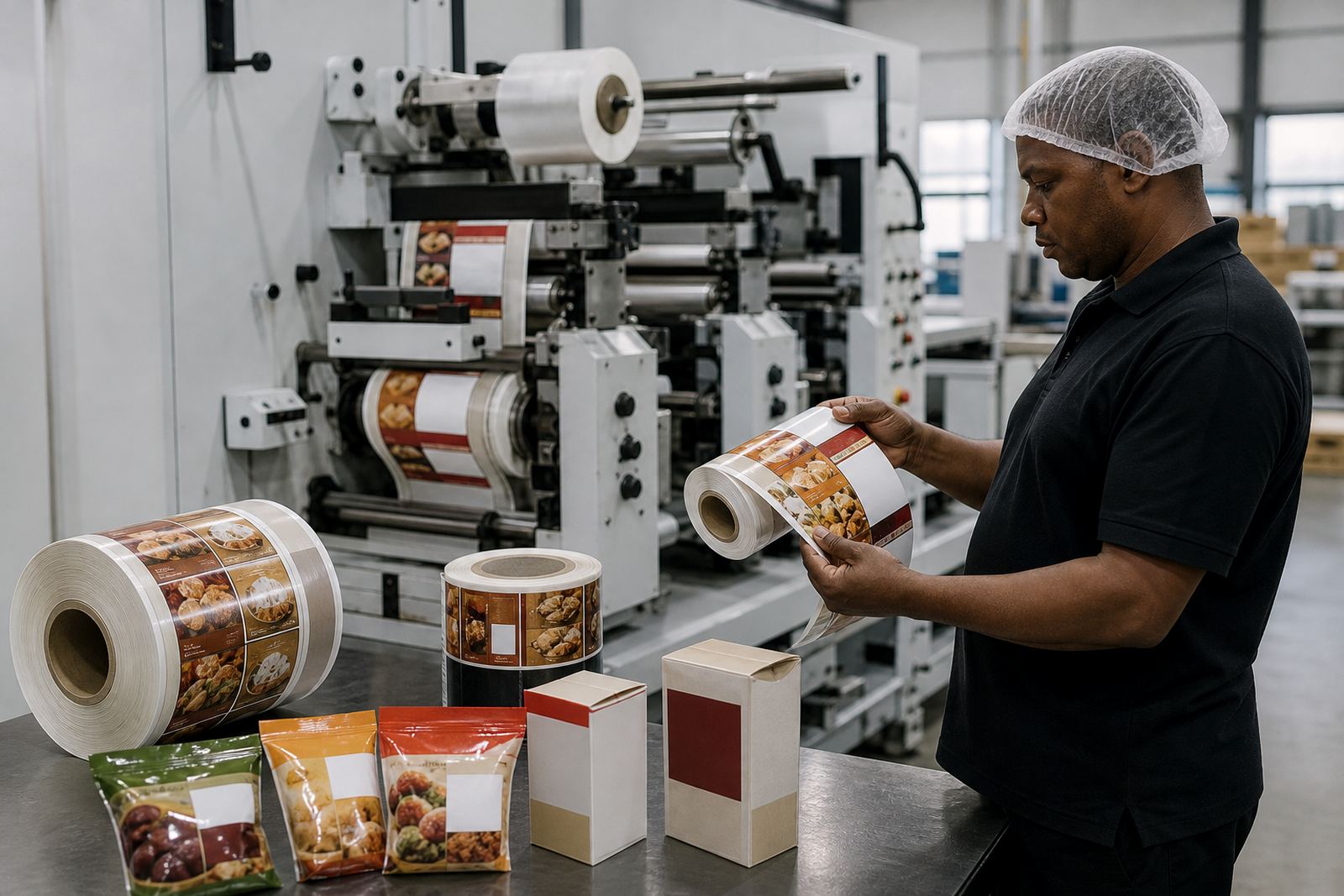
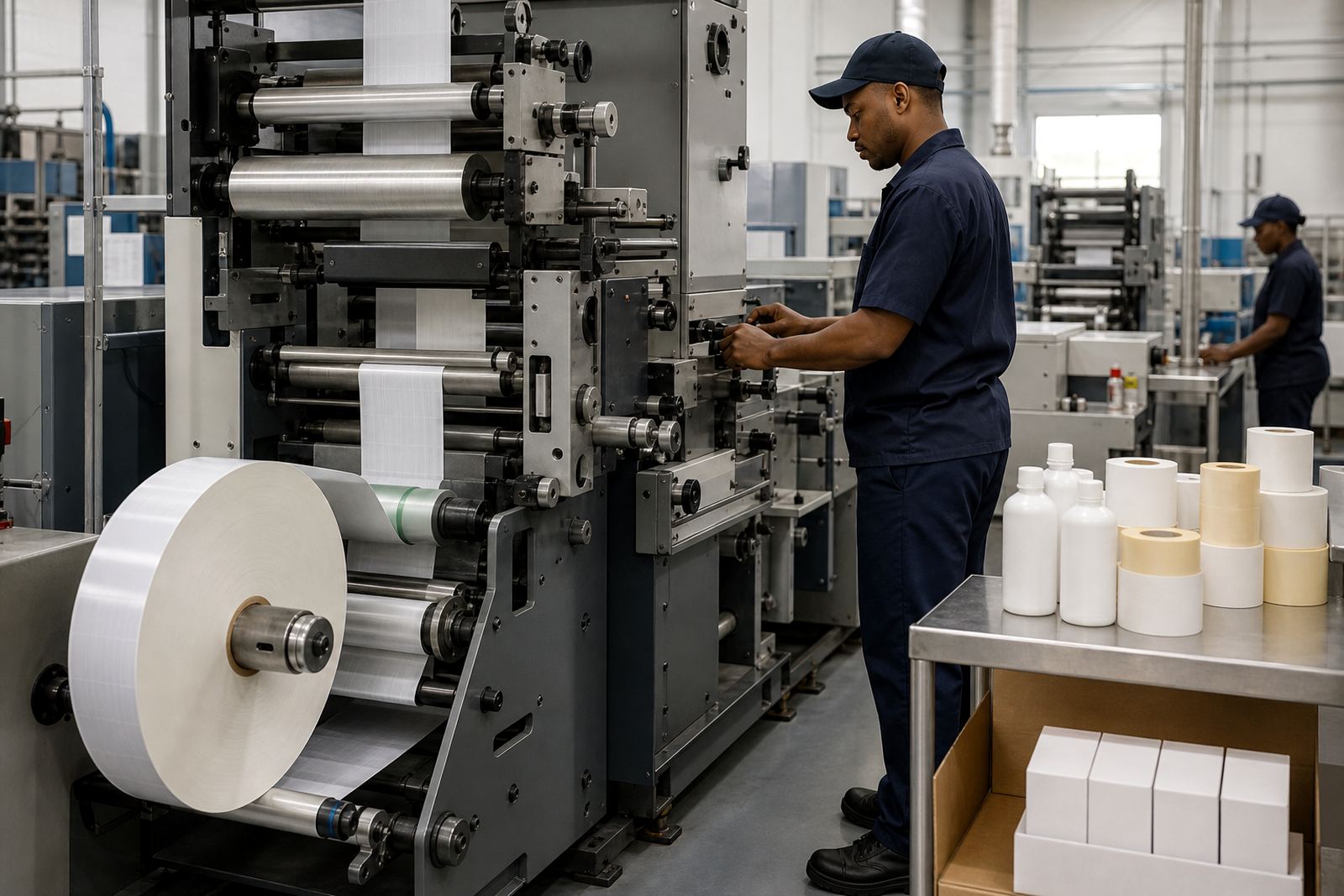
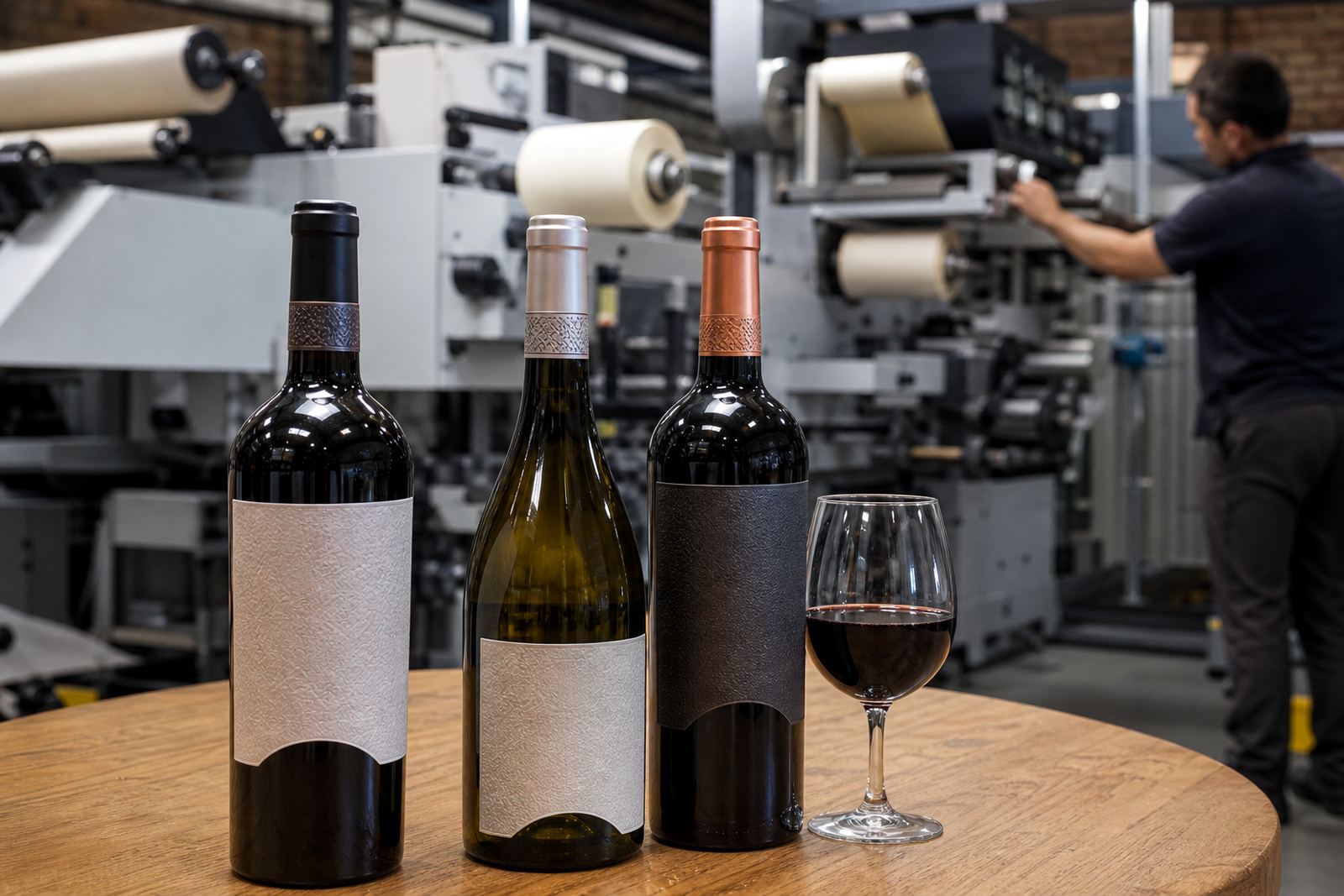
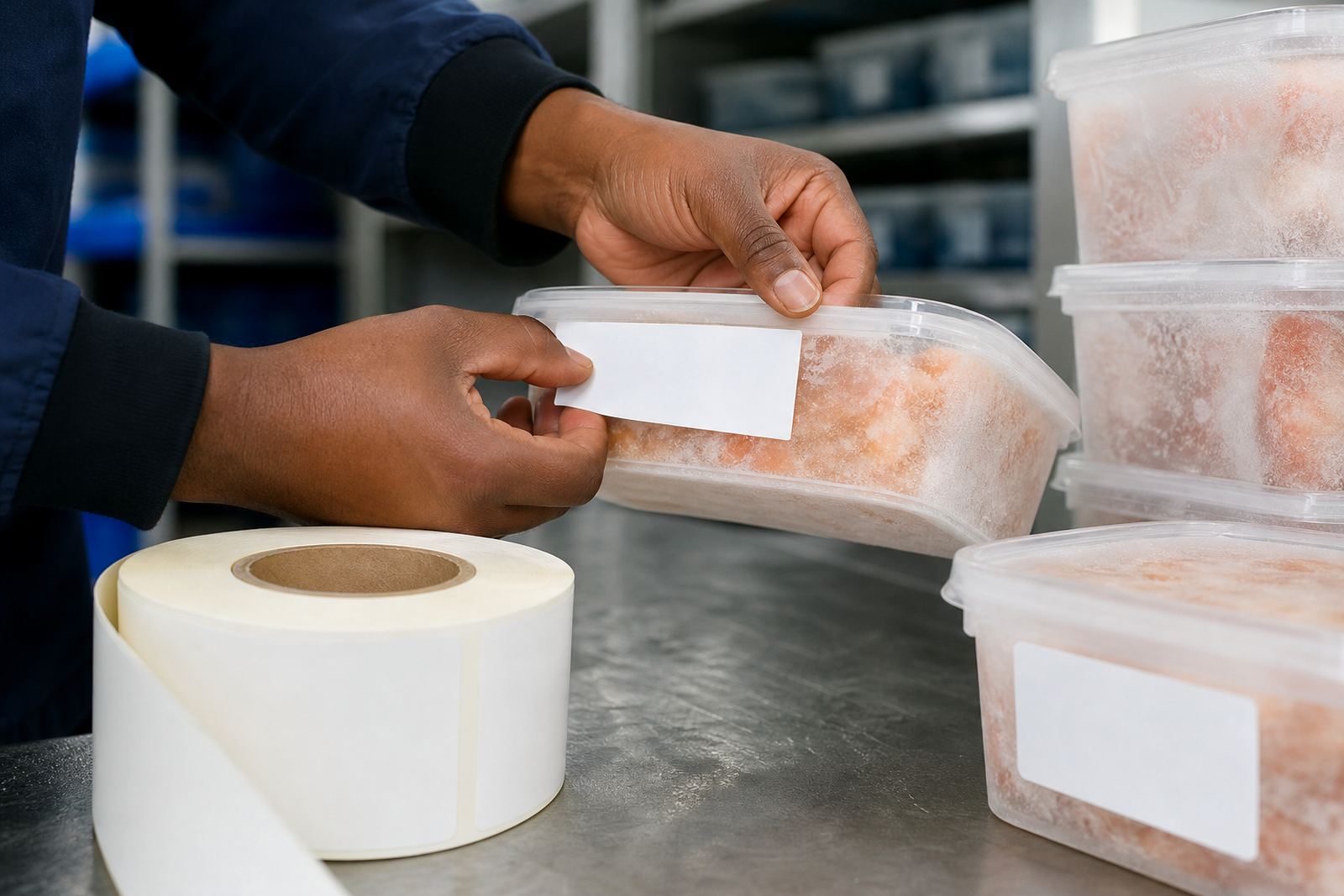
Food labels need clear print, good ink adhesion and finishing that can handle cold rooms, damp handling and the odd rough carton moving through the line. On jars, bottles, sachets and tubs, the aim is simple: the label must stay in place and still look right after delivery, storage and shelf display.
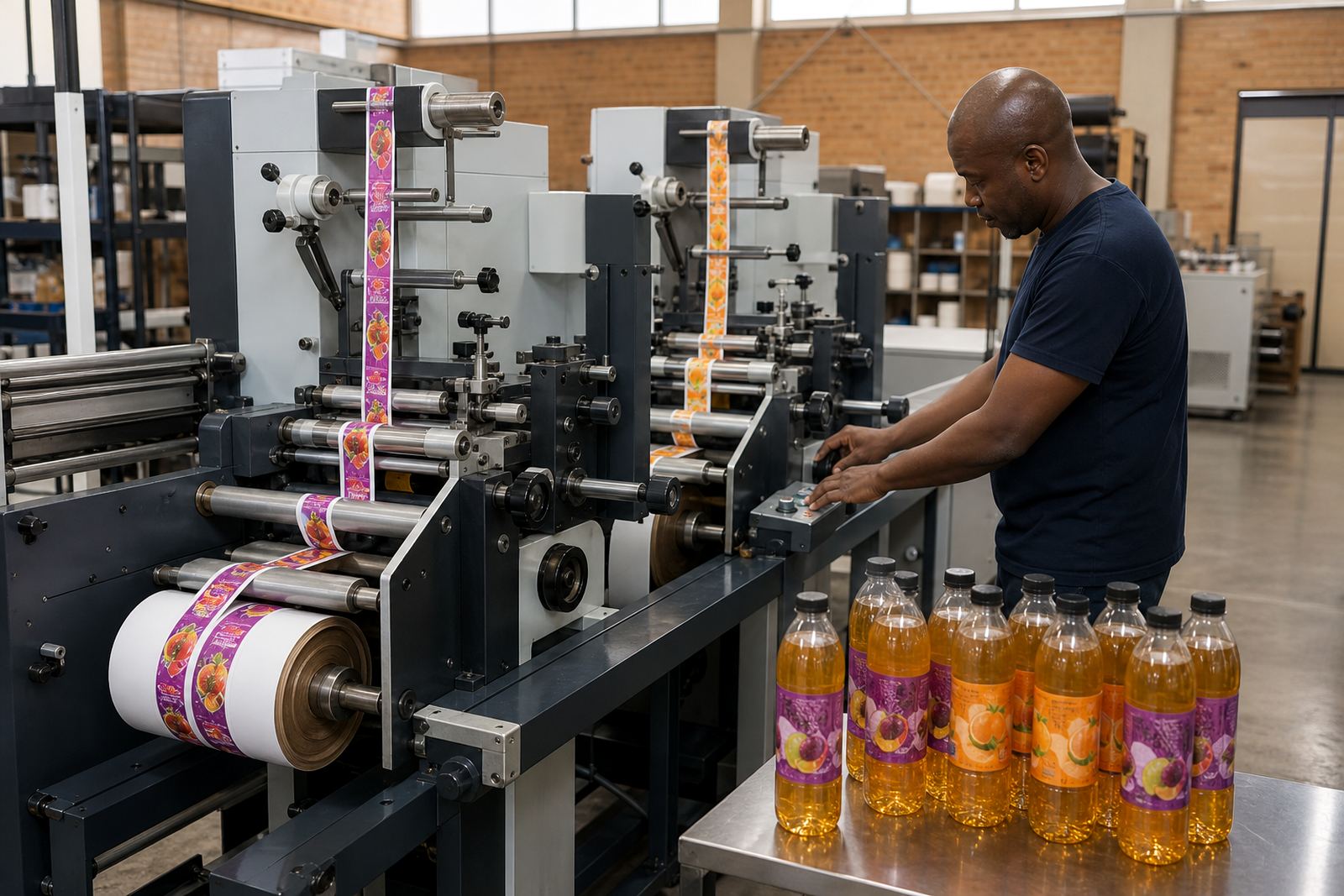
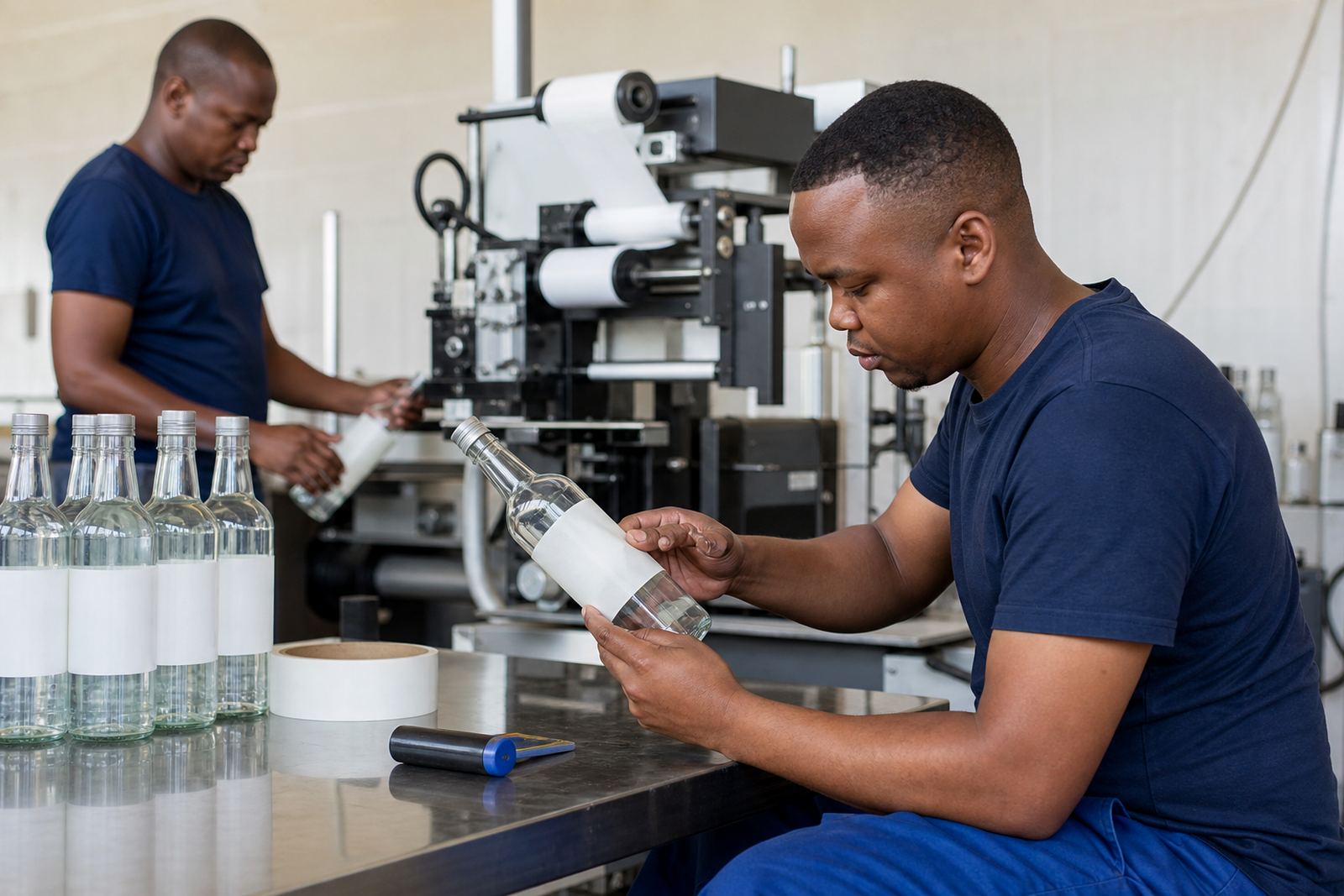
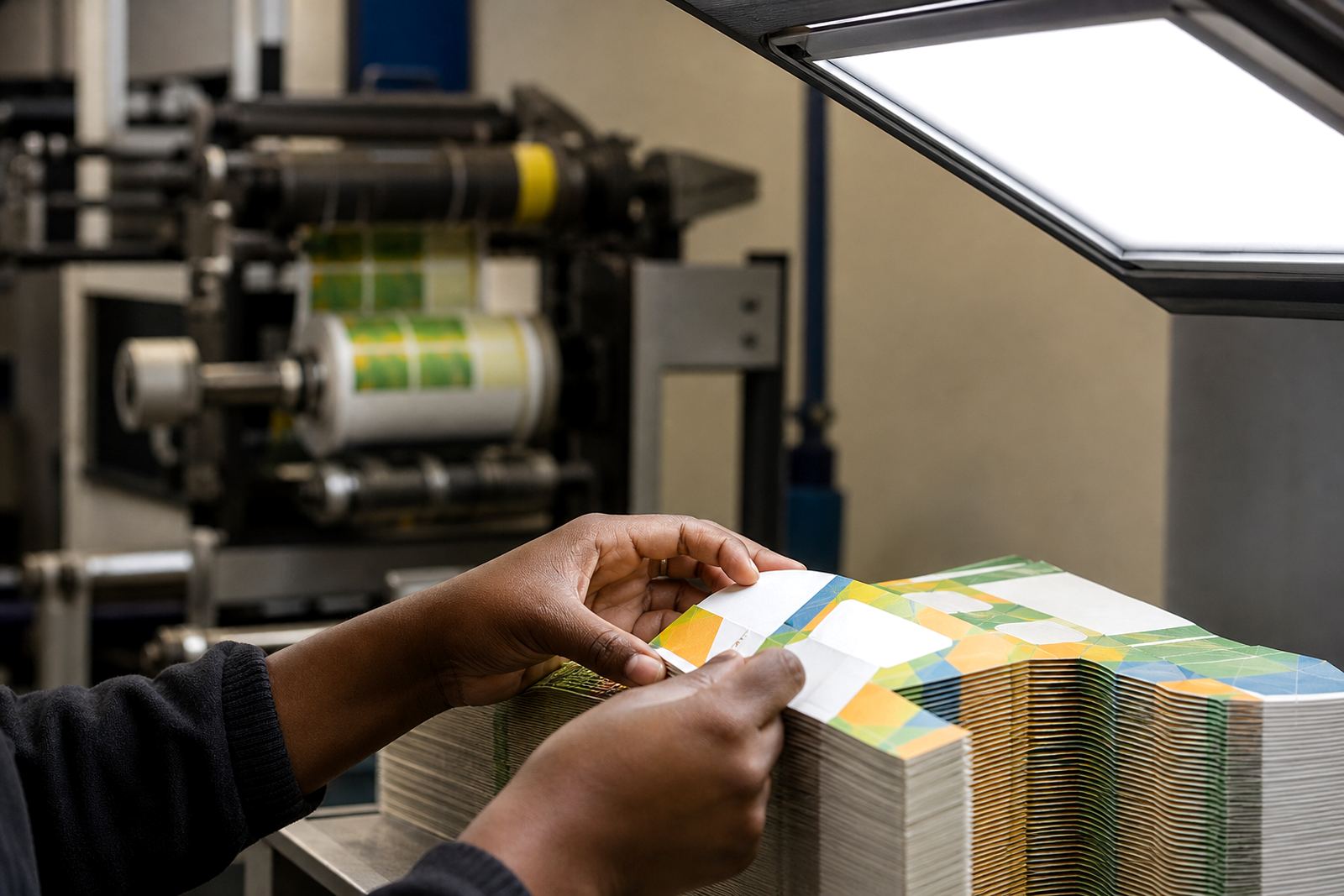
For converters, the main decisions usually come down to substrate choice, adhesive performance and how the artwork will sit on the container. A narrow-web flexo label press is well suited to these runs because it can handle repeat work, colour control and finishing in one flow, which saves time when orders change often.
- Check whether the label must resist moisture, grease or refrigeration.
- Allow for batch codes, barcodes and variable data if needed.
- Choose finishing that supports easy application and clean trim.
Cosmetics And Personal Care Labels With A Clean Finish
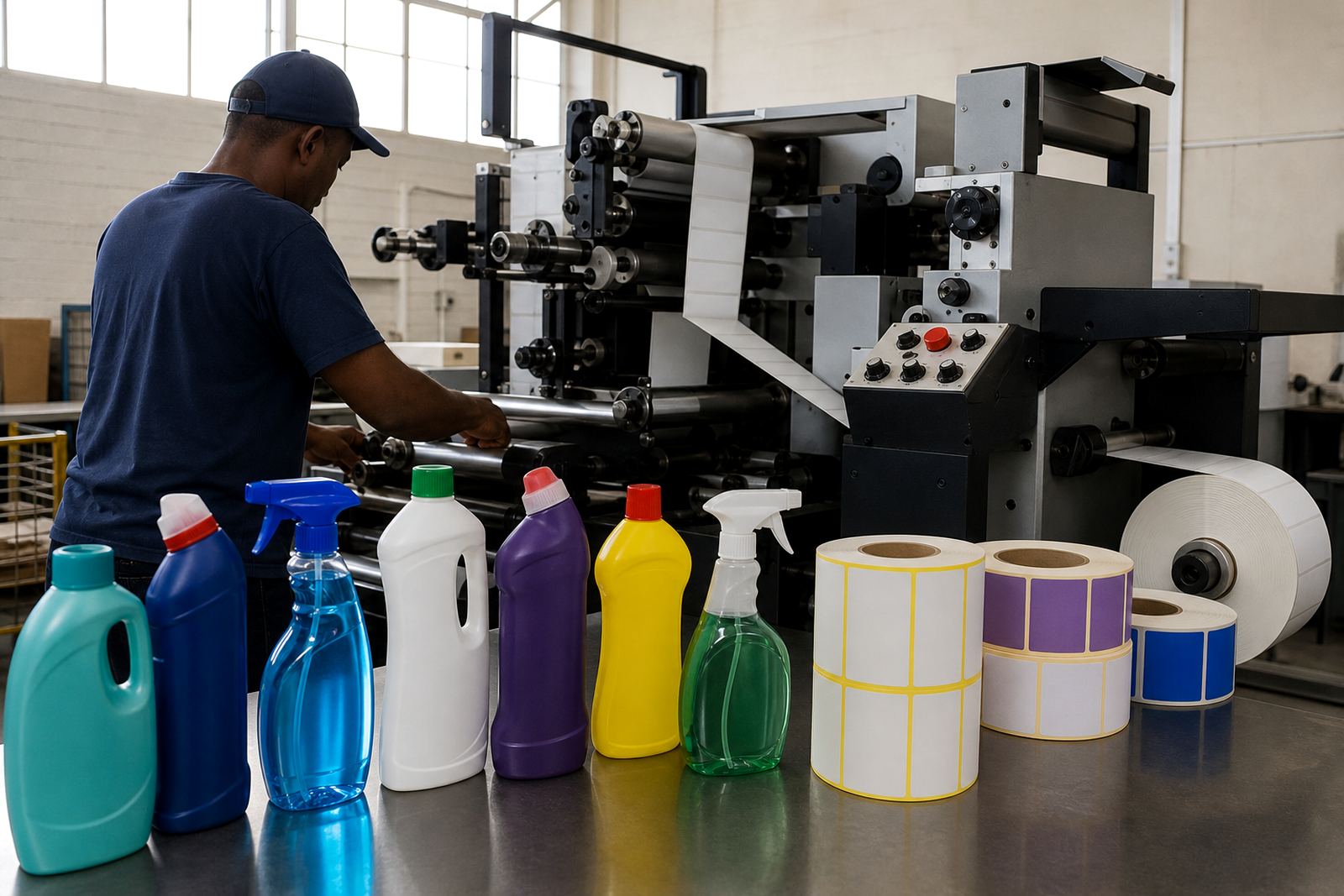
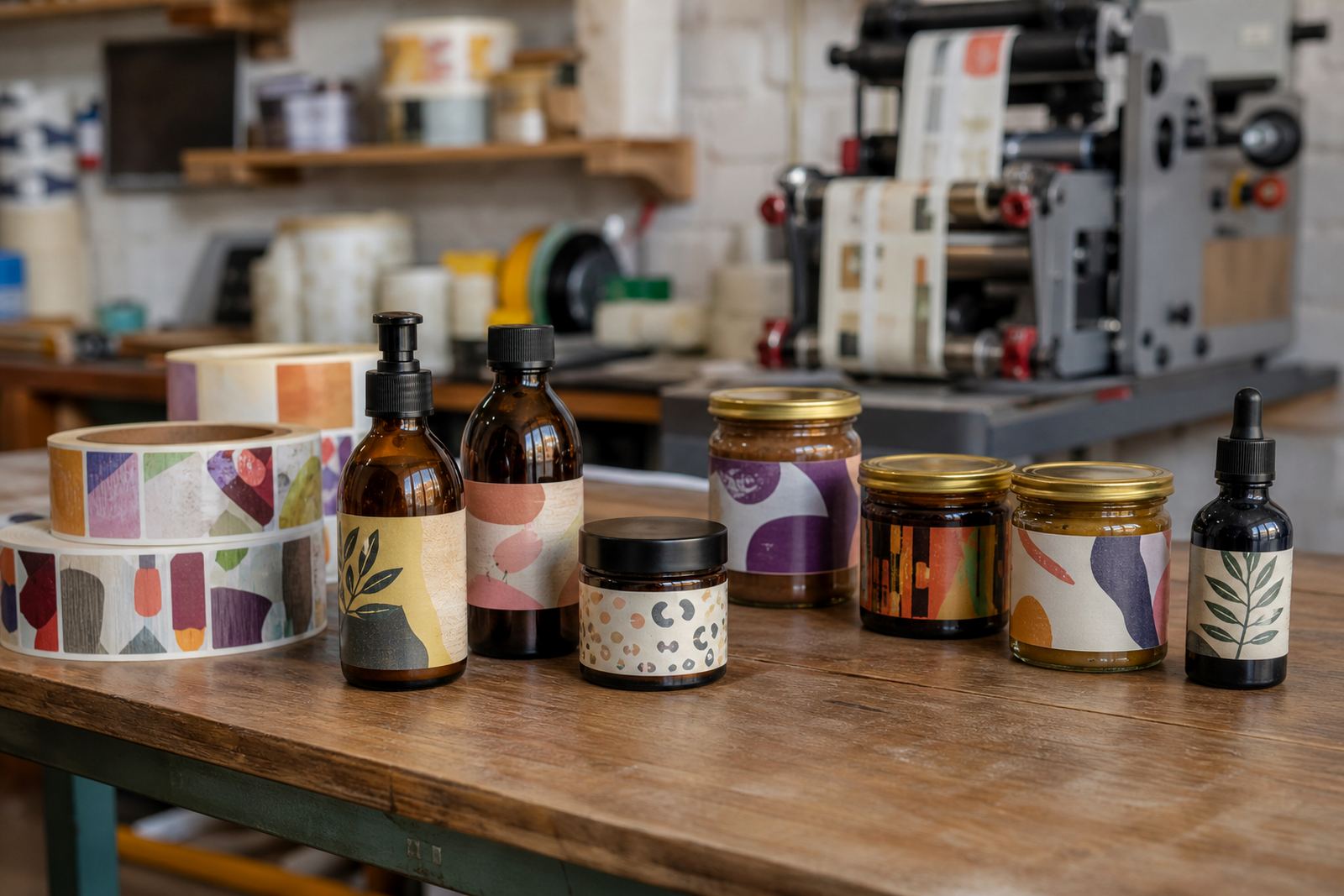
Cosmetics labels often carry more than product information. They have to look neat on curved bottles, small jars and cartons that are handled on the shop floor. Colour consistency matters, as does registration on fine type and small decorative elements. A slight mismatch shows quickly on premium packaging, so setup and plate mounting need care.
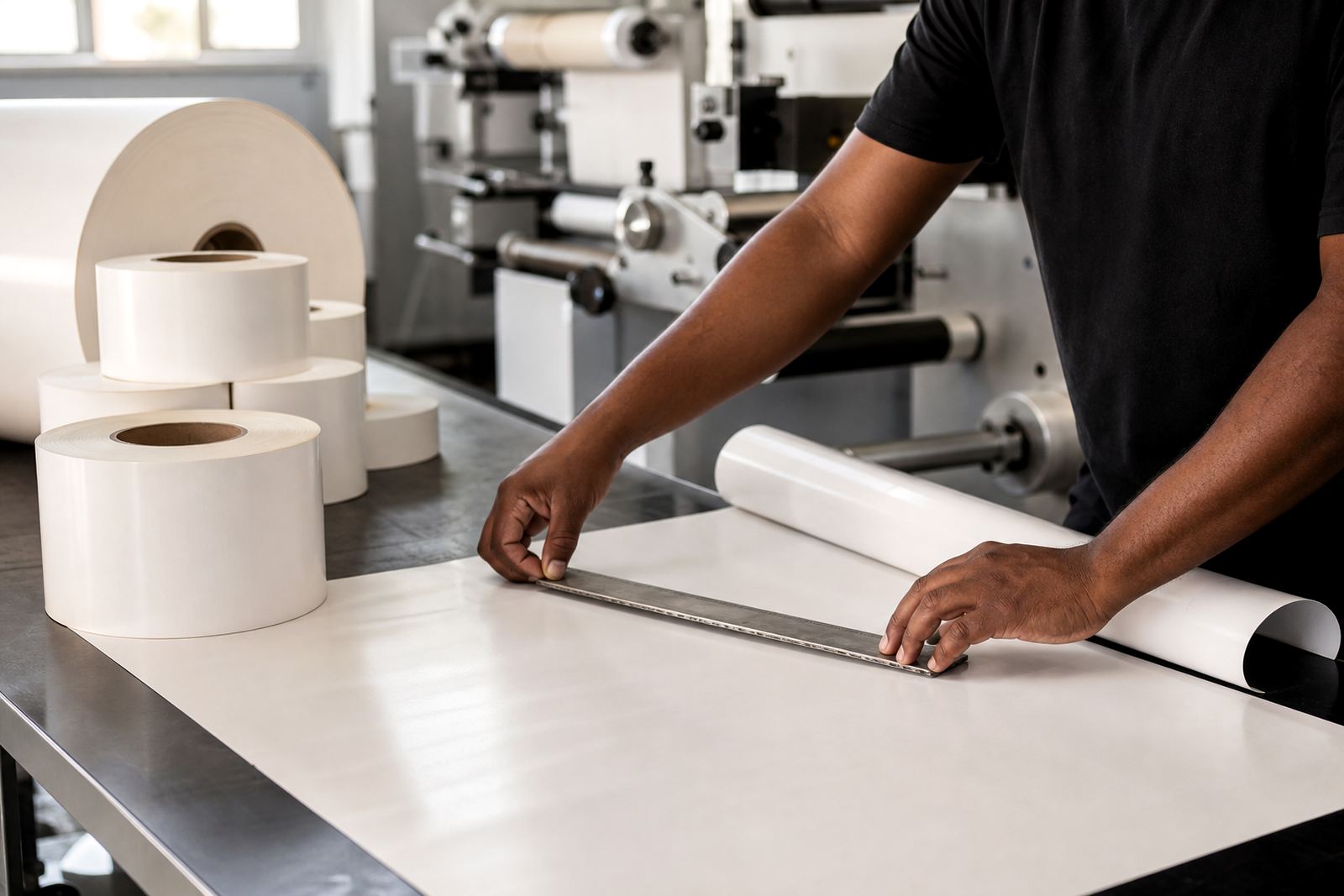
In this category, finishing is just as important as print quality. Matt or gloss varnish, kiss-cutting, slitting and rewinding all affect how the final roll behaves on the filling line. If the label needs to look refined on shelves in Sandton, Durban or Cape Town, the practical side of setup can make the difference, no matter how strong the artwork is.
- Keep small text readable at the final label size.
- Plan for curved surfaces and smaller wrap areas.
- Match the finish to the brand feel and the container material.
Retail Labels For Fast Turnaround And Clear Shelf Impact
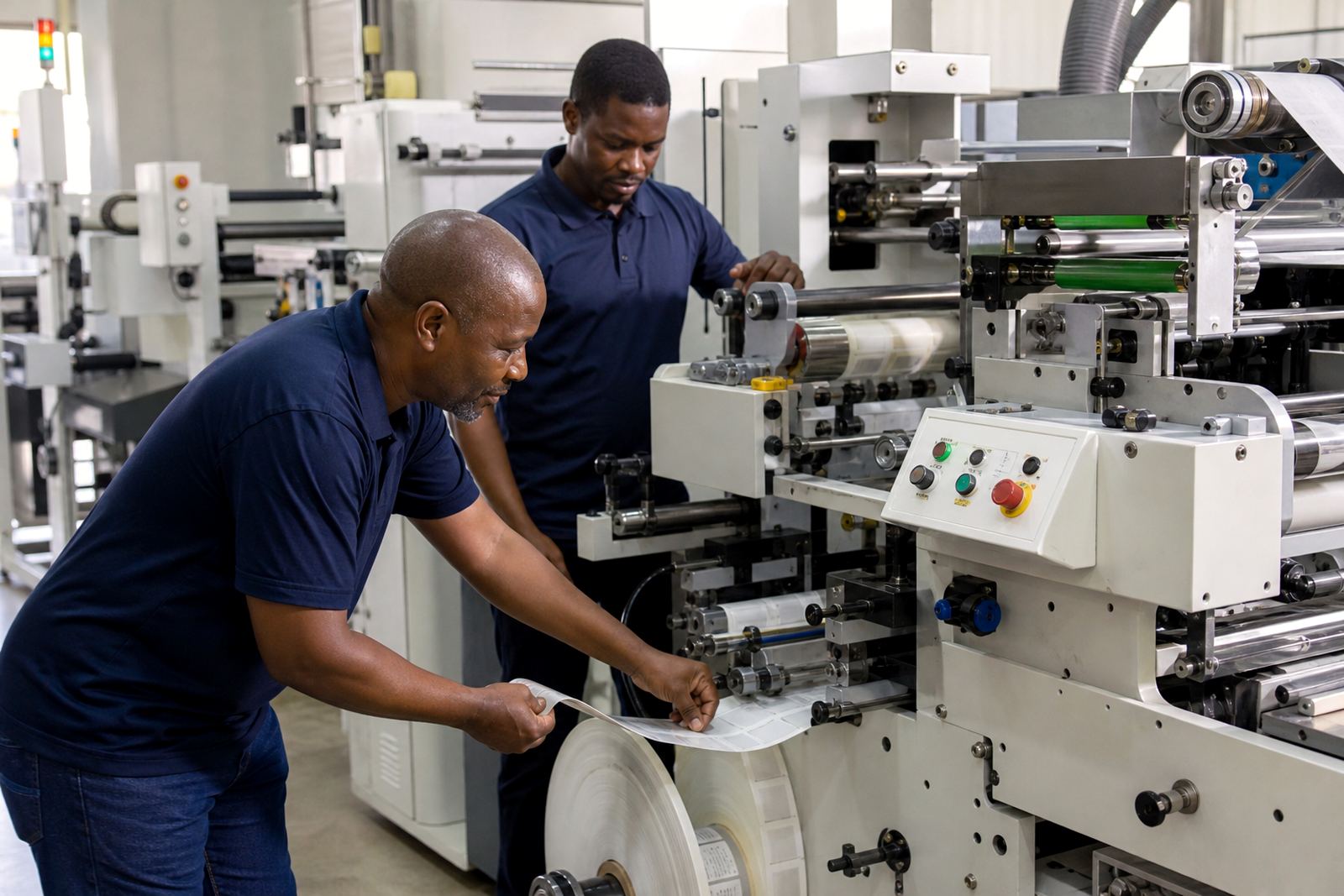
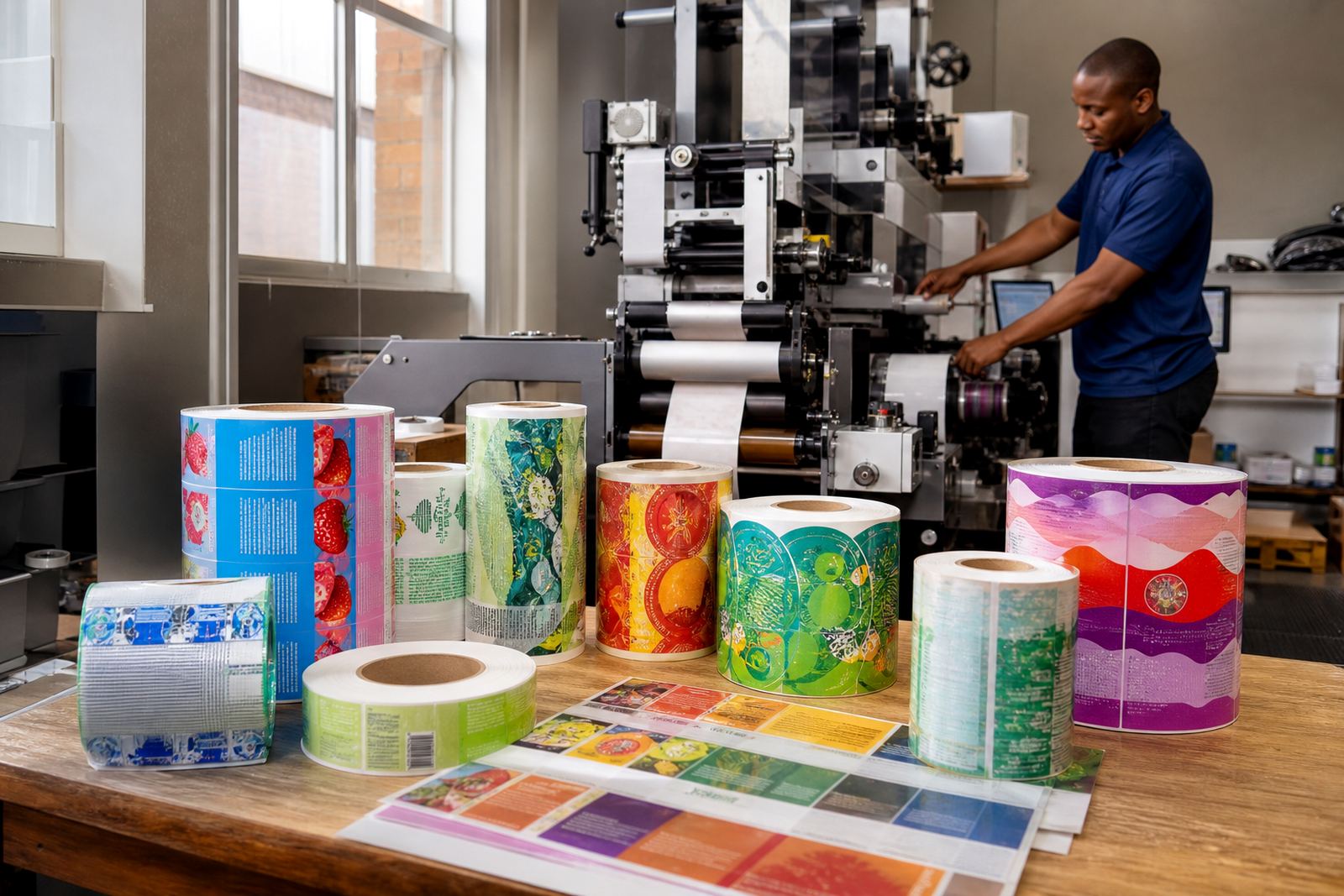
Retail labels are often produced in mixed volumes, with quick changes between SKUs, seasonal artwork and price updates. That means the press setup has to be efficient and repeatable. Operators need to get from one job to the next without wasting material, especially when customers in Johannesburg or Pretoria need short lead times.
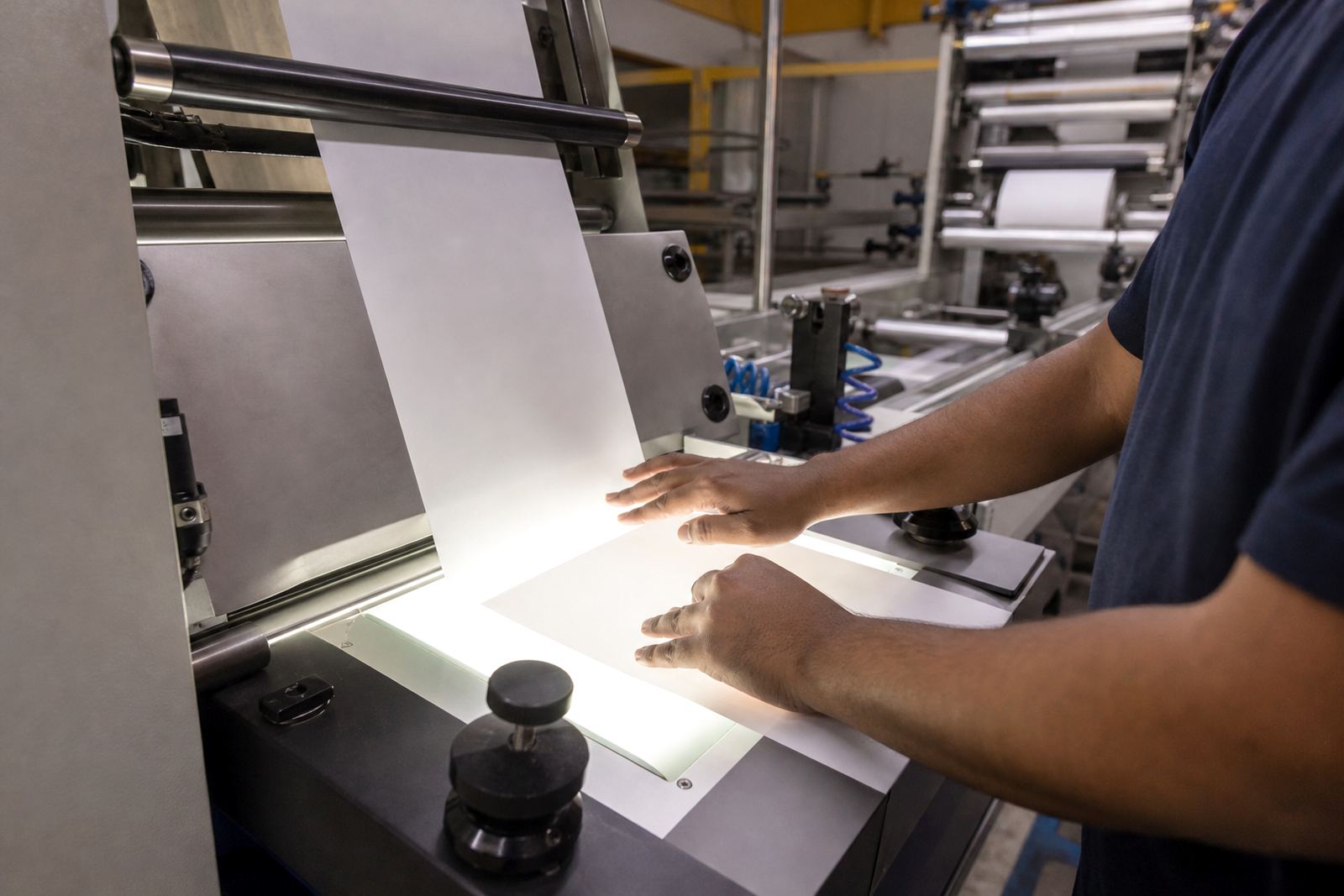
For these jobs, print clarity and finishing accuracy matter because labels may be used for barcoding, product branding or shelf-edge promotion. The line between a label that works and one that causes rework is often in the details: tension control, die-cut consistency and how well the roll is wound for application. A small misfeed can slow the whole job down, so setup discipline pays off.
- Keep barcodes sharp and easy to scan.
- Allow for frequent design changes across product ranges.
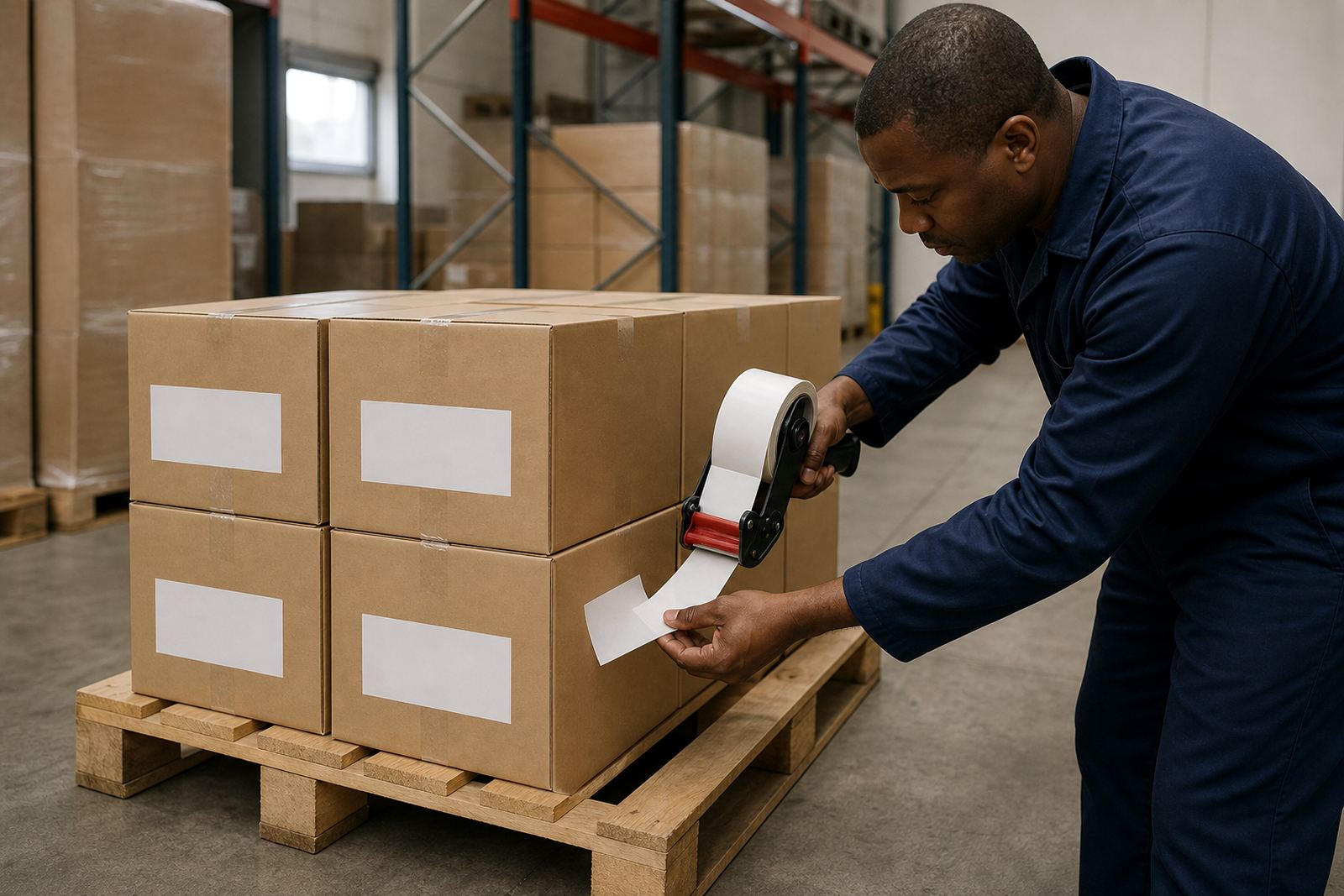
- Set the rewind and slitting for smooth use at packing.
Industrial And Chemical Labels That Need Tougher Handling
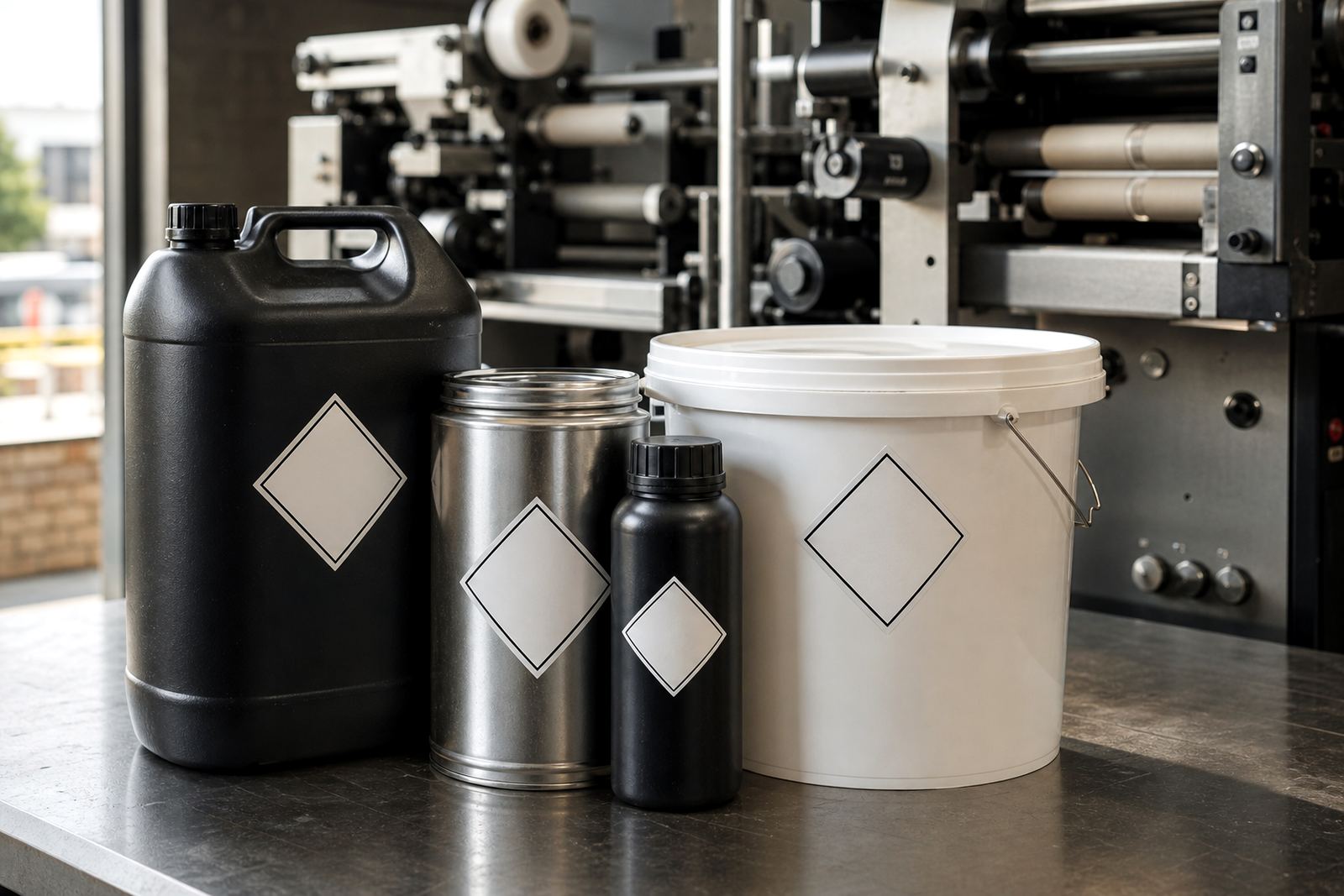
Industrial labels may face dust, handling, oil, temperature changes and long storage periods. Some applications need warning information, traceability or application notes that must remain legible for months or years. The print system therefore has to support strong contrast, stable registration and finishing that keeps edges secure.
In these runs, substrate and adhesive selection are usually guided by the environment more than by appearance. If the label is for drums, containers or parts in a warehouse outside Kempton Park, the converting team must think about surface energy, container shape and whether the label will be applied by hand or by machine. That practical approach helps reduce returns and rework.
What To Consider Before Choosing A Label Application
Every label category has its own priorities, but the same questions come up again and again. The more clearly you define the use case, the easier it is to choose the right press setup, finishing steps and support plan. This is often where a converter saves the most time, because the job can be planned properly before the first roll is made.
- What product will the label go on, and where will it be stored?
- Will the label face moisture, heat, oil or repeated handling?
- Does the job need special finishing, like varnish, lamination or foil?
- Will application be manual or on a packing line?
For label converters across South Africa, from Durban to Gqeberha and the East Rand, the best results usually come from matching the press capability to the job, then backing it up with setup help, operator training and sensible maintenance planning.
Support For New Runs, Repeats And Problem Jobs
Some label applications are routine, others need more guidance. If the artwork is new, the substrate is changing, or finishing has to be adjusted for a different client, support during installation, commissioning and production start-up can make the work easier. It is also useful when a site is dealing with load-shedding, seasonal demand or staff changes.
From Spartan, Kempton Park, our team works with converters who need practical help with presses, anilox care, plate mounting, finishing setup and breakdown support. The aim is to keep production moving and reduce avoidable stops. When a run needs a steadier hand, good training and timely support are often the difference between a difficult shift and a clean one.