

How To Use These Converter Stories
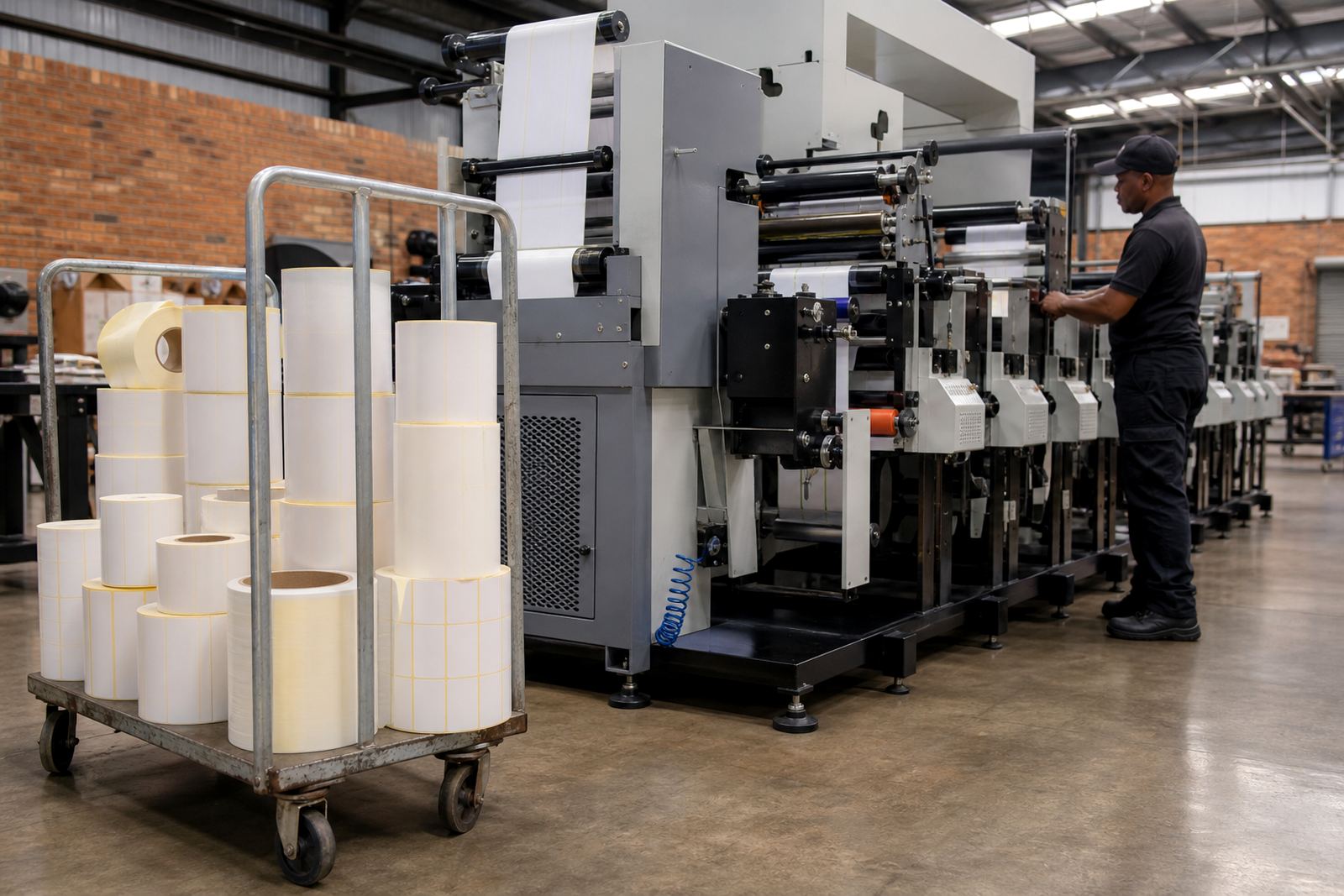
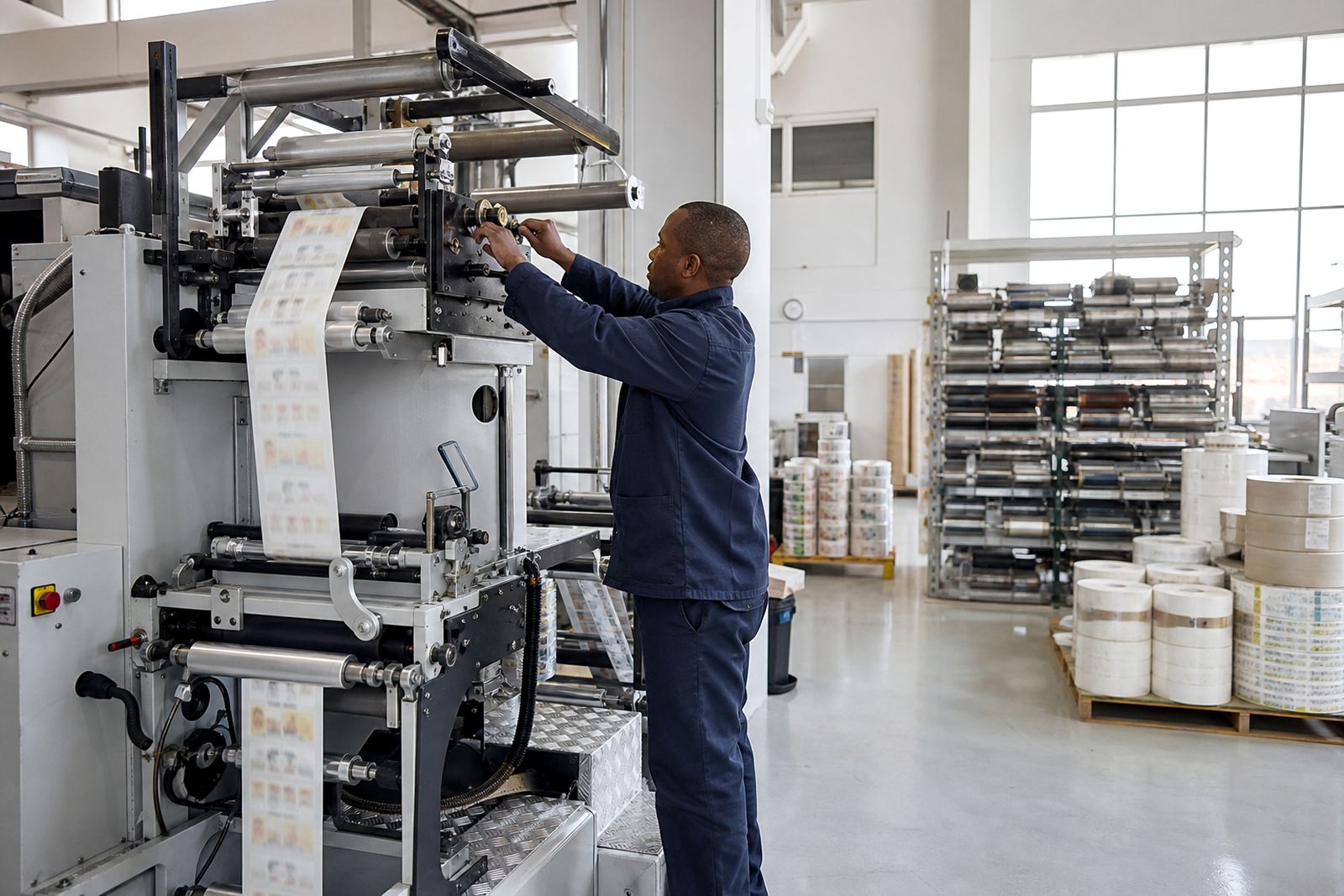
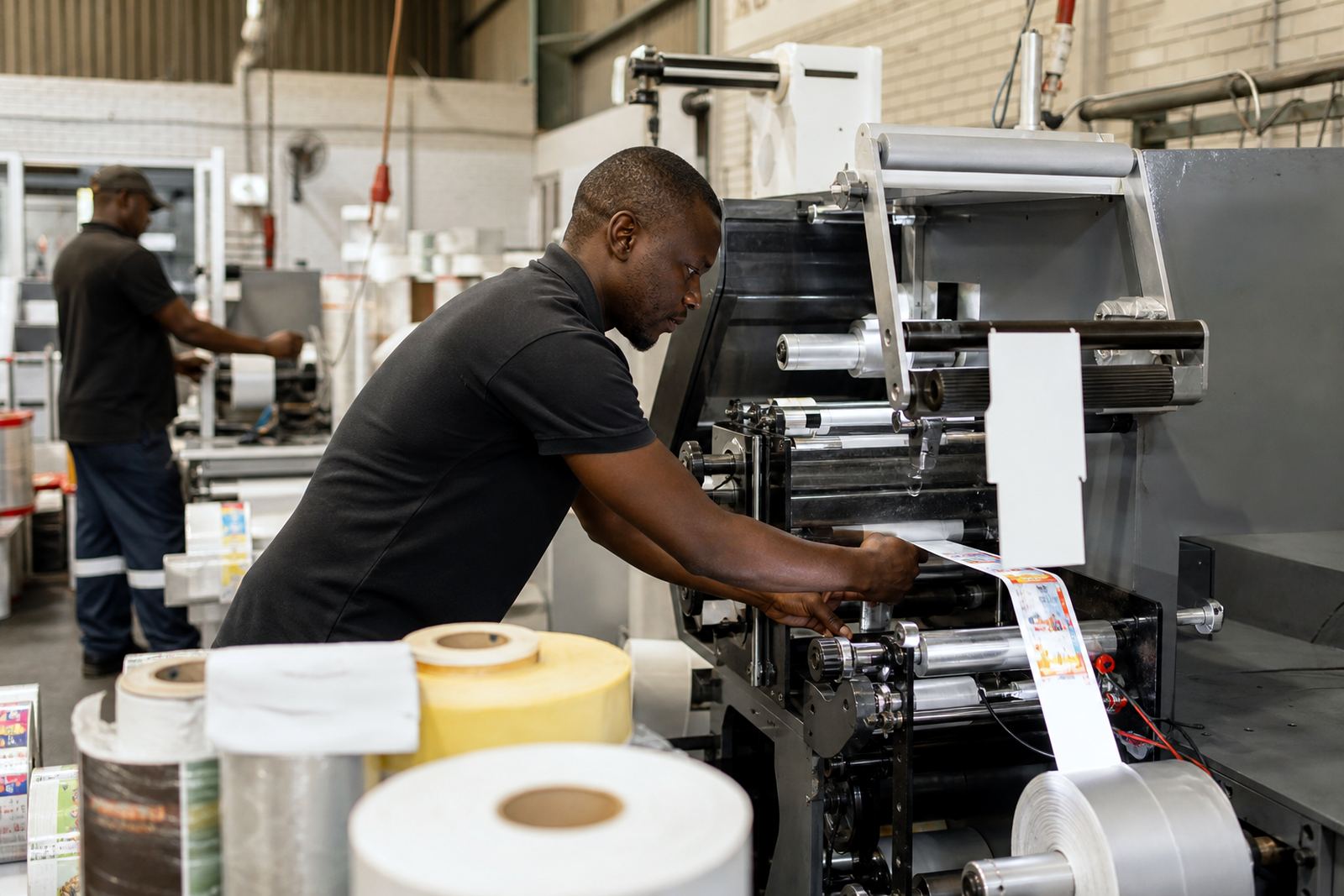
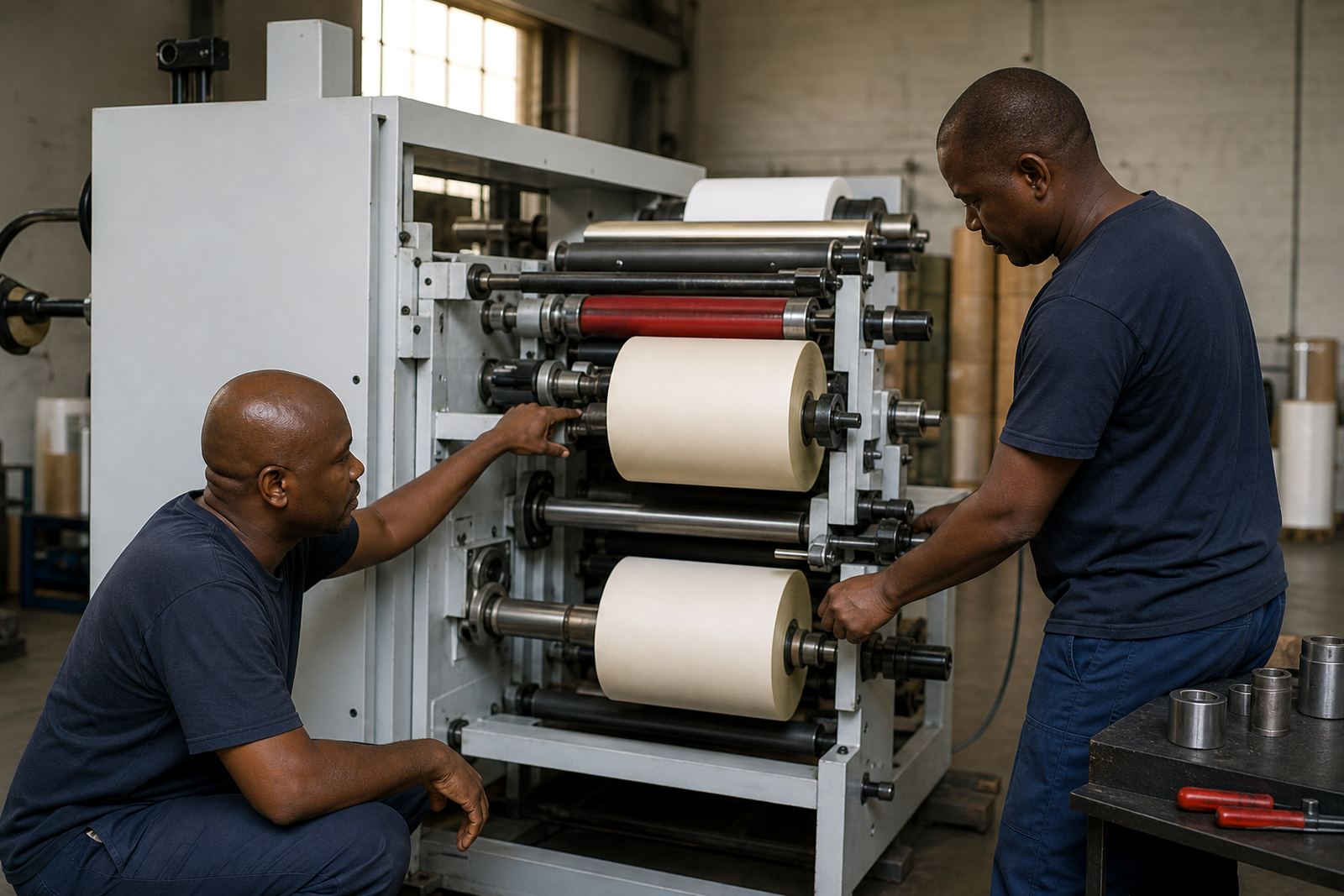
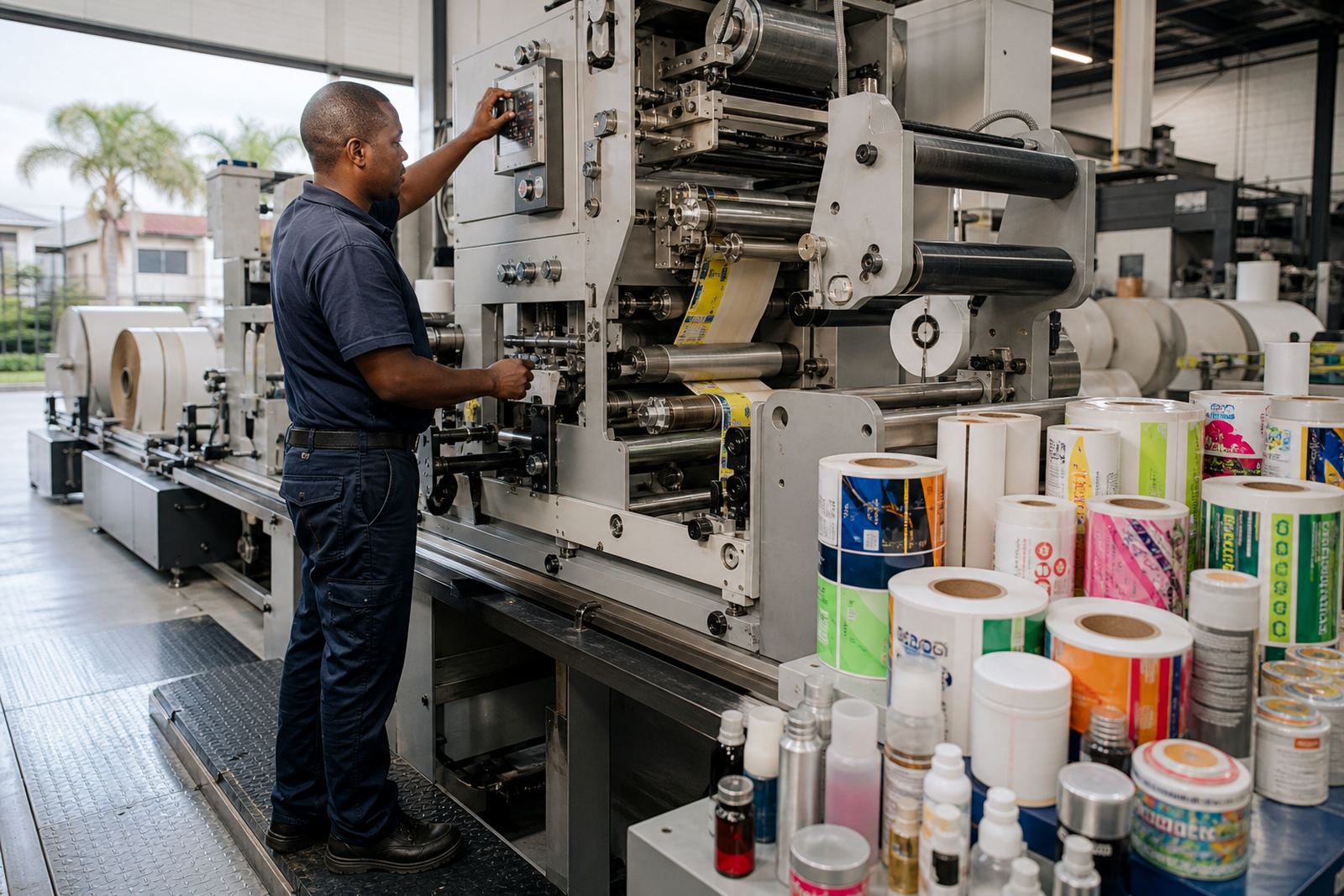
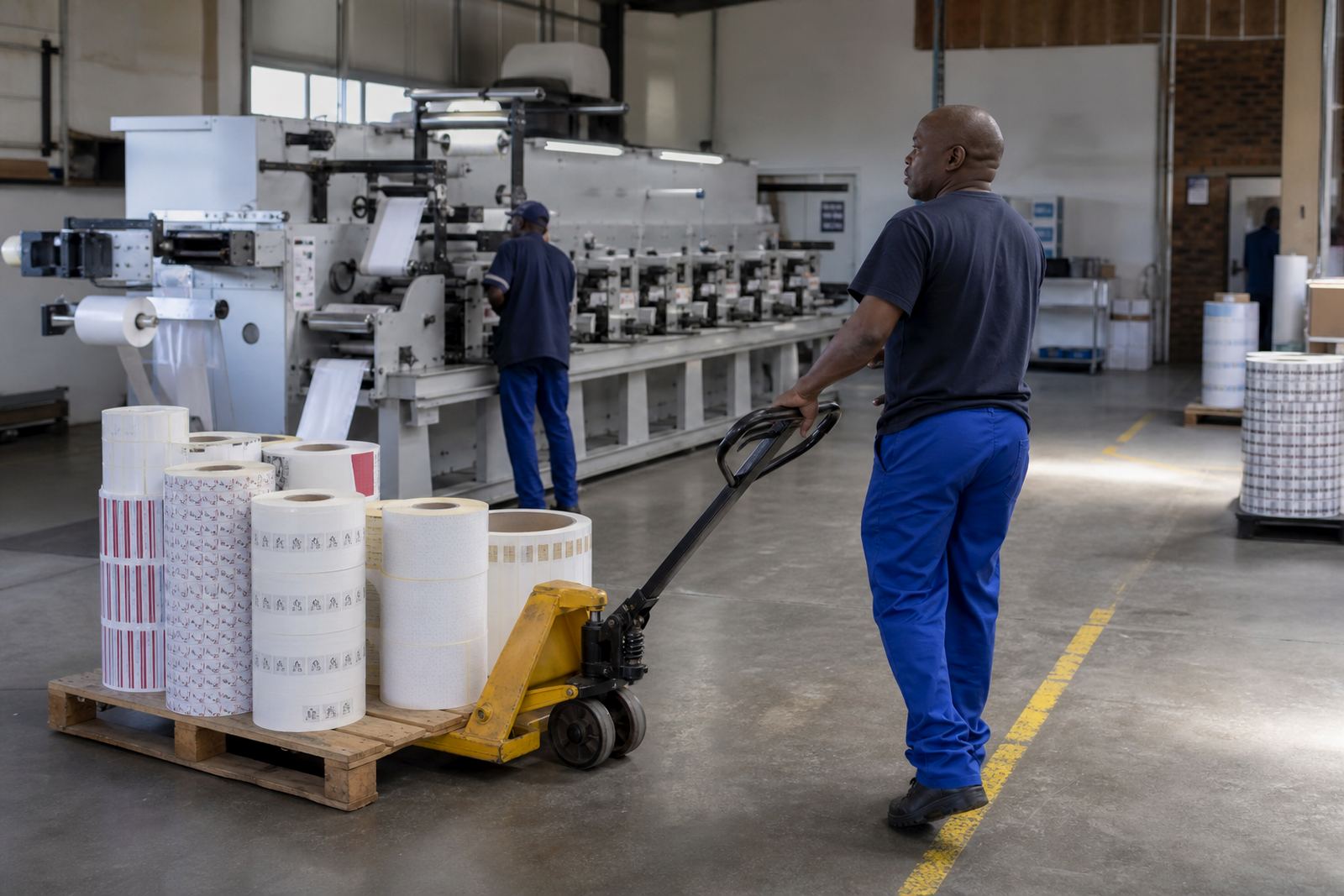
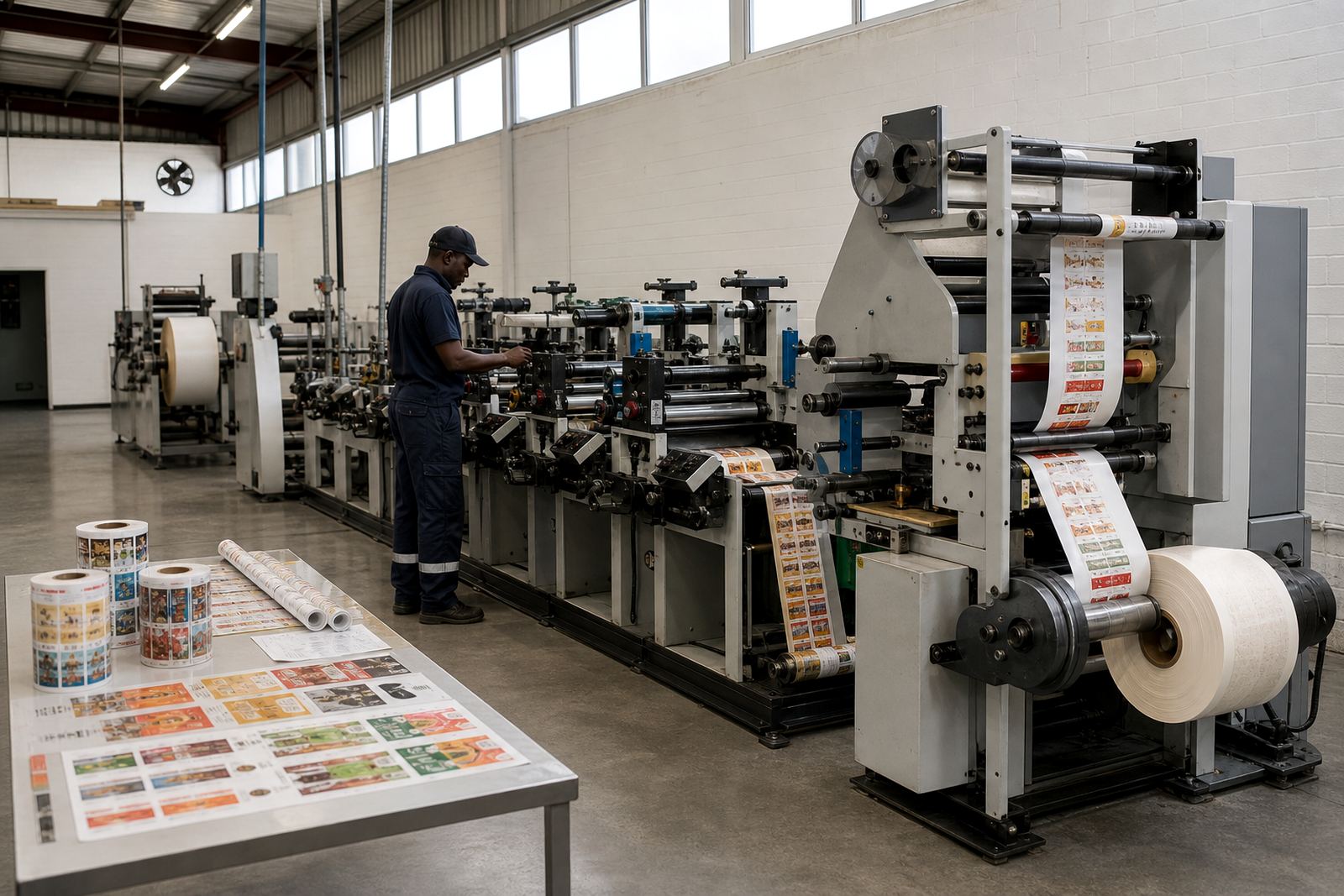
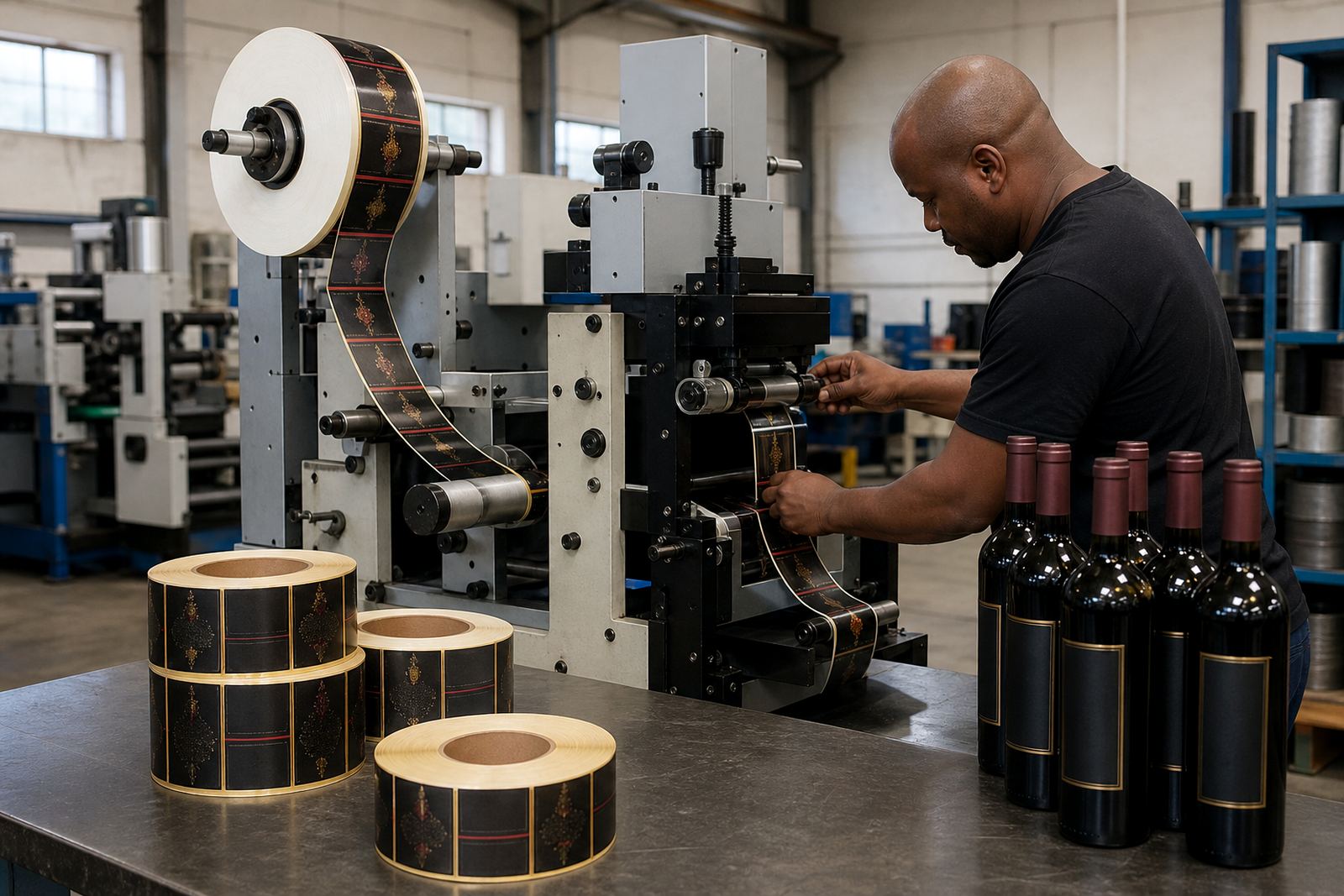
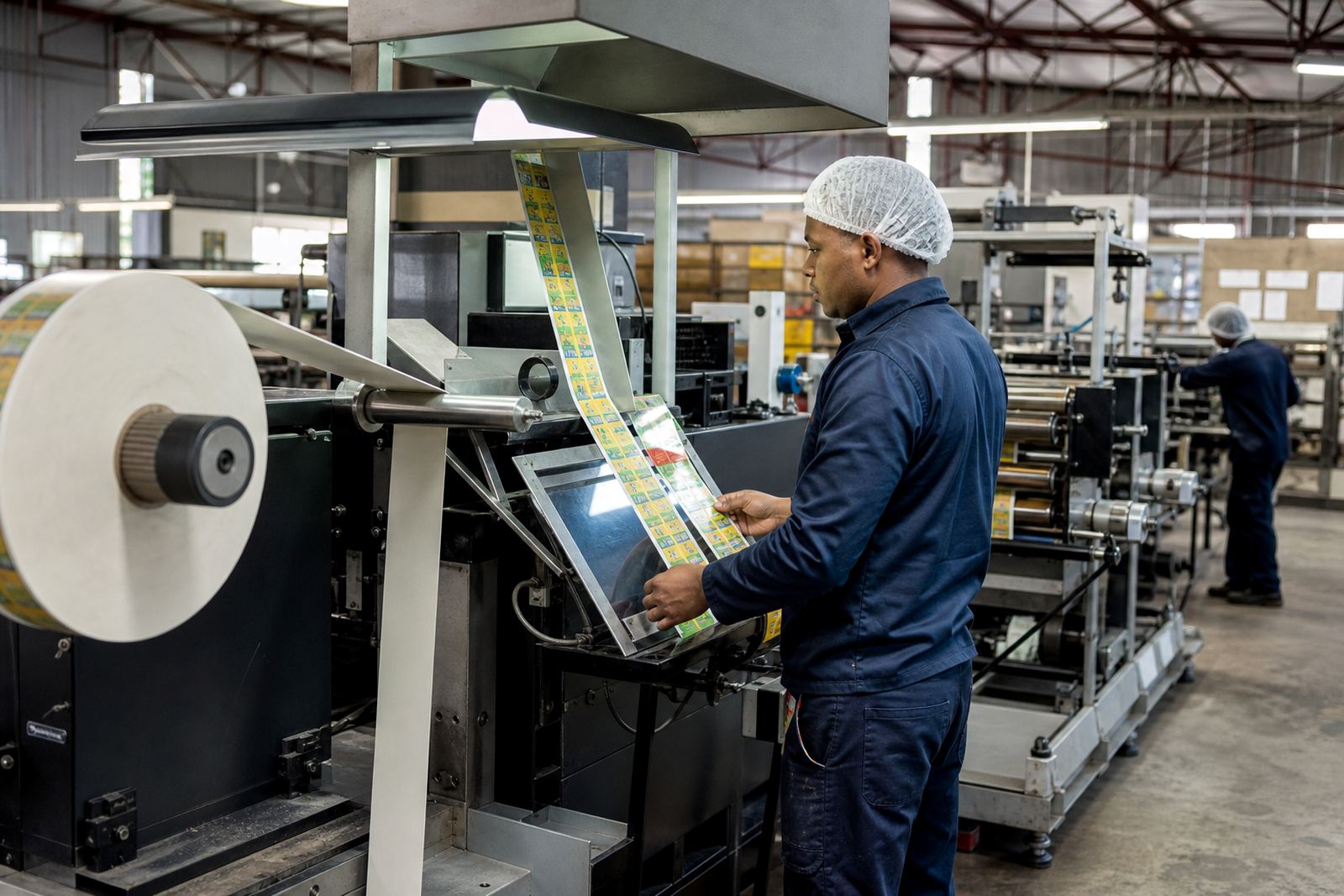
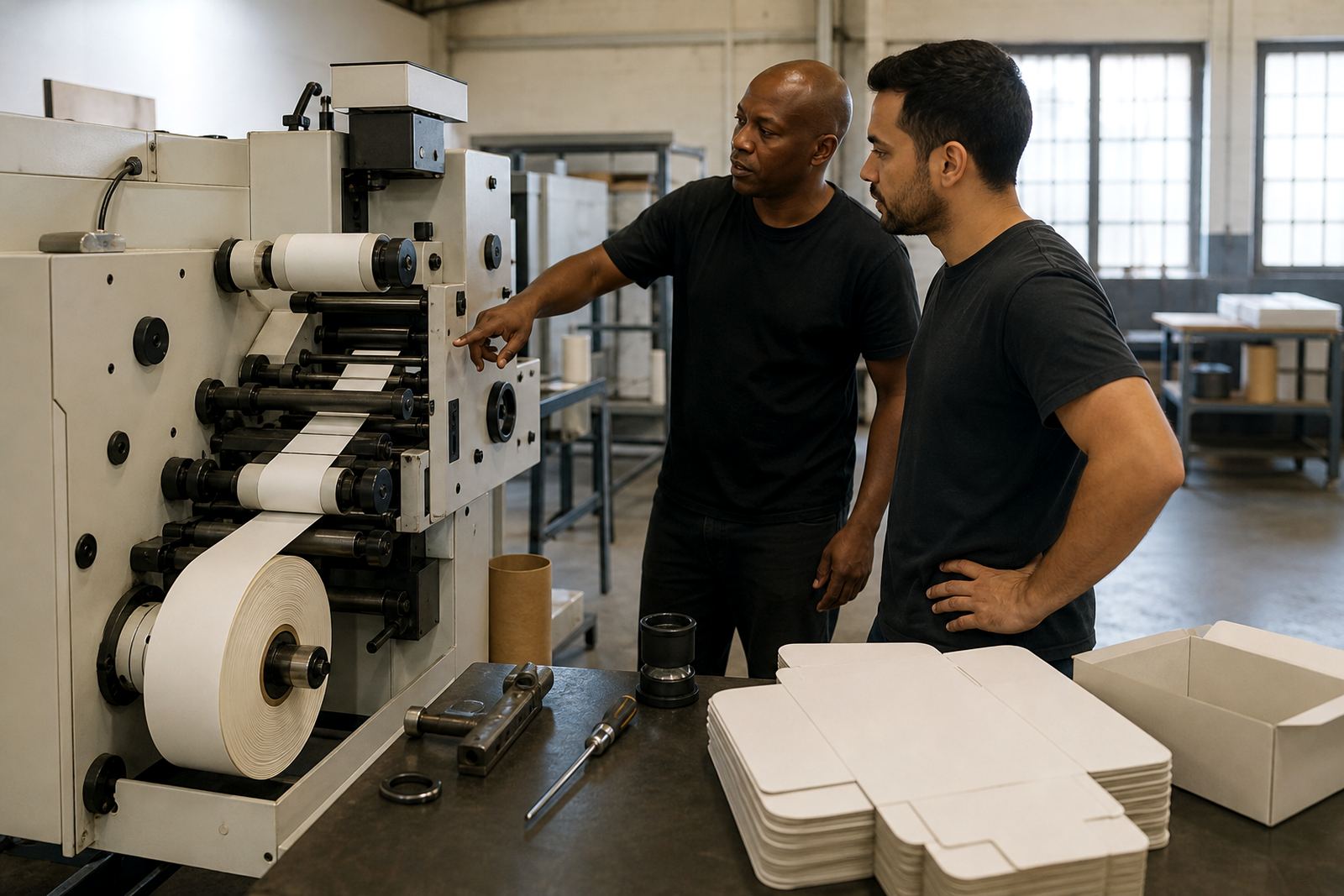
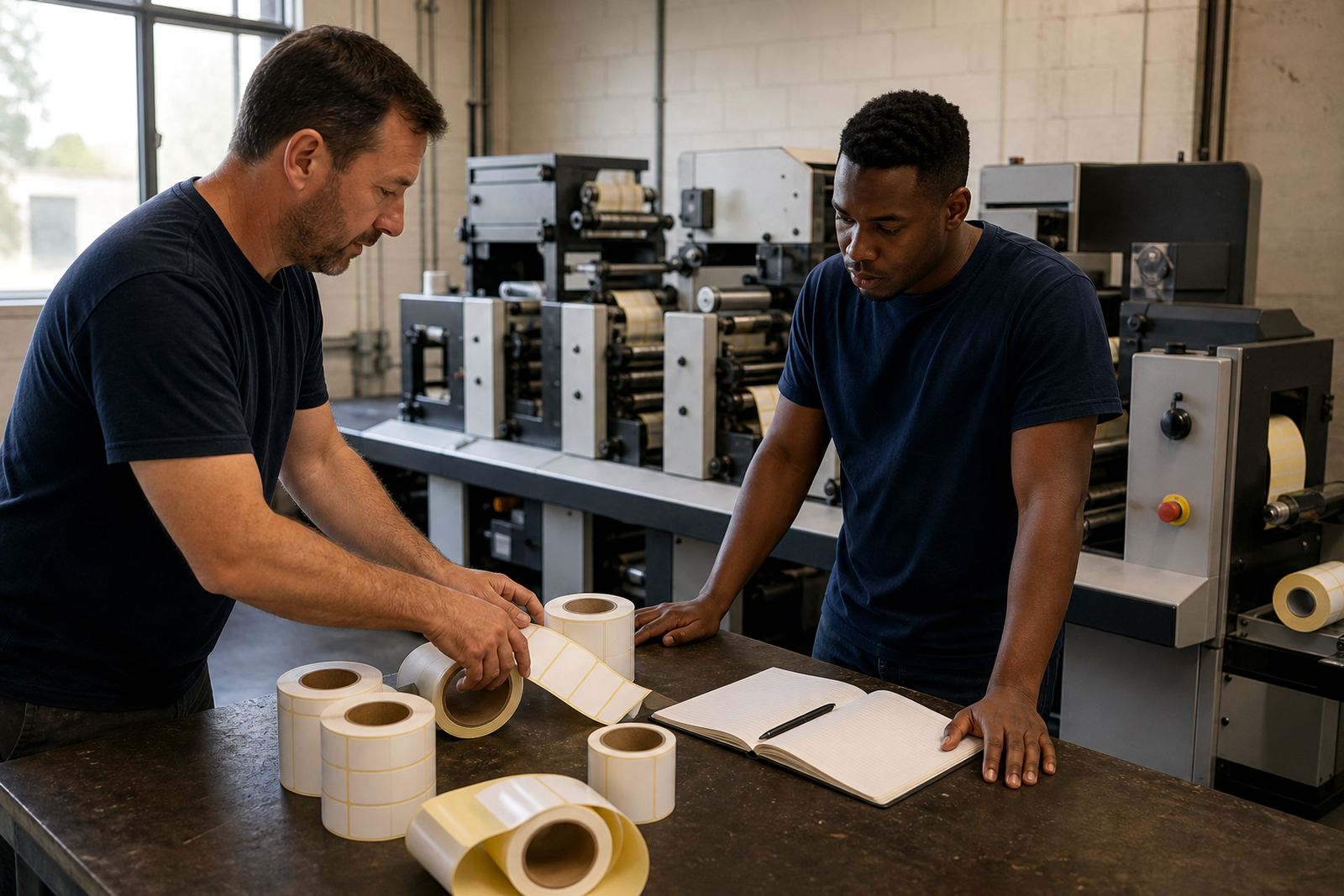
Each story shows a different kind of label production environment, from busy urban converters to smaller teams building up capacity. The aim is simple: help you see what setup, operator training and support can look like in practice when a narrow-web flexo label press is brought into daily use.
Some readers want a quick overview before they speak to a technical team. Others want to compare what happens in a food plant, a cosmetics line or a retail label room, then decide what support will matter most at their site in Kempton Park, Johannesburg or further afield.
- Read for location, production type and support needs
- Look for common setup steps, finishing choices and staff training points
- Use the stories to plan your own press installation or upgrade
What A Typical Converter Project Covers
Most converter projects start with the press, but the real work is broader than that. A good outcome depends on installation, commissioning, plate mounting help, anilox care, finishing setup and a clean handover to the production team.
In practice that means checking the room layout, power supply, material flow and where the finished rolls or sheets will be handled. In coastal areas such as Durban and Gqeberha, humidity control matters. In Gauteng, stable power and load-shedding planning often shape the way a line is run.
- Press installation and commissioning
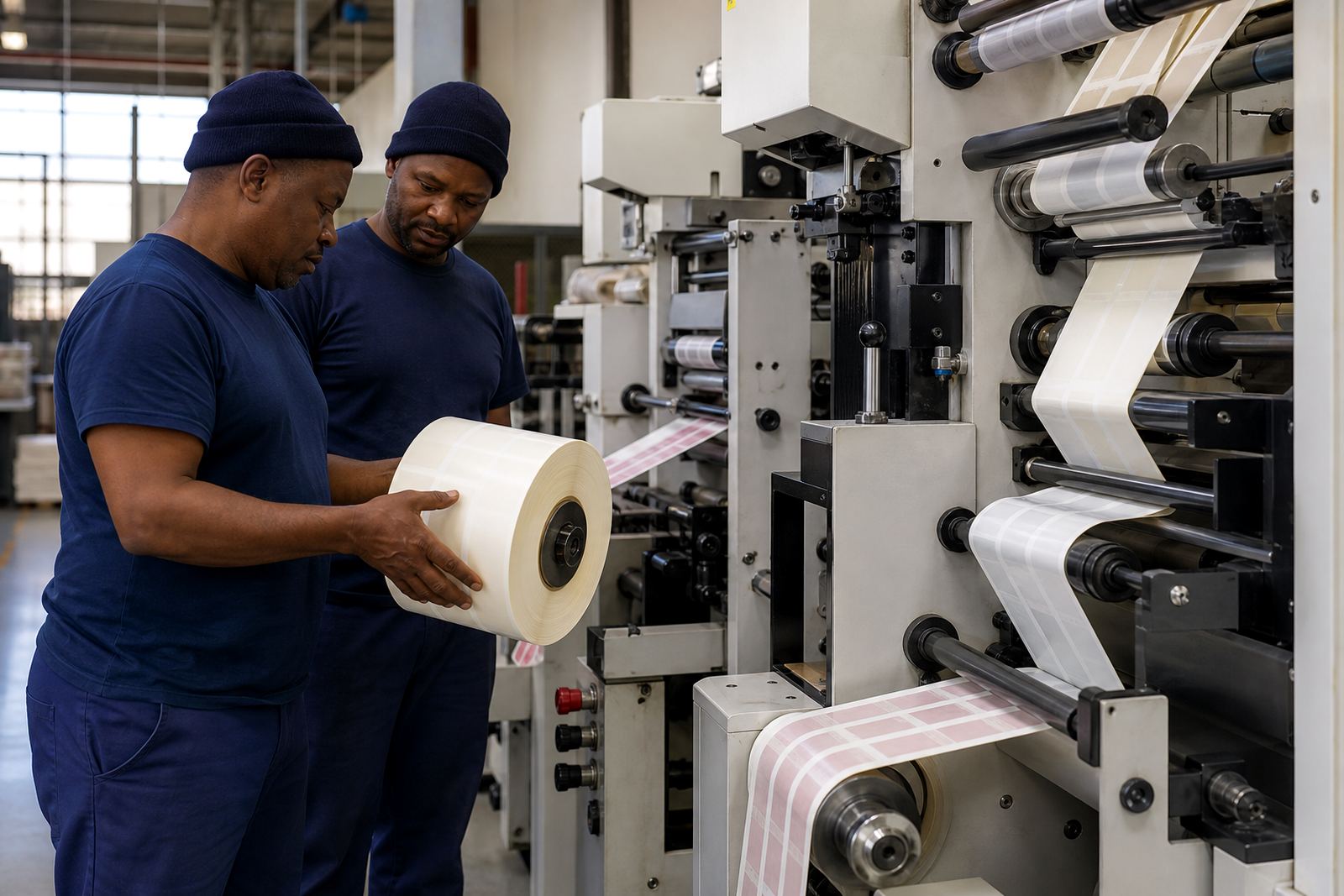
- Operator training and startup production support
- Preventive maintenance and breakdown support
Stories By Location And Production Type
The listing pages are grouped by area so you can quickly find a project that feels close to your own operation. A converter in Pretoria may face a different pace and staffing pattern from a site in Cape Town, while a smaller East Rand shop may need a more hands-on start up plan.
These stories are not written as case studies full of marketing language. They focus on the everyday details that matter to label converters: how the team was trained, how the press was introduced to production, and what support was needed during the first weeks of running jobs.
- Johannesburg and Centurion support for busy mixed-product sites
- Durban support for humidity-sensitive print environments
- Cape Town and Gqeberha support for converters balancing quality and turnaround time
How Setup And Finishing Come Together
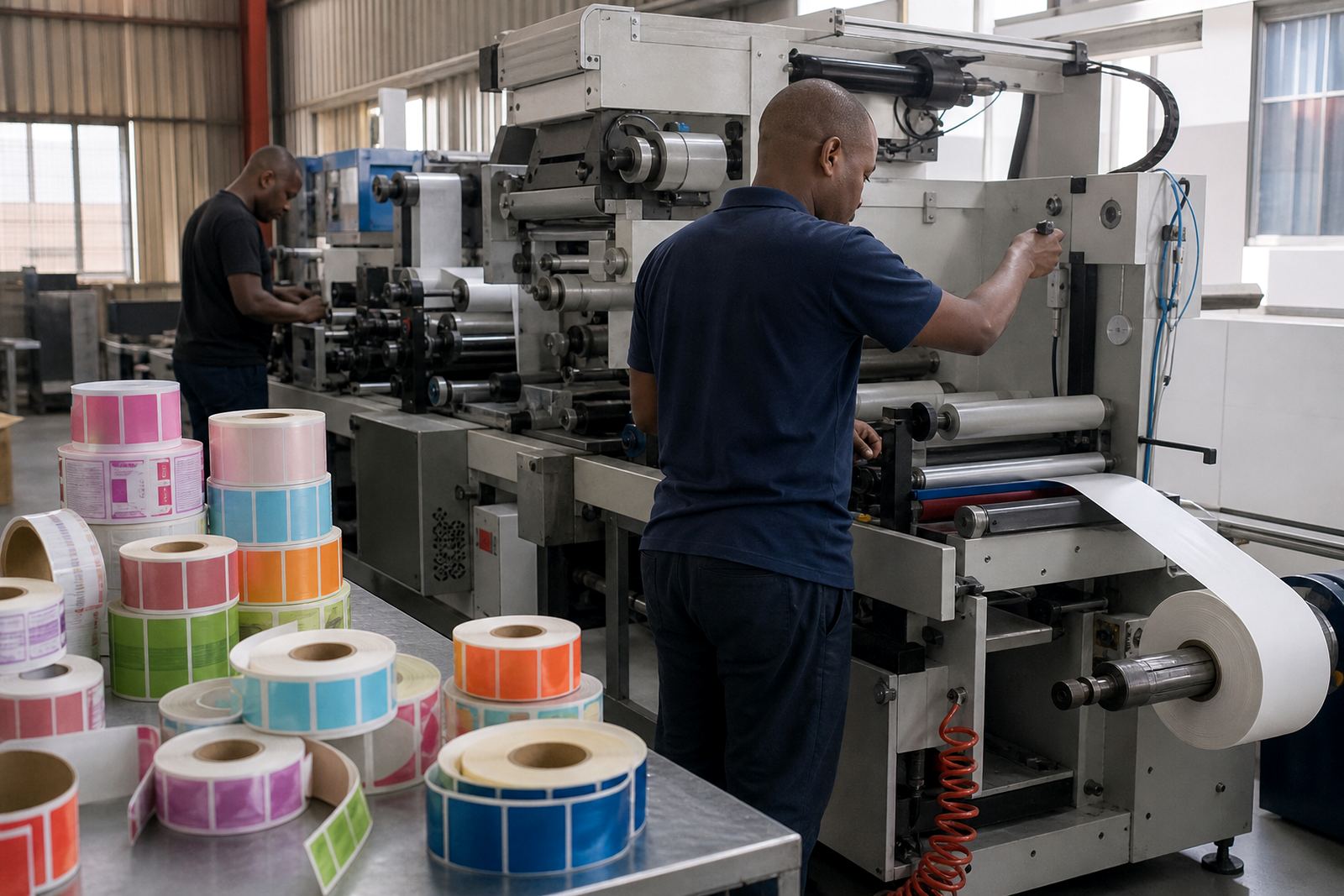
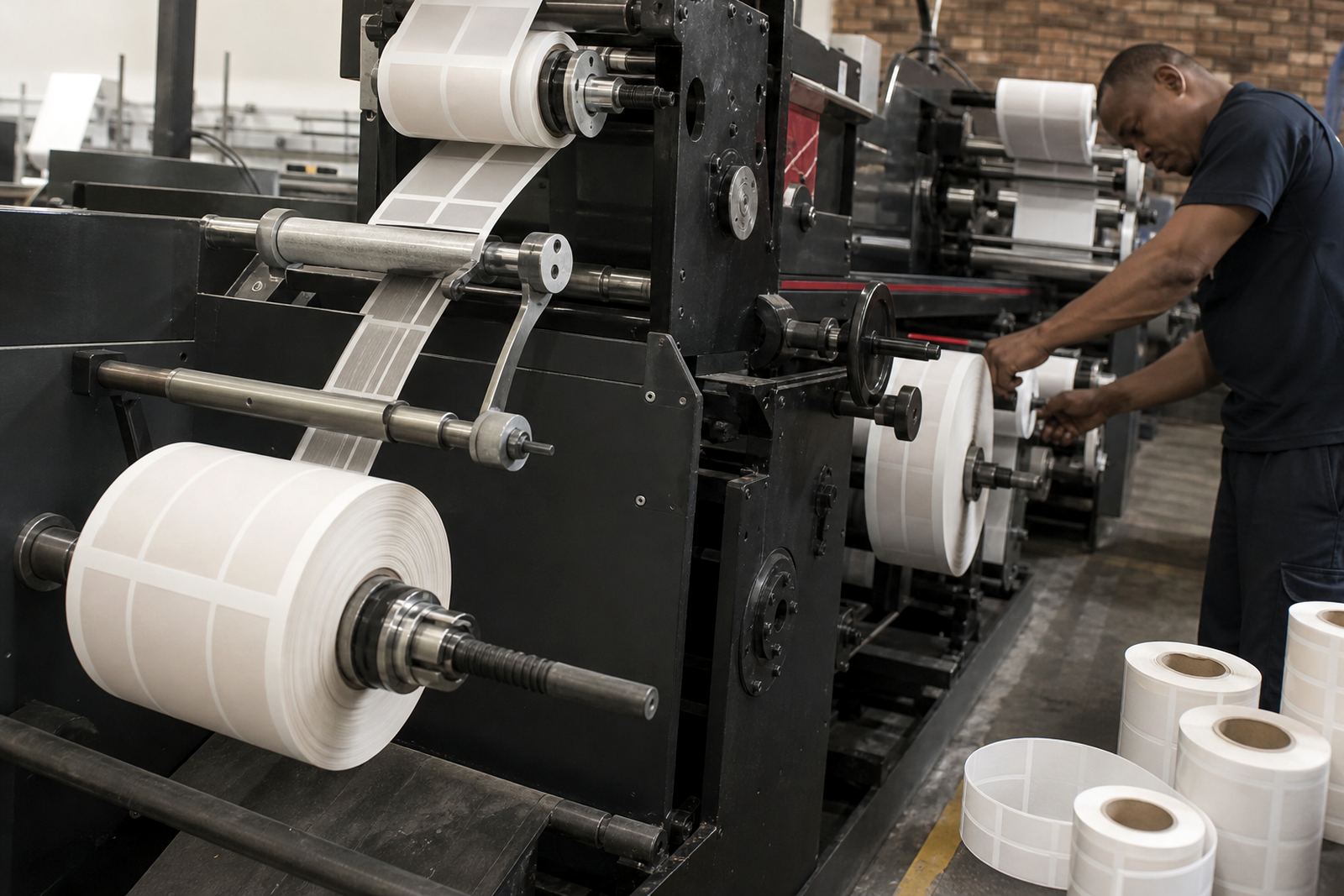
Narrow-web flexo label presses are often chosen because they suit label work that needs colour consistency, repeatable setup and neat finishing. The setup side covers the press itself, while the finishing side can include job changeover, web handling, rewinding, inspection and other finishing steps tied to the final label format.
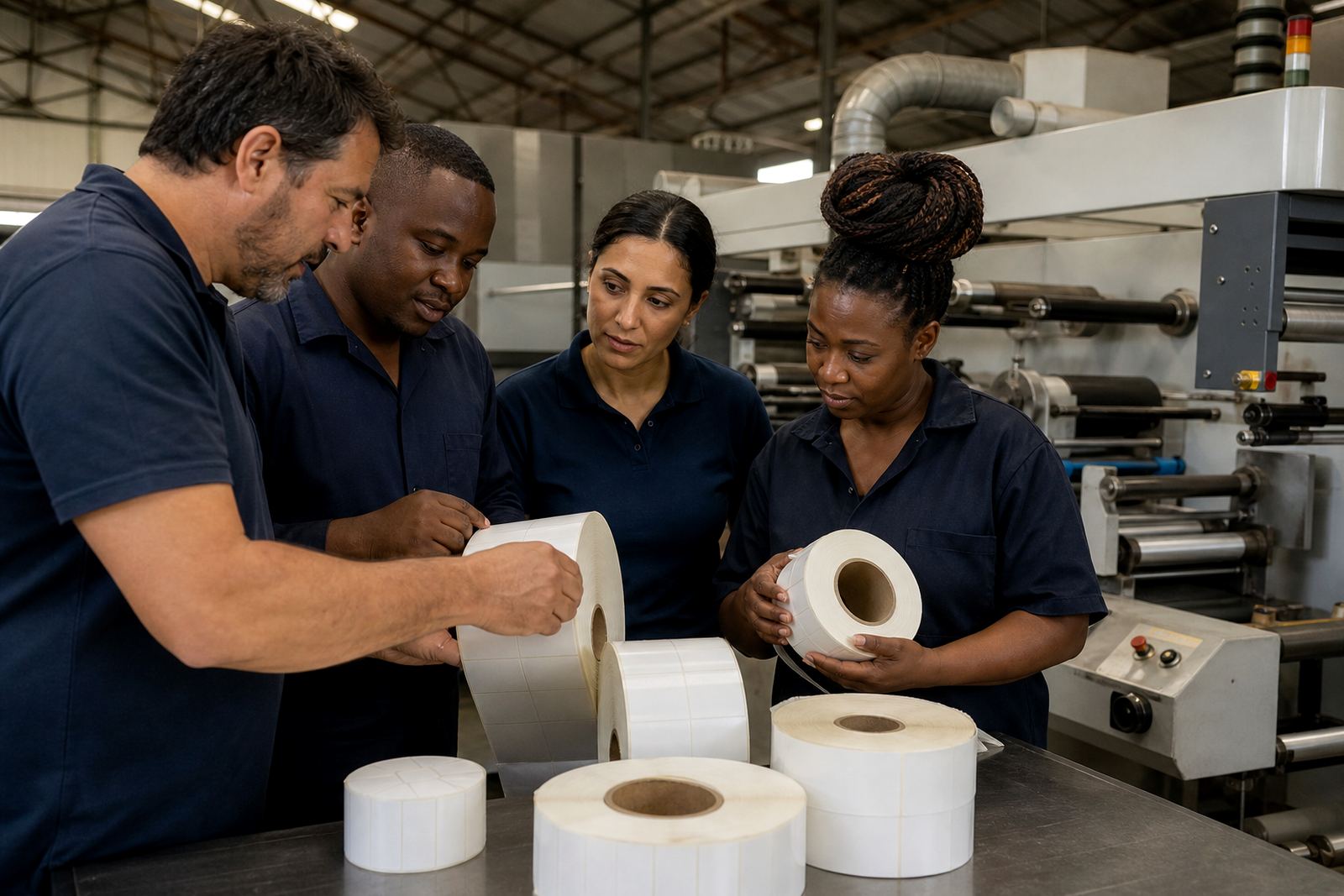
Our support approach is practical. We help teams get the basics right, then build confidence through hands-on training. That can include operator routines, stock handling, plate mounting help and simple methods for reducing waste during early runs. There is no one-size-fits-all approach, because each converter has different staff, materials and output targets.
Support That Follows The Press Into Production
Once a press is running, support still matters. Preventive maintenance, remote support, spare parts support and breakdown support all help keep production moving when deadlines are tight. For converters working with food labels, cosmetics, retail packs or general packaging, delays can be costly and the pressure lands on the floor team first.
That is why these stories pay attention to the support phase as much as the installation phase. They show how a team learns the machine, who helps when adjustments are needed, and how a converter builds a steadier routine over time.
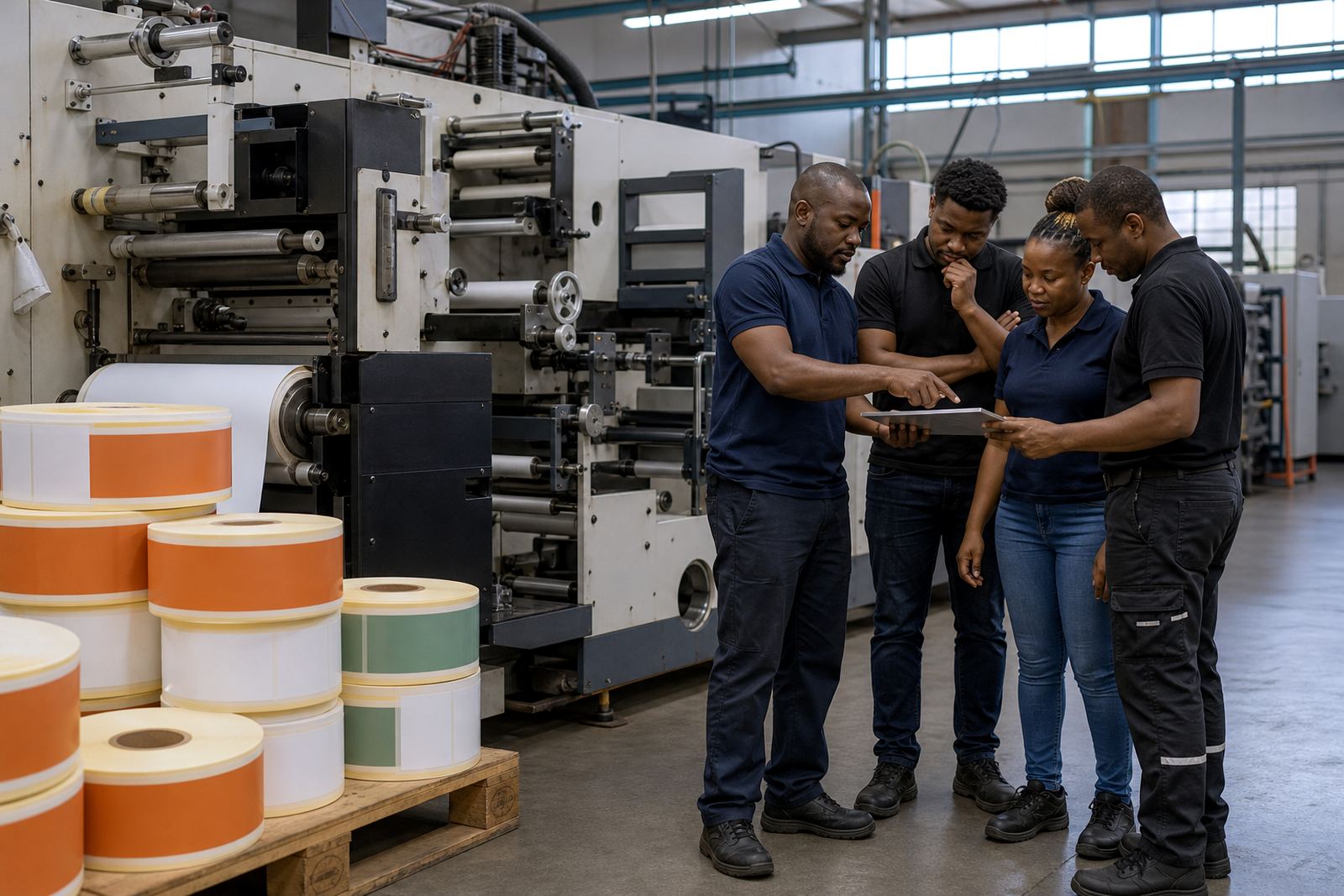
- Training for new operators and supervisors
- Maintenance planning for daily and weekly checks
- Support for material changeovers and repeat jobs
Choosing The Right Story To Read First
If you are comparing options, start with the story that matches your town and your production pressure. A high-turnover converter in Johannesburg may want to see how fast setup and operator training were handled, while a site near the coast may be more interested in finishing consistency and climate-related upkeep.
For many teams, the best starting point is the one that reflects their biggest challenge now. That could be commissioning a new line, training new staff, sorting out an old support gap or getting better output from a press that is already on the floor.