

How to use these press guides
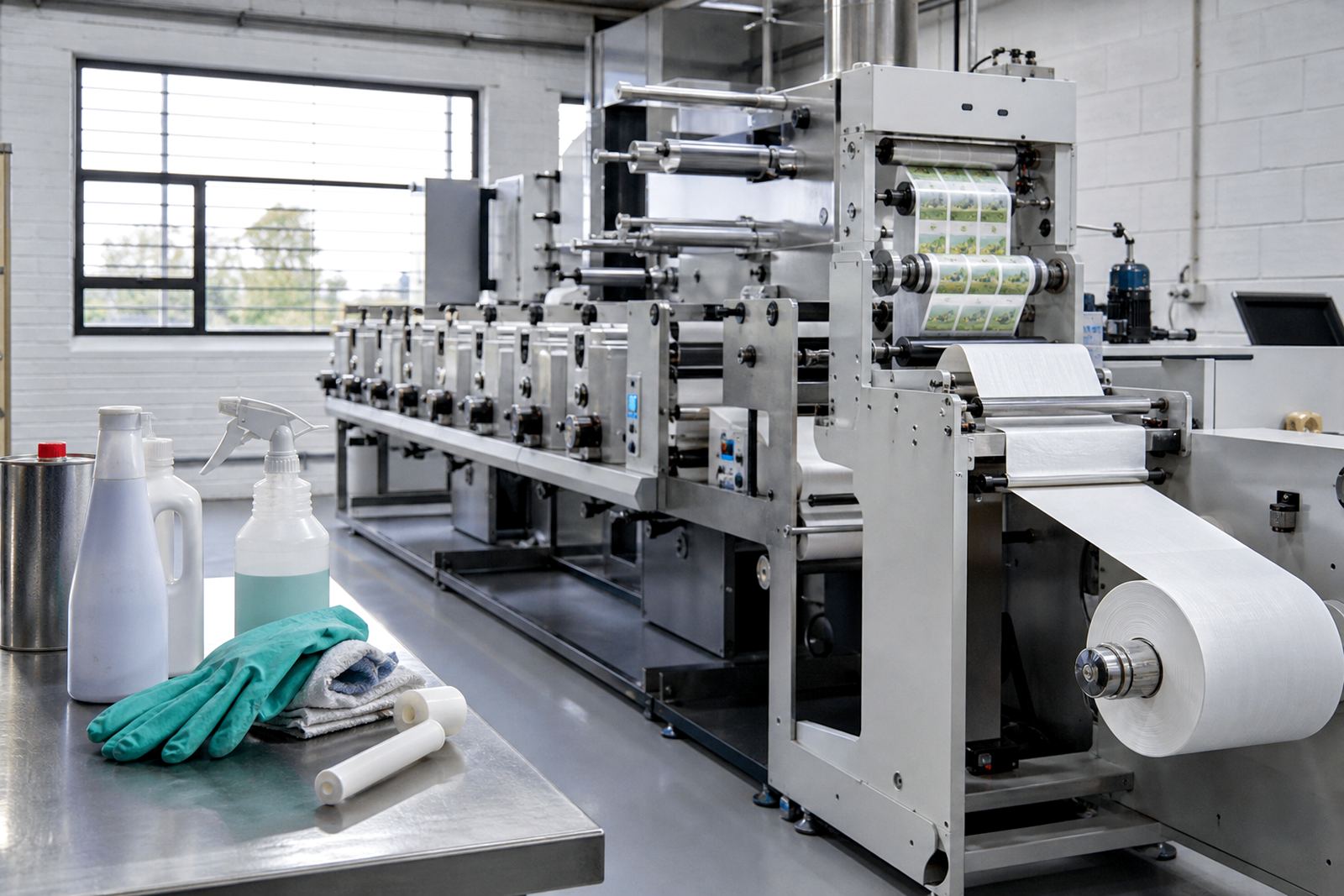
If you are comparing narrow-web flexo label presses, start with the guide that matches your stage. Some readers need help choosing the right press layout, while others want clearer steps for installation, setup, finishing and day-to-day running. The aim is to make the decision process simpler, with practical points that fit South African production conditions.
We work from Spartan, Kempton Park and support label converters in Johannesburg, Pretoria, Durban, Cape Town and Gqeberha. That means the advice here is shaped by real production realities, from load-shedding planning to coastal humidity, and the need to keep changeovers tidy when orders move quickly.
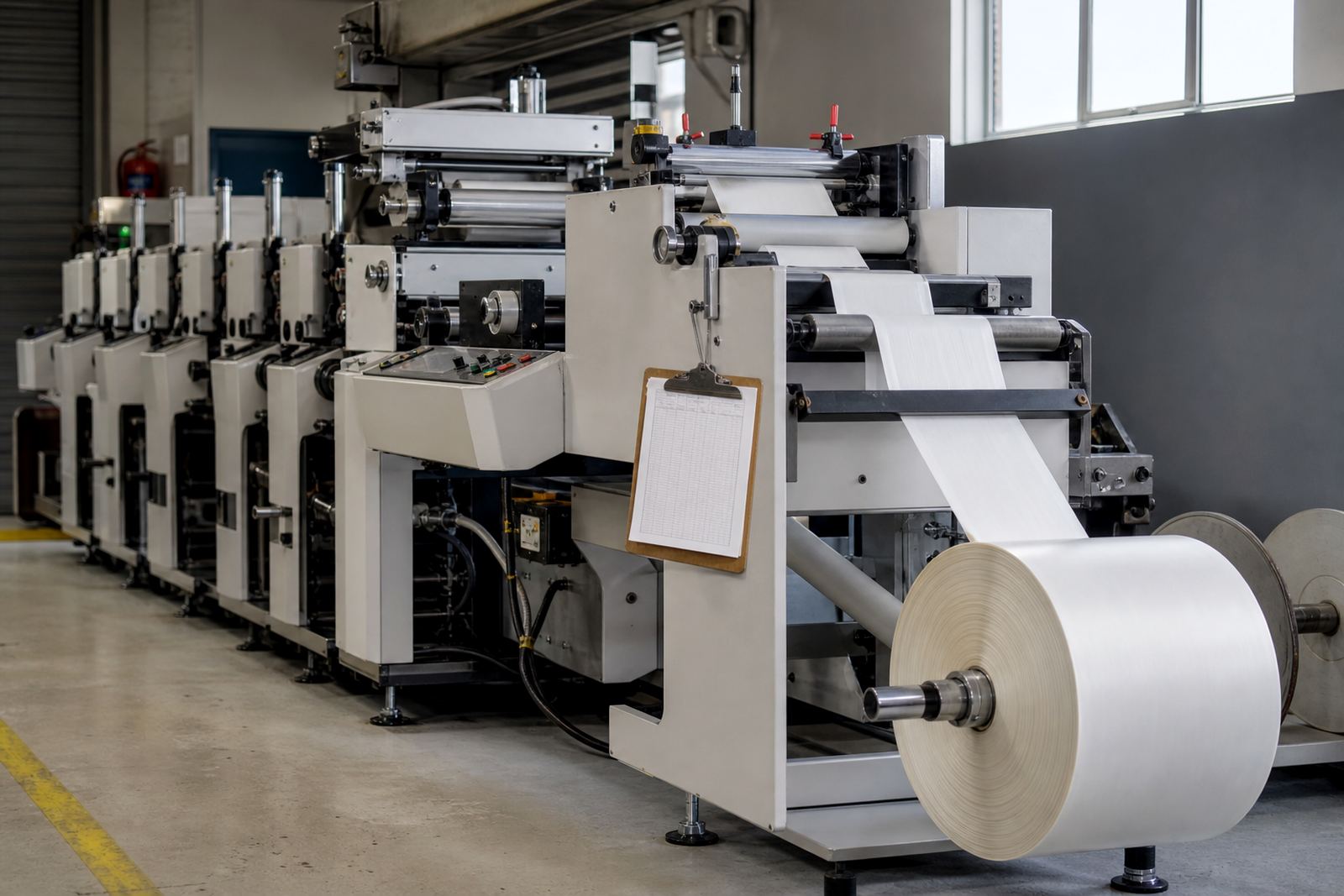
Buying a narrow-web flexo press
Choosing a press is not only about print quality. It also comes down to the labels you produce, the space you have, the skills on site, and how much support you will need after installation. A first-time buyer may need a simpler setup with strong training, while an established converter may want a press that supports more finishing options and faster job turnaround.
- Match the press to your label range, including self-adhesive, wraparound and short-run work.
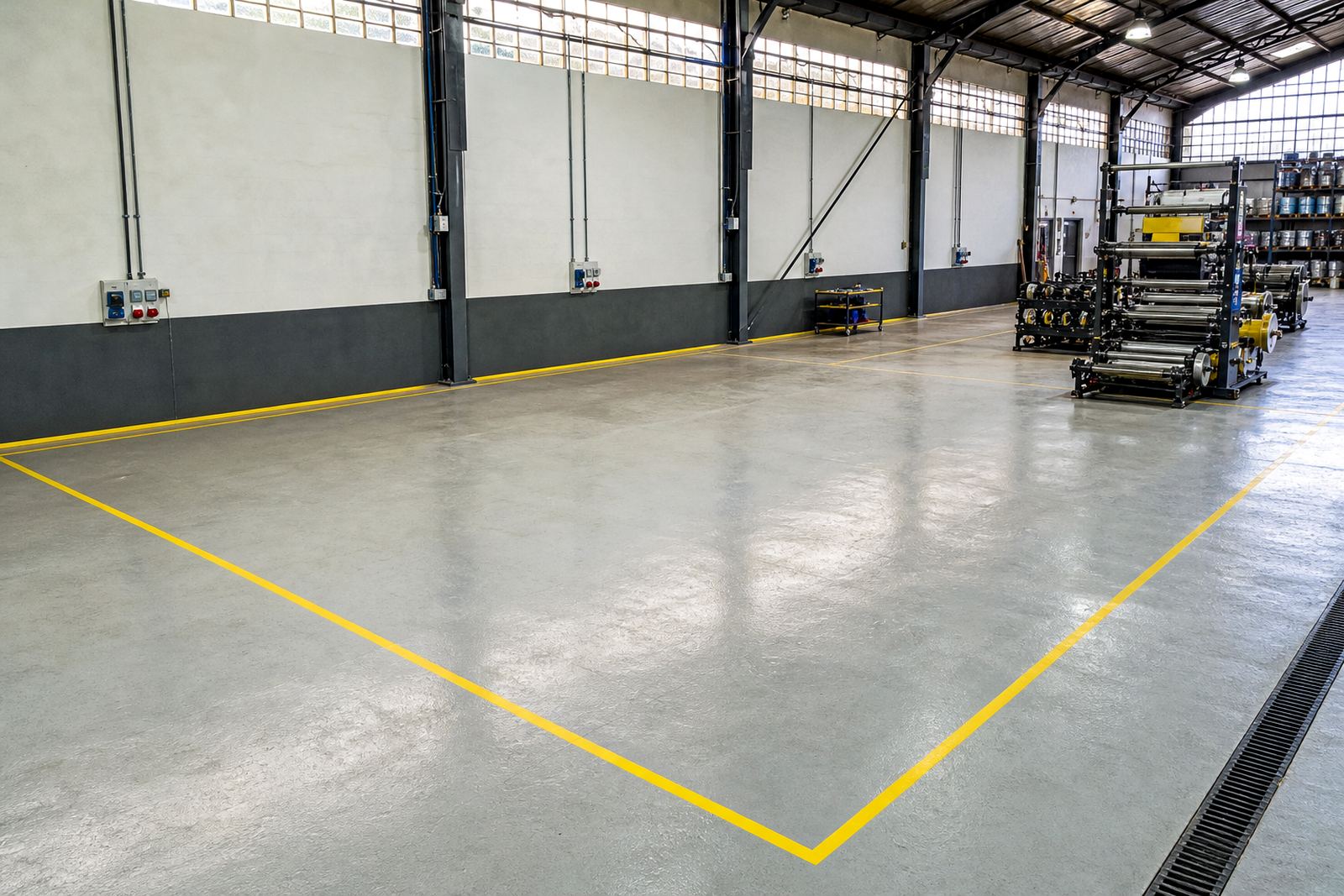
- Check how much floor space is available and whether the line fits existing material flow.
- Plan for power stability, especially where backup power or controlled shutdowns are part of daily operations.
- Think ahead about operator skill levels and the training needed after commissioning.
Setting up pressroom and finishing lines
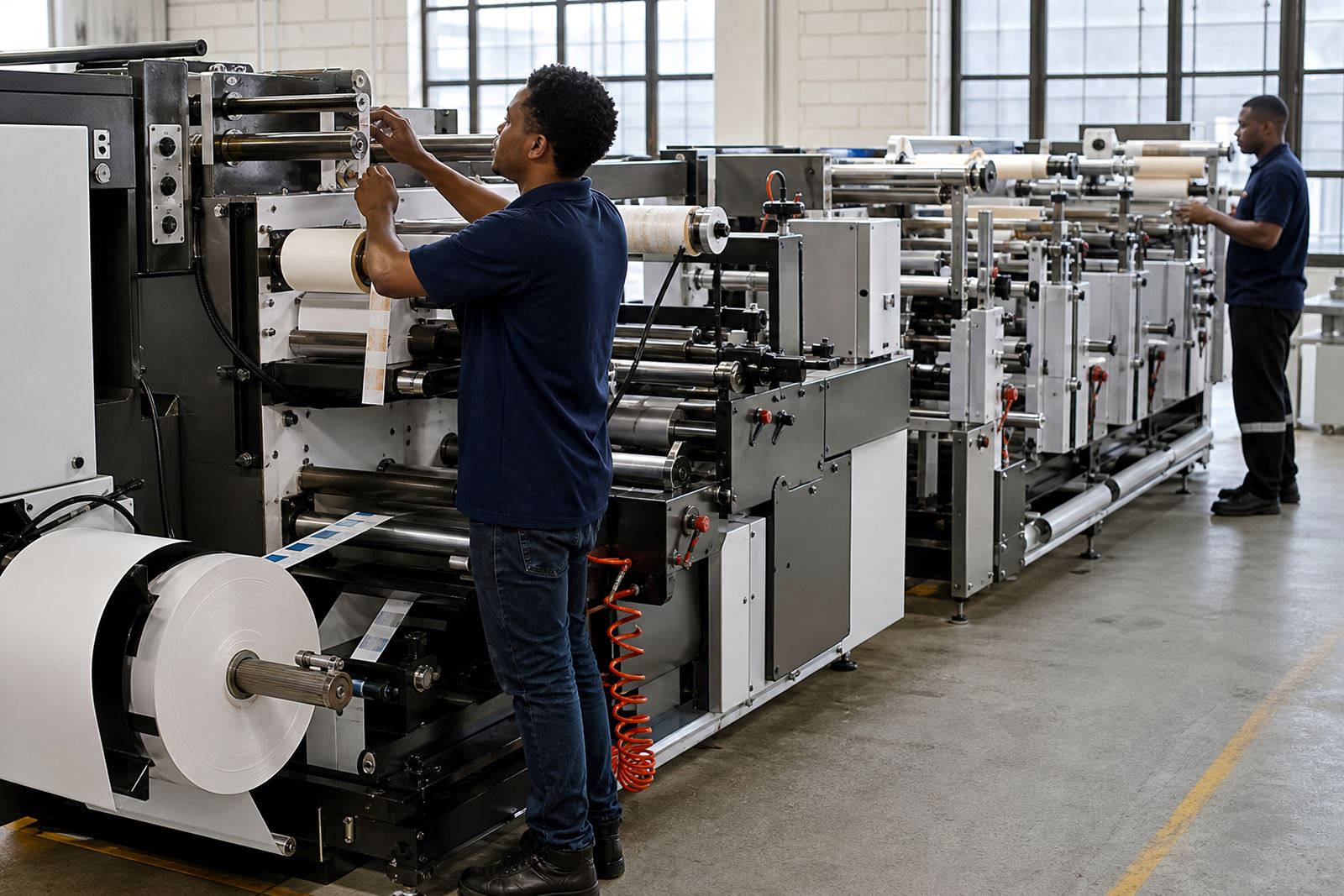
Good setup starts before the first reel goes in. Press installation, commissioning and finishing setup should be planned as one process so that print, inspection and converting all work together. If the press room is cramped or the finishing area is not aligned, production slows down and waste climbs.
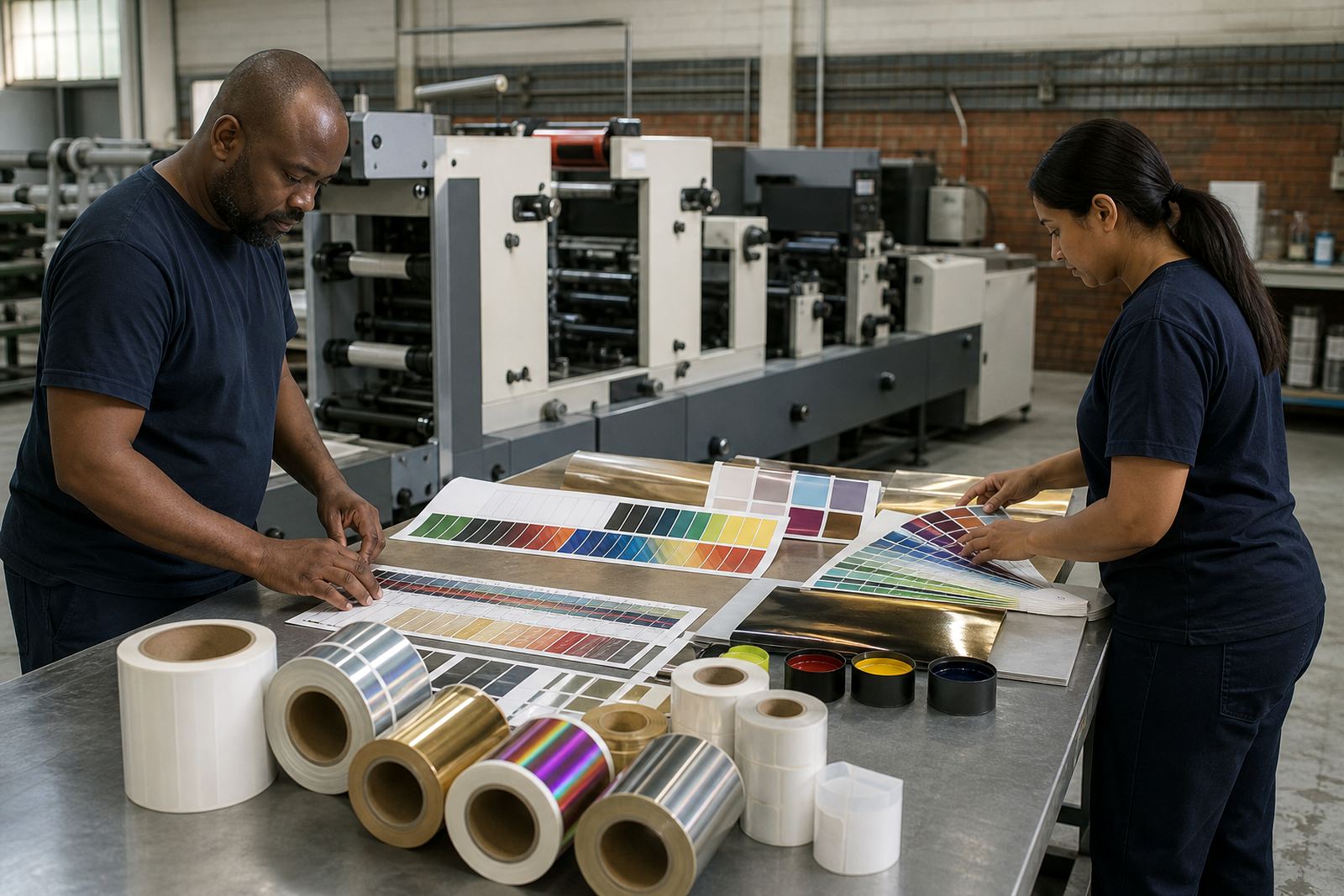
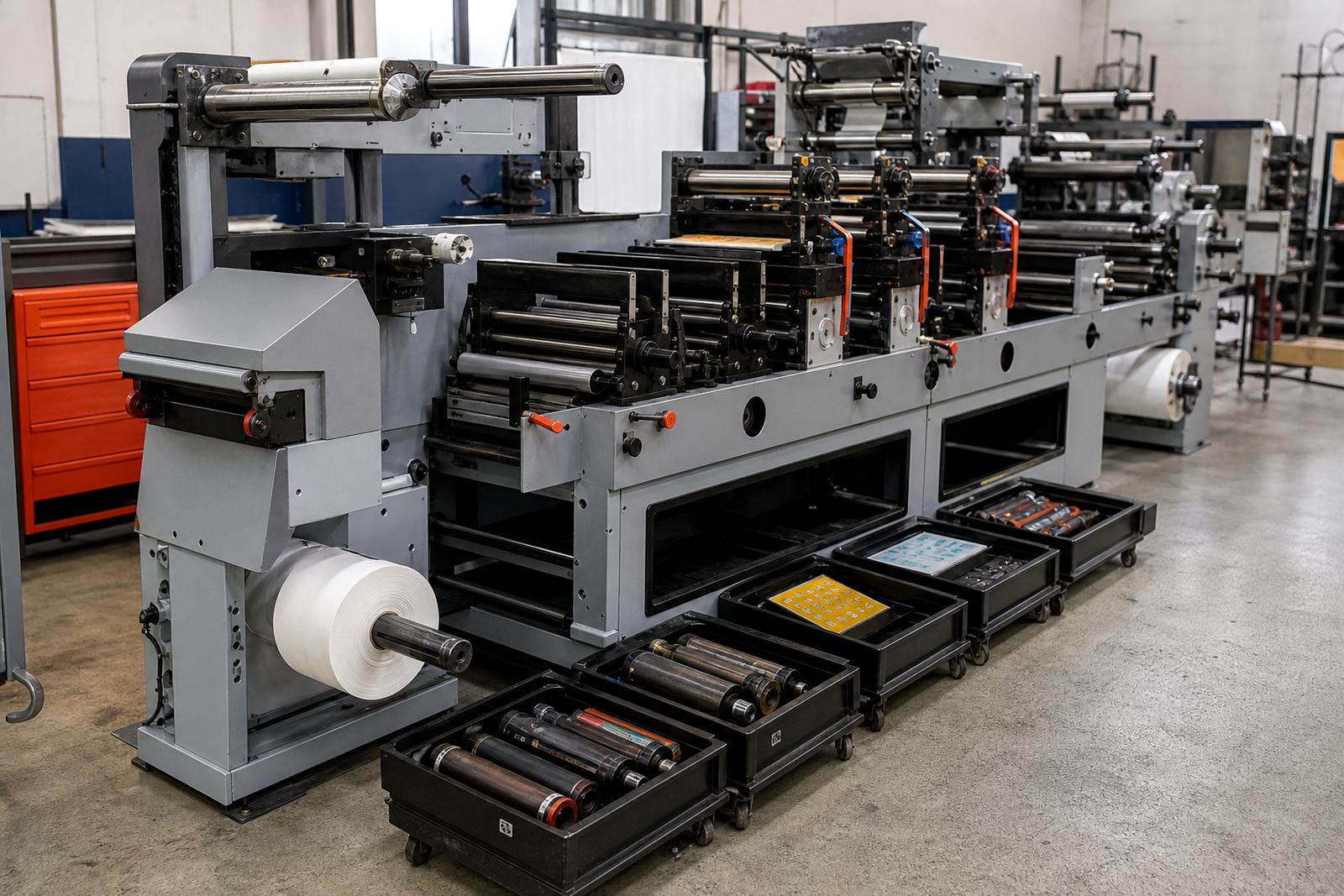
We often see small details cause the biggest delays, such as poor plate handling, awkward ink movement, or finishing equipment that is not set for the label type. A steady setup makes everyday work easier and helps the team keep quality consistent.
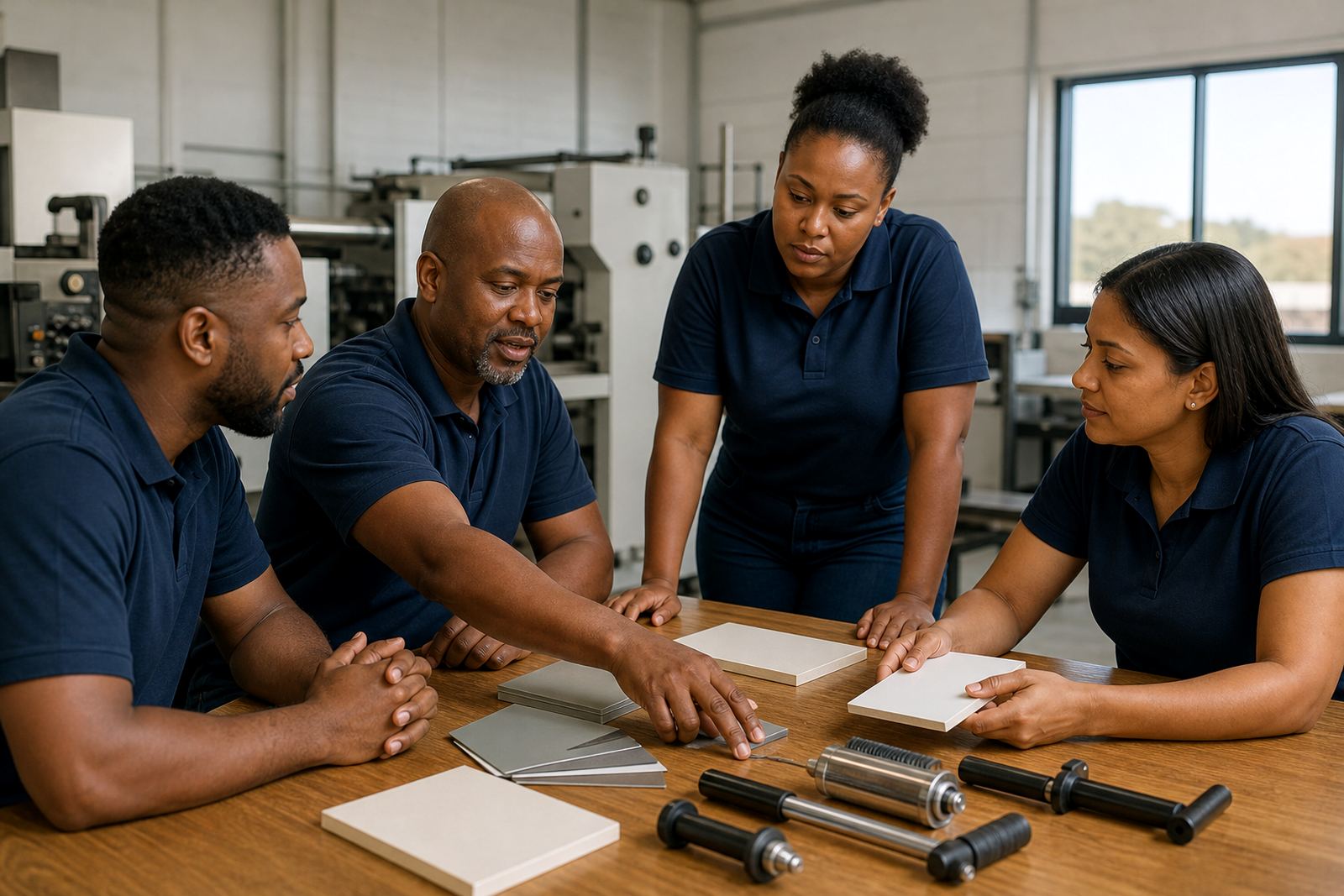
- Keep plate mounting areas clean and organised.
- Set a clear flow from press to finishing and packing.
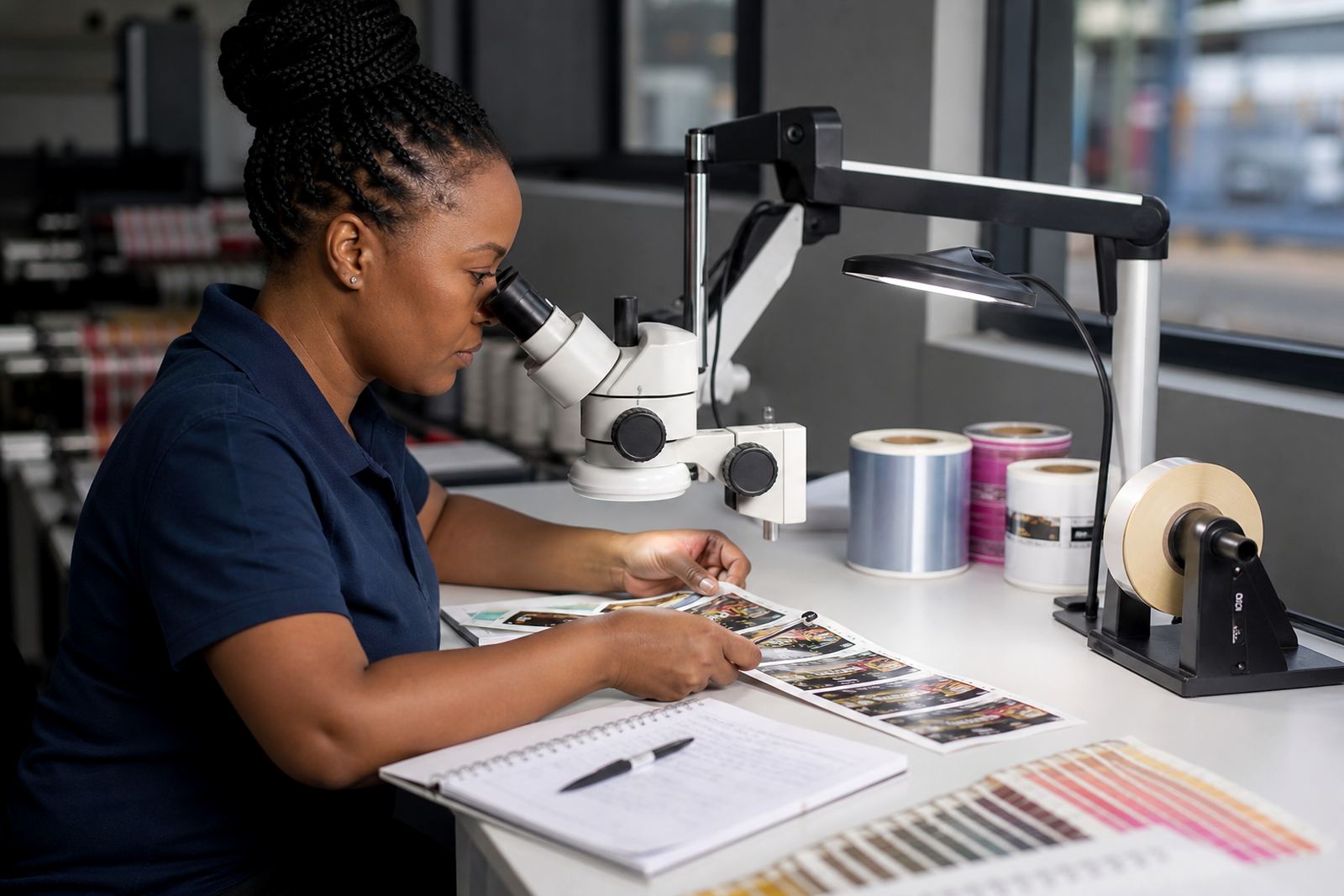
- Allow space for inspection, waste control and reel handling.
- Plan for humidity and temperature changes in coastal sites.
Training operators for consistent results
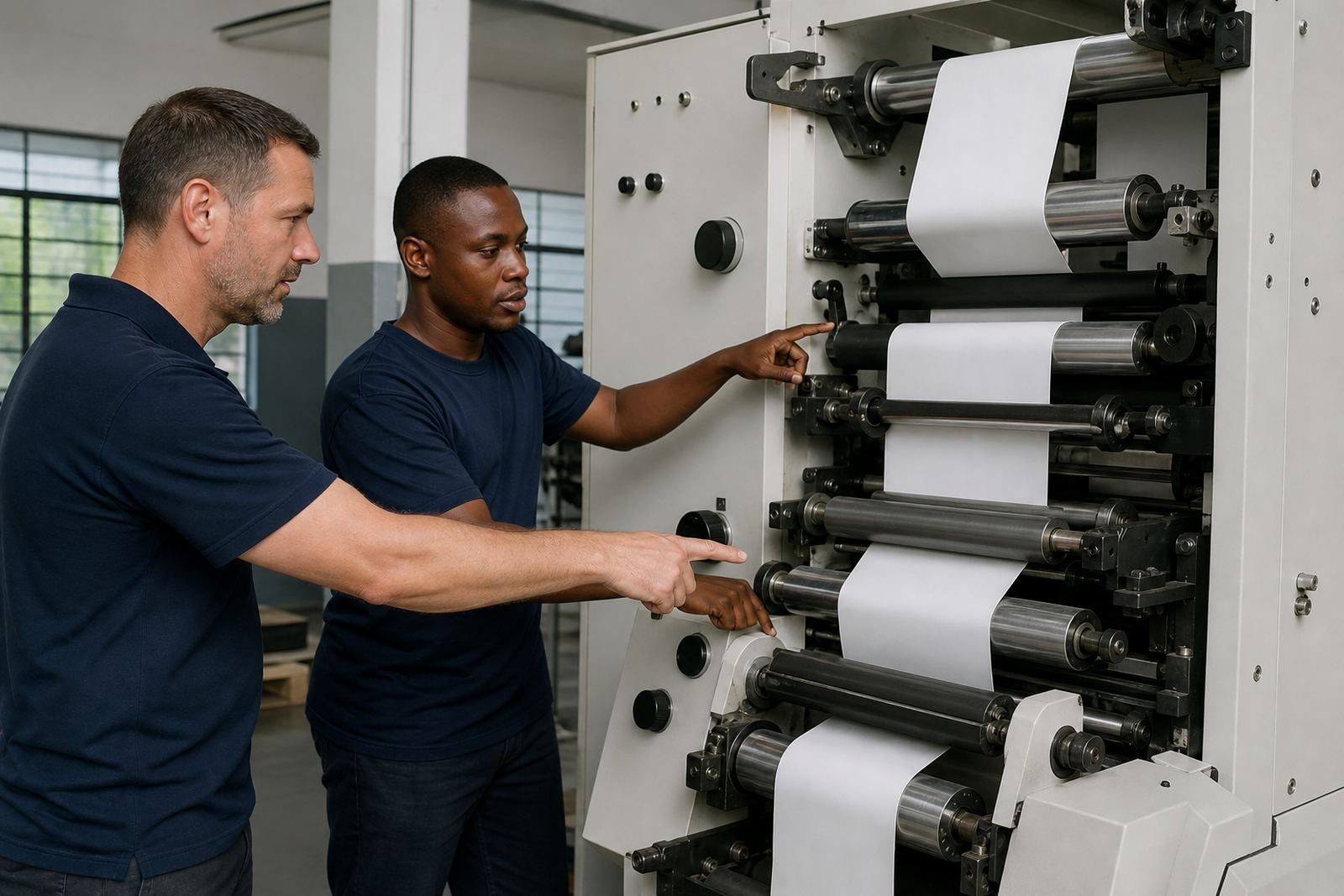
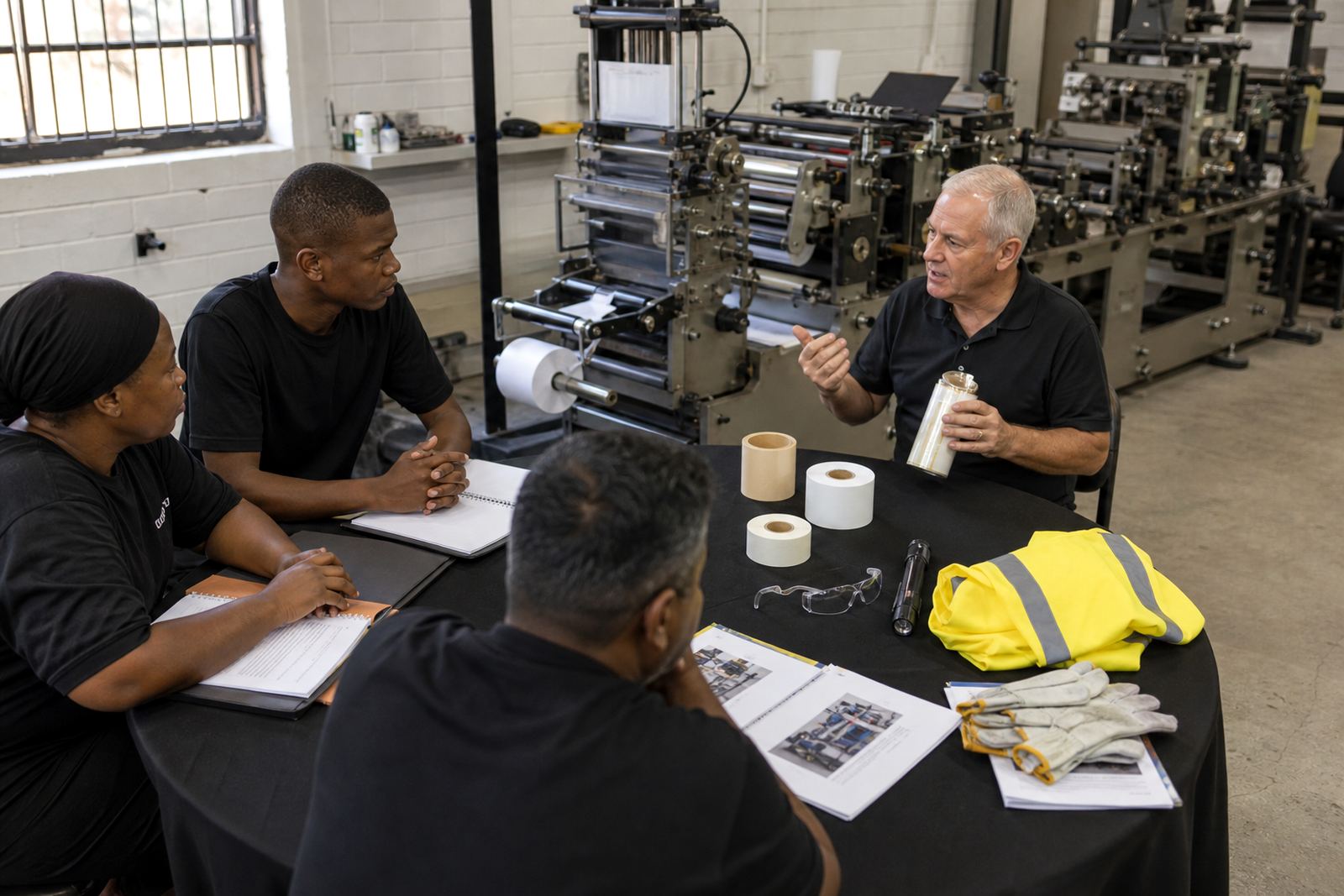
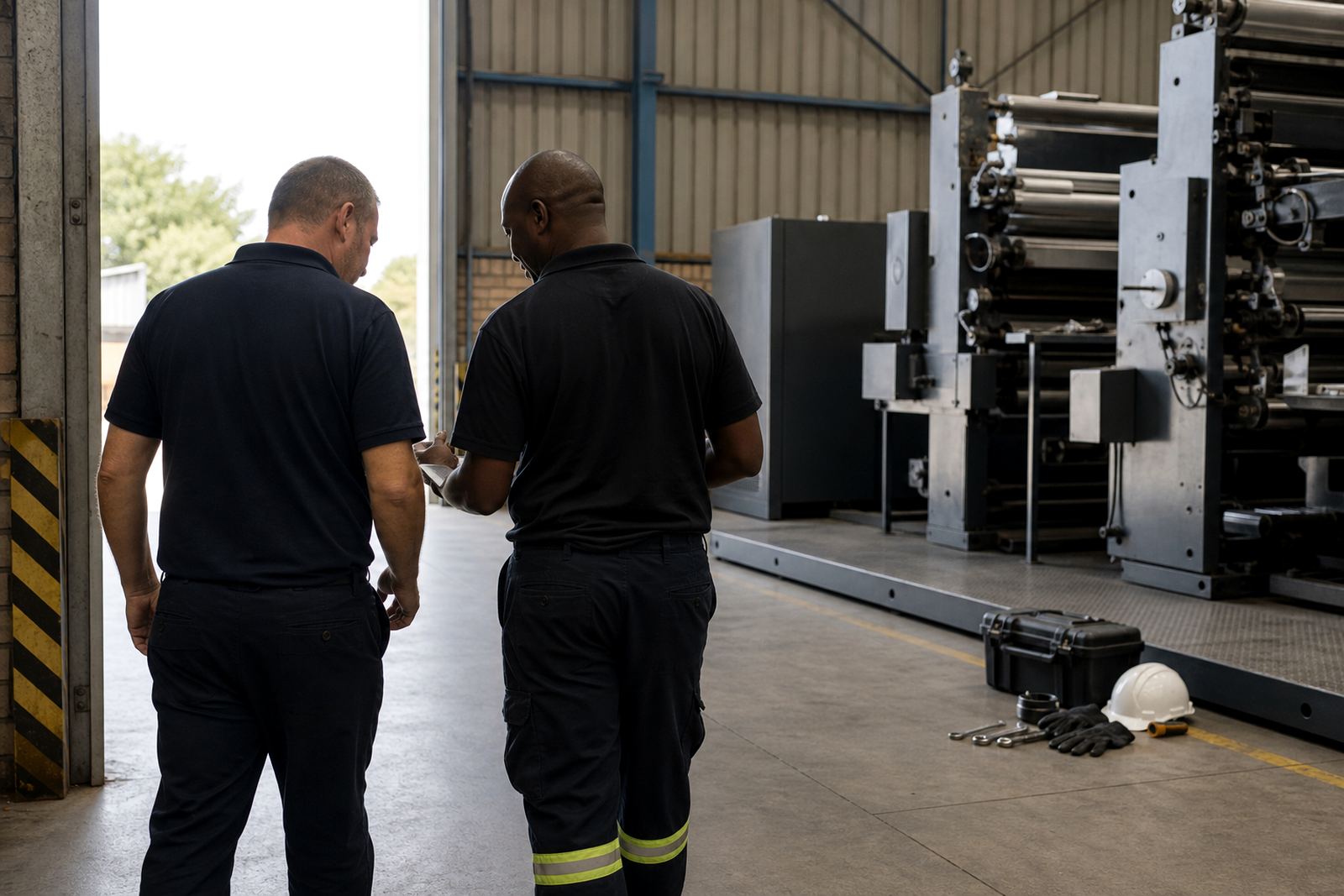
Operator training should cover more than the basics of running a press. Teams need to understand setup checks, print registration, ink handling, plate mounting, finishing setup and how to respond when a job shifts during the shift. Strong training gives the production team more confidence and reduces unnecessary stoppages.
For many businesses, the real value is not just in learning how to start the machine but in learning how to keep output steady through a full production run. That includes good housekeeping, correct start-up routines and knowing when to call for support before a small issue becomes a bigger one. A trained operator can save a lot of time, and sometimes a lot of waste too.
Maintenance and support for busy converters
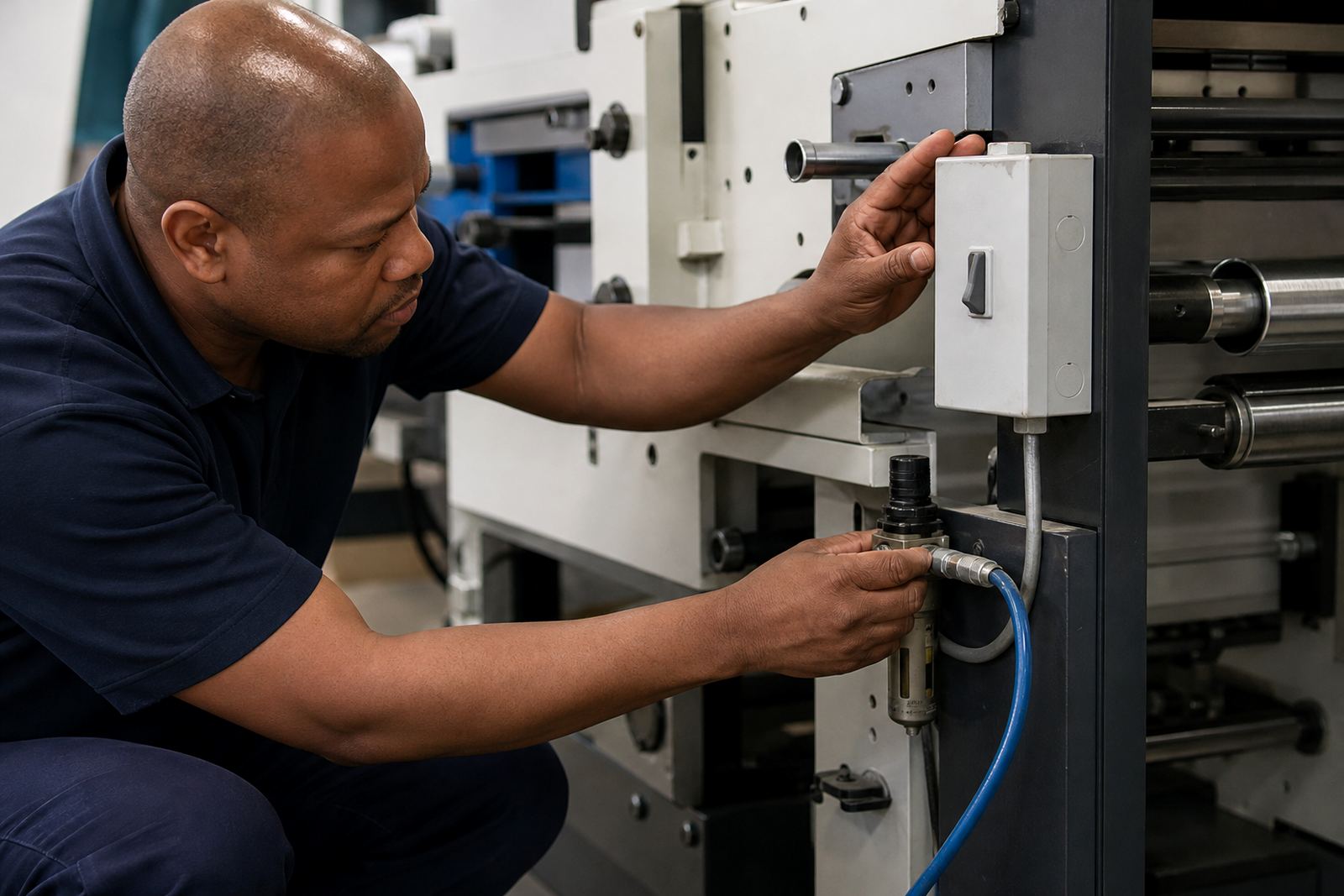
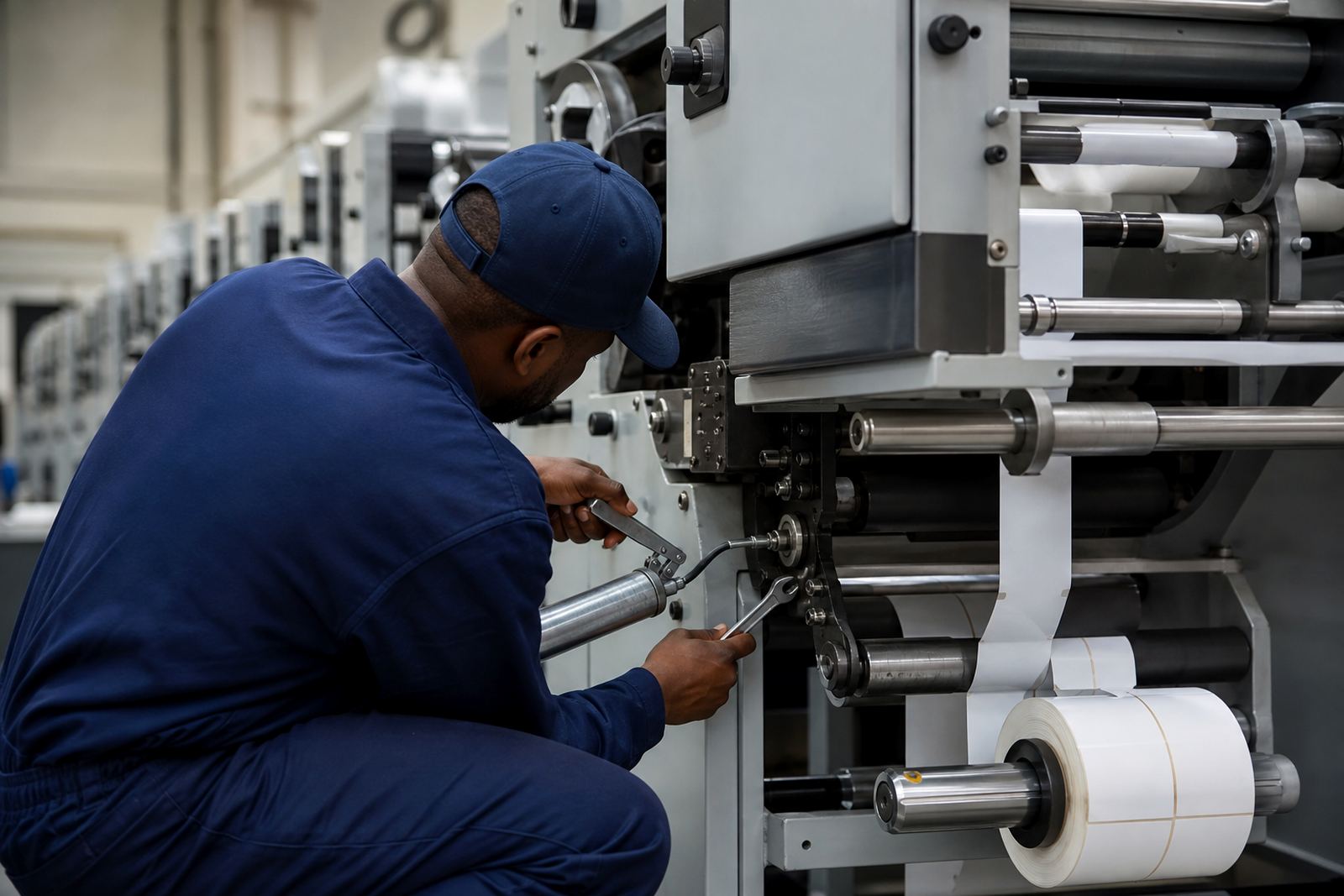
Preventive maintenance is easier to manage than emergency repairs. A planned service approach helps protect press performance, keeps parts in better condition and reduces the pressure on teams when deadlines are tight. This matters even more when a site depends on short lead times or works with repeat jobs that must match previous runs.
Our support pages also cover breakdown support, remote support, spare parts support, anilox care and production consulting. That way a converter can choose the help that fits the problem, whether it is a mechanical issue, a print quality concern or a production bottleneck.
- Follow a regular maintenance schedule rather than waiting for faults.
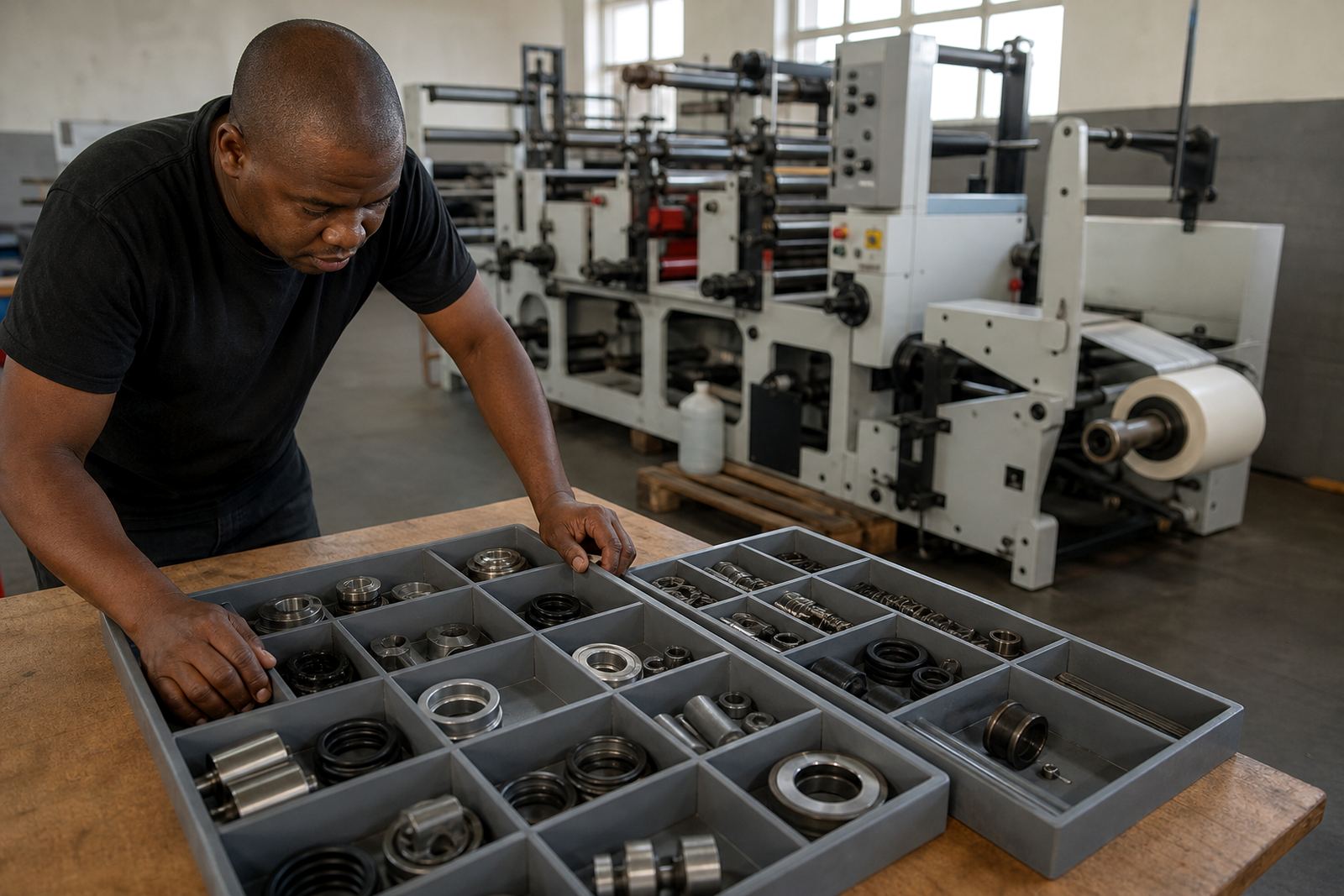
- Keep spare parts and consumables planned in advance.
- Inspect rollers, plates and finishing components before they affect output.
- Use remote support when you need quick guidance on a live job.
Finding the right guide for your operation
Different businesses need different guidance. A startup converter may need help with installation, commissioning and operator confidence. A mature plant may be more focused on finishing setup, production consulting and getting more from existing equipment. The right guide depends on where you are now and what you want the press room to do next.
Below, the listing cards are grouped by topic so you can move straight to the area that matters most. Whether you are preparing to buy, building a team, or sorting out daily production issues, the guides are set out to help you compare options and make practical decisions for your label business.