

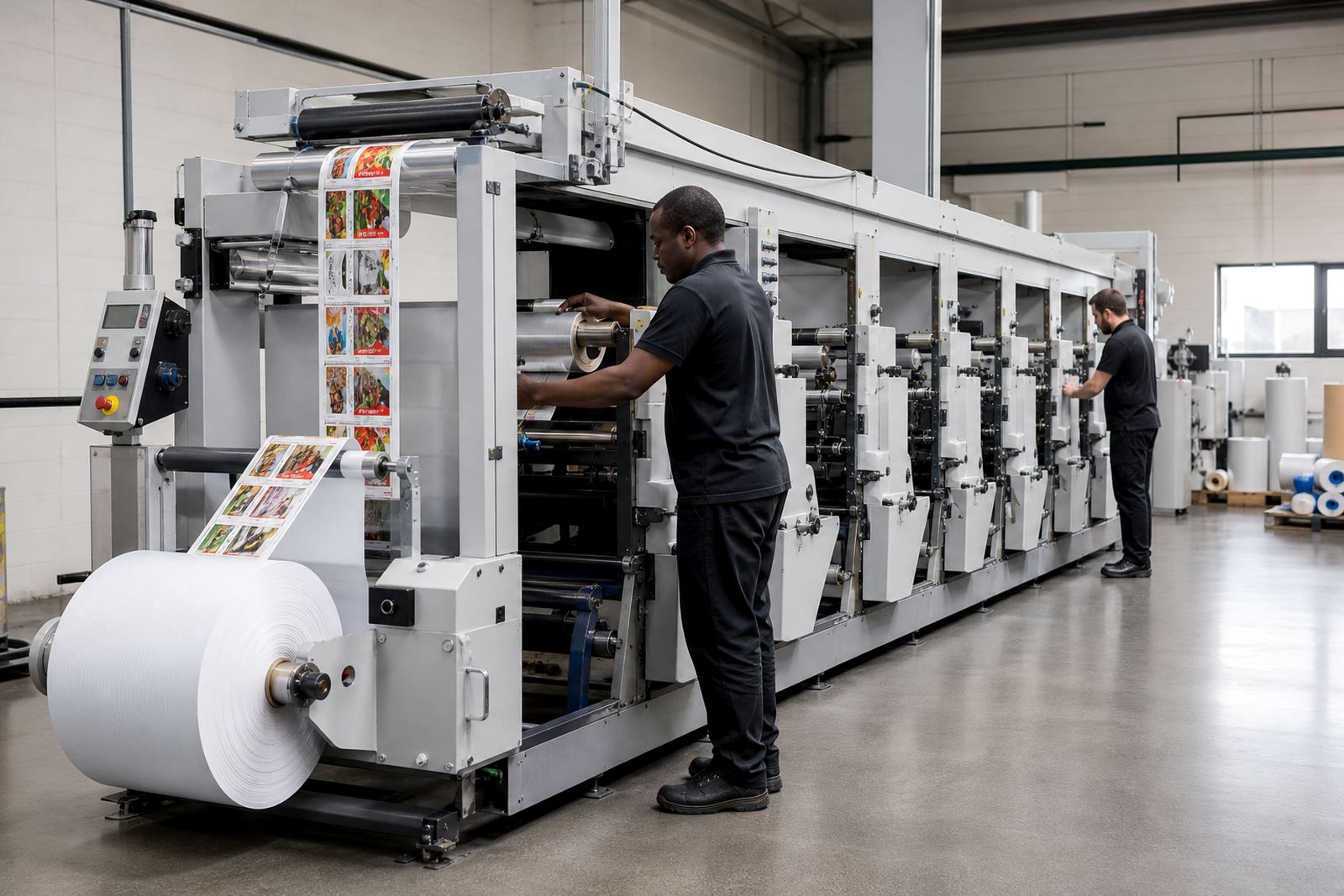
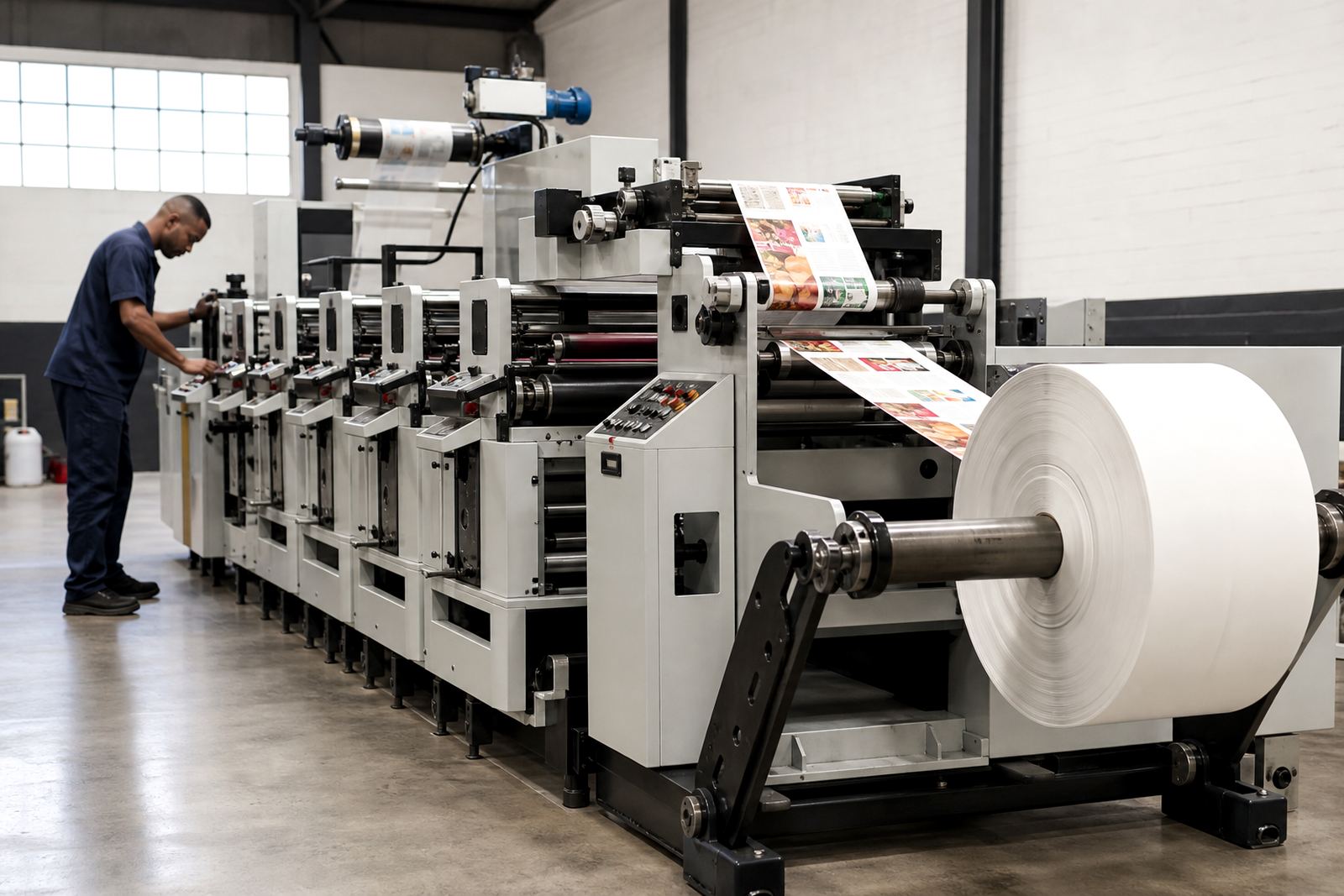
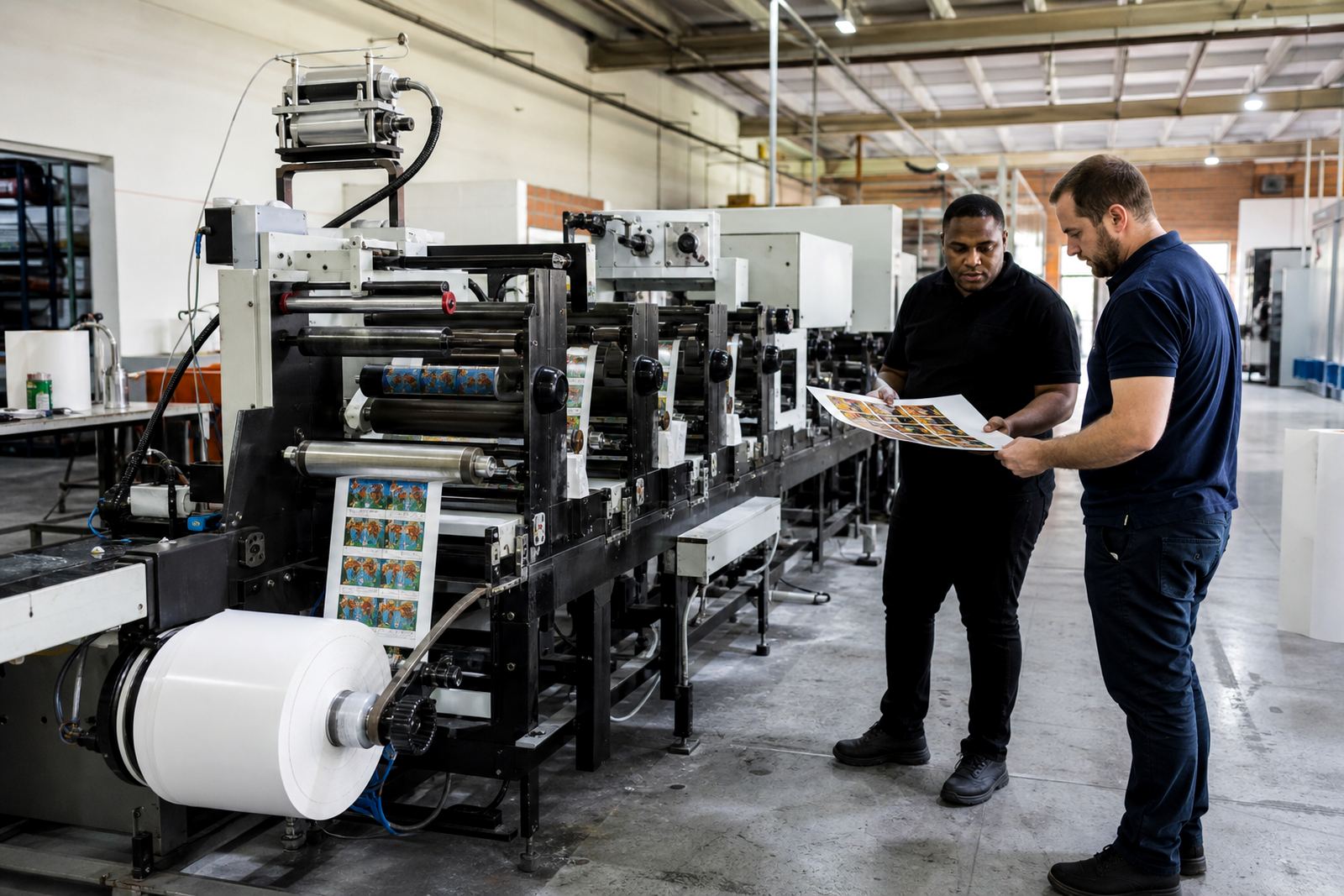
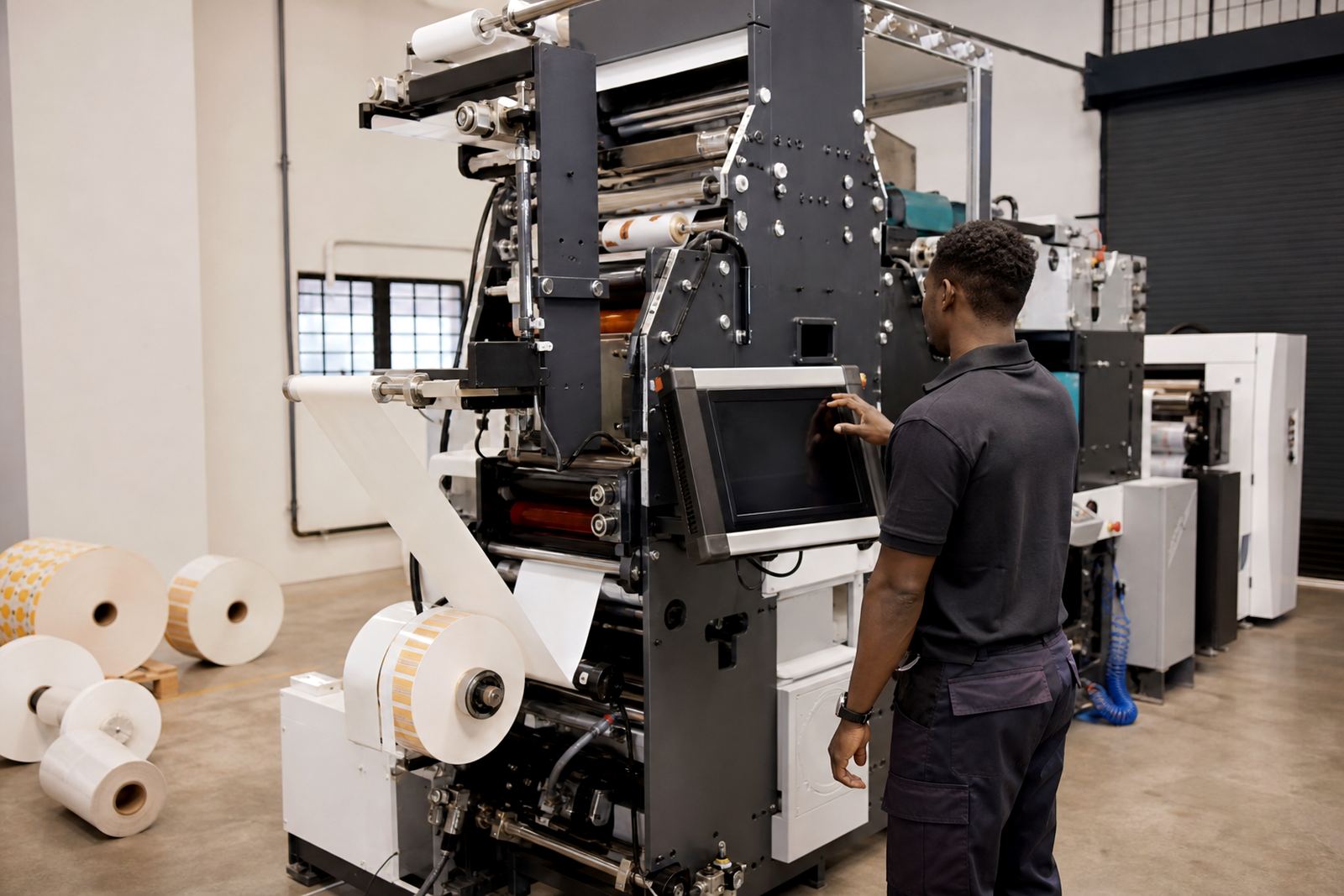
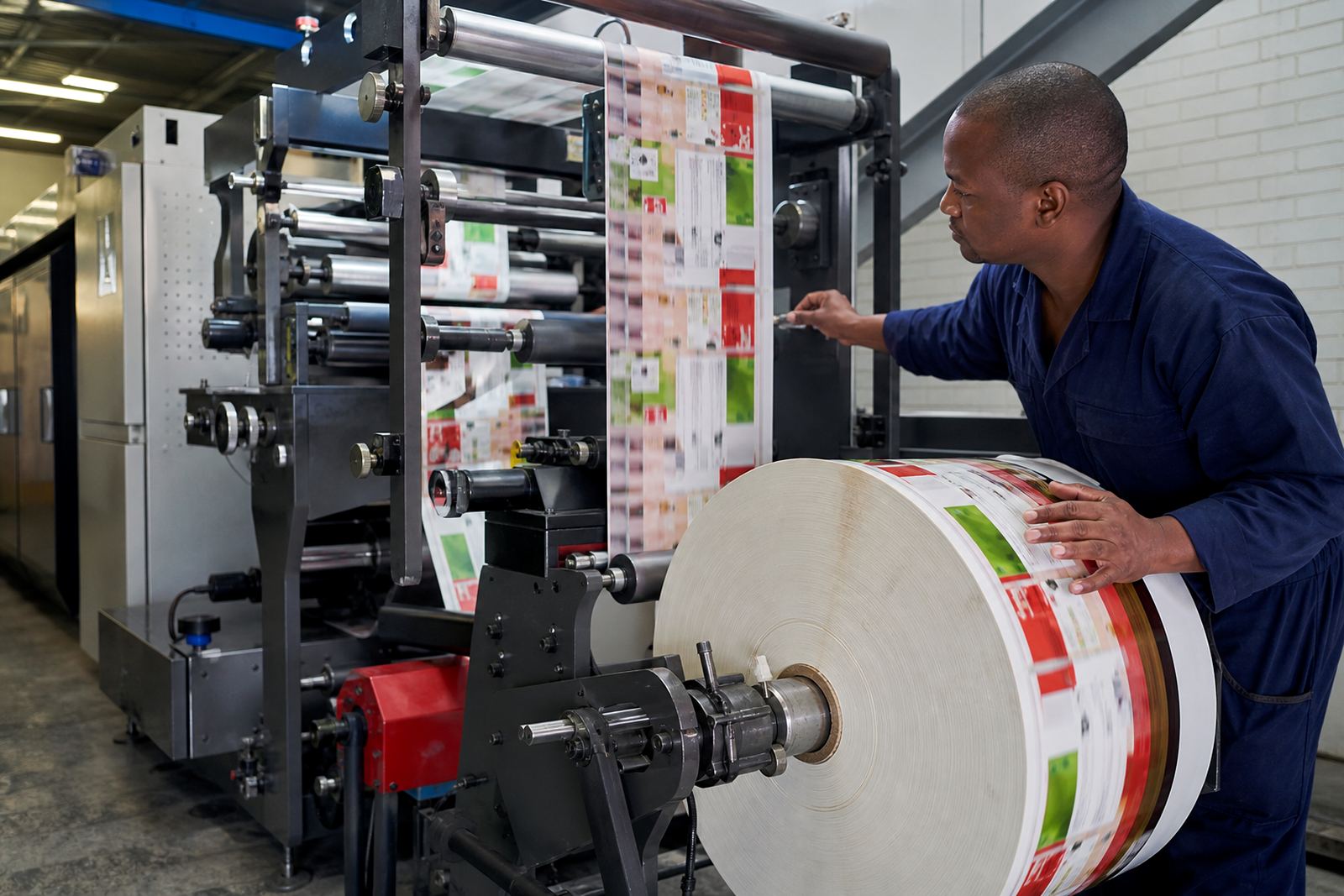
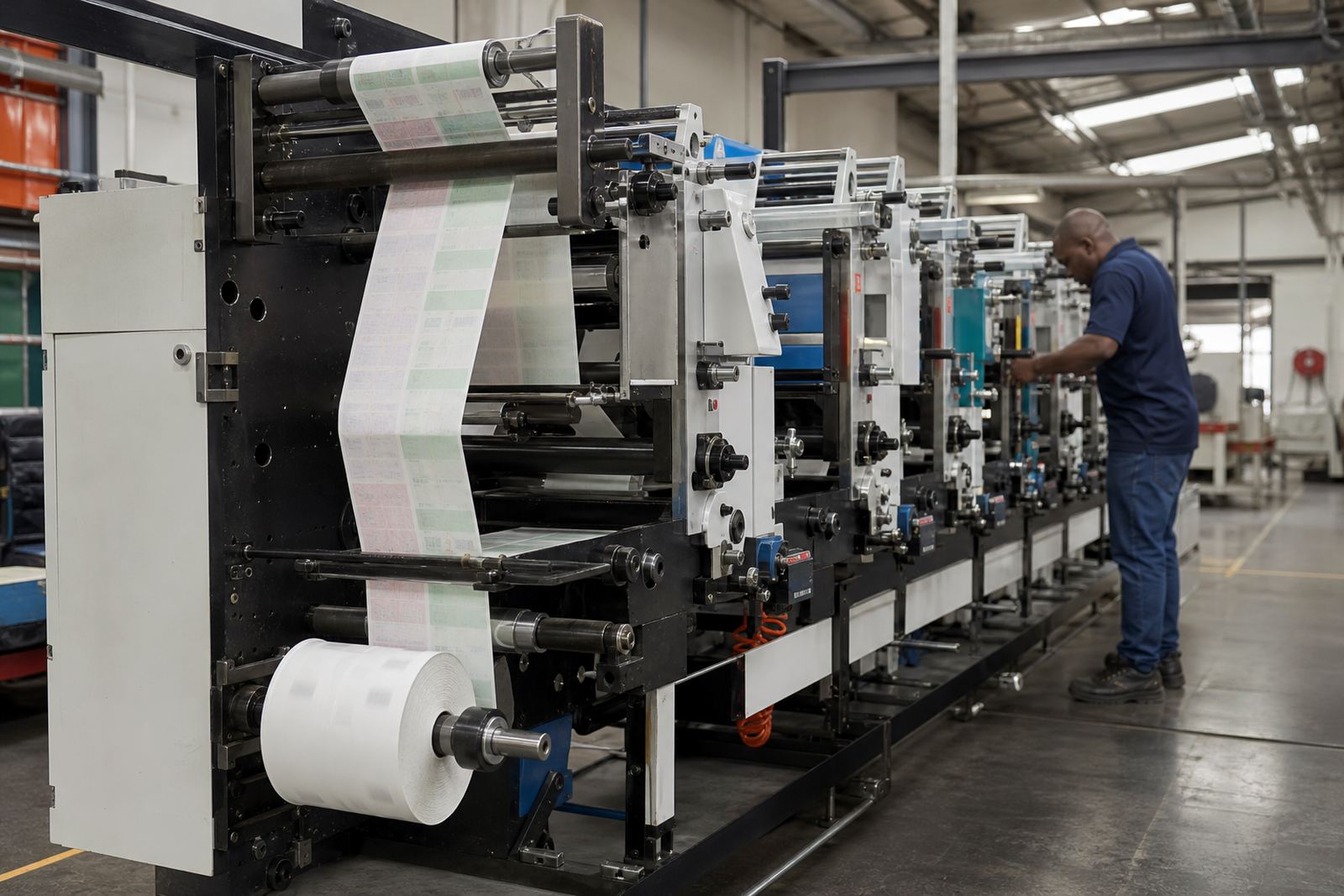
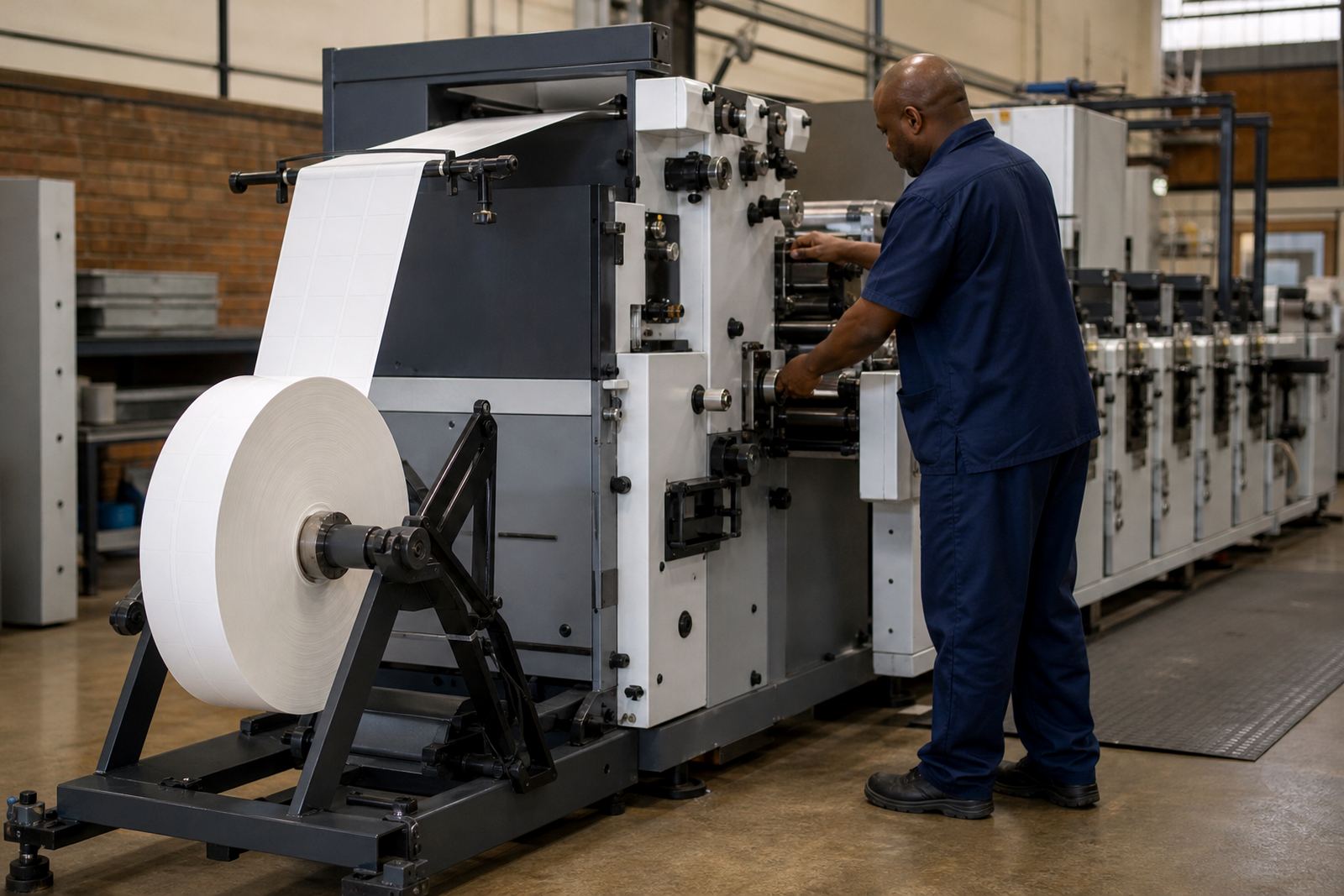
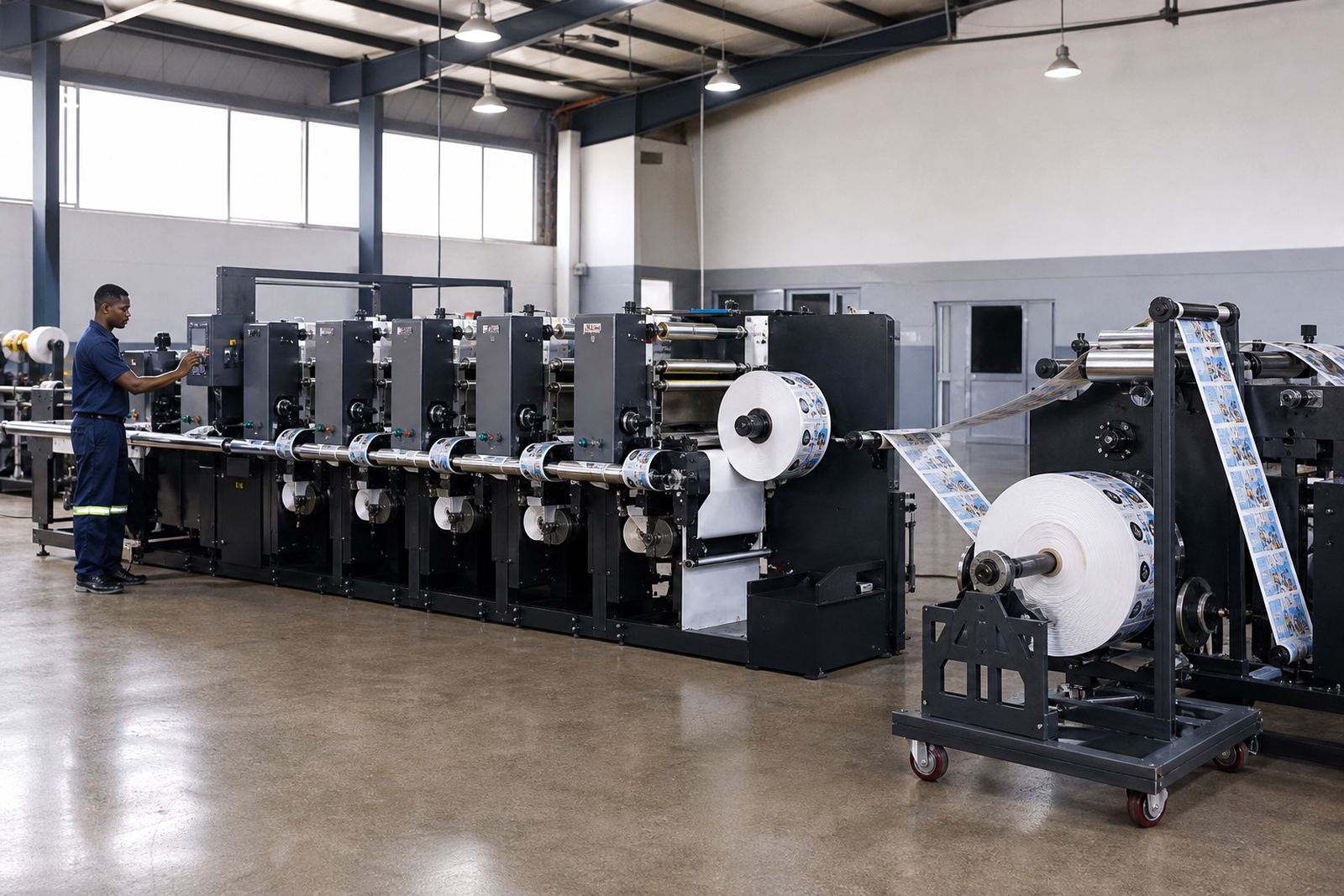
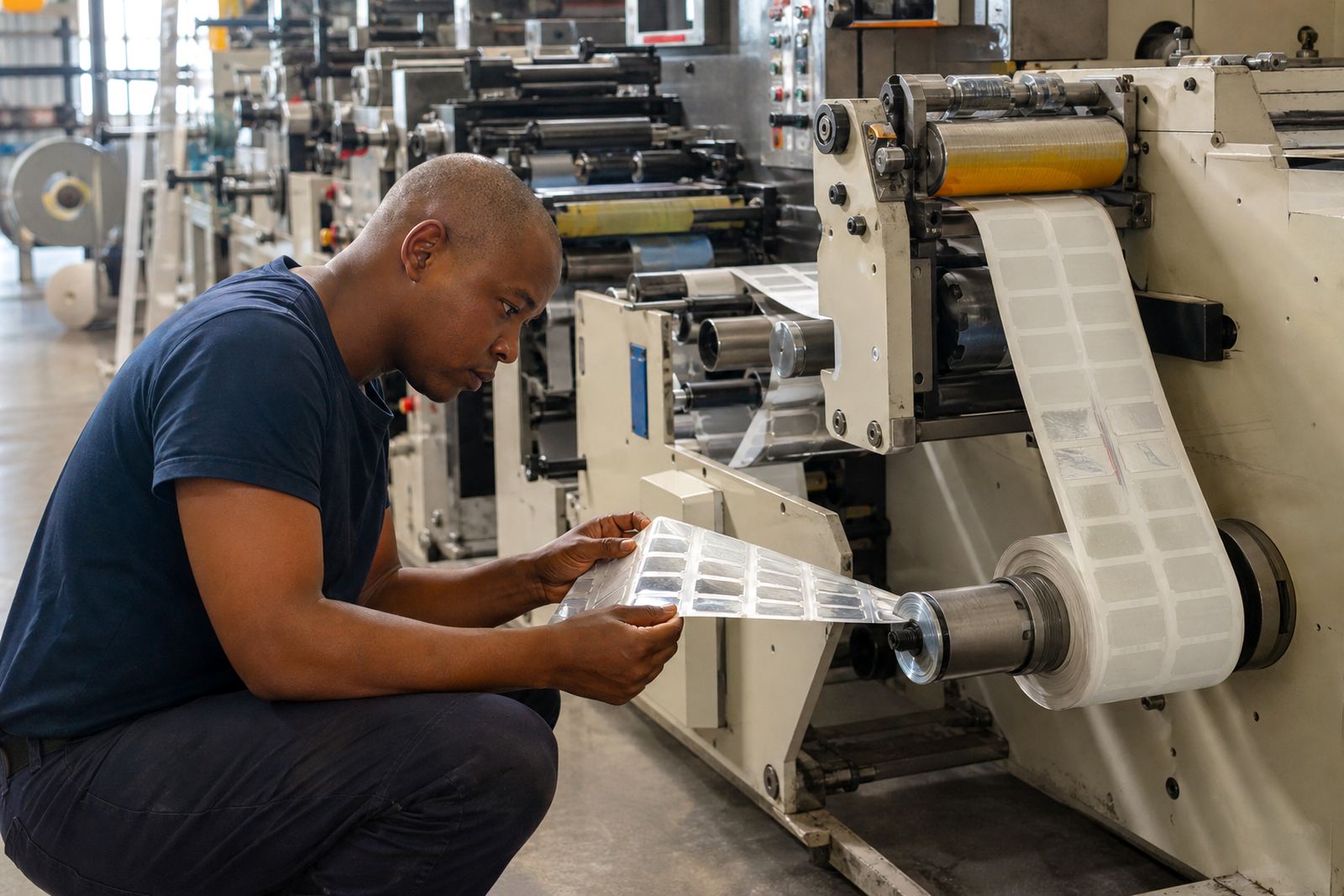
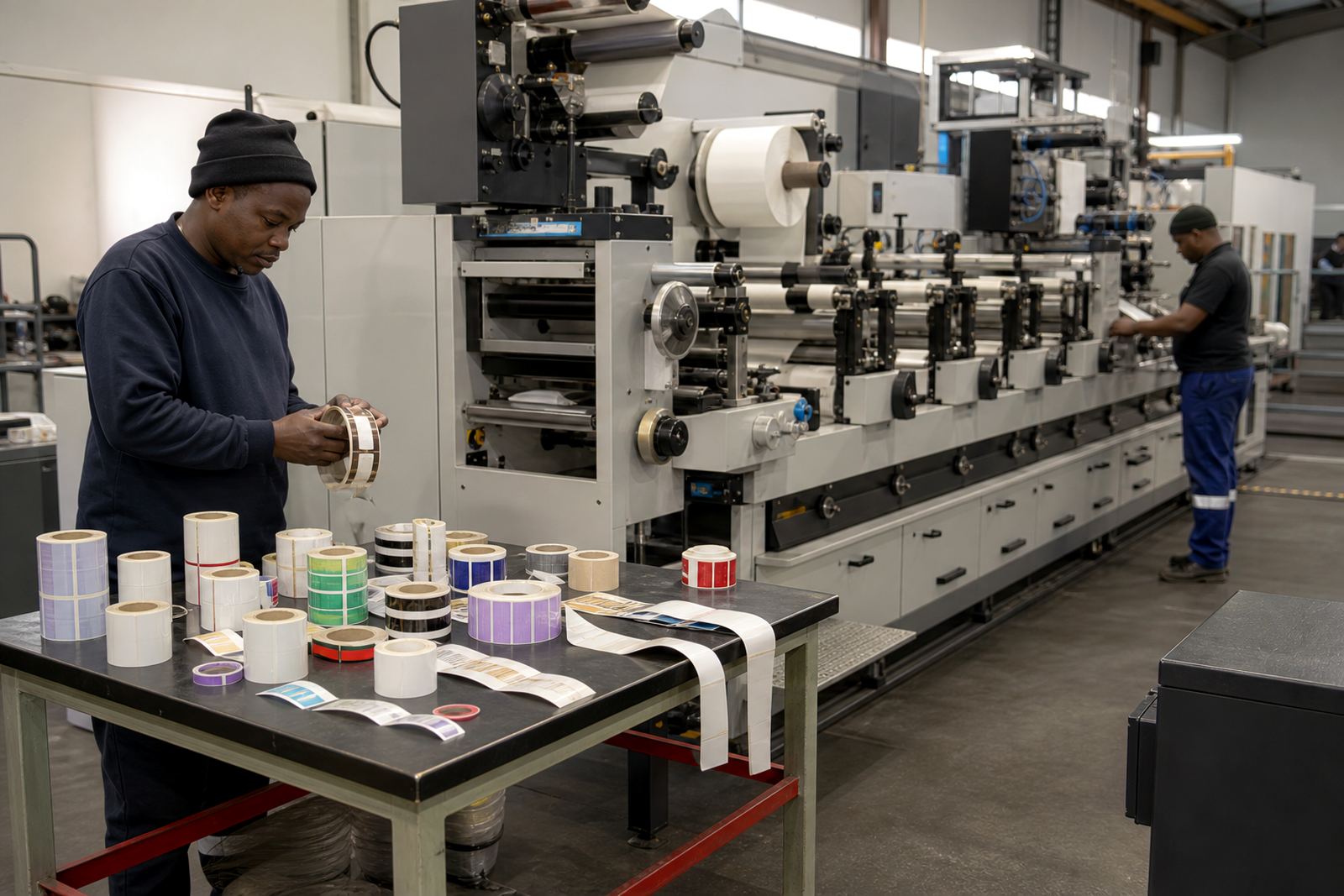
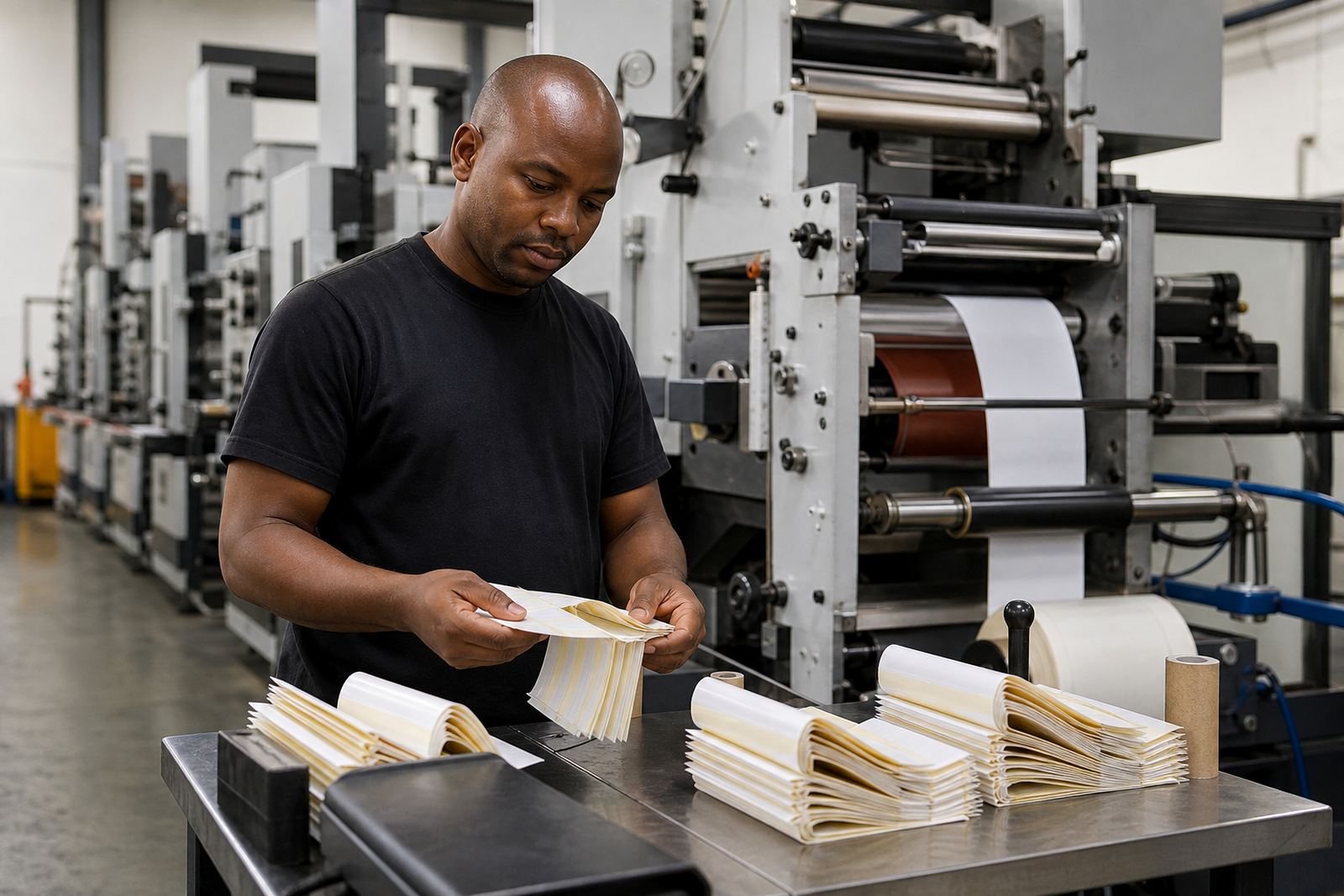
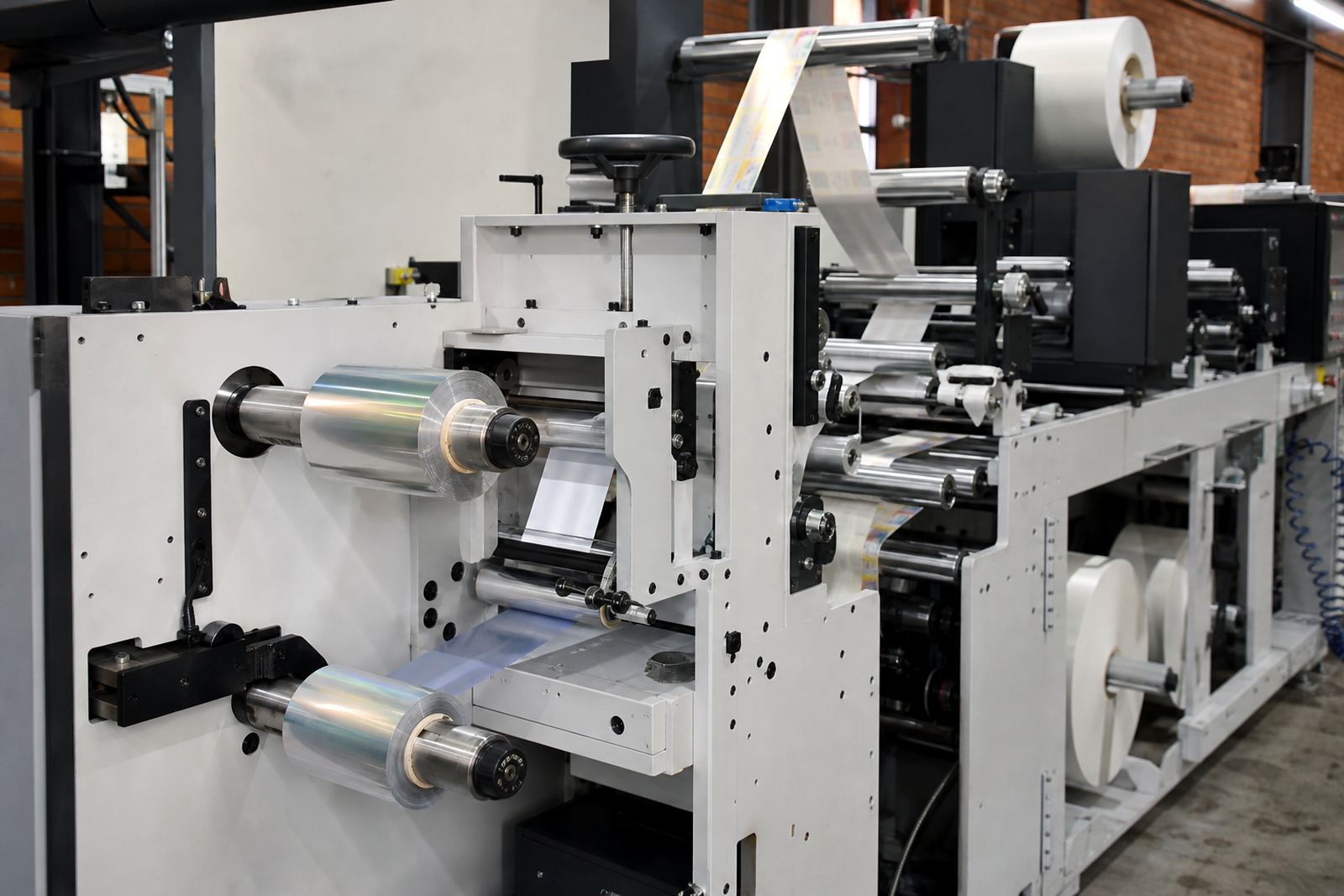
Narrow-web presses for everyday label work
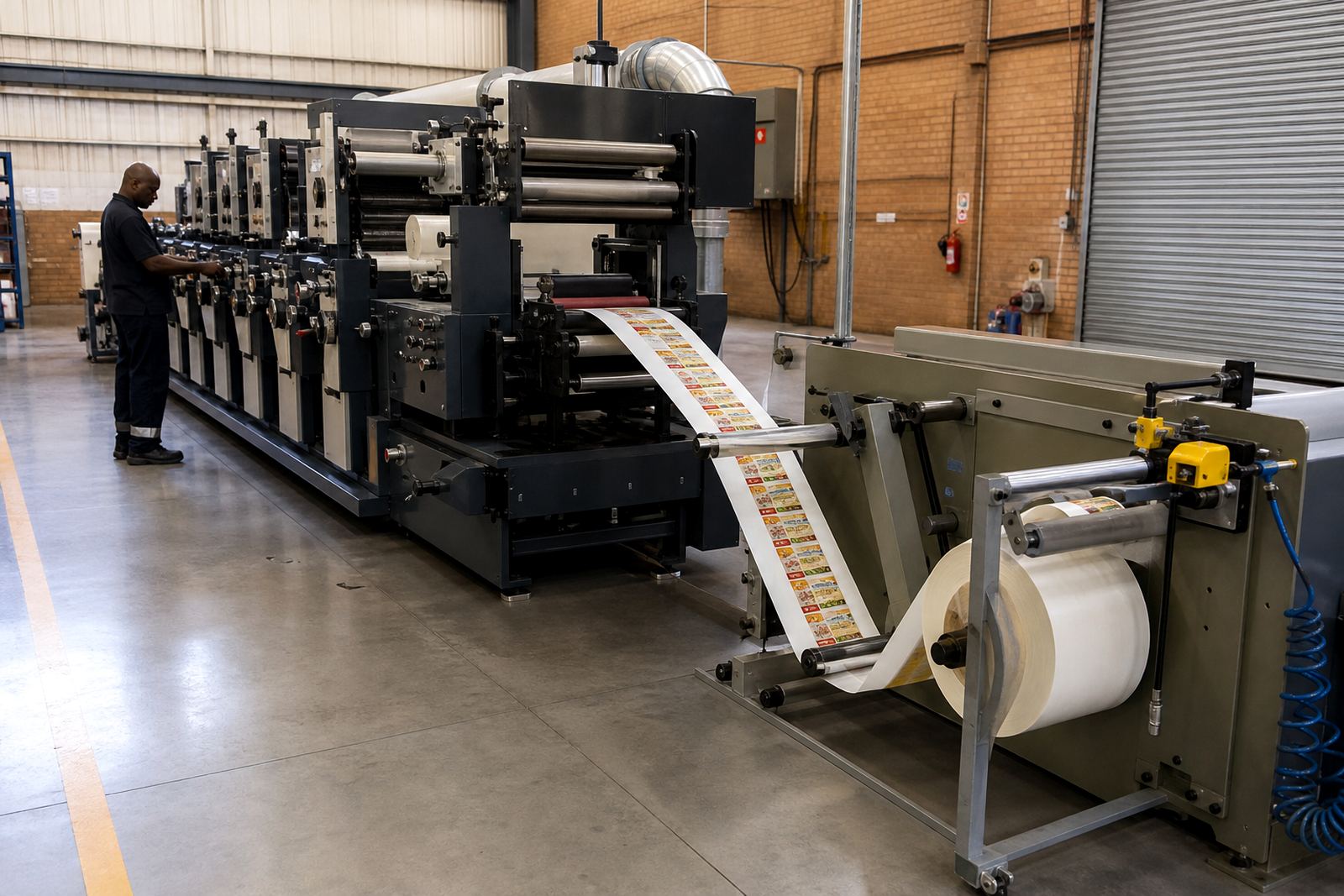
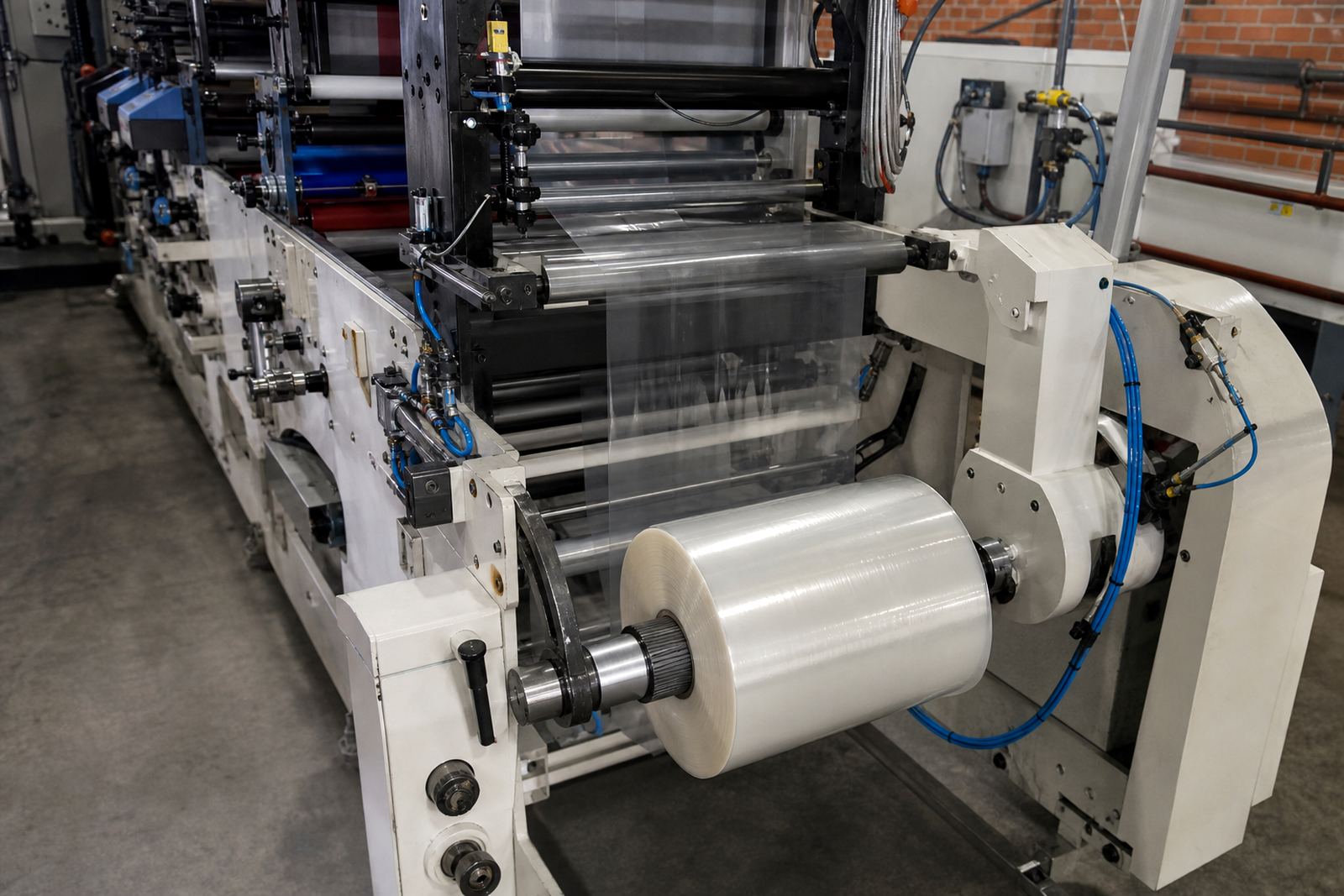
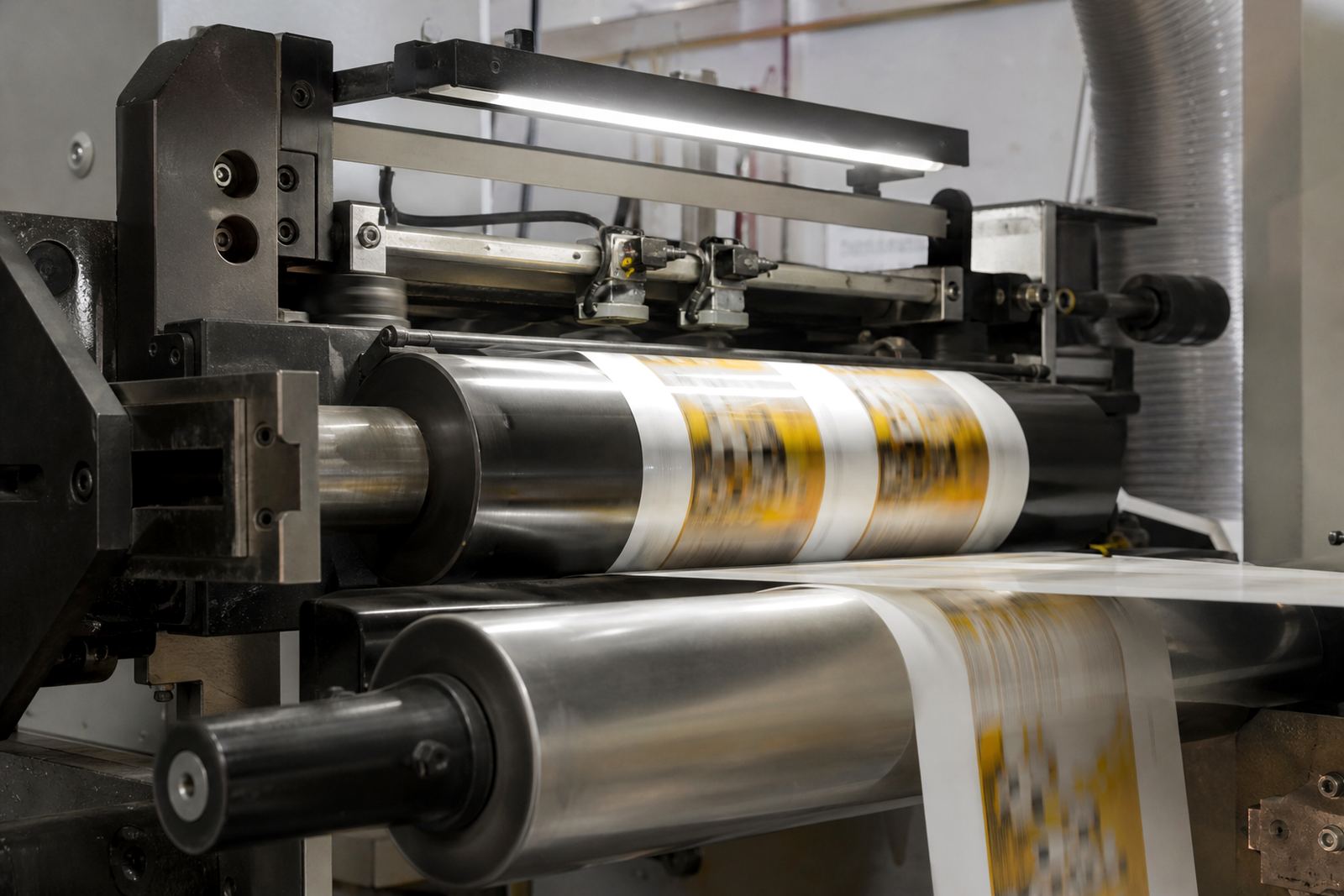
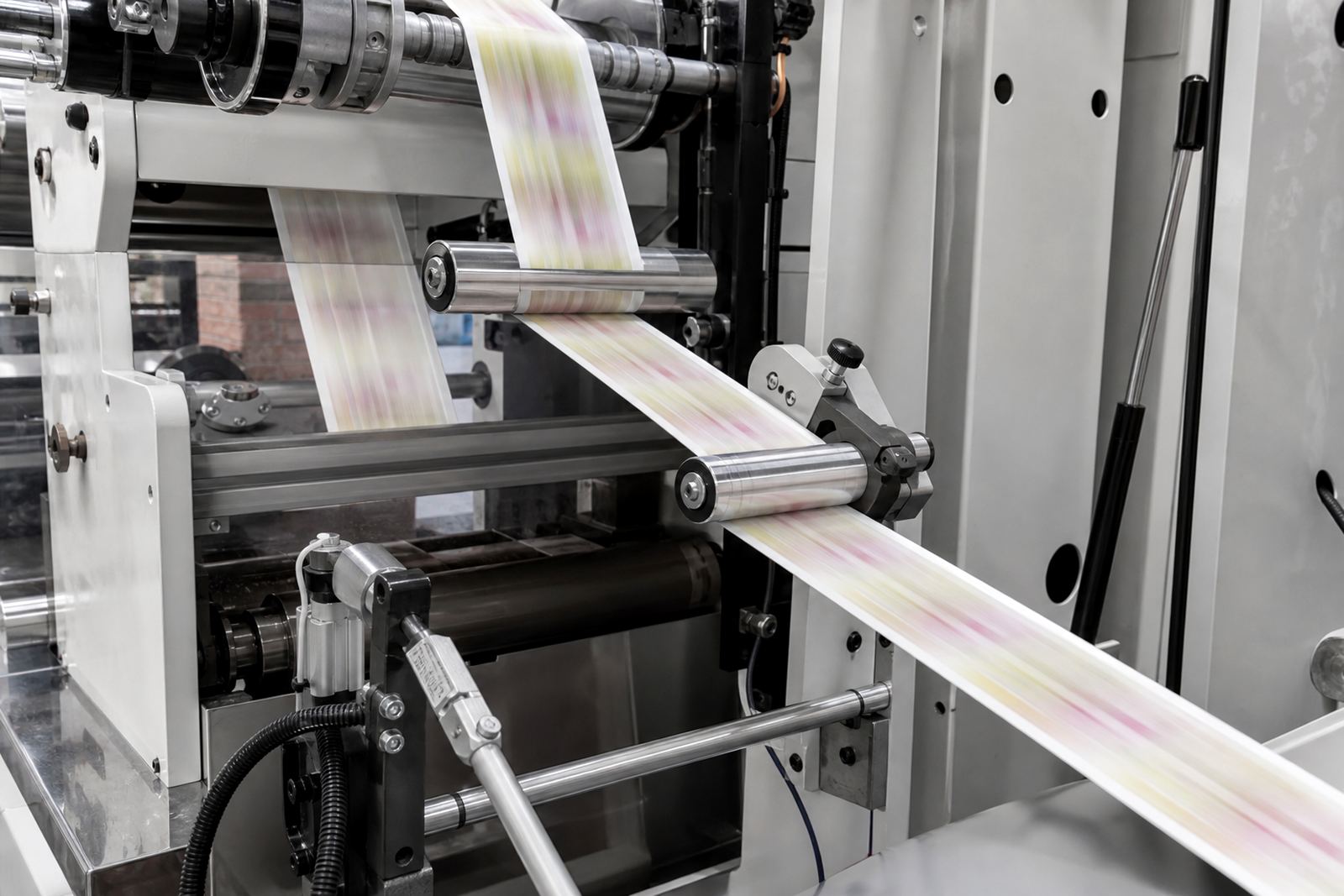
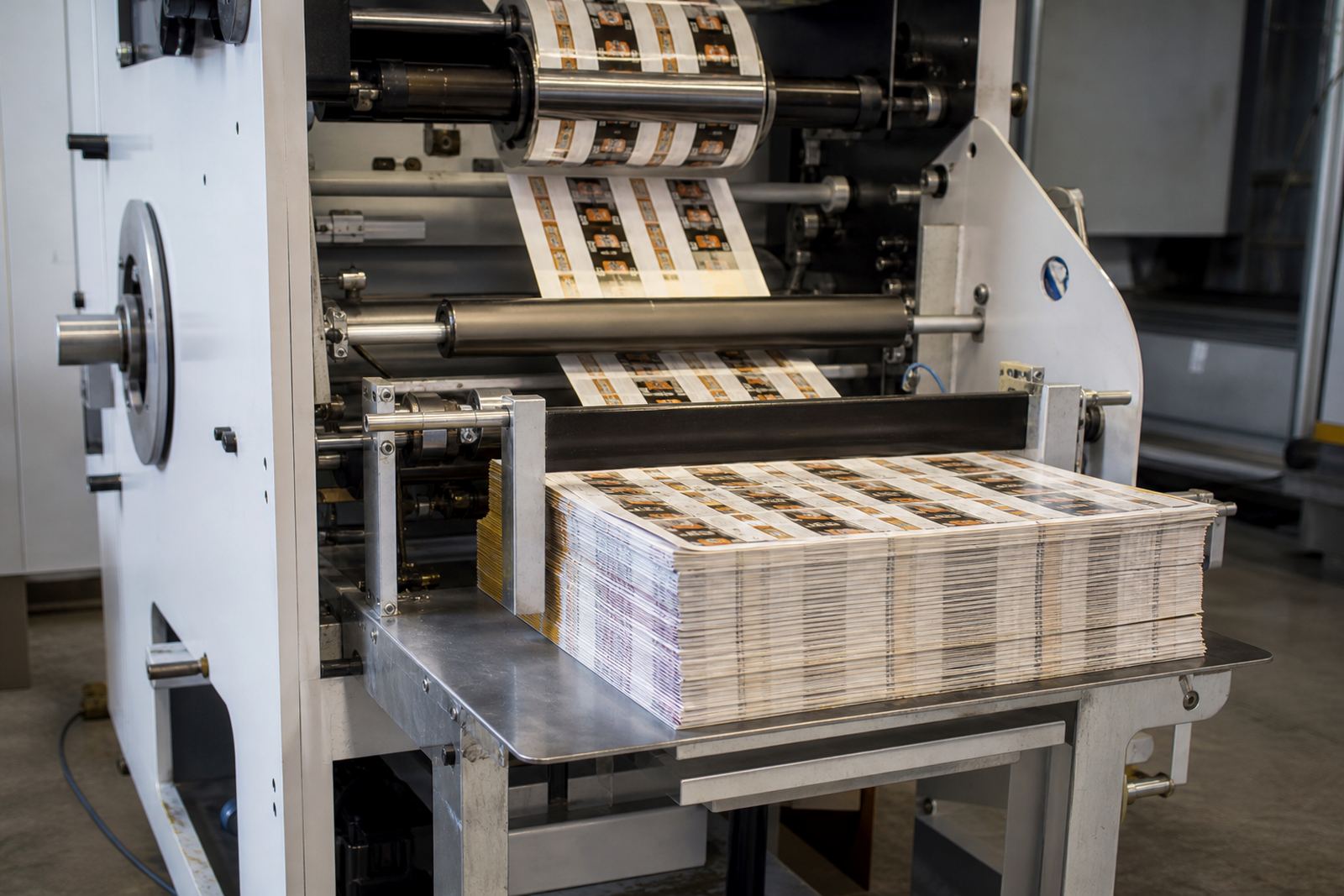
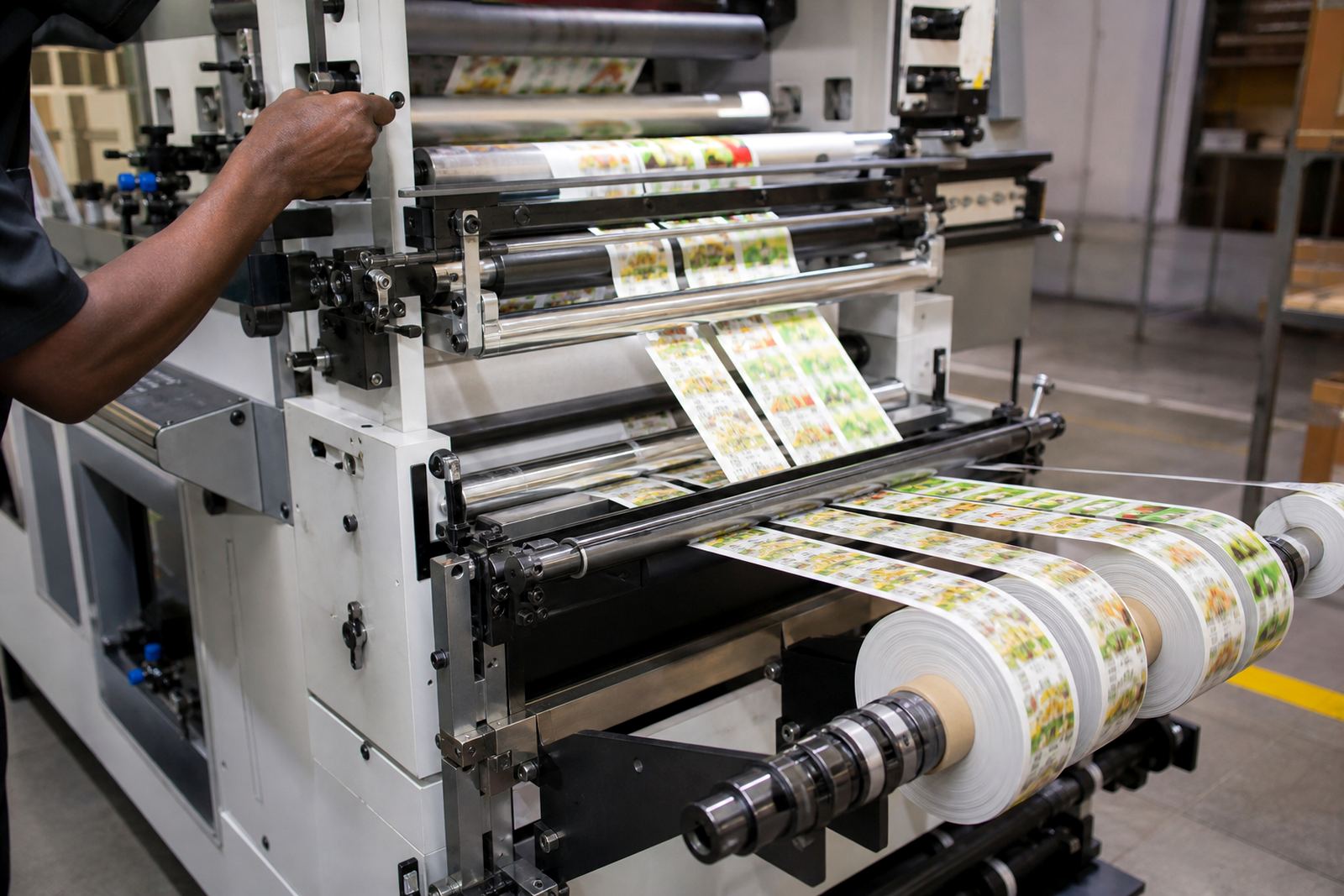
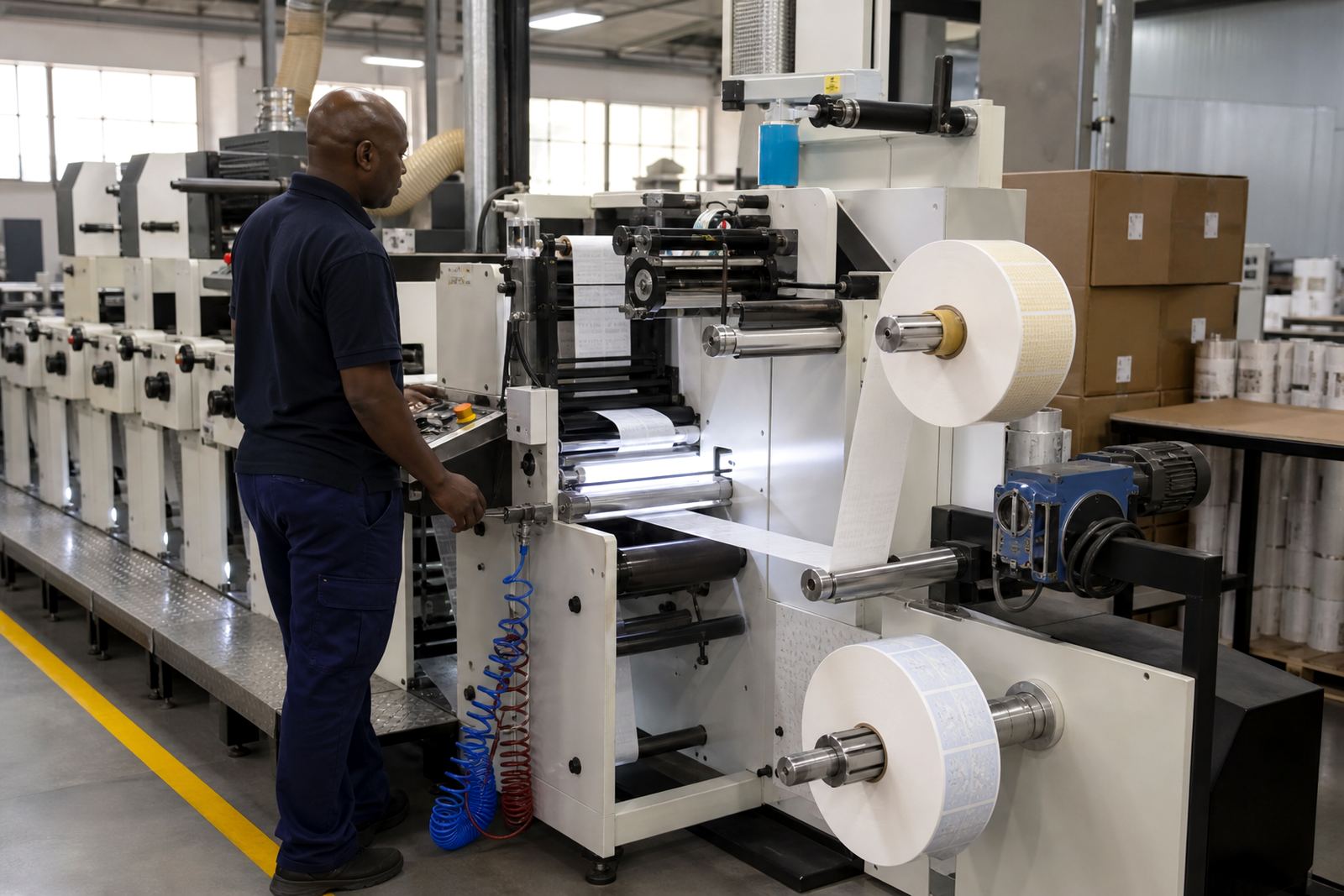
Narrow-web flexo label presses are used for labels and light packaging work where print quality, registration and repeatability matter. For converters in Johannesburg, Pretoria, Durban, Cape Town and Gqeberha, the right press needs to suit the mix of jobs on the floor, from short runs to repeat repeat orders, with enough flexibility for local finishing requirements.
Some operations need a compact press for smaller footprints in Kempton Park or the East Rand, while others need a line that can handle more frequent changeovers and a wider choice of substrates. The choice usually comes down to how your team runs jobs, how often artwork changes and what level of finishing is needed after print.
How to choose the right press format
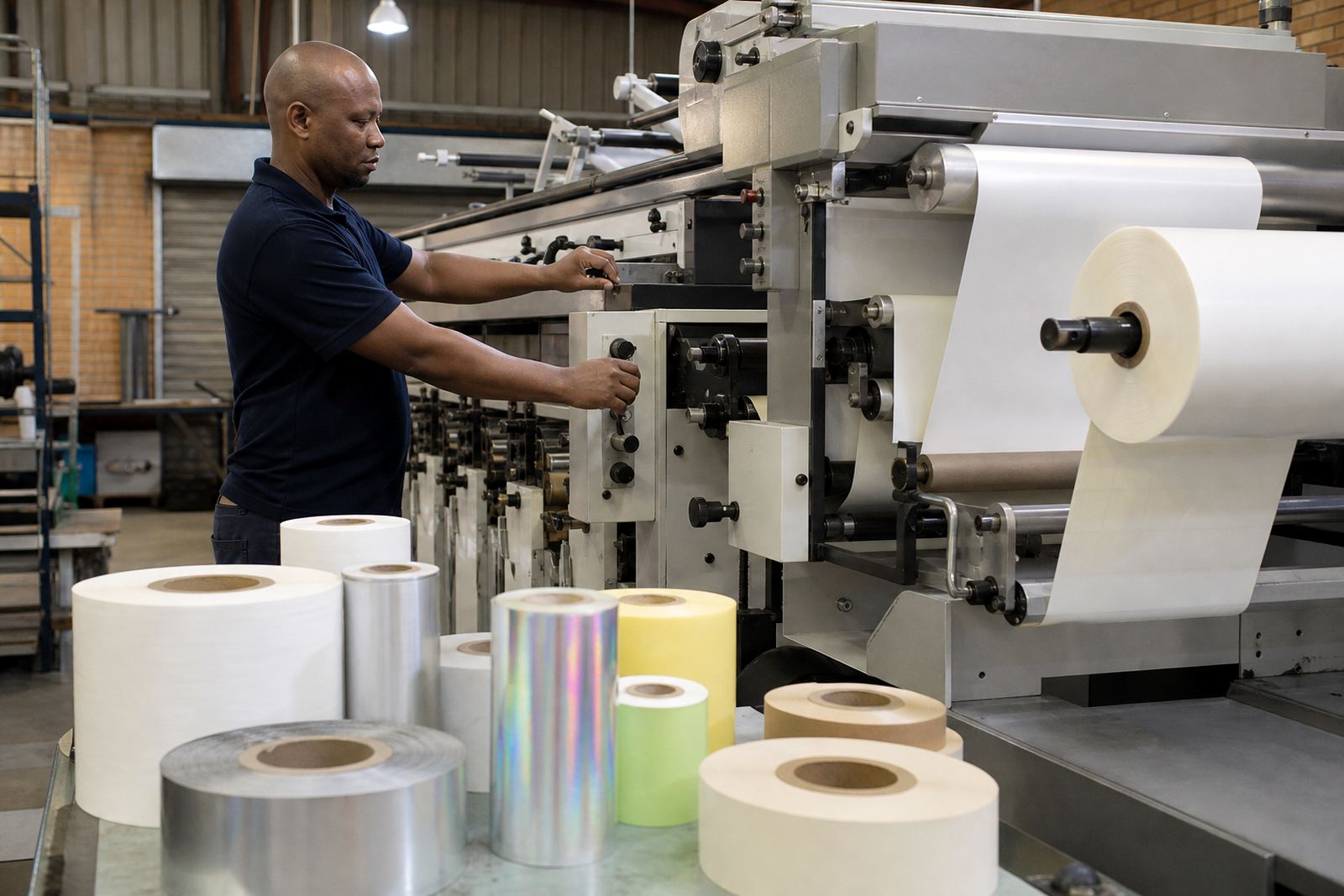
There is no single press that suits every label converter. A good starting point is to look at the labels you produce most often, then match the press format to the work rather than forcing the work to fit the machine.
- Short runs and frequent artwork changes may need quicker setup support.
- Higher-volume repeat work needs steadier production and simple operator routines.
- Coastal sites often need more attention to humidity and storage conditions.
- Factories affected by load-shedding benefit from sensible start-up and recovery procedures.
- If your finishing is done inline, the press layout should support that from the start.
Setup, commissioning and first production
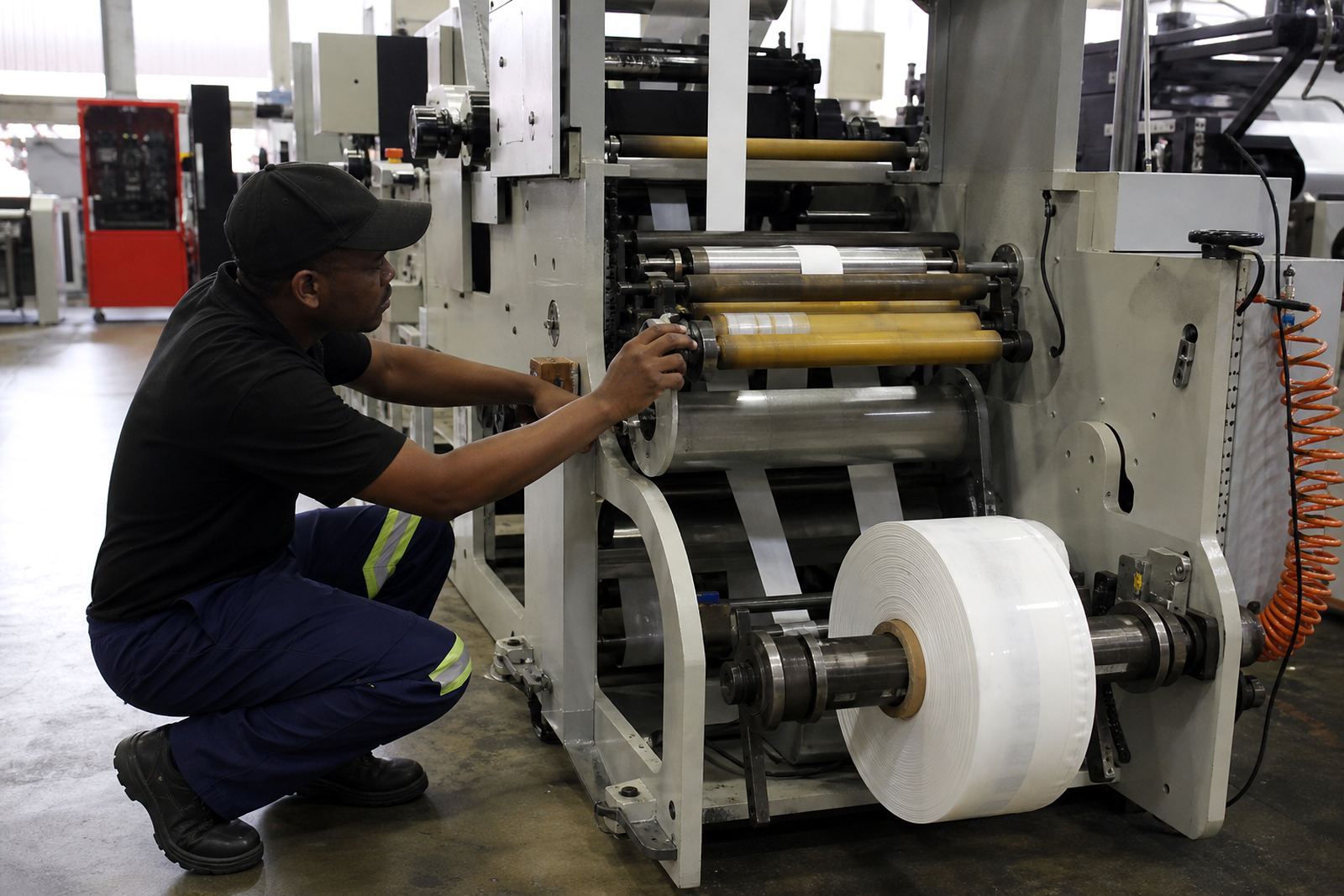
Press installation and commissioning should be handled with care so the machine is ready for safe, practical production. That includes positioning, levelling, service checks and making sure the line is ready for the materials you use most. In many South African plants, getting the first week right saves a lot of wasted substrate and time later on.
We support startup production with operator guidance, basic troubleshooting and production planning around your first jobs. That helps teams move from installation to print ready work without guesswork, especially where the line also includes converting or finishing units.
Finishing options that suit label converters
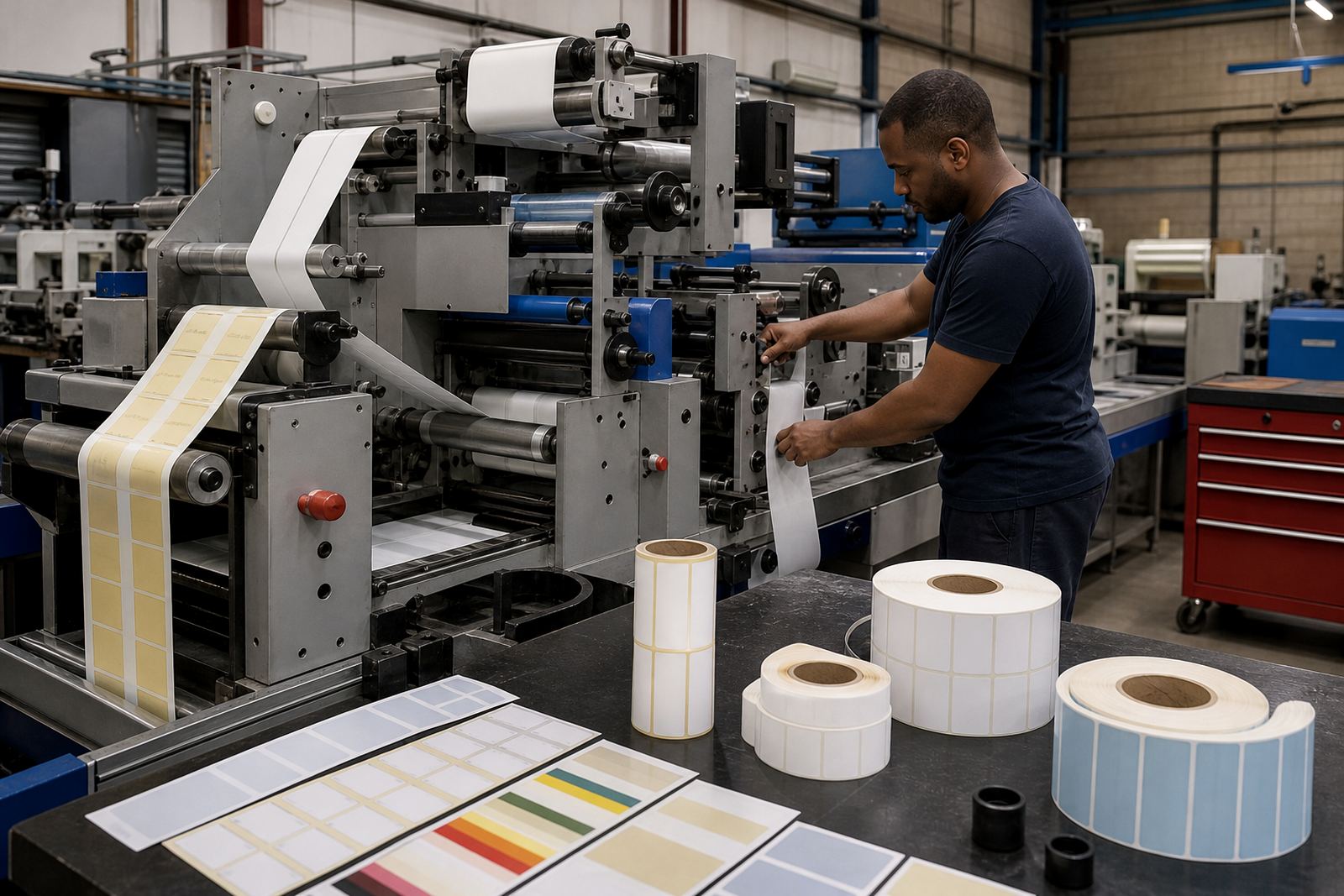
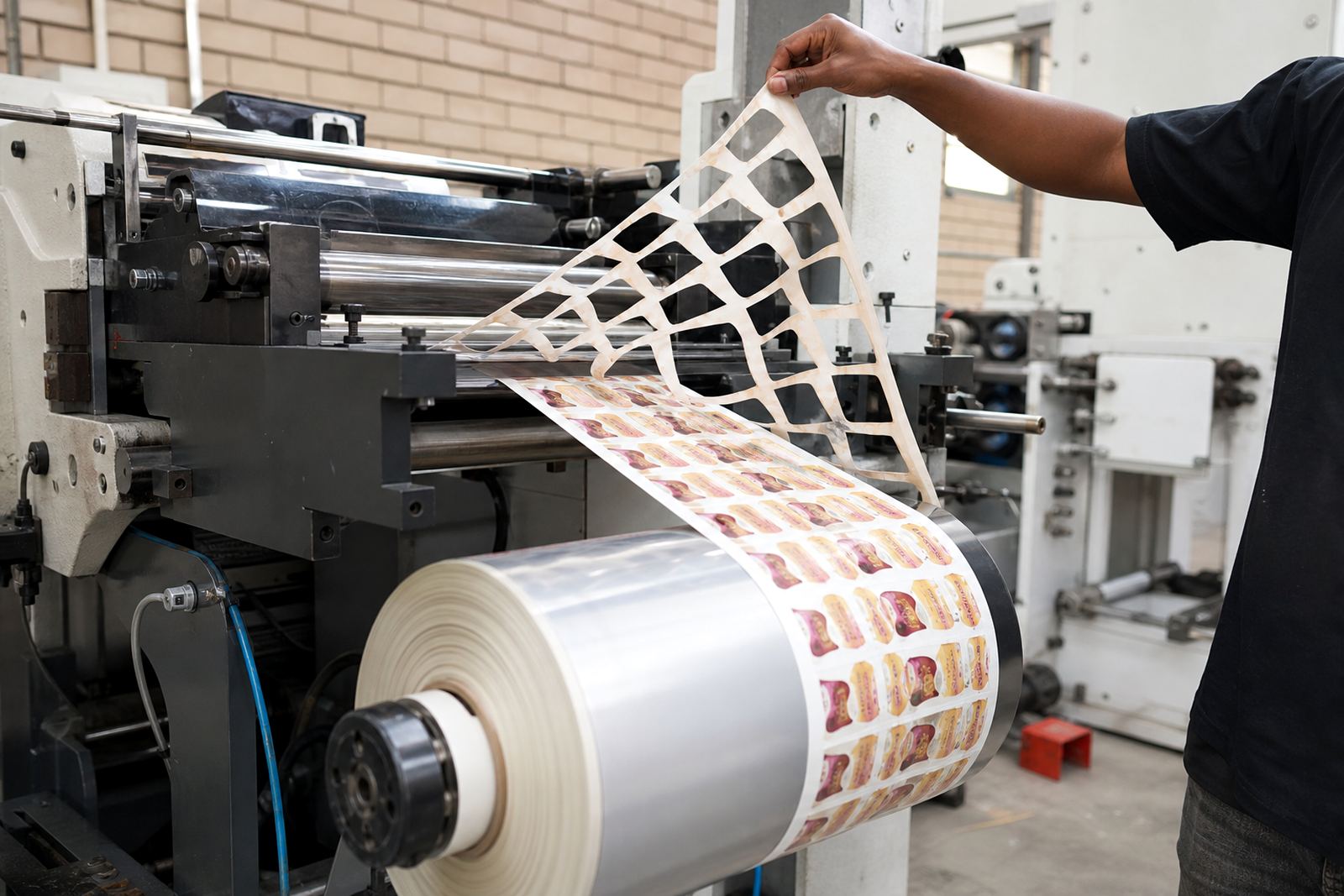
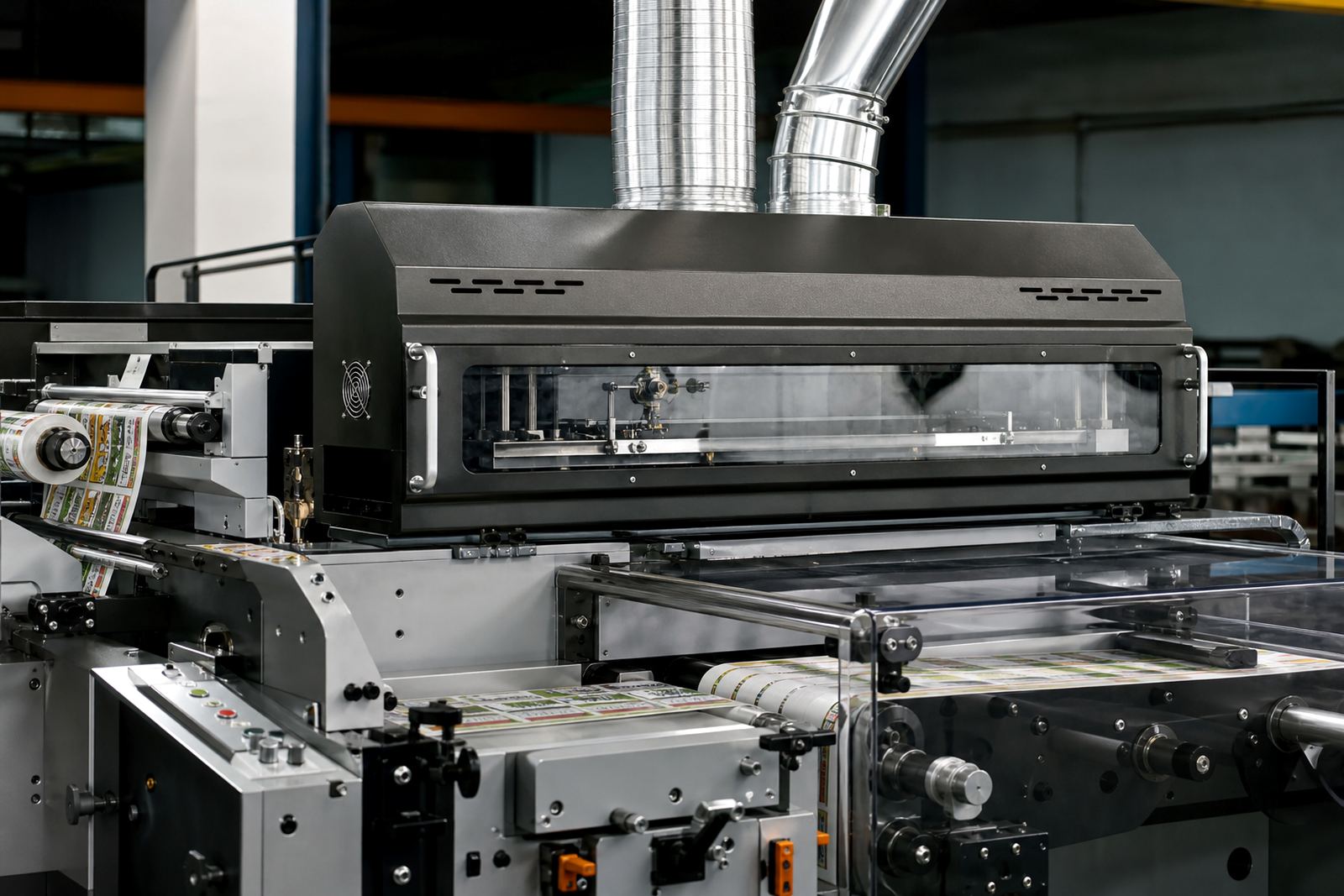
Good labels are not only about print. Finishing matters too, because it affects appearance, handling and how the final roll performs in packing or application. Finishing setup can include the practical adjustments needed for cutting, rewinding and other post-print steps used in label production.
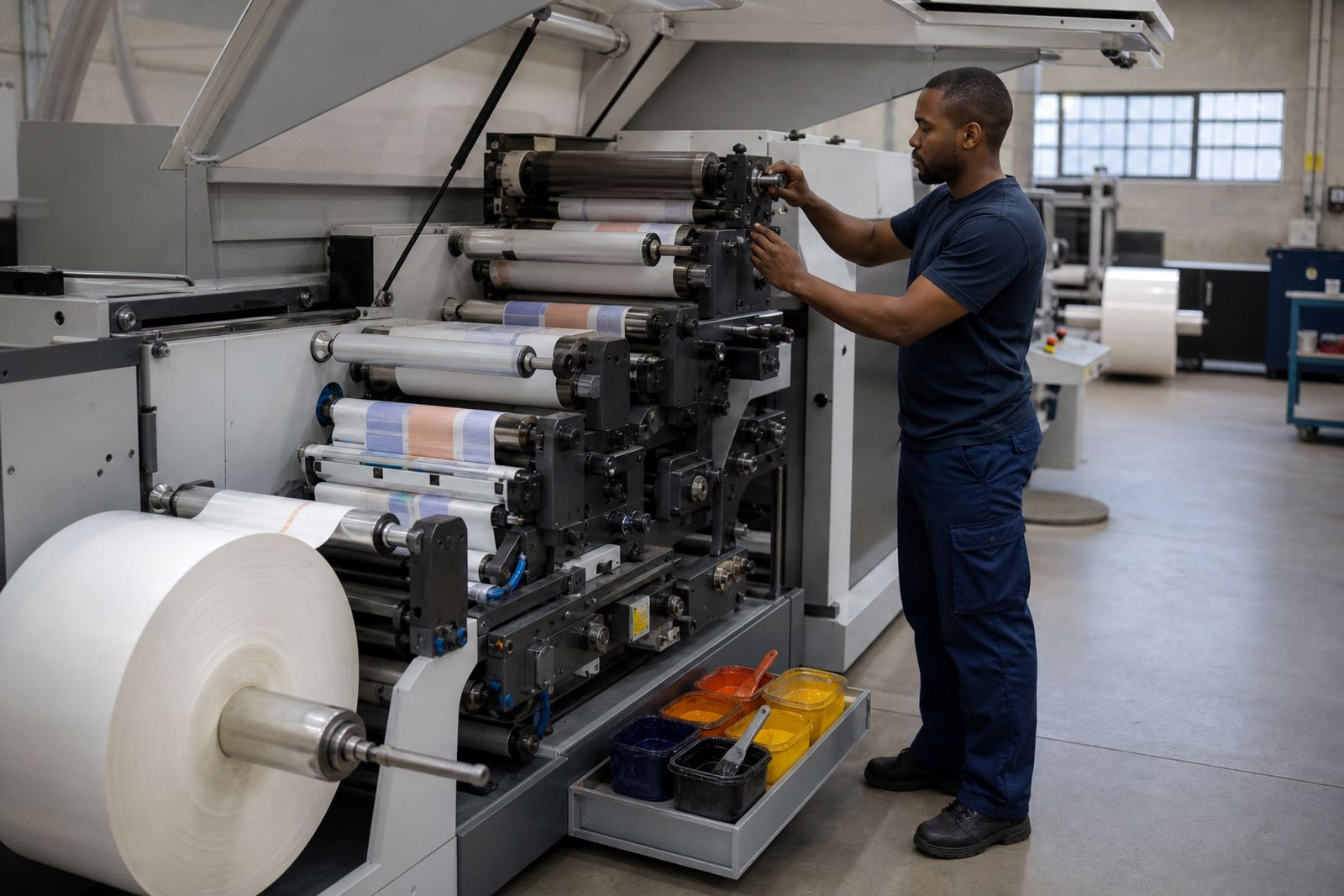
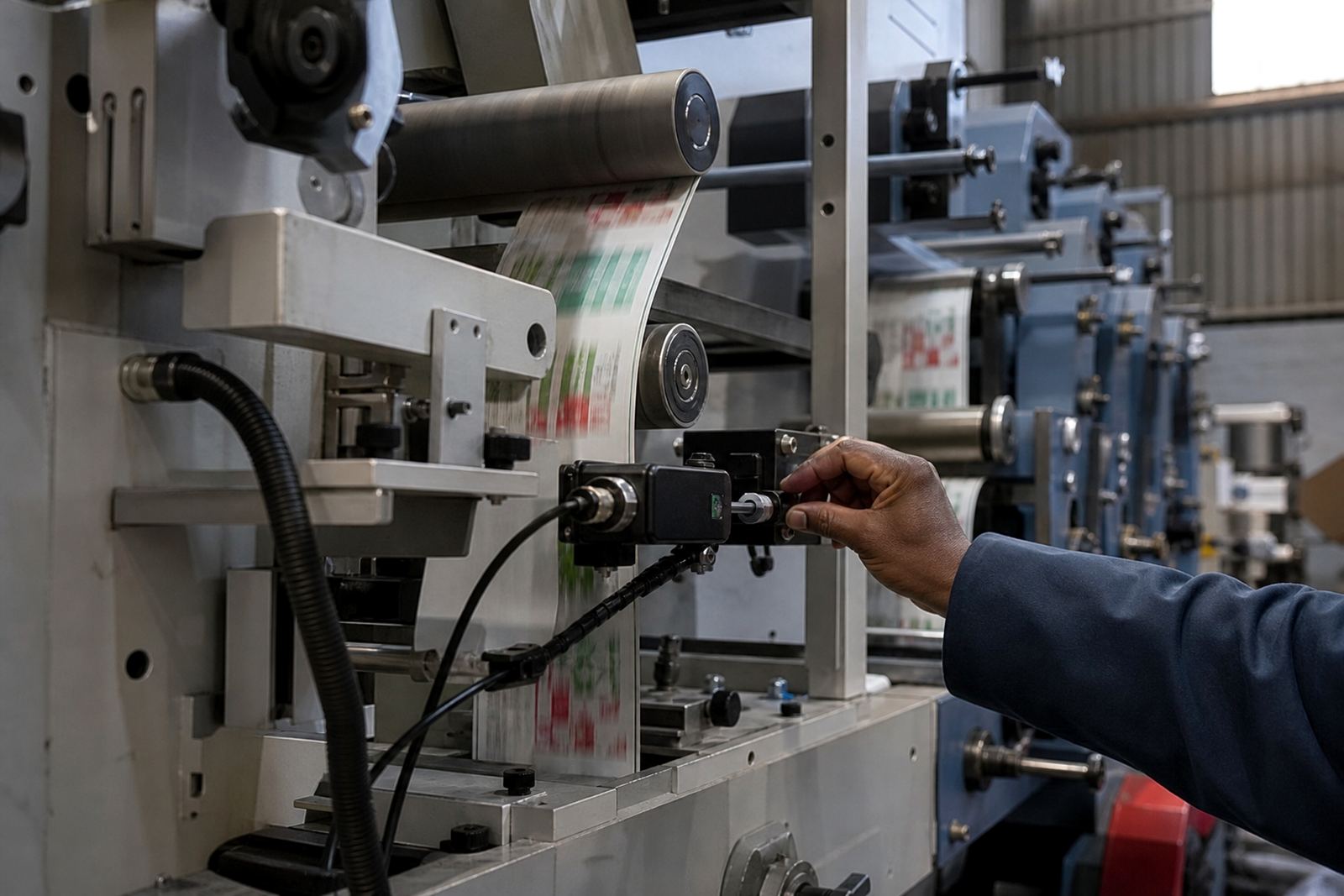
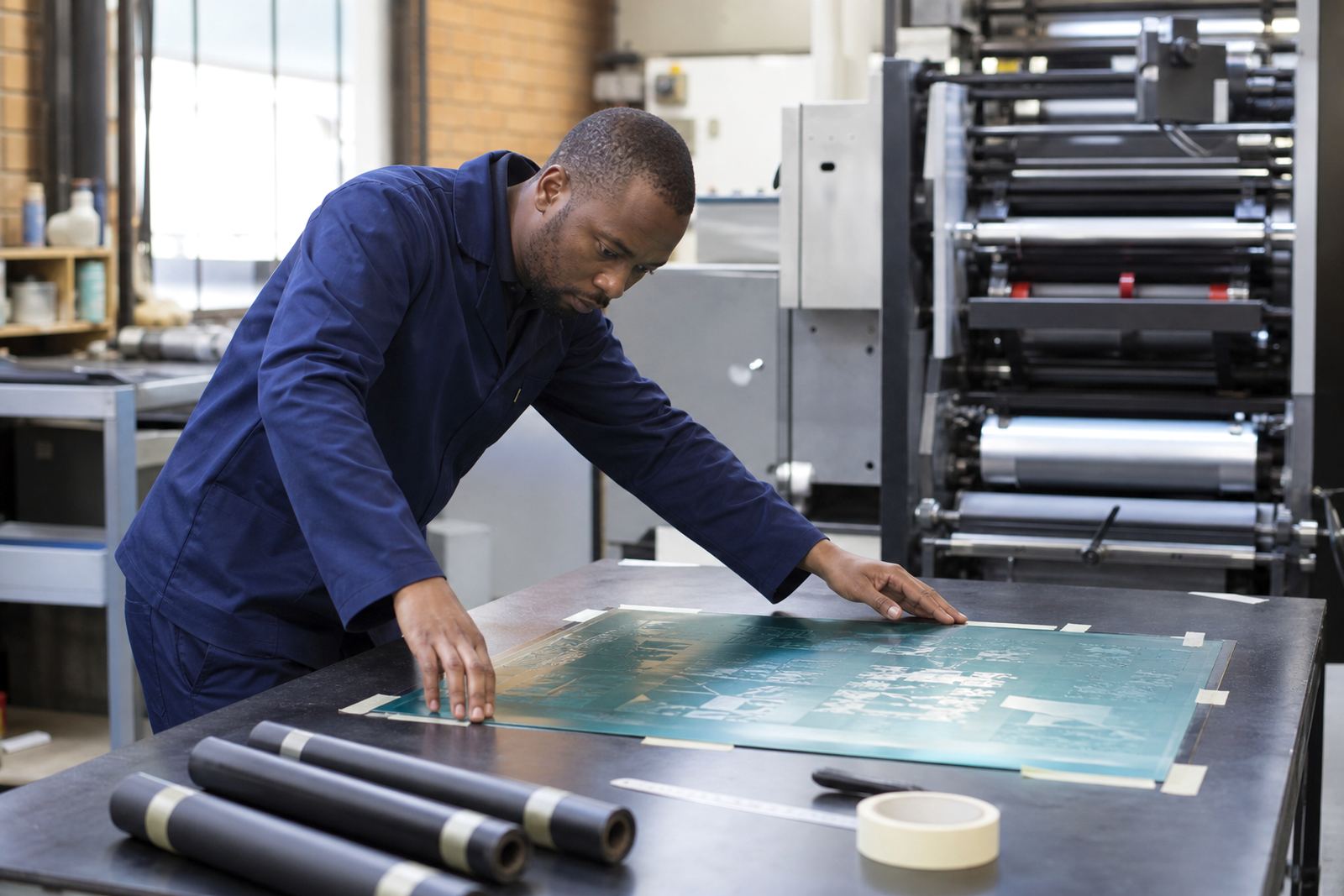
- Plate mounting help for cleaner registration and more stable print.
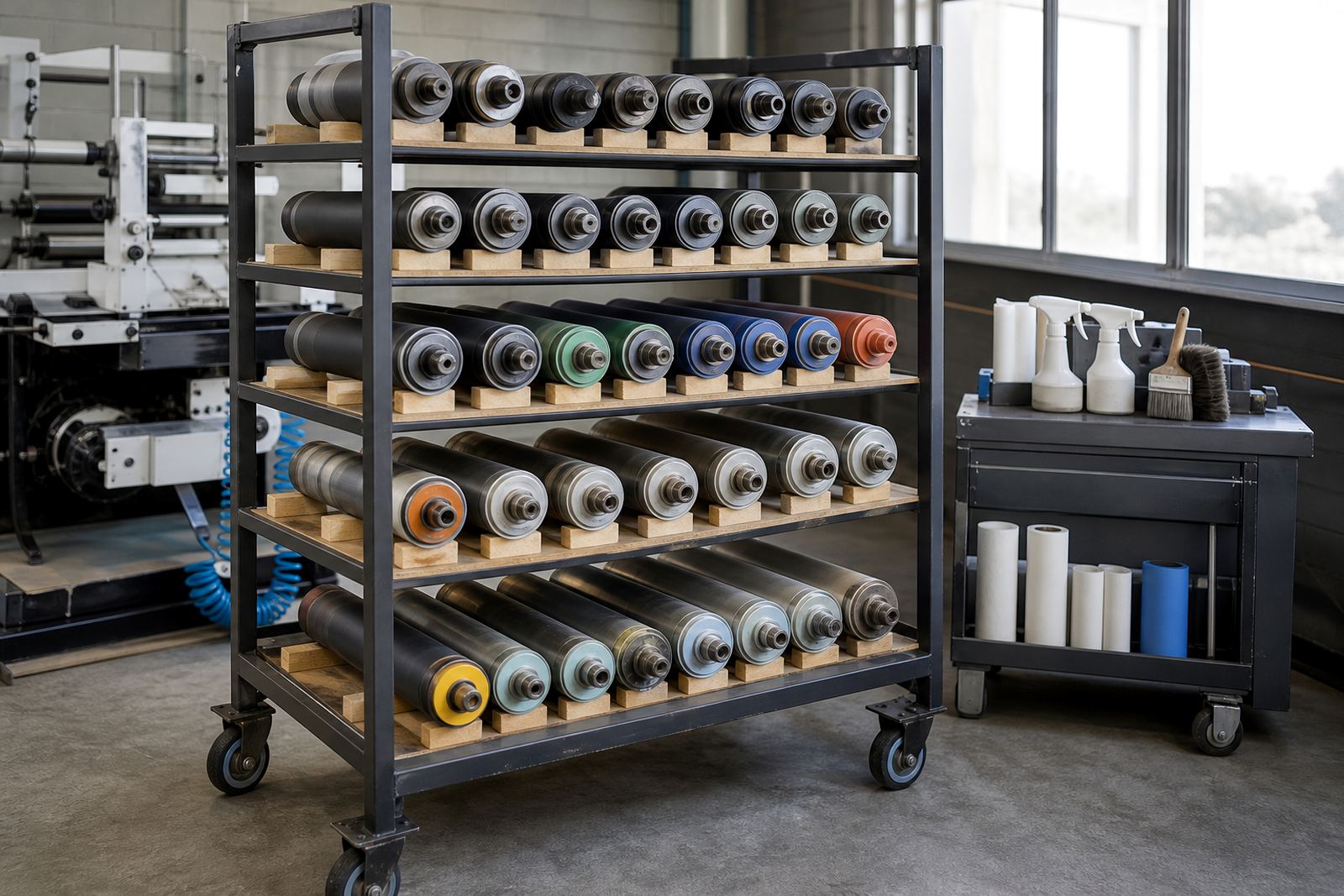
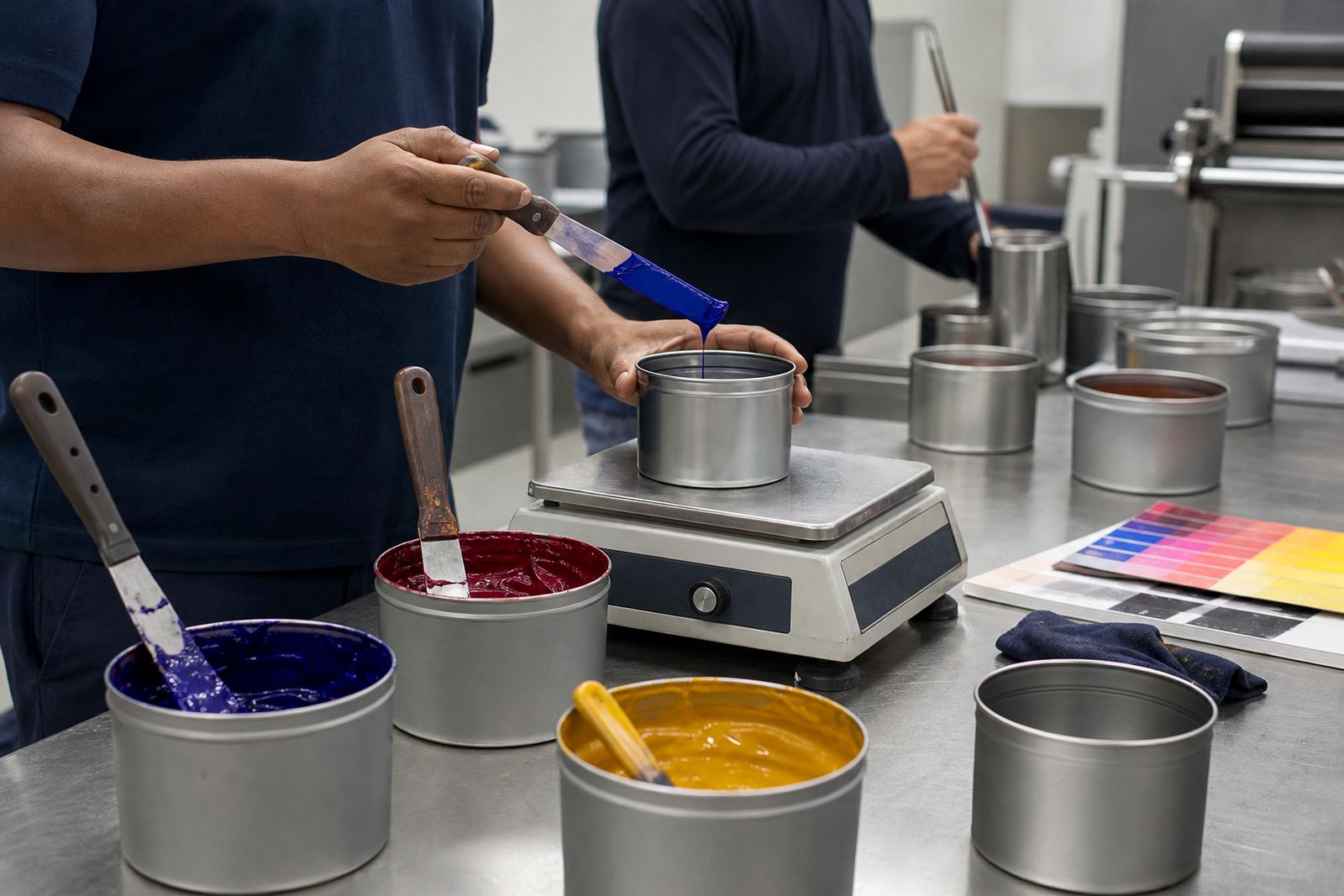
- Anilox care to keep ink transfer consistent across jobs.
- Finishing setup for rewinding, slitting or other downstream steps.
- Production consulting when a job needs a better sequence from print to pack.
For food, beverage, cosmetics and retail labels, the aim is to keep the production flow tidy and predictable from the first roll to the last. Small changes in setup can affect waste, speed and final appearance.
Support for local plants and national converters
Our base in Spartan, Kempton Park lets us support label converters across Gauteng and beyond. We work with operations in Johannesburg, Pretoria, Centurion and the East Rand, as well as Durban, Cape Town and Gqeberha. Some customers need on-site help, while others prefer remote support for quicker turnaround when a line is down.
Because many factories work under tight schedules, support must be practical and clear. That means helping your team with fault finding, spare parts support, routine checks and advice that fits the real conditions in the pressroom, not just the manual.
Maintenance that protects output
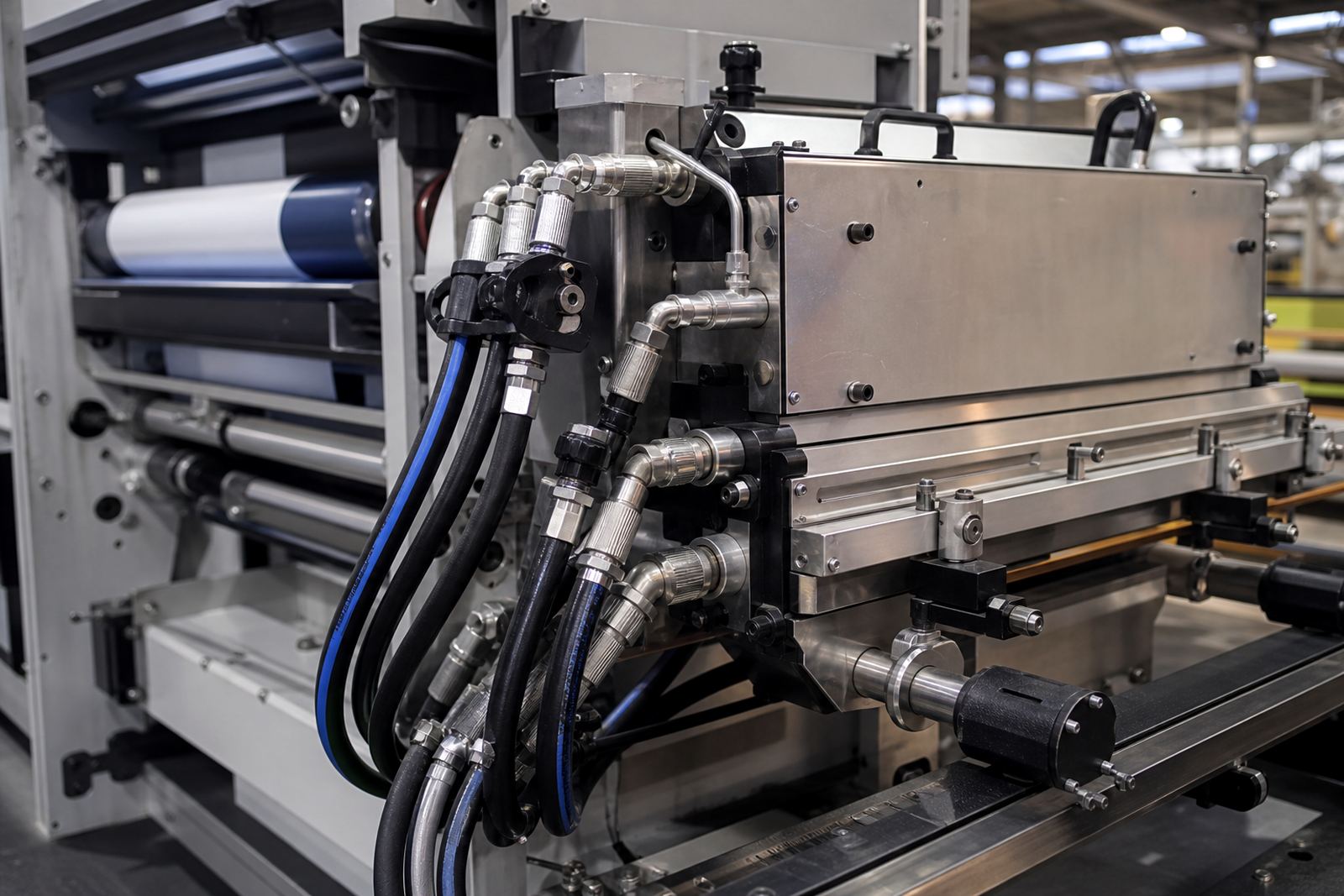
Preventive maintenance is one of the simplest ways to protect label production. Regular checks help reduce unplanned stoppages and keep press parts in better condition for longer. In humid coastal areas, and in busy plants where dust and ink build up quickly, routine attention makes a noticeable difference.
- Preventive maintenance for scheduled inspections and service work.
- Breakdown support when production stops unexpectedly.
- Spare parts support to reduce waiting time on common wear items.
- Technical guidance for operators and supervisors who need clear next steps.
Well timed maintenance also helps with print consistency, which matters when customers expect the same colour and finish across repeat orders.
Training that builds confidence on the press
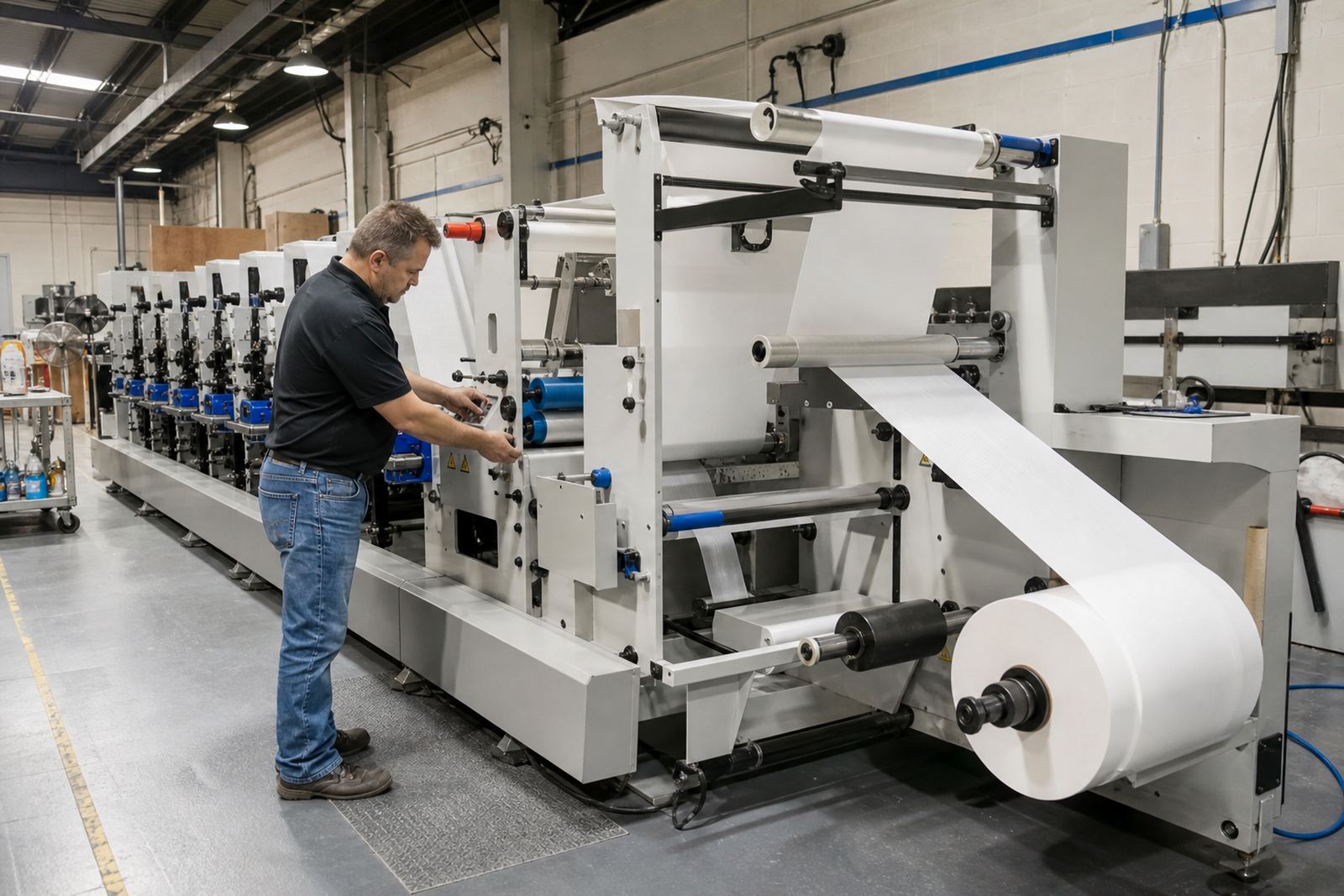
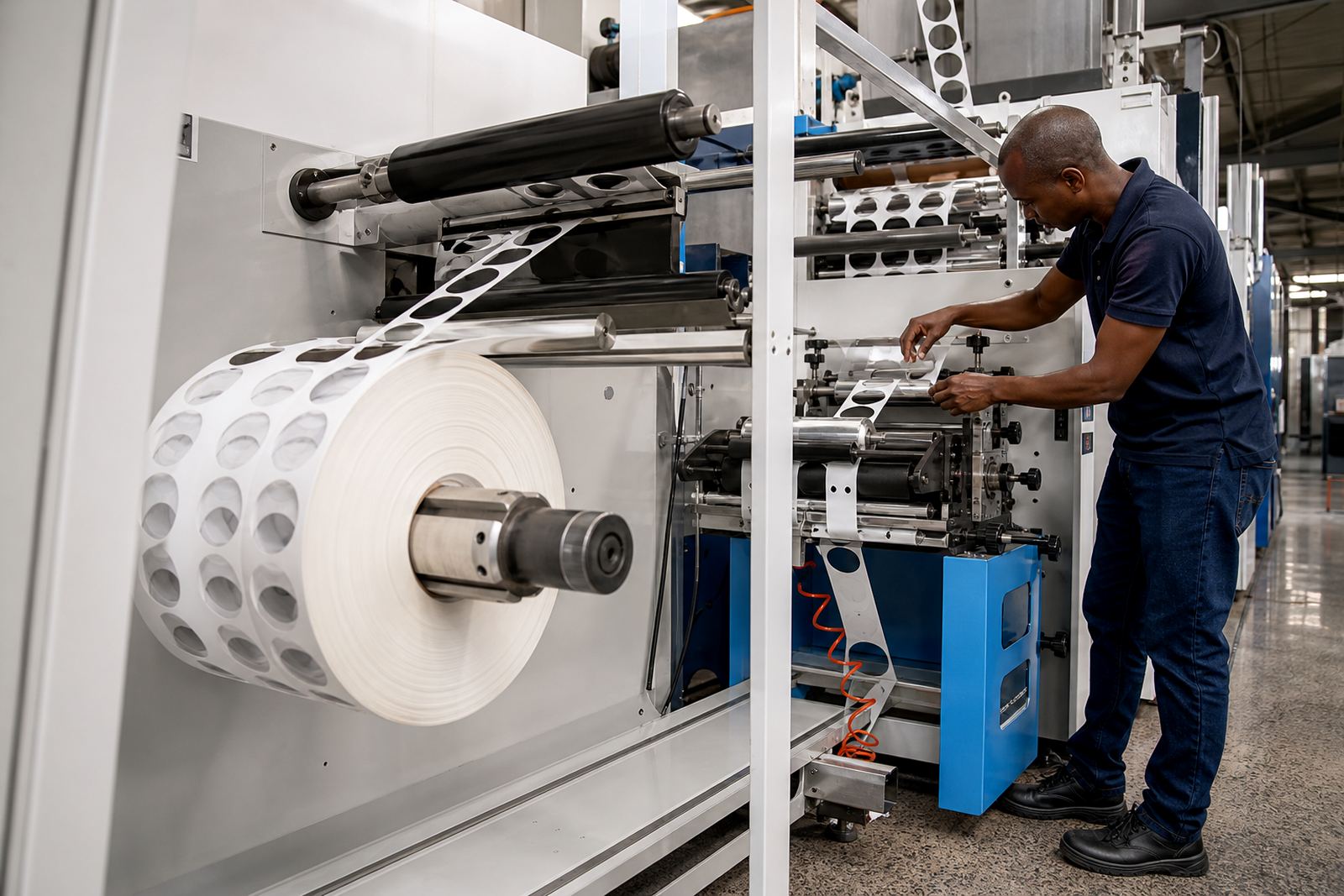
Operator training is often the difference between a press that runs well and one that keeps needing corrections. Our training co-ordinator works with teams on safe operation, basic set-up routines, job changeover, cleaning and daily checks. This is useful for new staff and also for experienced operators who want a more structured approach.
Training is especially useful in plants where several people share the same machine across shifts. Clear routines help reduce errors, keep consumables under control and make it easier to hand over jobs between operators. That matters when production has to continue despite power cuts or a tight delivery window.
A practical starting point for your label range
If you are planning a new line or reviewing an existing one, start by listing the label sizes, substrates and finishing steps you use most often. Then compare the press format, setup support and maintenance plan against that list. It is usually better to choose a machine that fits the work you do every week, not only the occasional special job.
Since 2008, our team led by Thabo Mokoena has worked with converters who need straightforward advice and reliable support. For help choosing between press options or related equipment, use the enquiry form on our contact page and tell us about your label range, production space and finishing needs.