


What You Will Find in the Flexo Journal
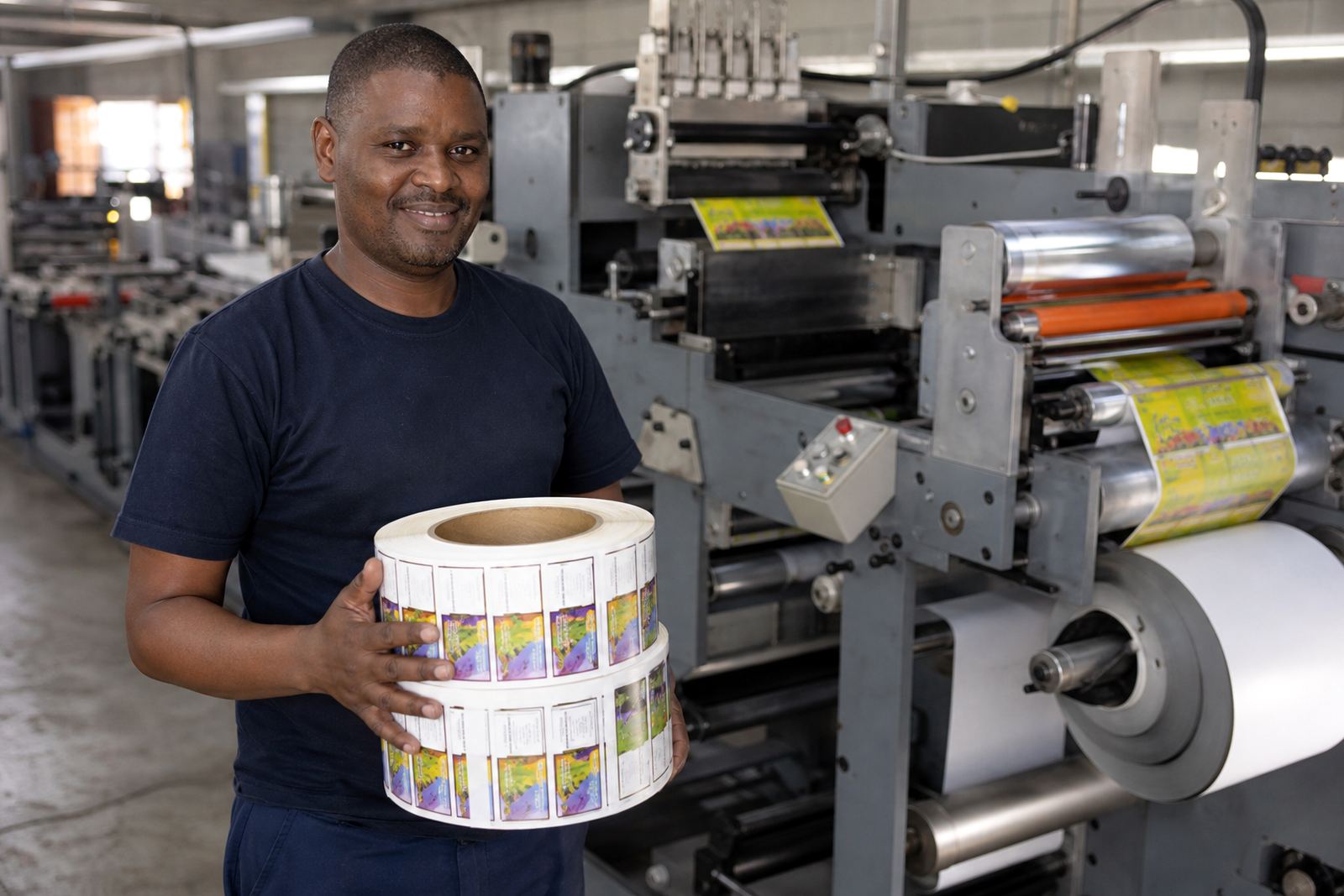
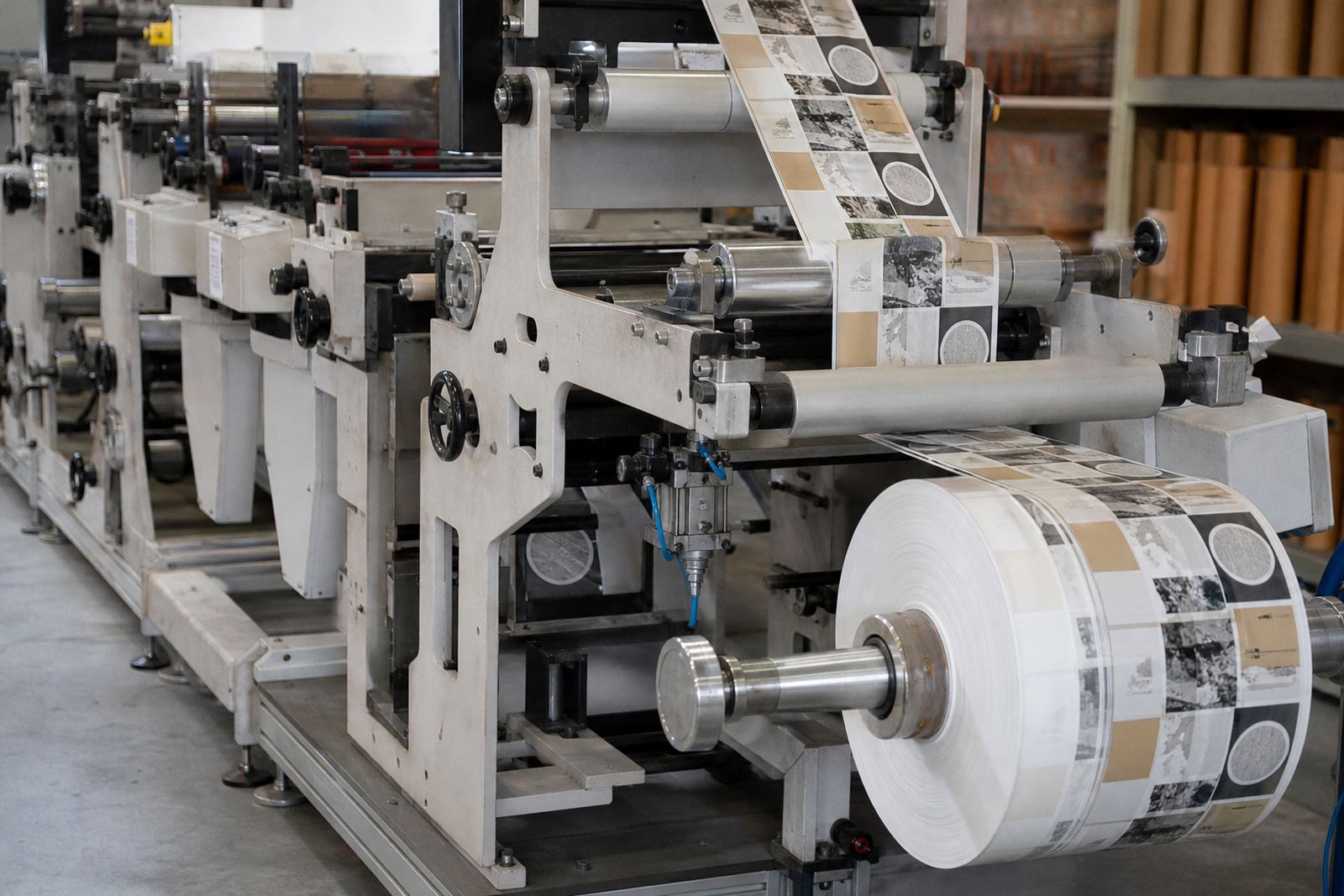
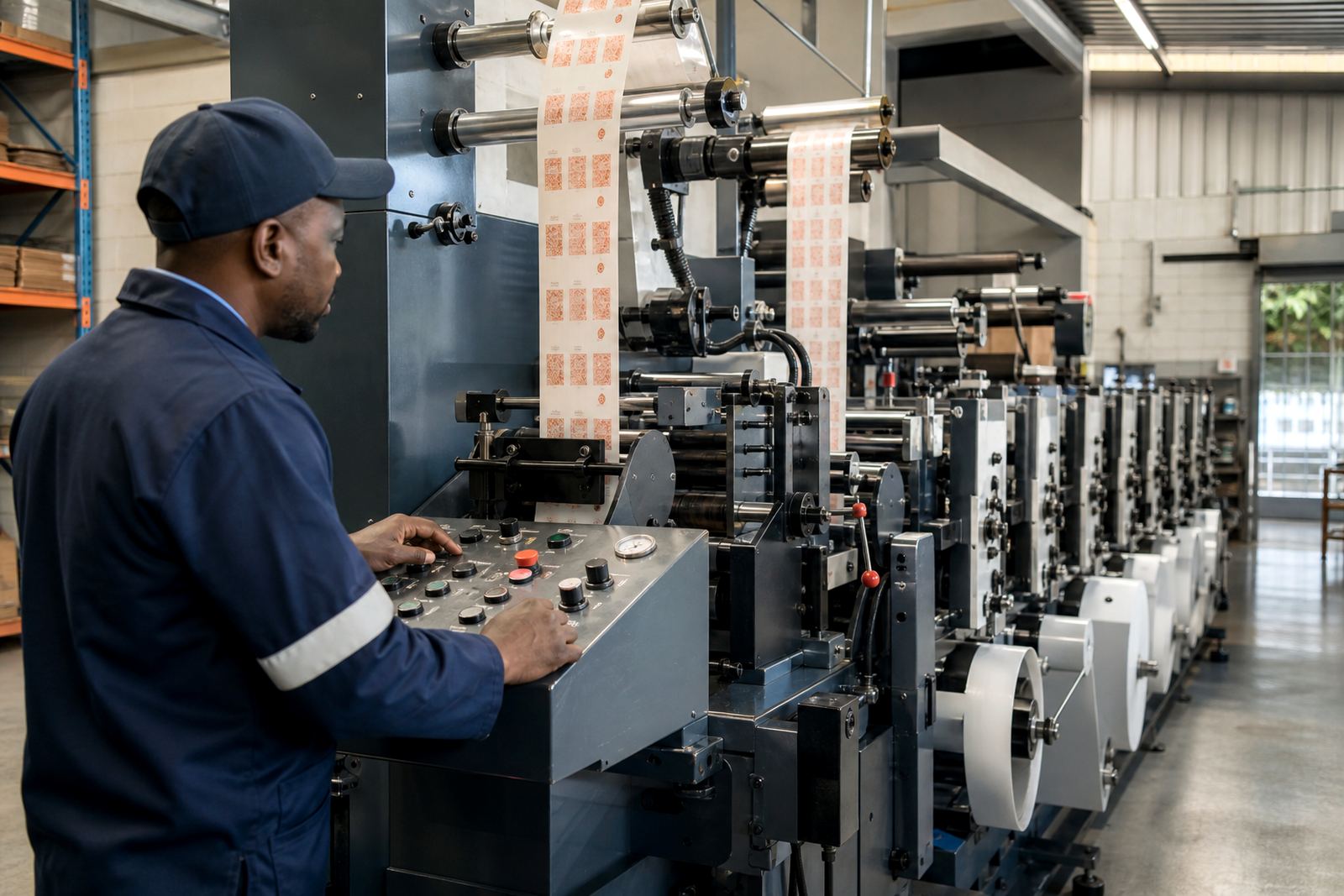
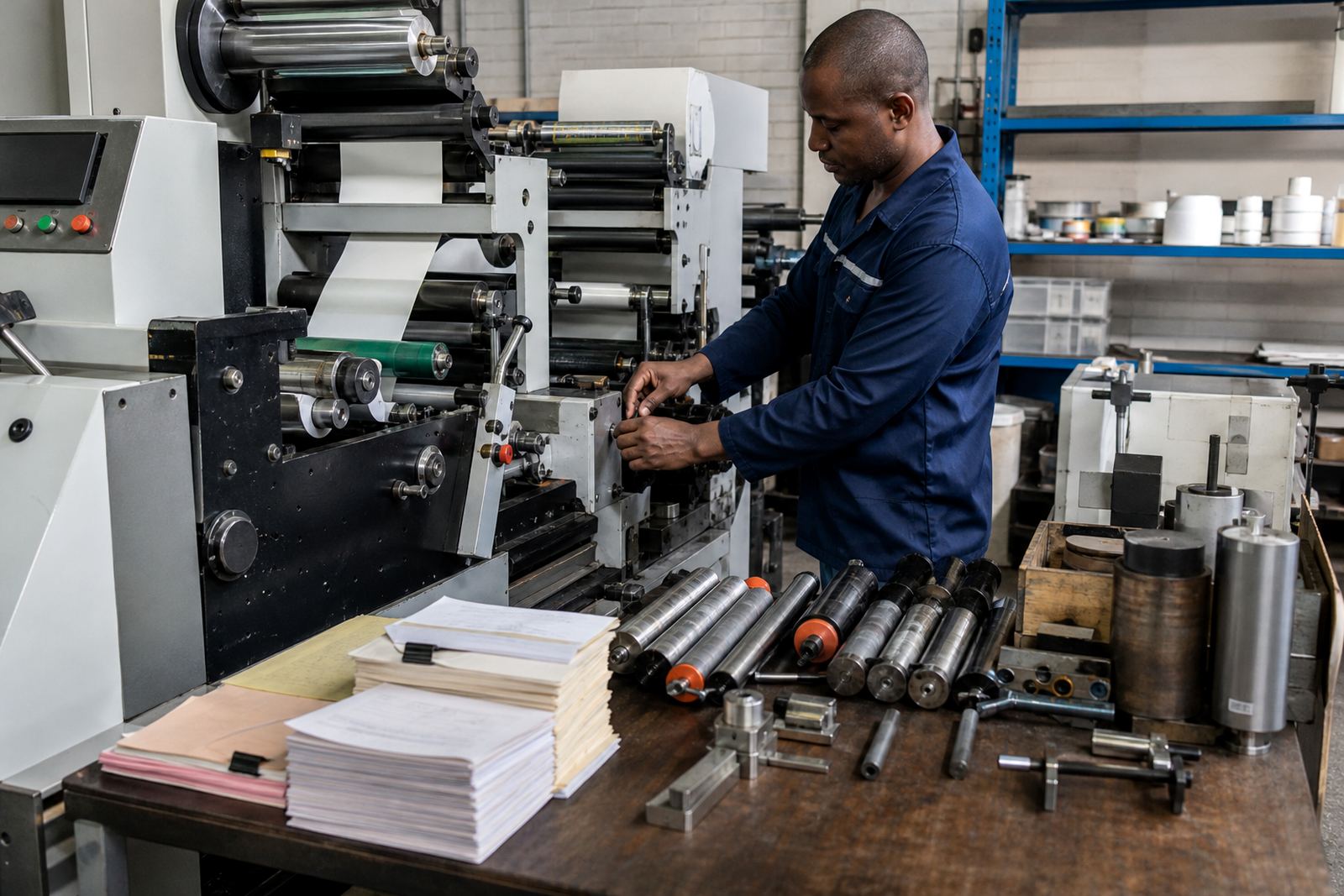
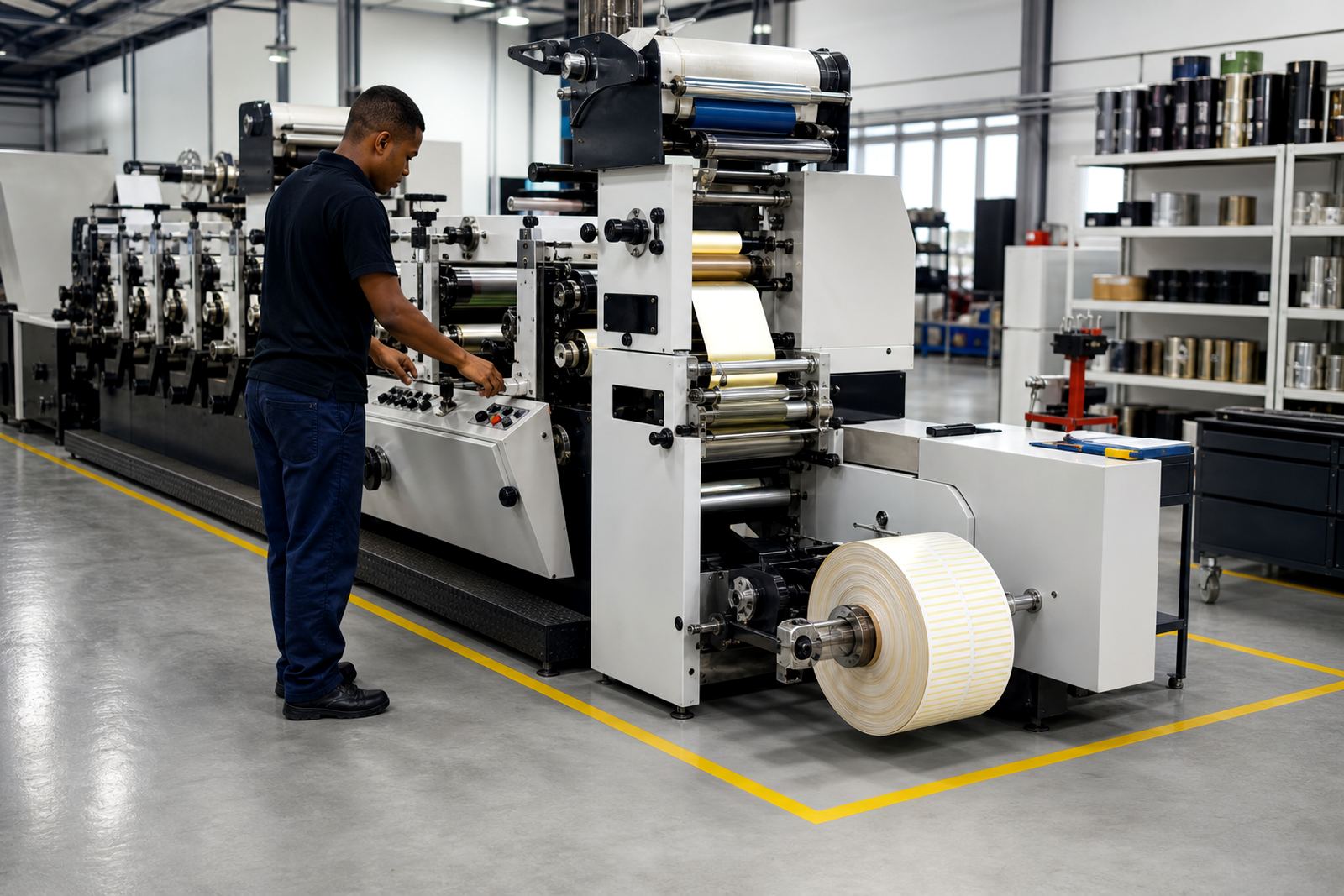
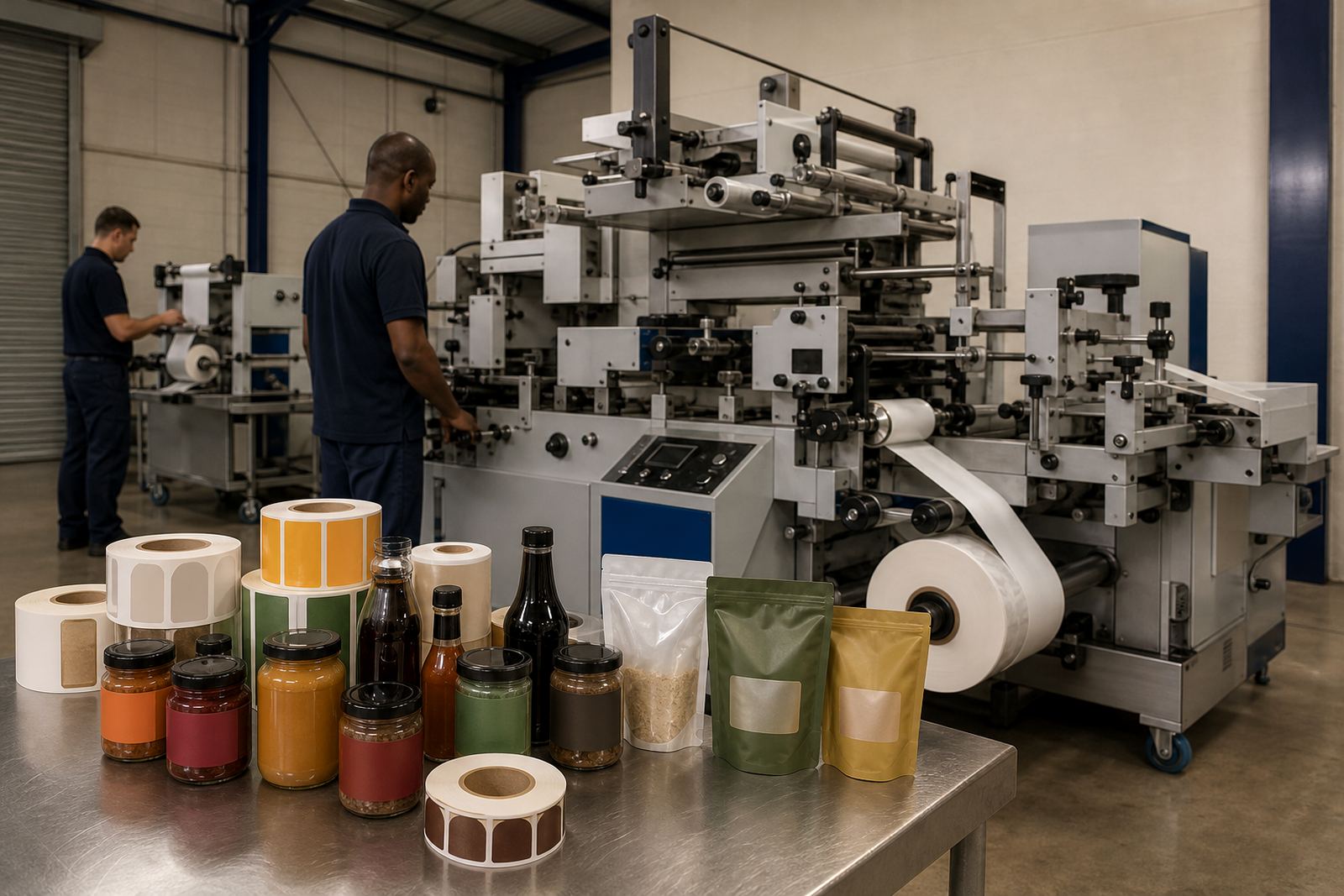
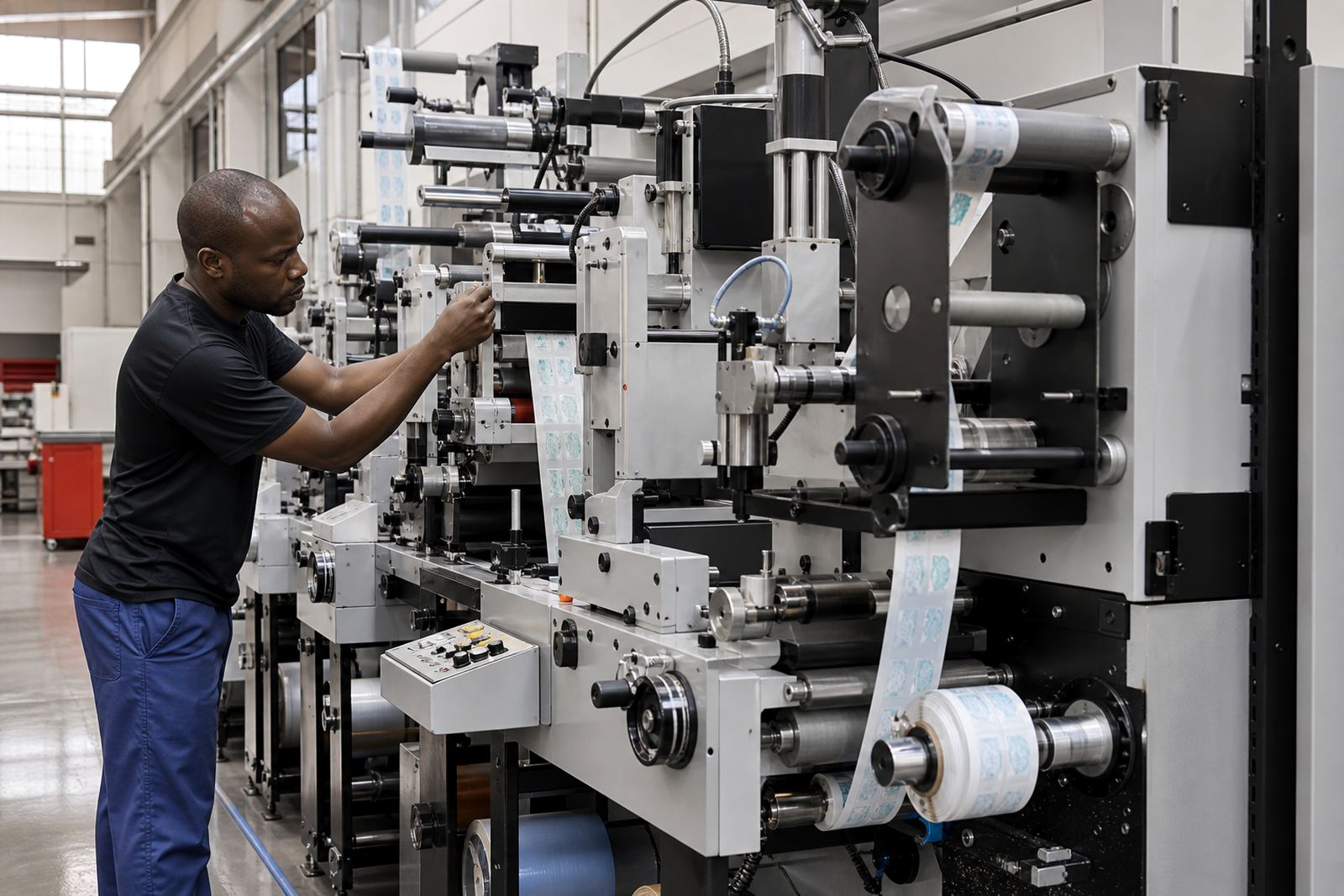
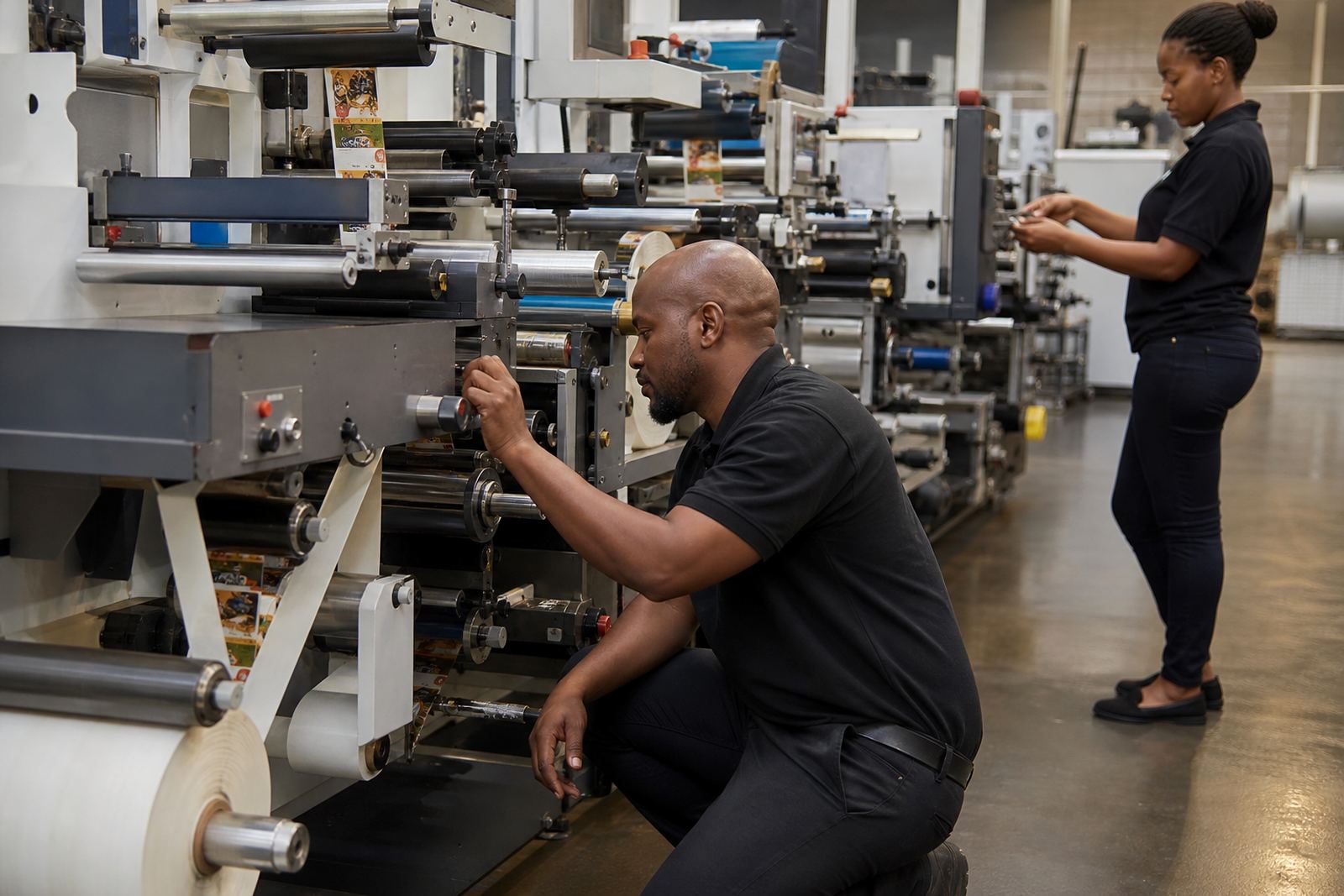
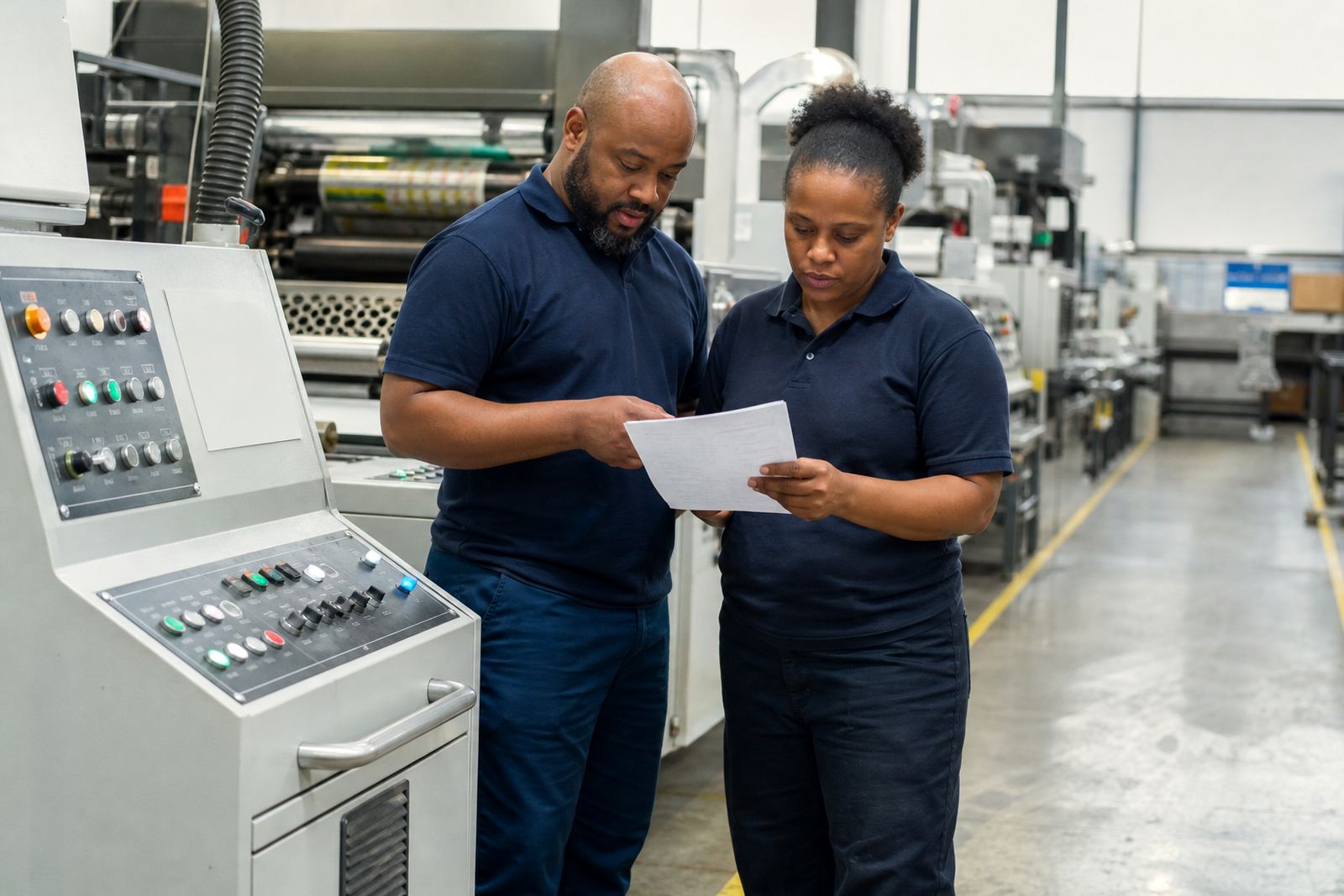
This journal brings together short, practical notes for label converters working with narrow-web flexo label presses. It covers pressroom habits, setup thinking, finishing awareness and the sort of production planning that matters when orders shift, power is unstable, or a customer changes artwork late on a Friday.
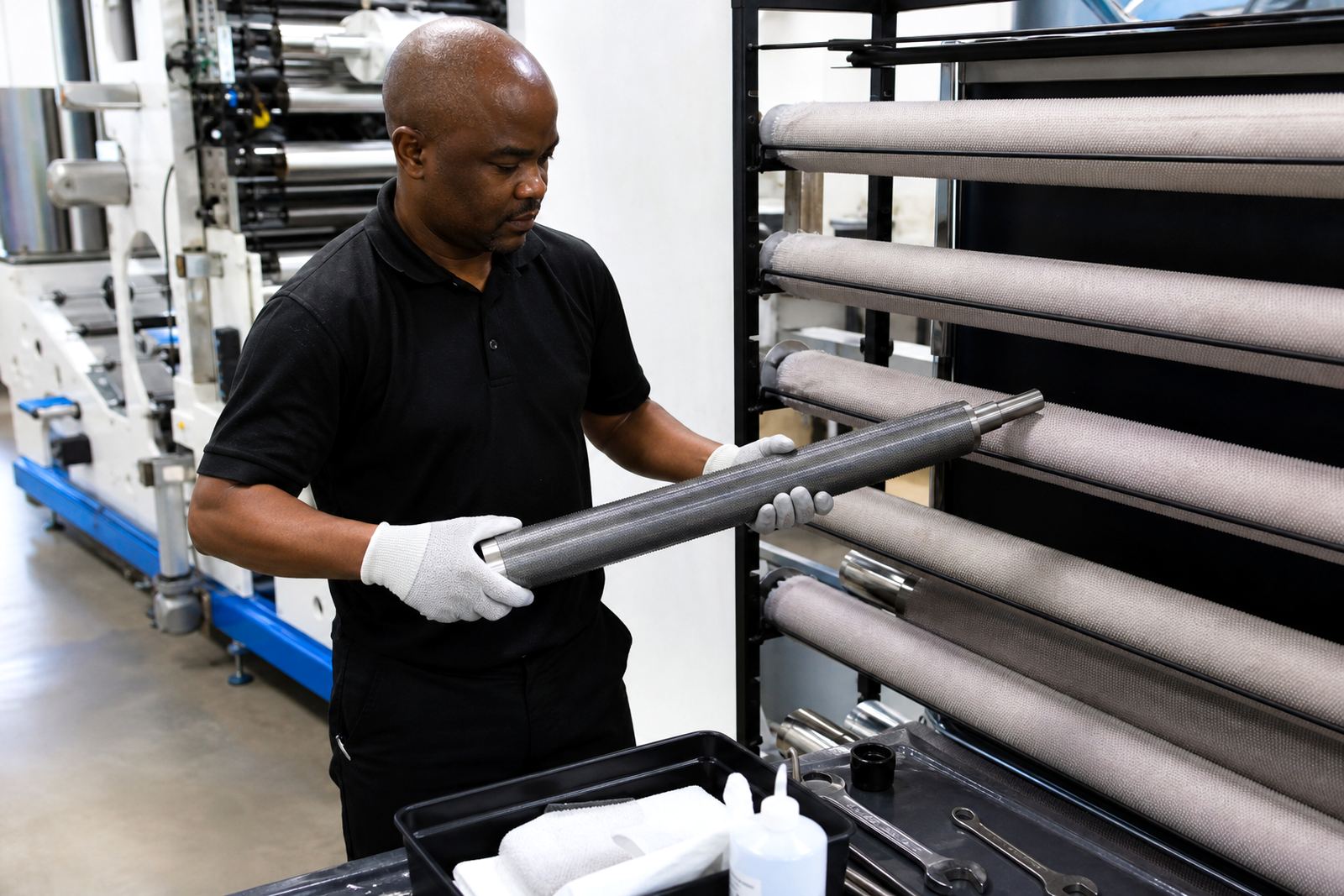
The aim is simple: help teams make better day to day decisions around labels and packaging. Some articles focus on first-time installation and commissioning, while others look at operator routines, maintenance planning, anilox care, plate mounting help and how to keep finishing work clean and consistent. The topics are chosen for South African conditions, from humid coastal sites to hot inland workshops.
How to Choose the Right Article for Your Pressroom
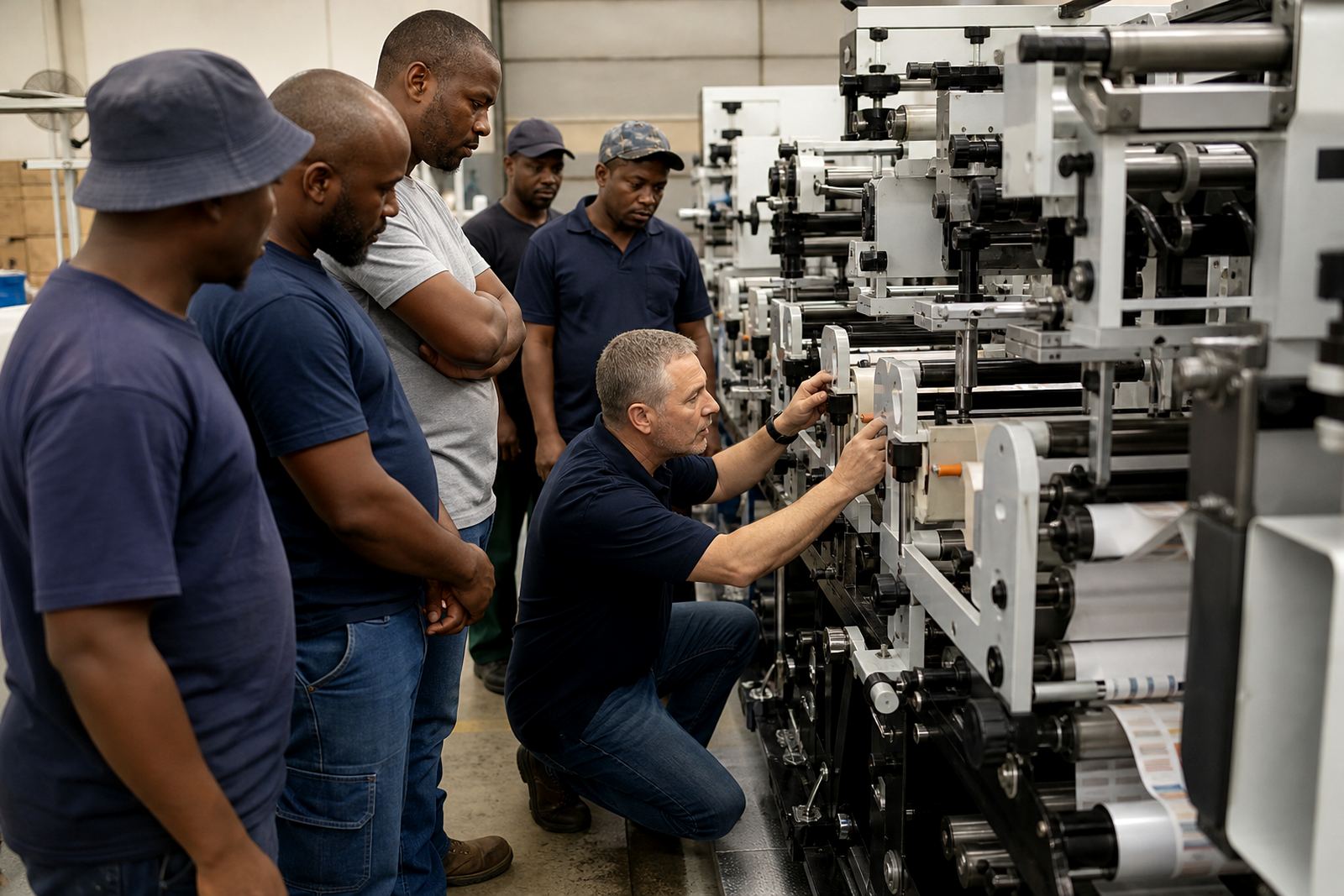
If you are comparing setup choices, start with articles about press installation, commissioning and startup production support. If your machines are already running, look at operator training, preventive maintenance and breakdown support. For teams with mixed shifts, the practical guides on remote support and production consulting can help you keep work moving when the senior technician is not on site.
Readers in Johannesburg, Pretoria, Durban, Cape Town and Gqeberha often want different things from the same pressroom topic. Inland sites may need advice on heat and dust control, while coastal plants often ask about moisture, storage and how to protect consumables. The journal is written to help you sort through those differences without overcomplicating the job.
- New install or relocation: start with commissioning and training articles
- Ongoing output issues: read maintenance, plate mounting and anilox care notes
- Finishing changes: check articles on finishing setup and production flow
- Staff changes: use operator training and startup support guidance
Setup Thinking for Narrow-Web Flexo Label Presses
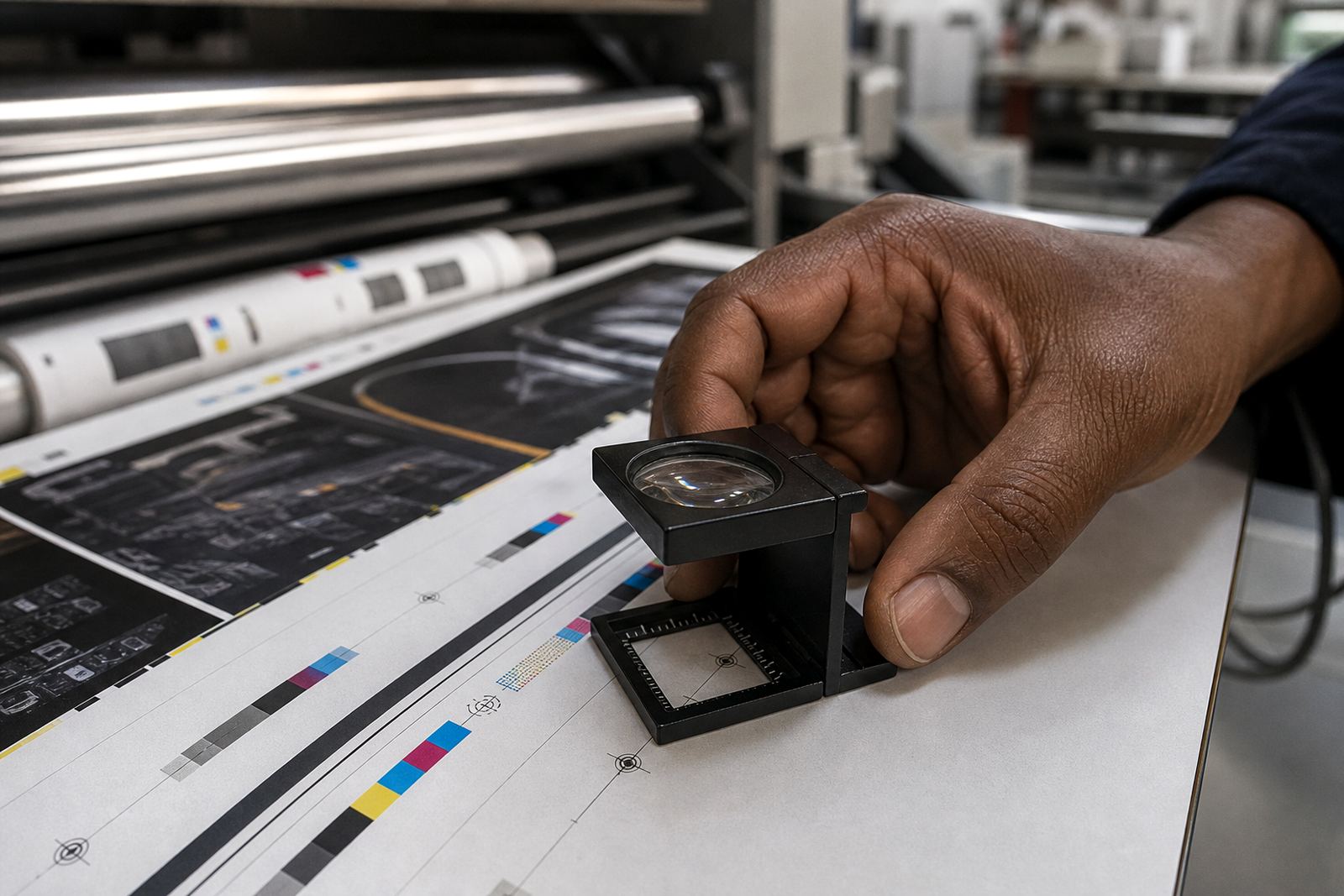
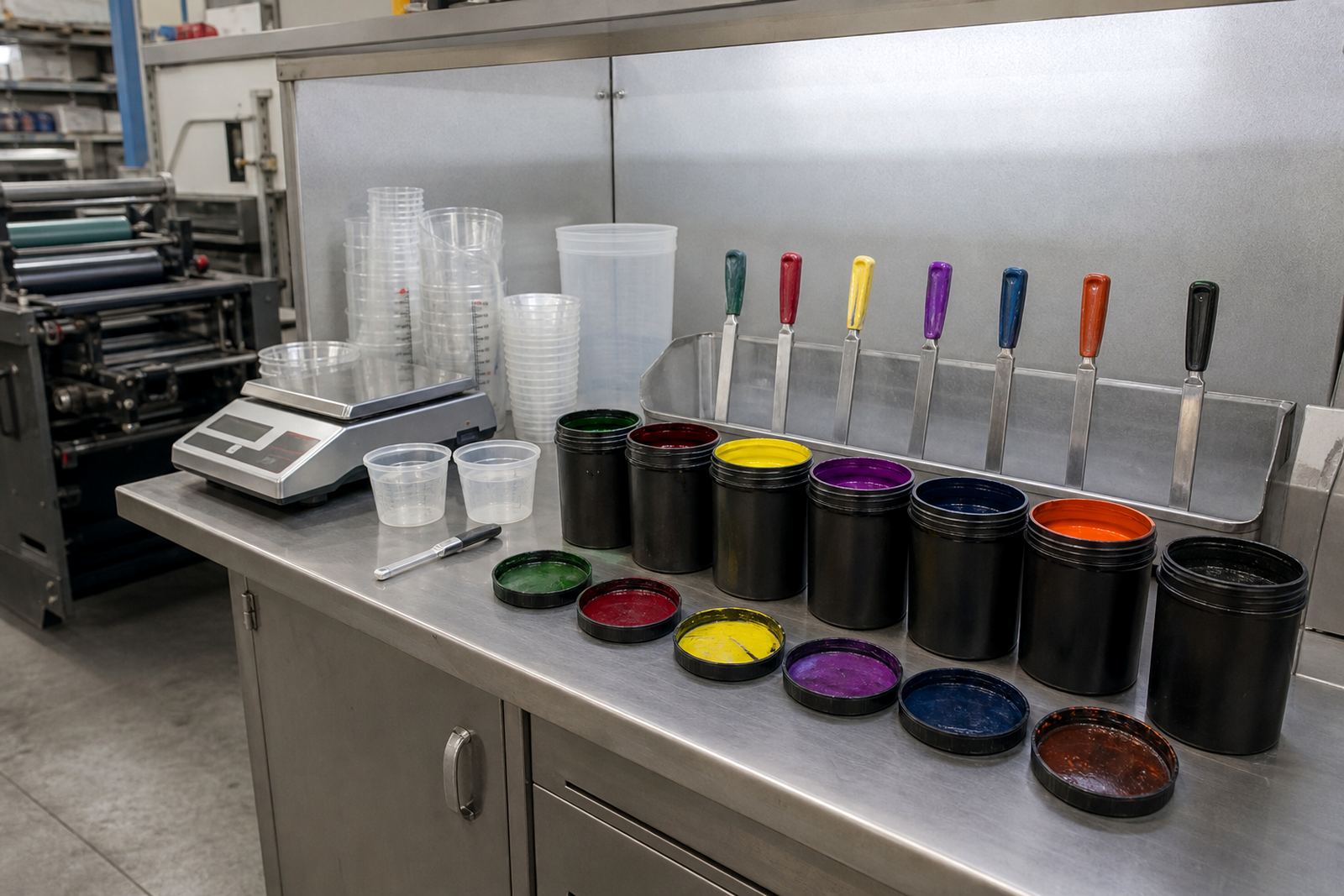
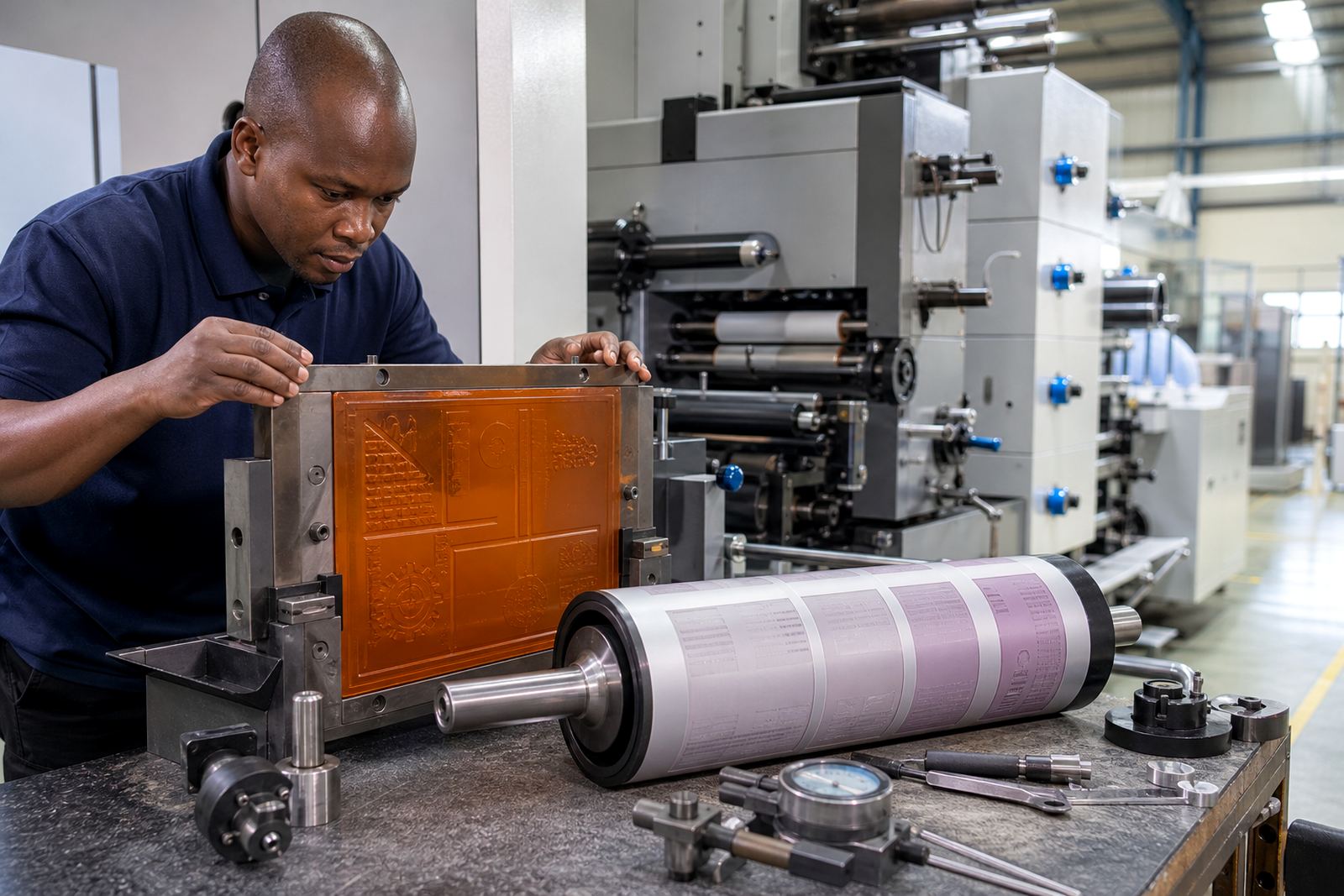
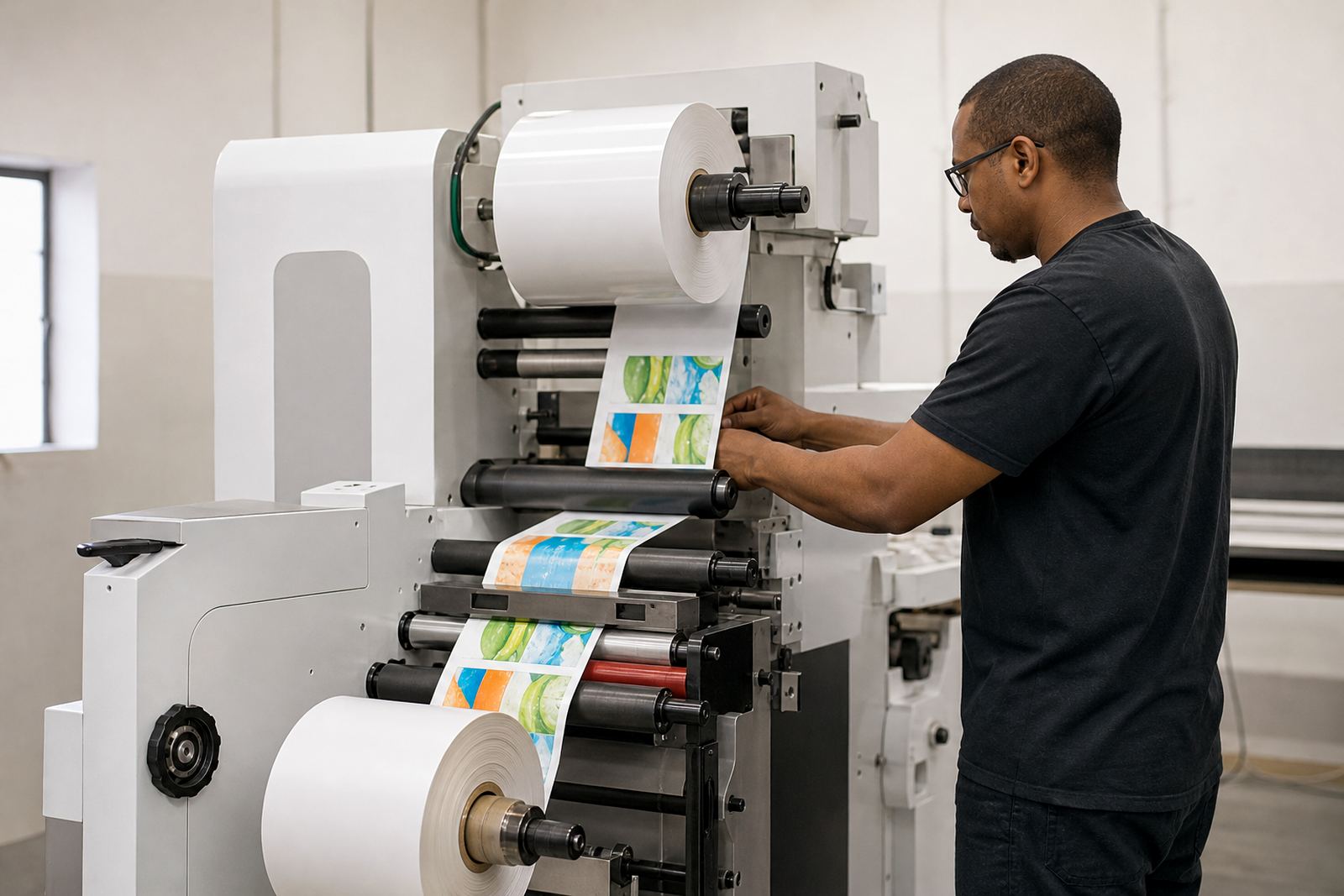
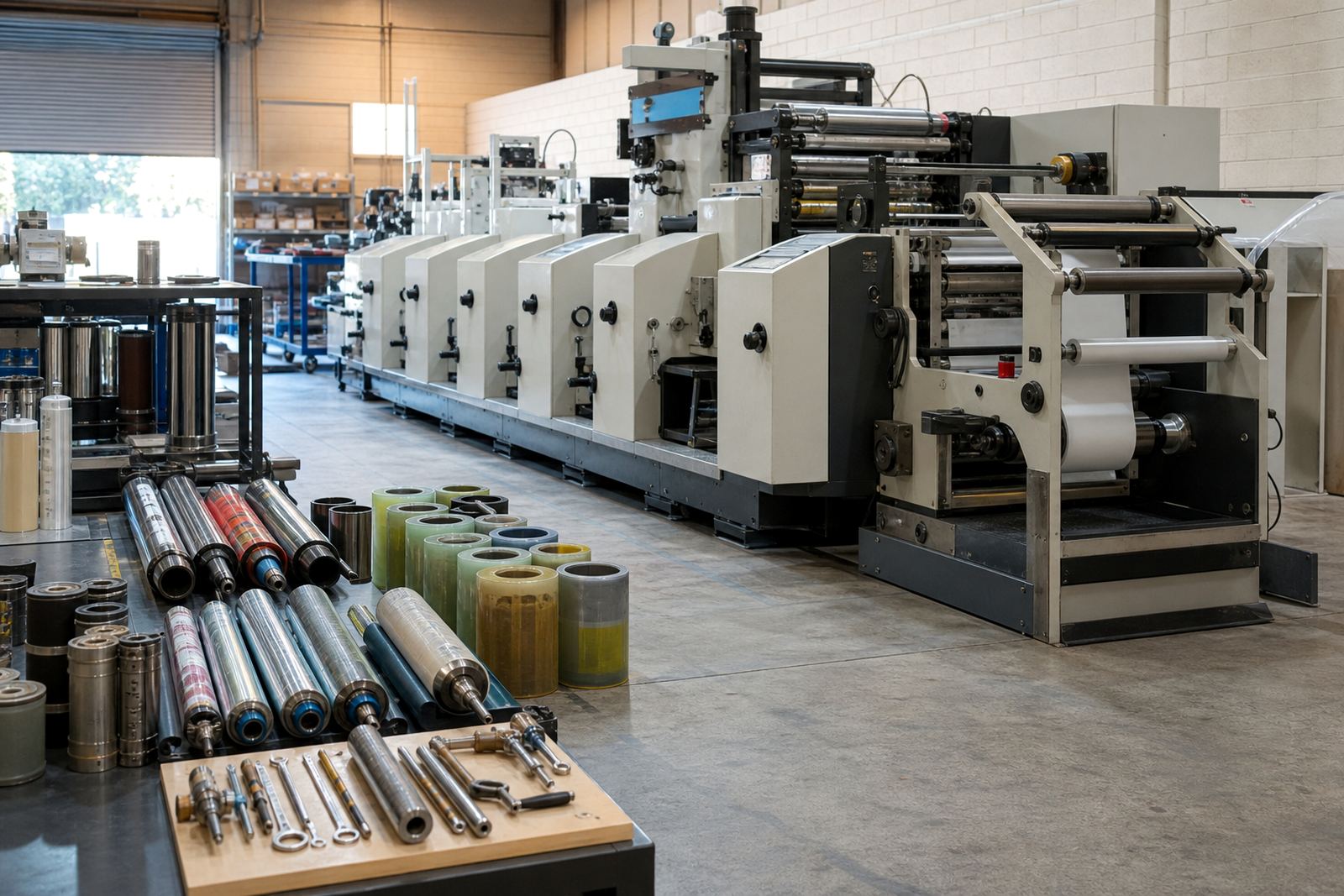
Good setup begins before the first roll goes on the press. The journal looks at practical checks such as material handling, plate condition, ink readiness, registration habits and how to plan around job changes. It also covers the basic questions that affect output quality: is the line ready for the artwork, do the operators know the setup sequence, and is the finishing step prepared to match the print run.
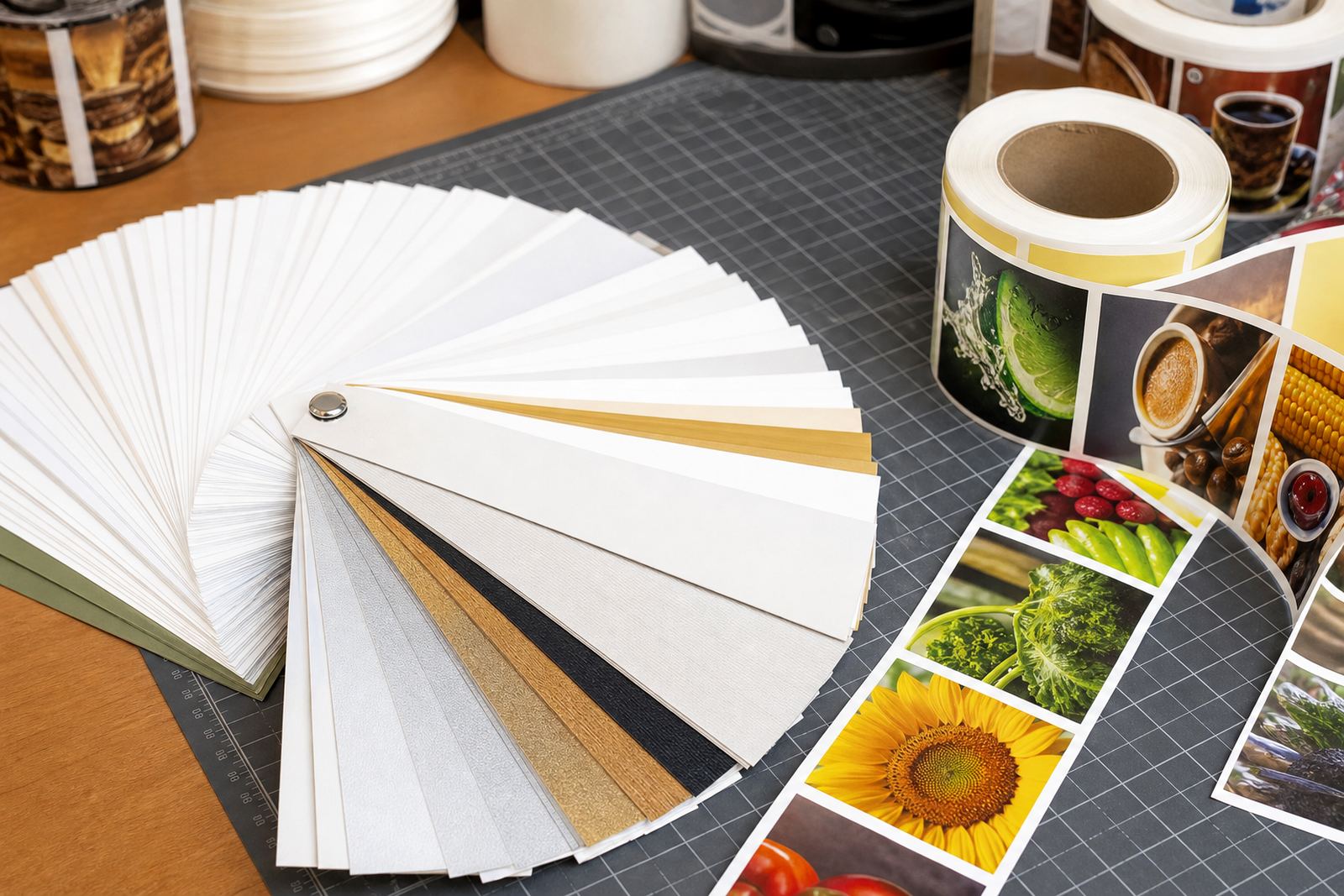
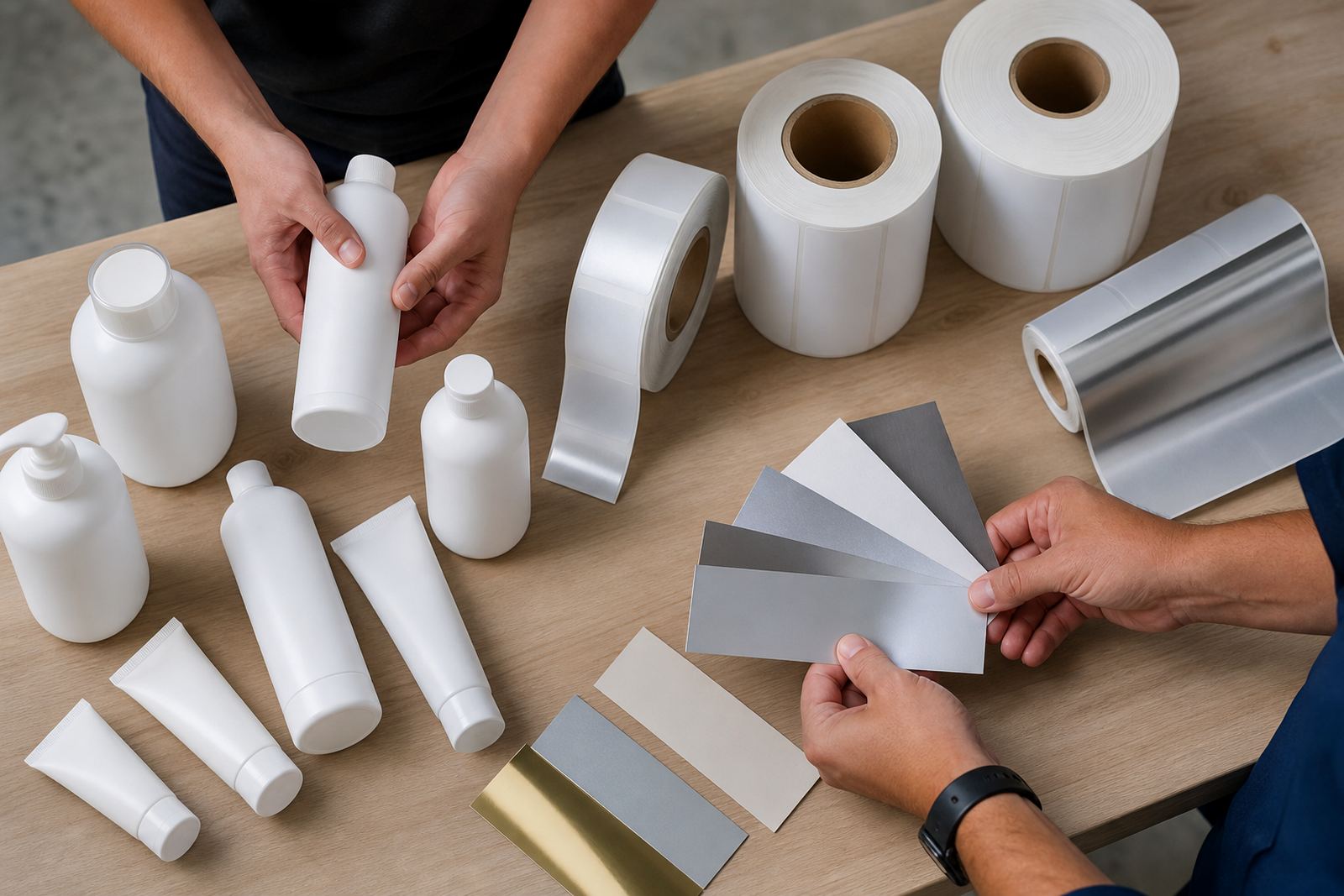
These notes are useful whether you are running labels for food, beverage, cosmetics or retail. A clean start saves time later, and it usually reduces waste too. The articles do not try to replace hands-on support but they do give teams a sensible way to think about the work before it reaches the pressroom floor.
Finishing Awareness That Protects the Job
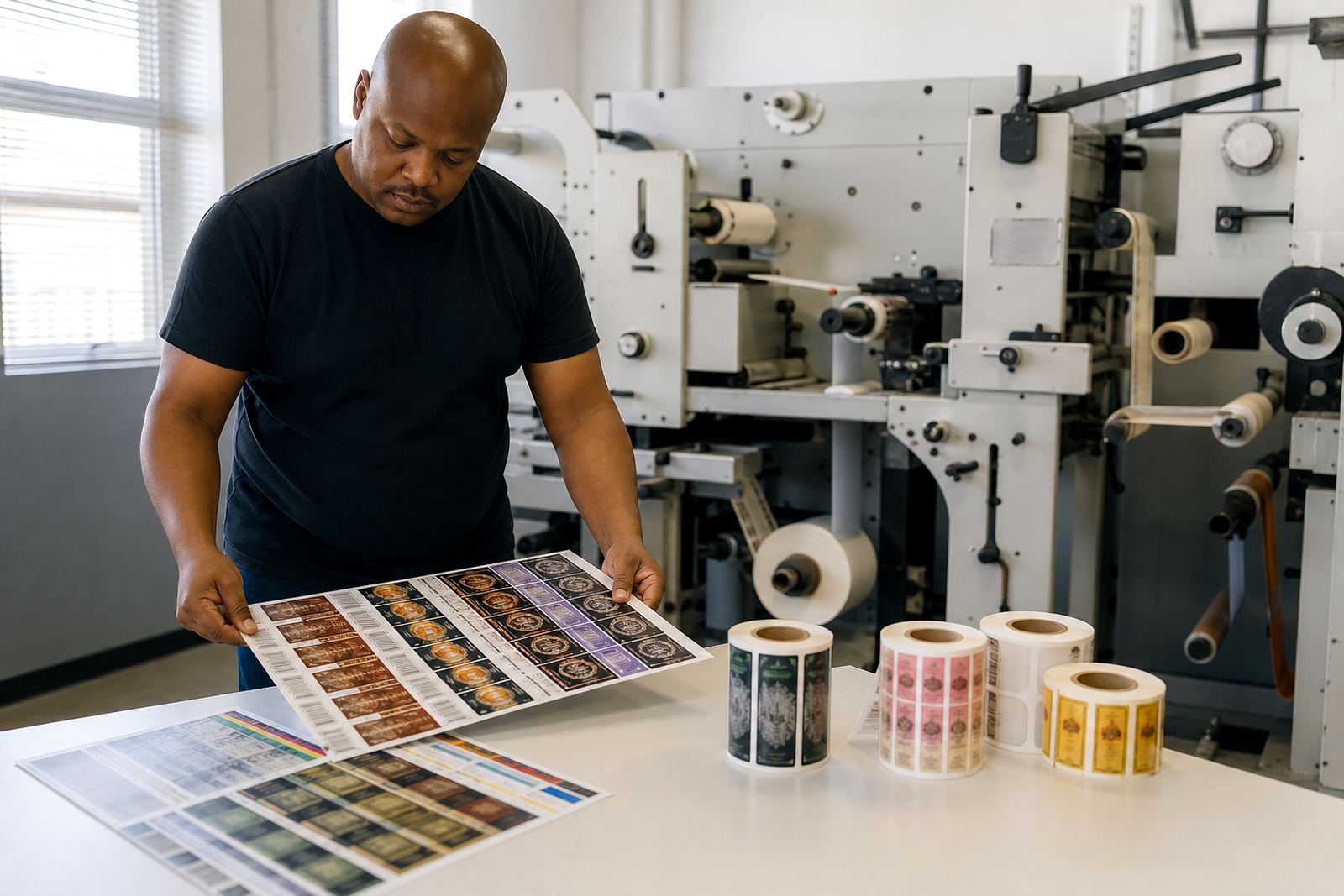
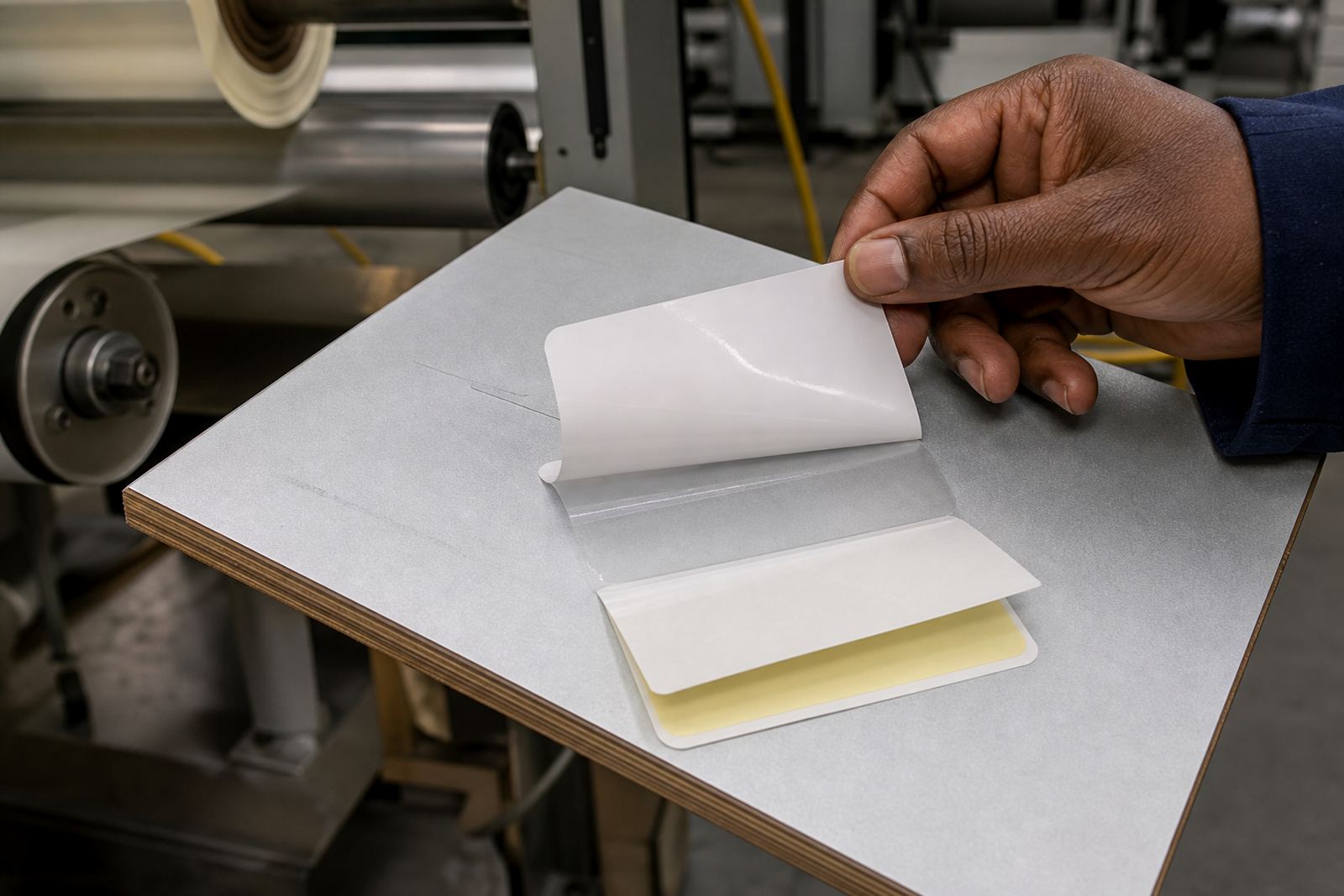
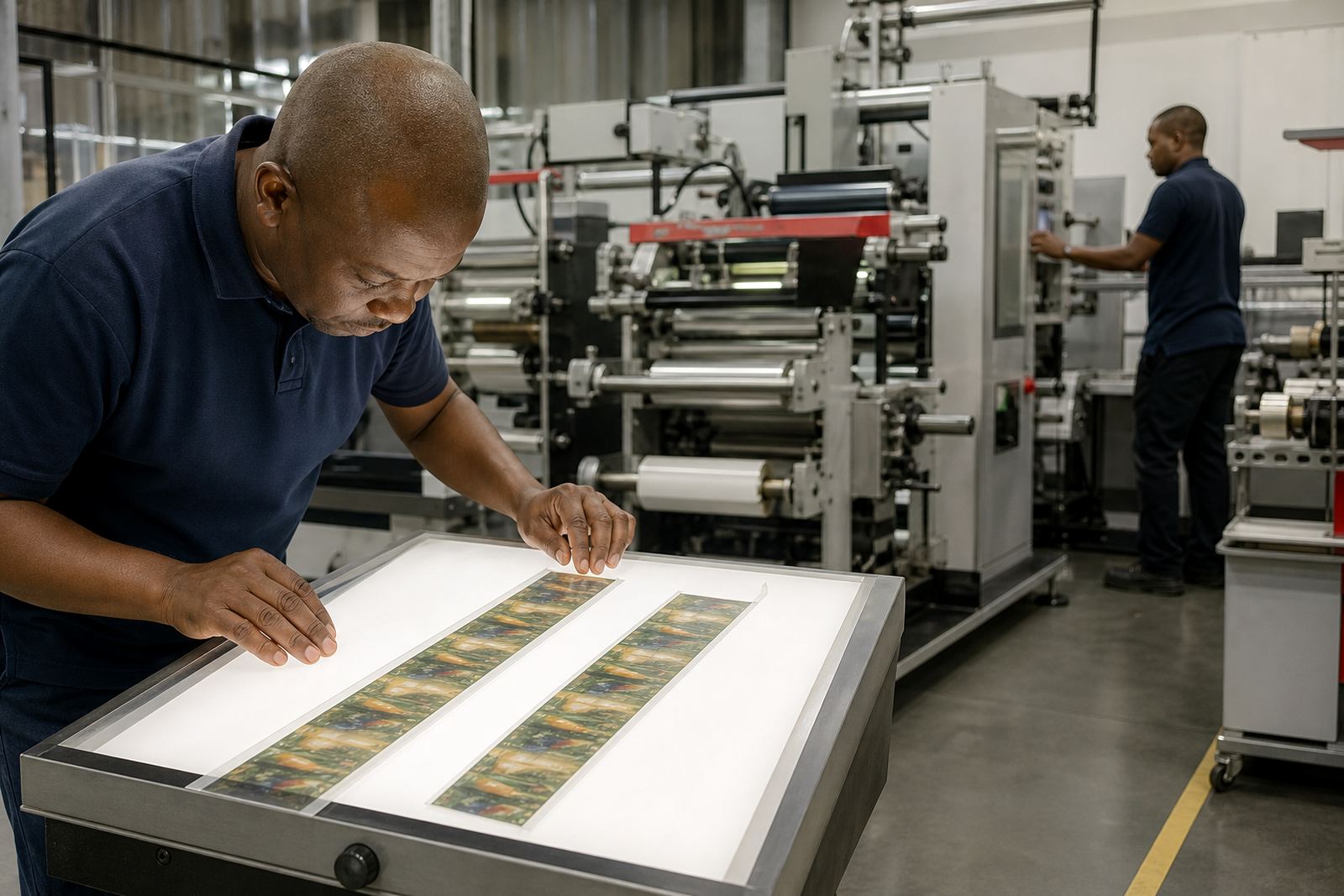
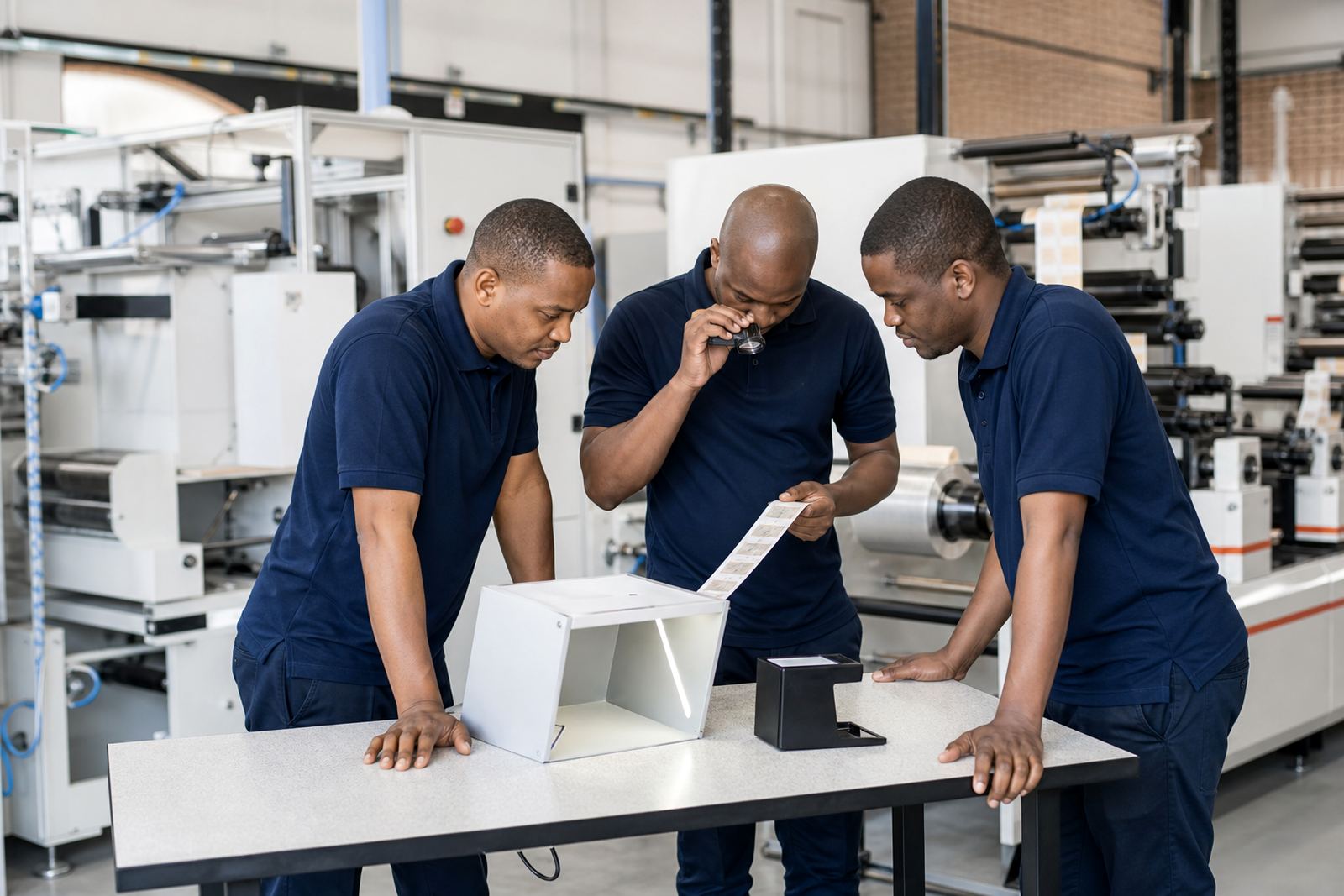
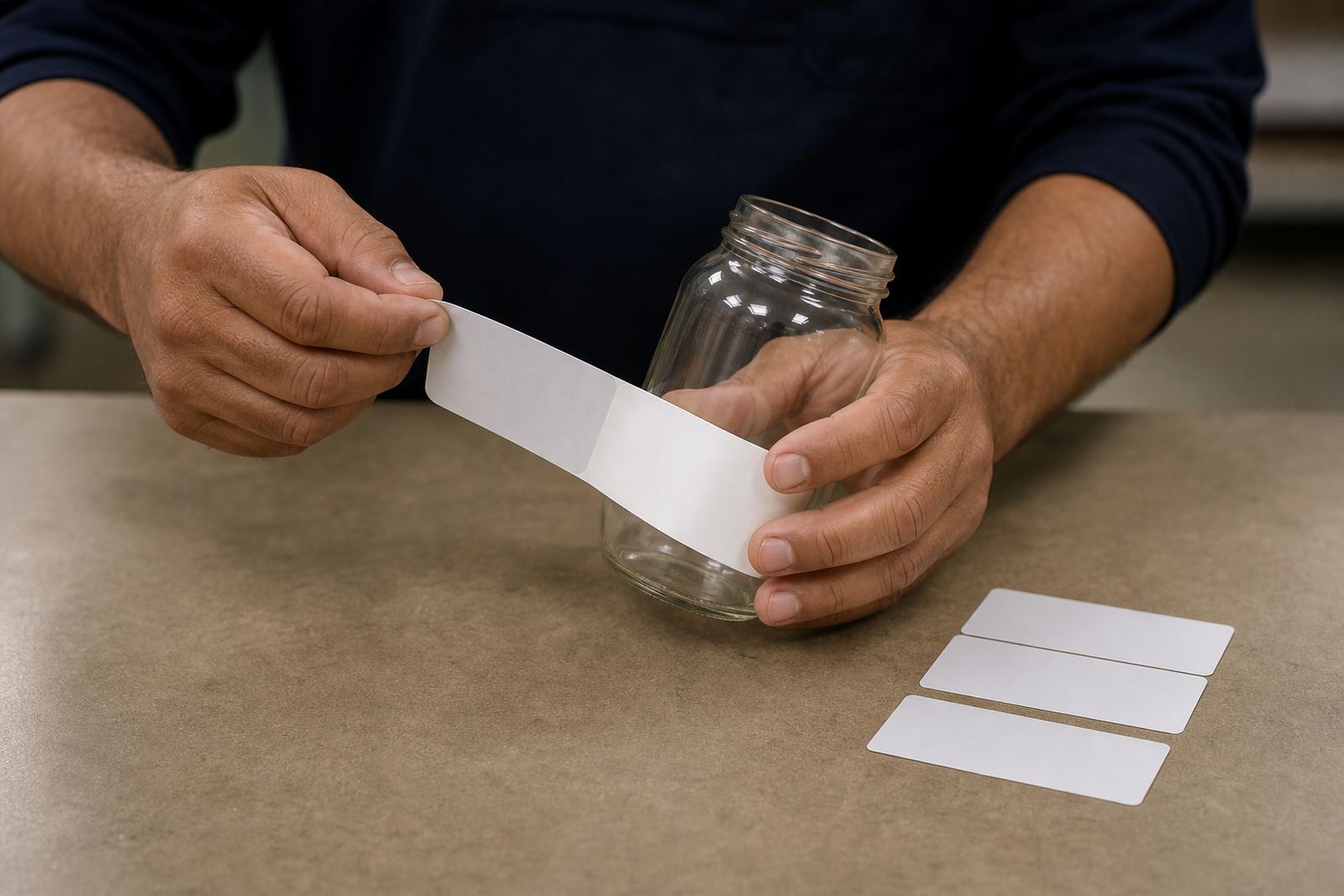
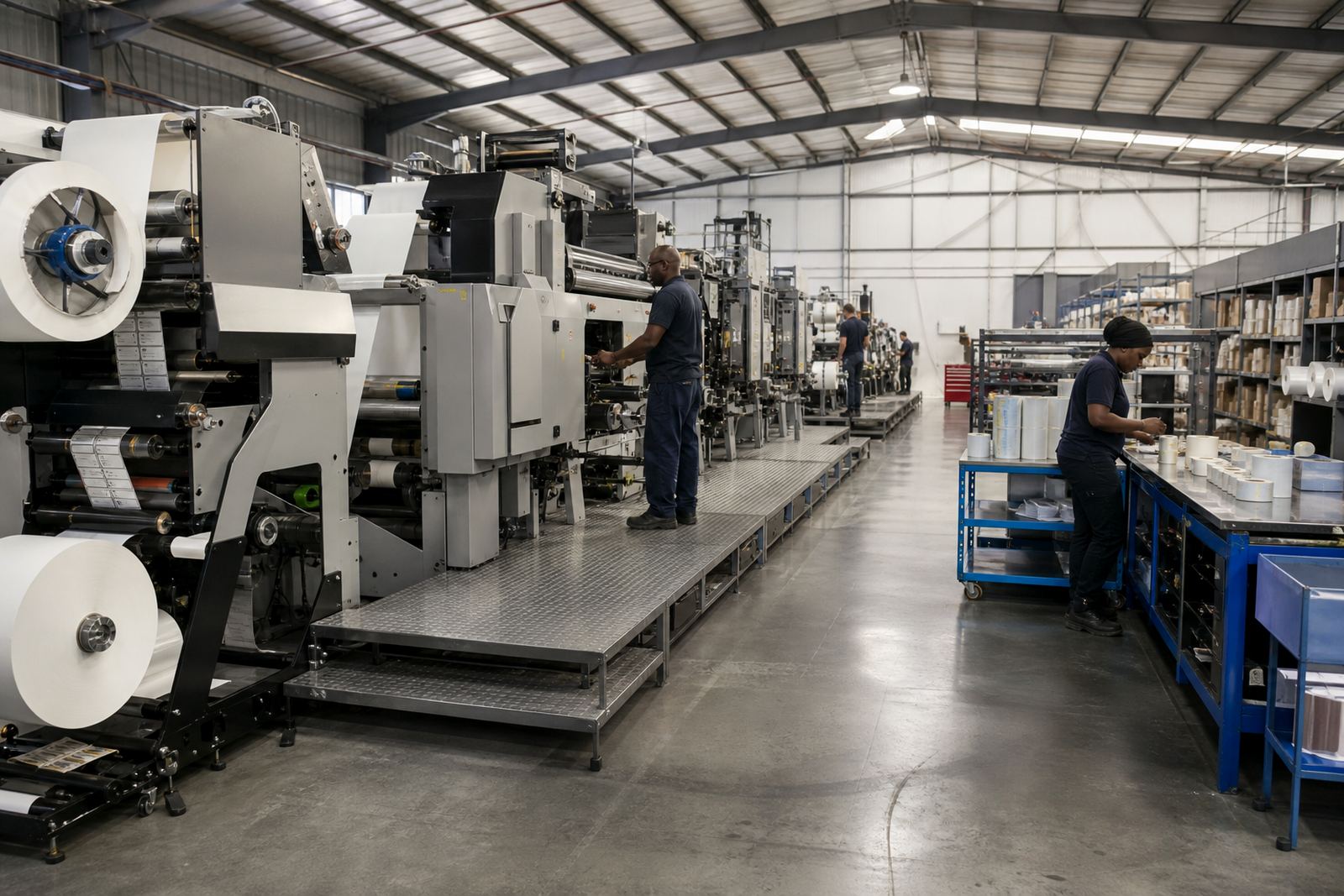
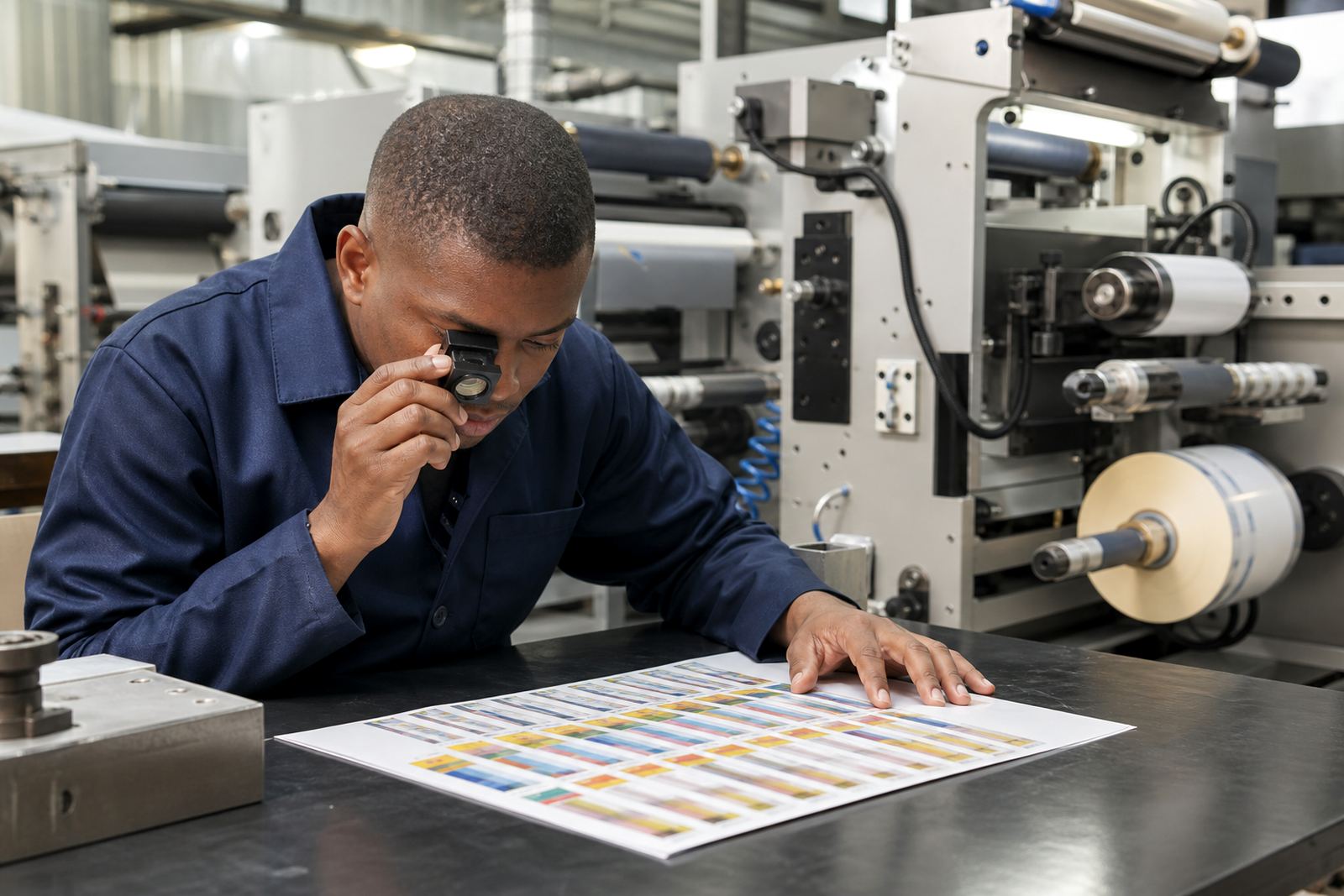
Finishing is often where a good print run can still go wrong, so this journal gives it proper attention. We cover finishing setup in a practical way, including what to watch for when labels need slitting, rewinding, die cutting or final inspection. The goal is to keep the printed job in step with the rest of the production line.
When finishing is planned early, there is less rework and fewer surprises at dispatch. That matters for converters serving retailers, distributors and brand owners who expect neat rolls, consistent count and good handling at packing stage. A small issue in finishing can slow an entire order, so it helps to spot the signs early.
- Check the finishing method against the label size and application method
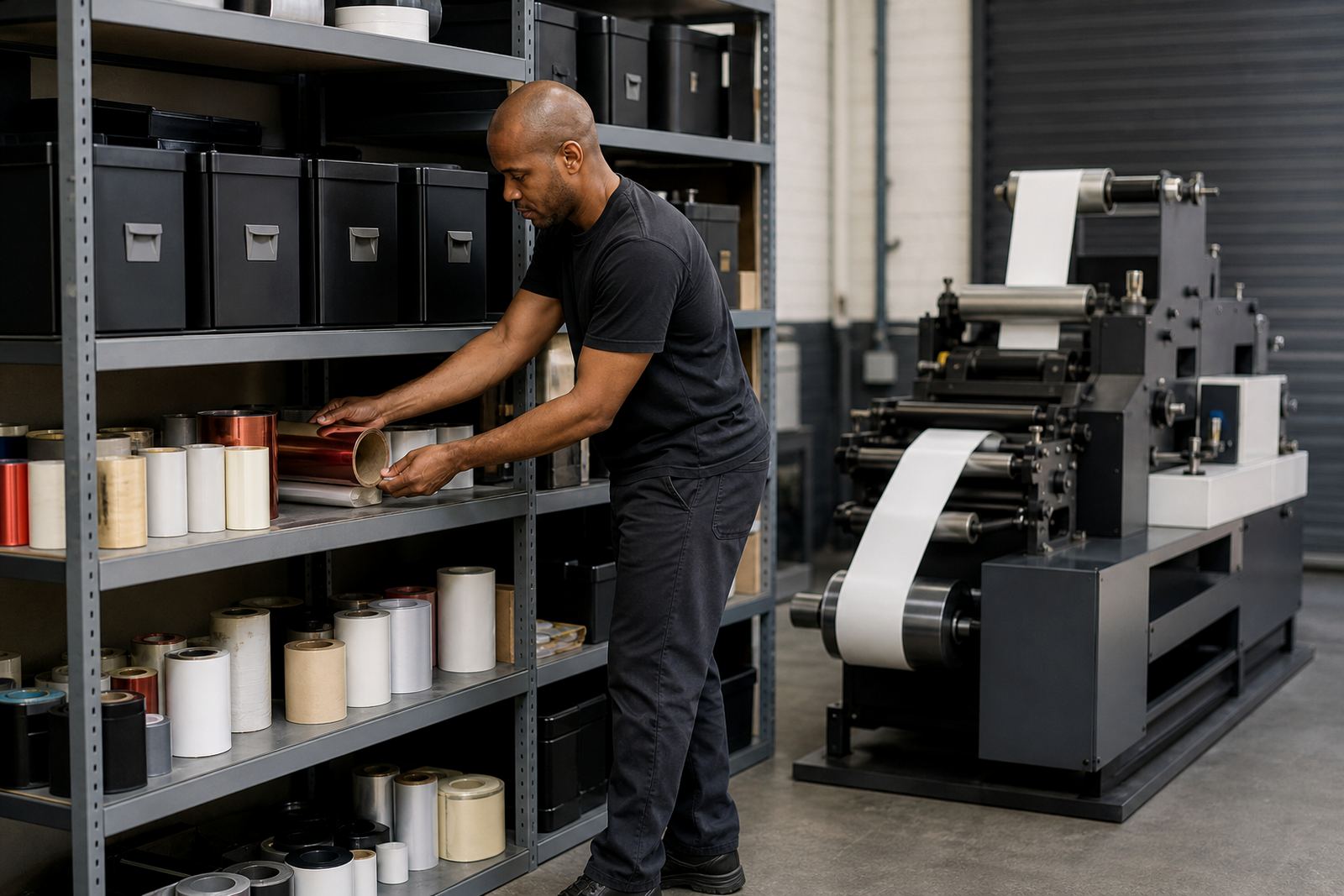
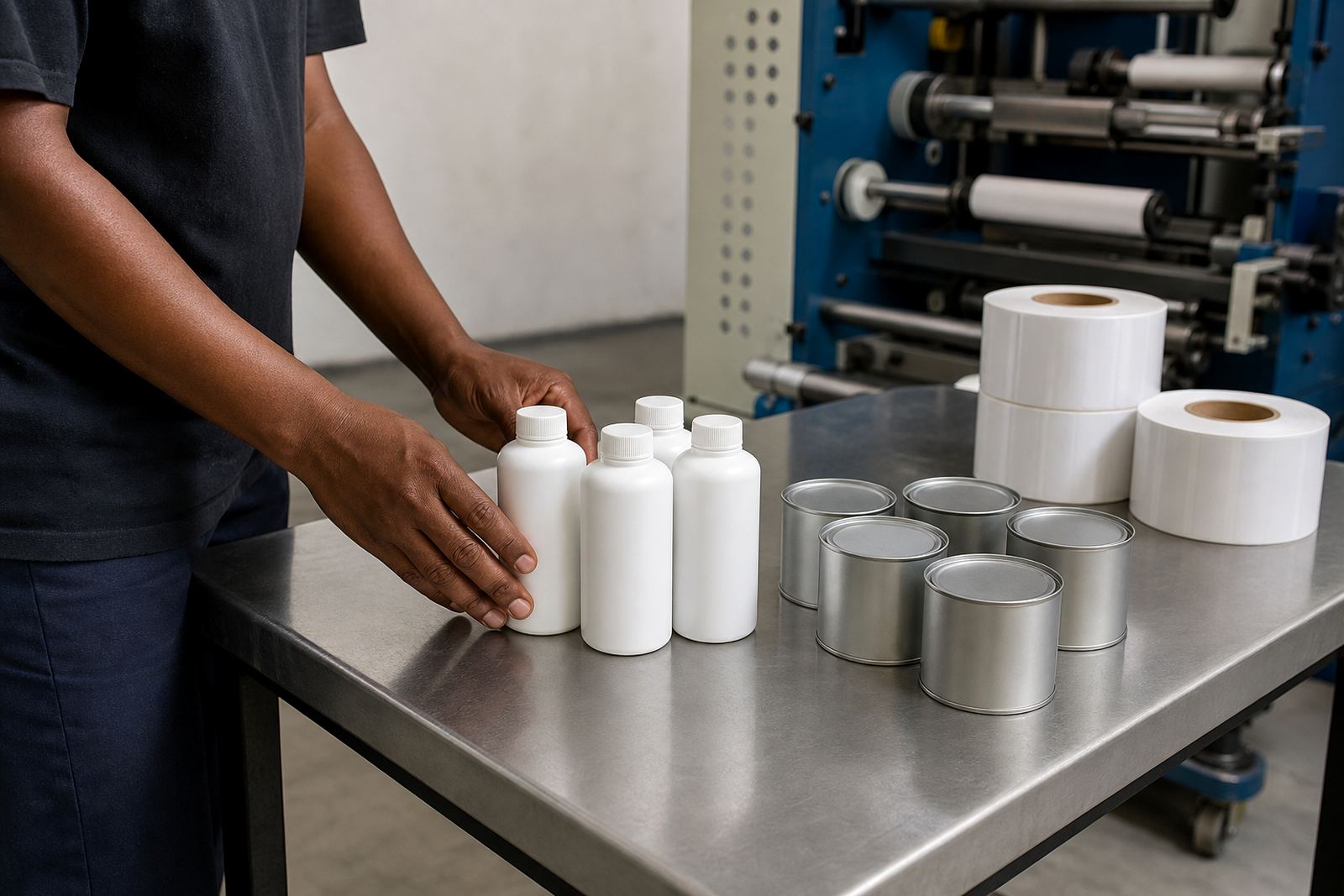
- Keep reels, cores and handling conditions aligned with the final pack spec
- Allow time for inspection before release to dispatch
Production Planning for South African Conditions
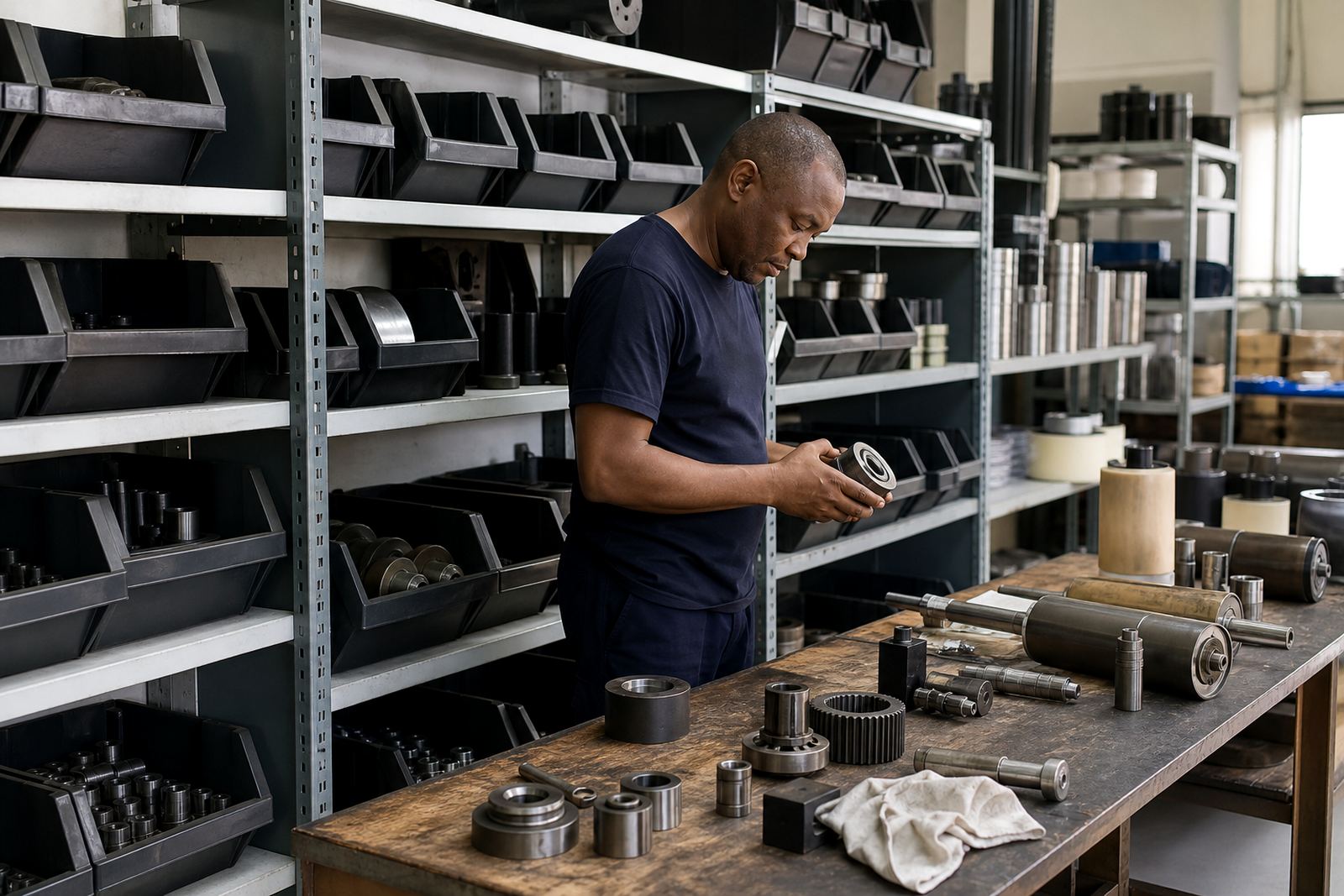
South African plants work under real pressures, from load shedding to power dips and changing delivery windows. This journal shares planning notes that fit that reality. You will find guidance on preventive maintenance, spare parts support and how to think about service visits when a pressroom cannot afford long stops.
There are also useful points for teams in Spartan, Kempton Park and the wider East Rand who need to balance workshop time with production demand. Planning is not just about calendars. It is about knowing when to schedule training, when to protect a critical machine, and when to call for help before a small issue becomes a stoppage.
Support Topics From the Flexo Team
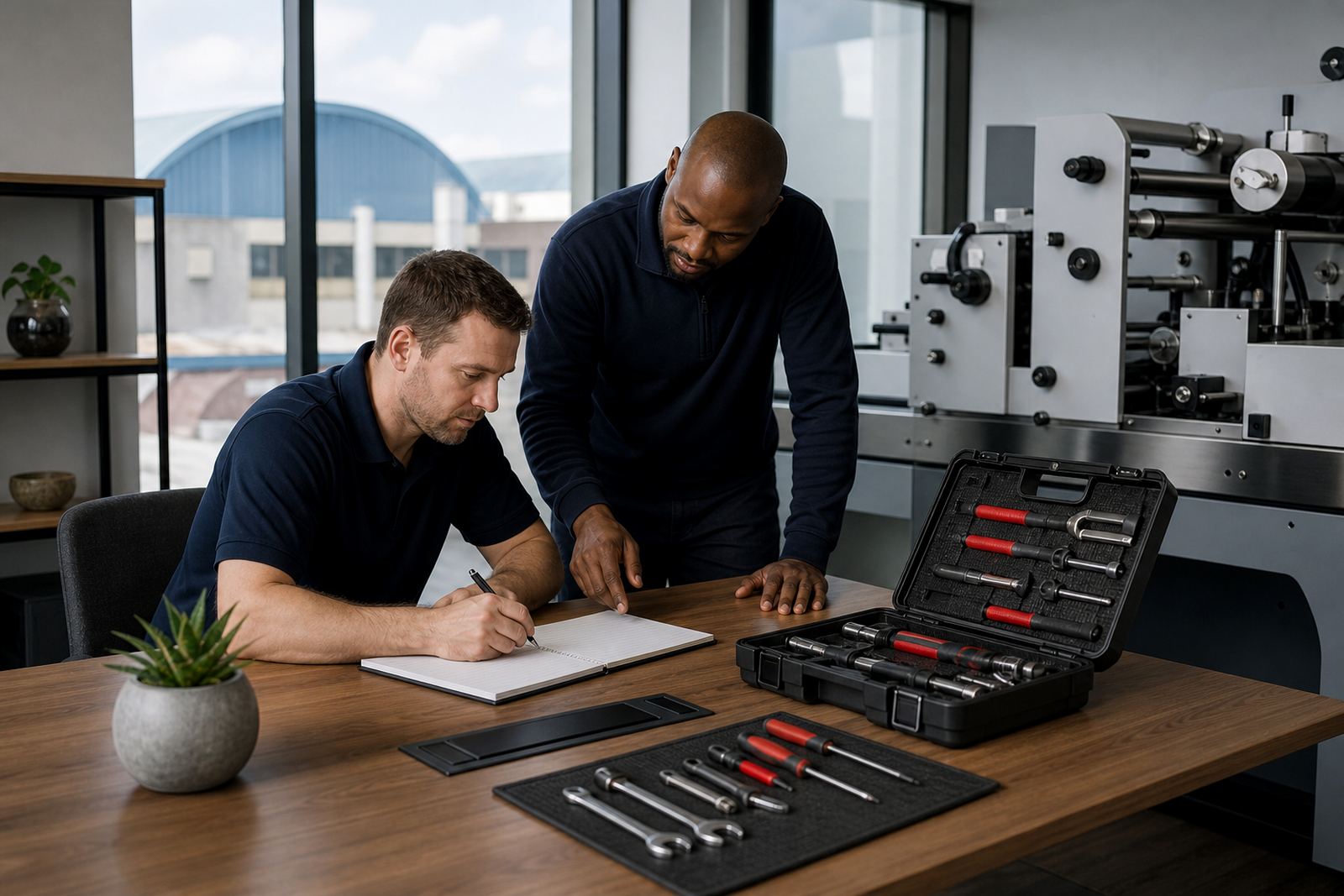
The journal also reflects the kind of support our team gives every day. That includes press installation, commissioning, operator training, startup production support, preventive maintenance, breakdown support, remote support, spare parts support, anilox care, plate mounting help, finishing setup and production consulting. Each article is written to be practical rather than theoretical, with enough detail to be useful on the shop floor.
Readers can use these notes to prepare questions before contacting us through the enquiry form on our contact page. If a topic feels too broad, start with the basics and work outward. The best results usually come from simple routines done well, not from complicated fixes that take too long to explain.
- Use the journal to prepare for a new press or a shift in production mix
- Review support topics before scheduling maintenance or training
- Match your reading to the challenge in front of you, not just the machine type