
What the sheeting module does on a narrow-web line
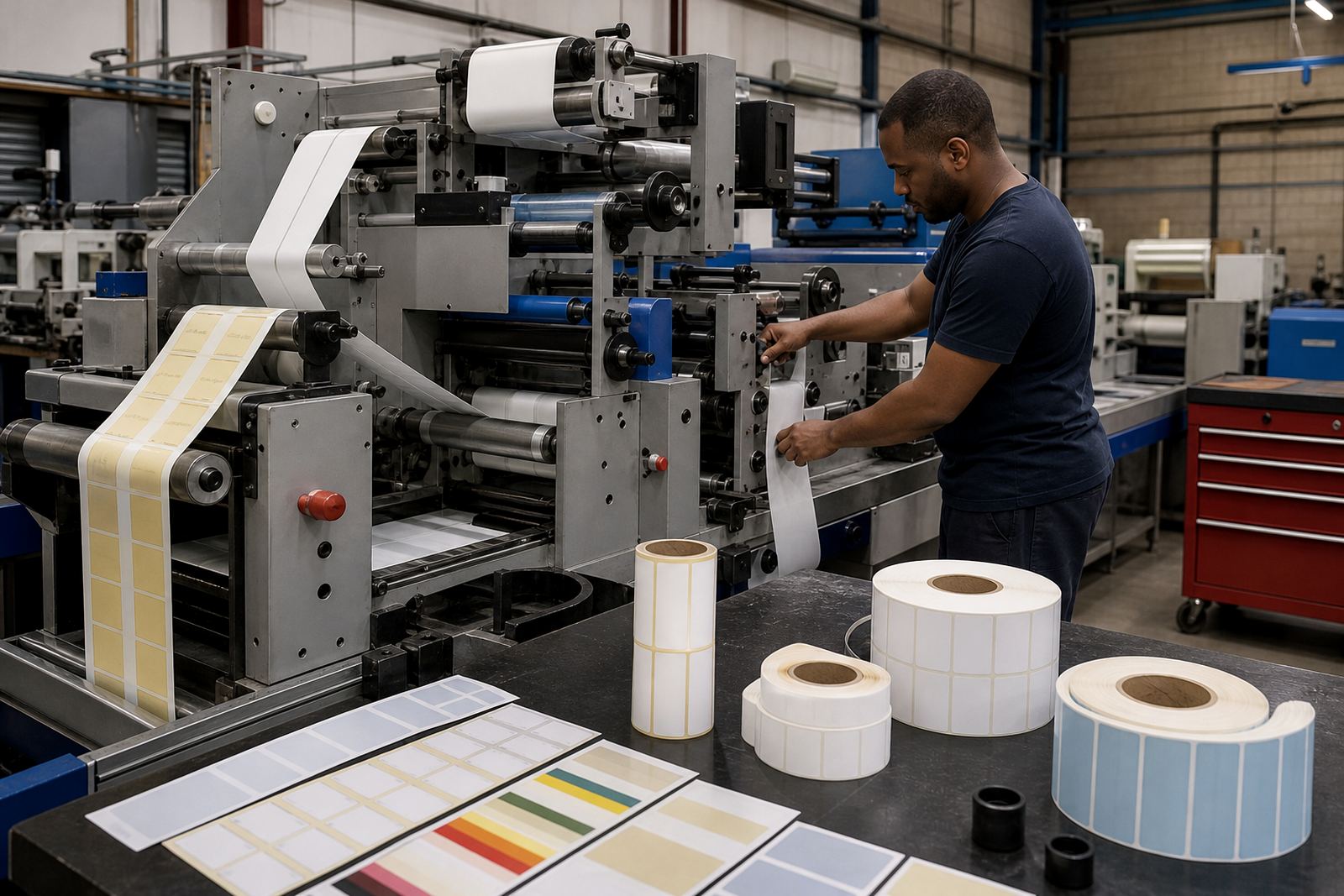
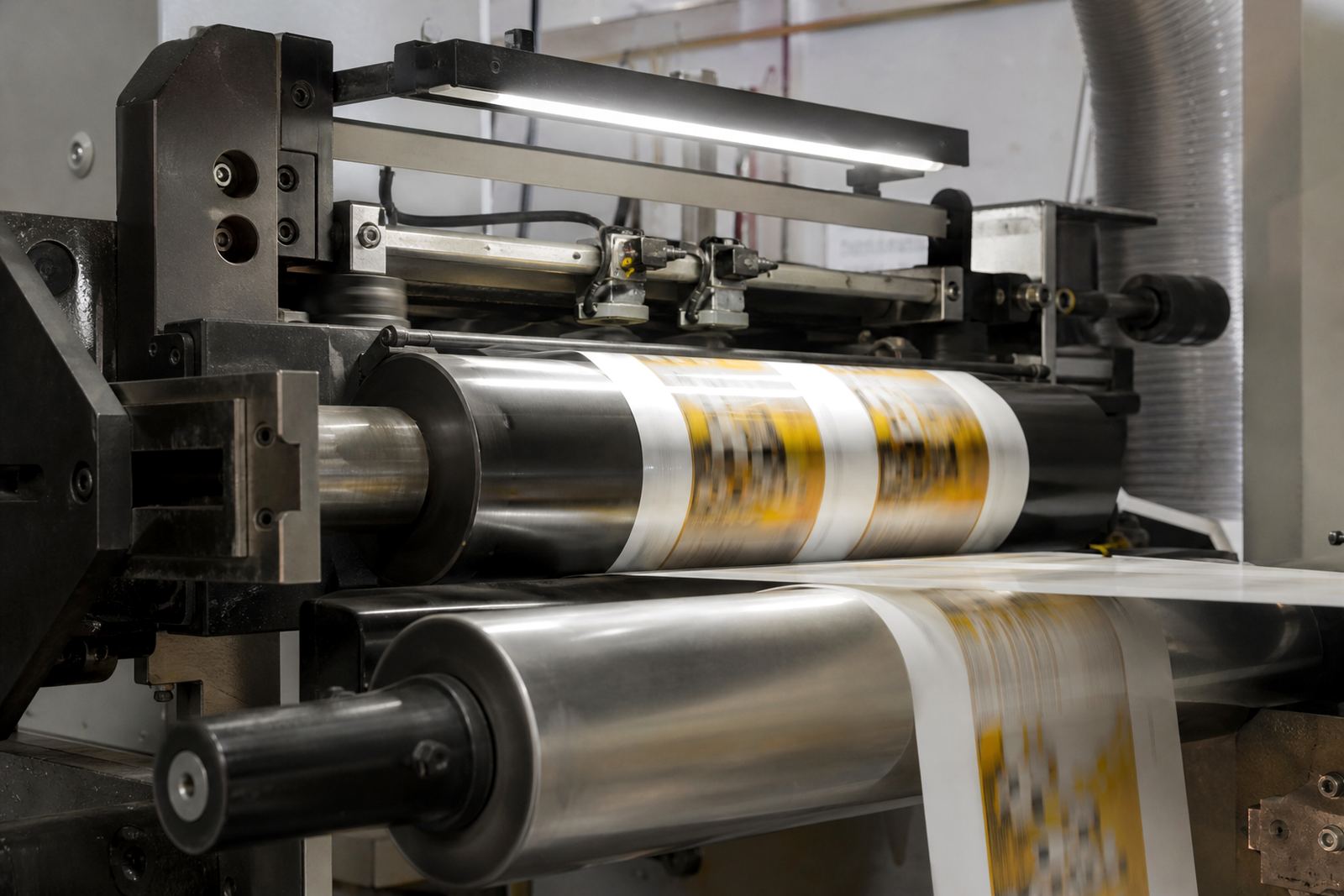
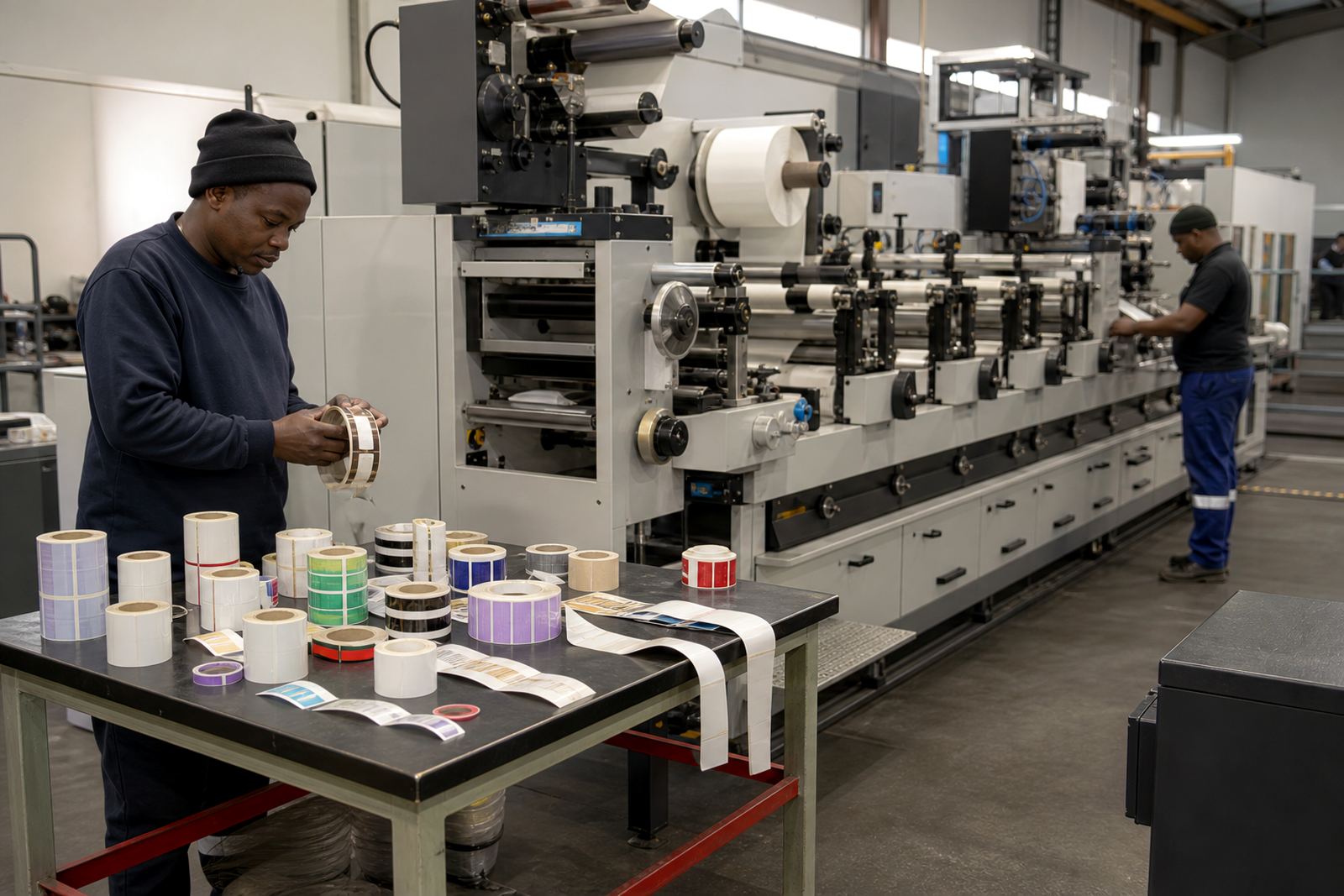
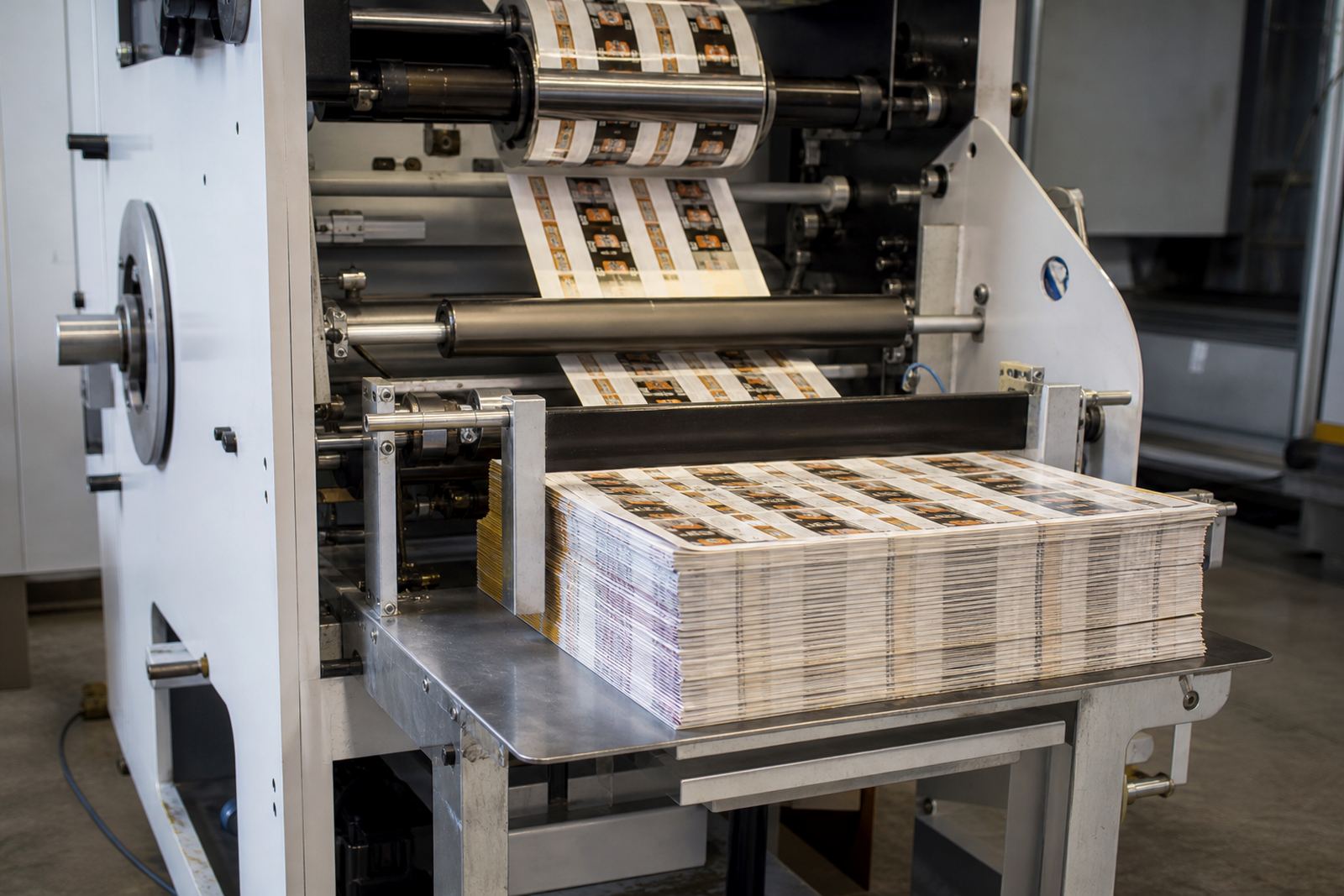
A sheeting module is fitted to a narrow-web flexo press to cut printed web into sheets at the end of the print run. For converters working with labels, inserts or light packaging components, this gives a tidy output that is easier to stack, inspect and move through the next step of production.
In practice, the module sits after printing and any finishing stations that must run before the cut. It can be used for short runs, repeat work and jobs that must be supplied in counted sheets rather than rolls. That is useful for customers in food, cosmetics, retail and industrial supply where packing teams want neat batches and less loose handling.
The exact layout depends on the press width, material grade and the way the product is handled after cutting. Some setups are aimed at manual stacking, while others are arranged to feed into a simple packing or inspection step. The main goal is consistent cut length, straight handling and a clean edge on the finished sheet.
Common sizes, formats and line options
Sheeting modules are selected to match the press and the finished sheet size required by the converter. The right option depends on web width, repeat length, substrate thickness and how the sheets will be packed after cutting. A smaller label line may need a compact module, while wider narrow-web work may call for a more open layout with better access for loading and clearing waste.
Typical choices include fixed sheet lengths, adjustable cut lengths and different outfeed arrangements. Some converters want simple single-sheet delivery, while others need a stacker arrangement to reduce handling time. If you run paper labels, film or coated stocks, the cut quality and hold-down method should be checked against the material before order placement.
- Web width matched to the press line
- Fixed or adjustable cut length options
- Manual stack or assisted stacking output
- Material support for paper and film grades
- Easy access for changeovers and clean-down
Where a sheeting module makes commercial sense
This product suits label converters who need cut sheets for packing, kitting or internal processing. It is often considered where the customer wants a cleaner handover than a roll, or where the next operation works better with sheets. Businesses around Kempton Park, Johannesburg, Pretoria and Centurion often ask for this when they are supplying local manufacturers that prefer counted sheet packs instead of rolls.
It also helps where labour needs to be kept tight. If the packing team is dealing with large volumes of narrow-web output, a sheeting step can reduce manual cutting and improve order consistency. For companies supplying Durban, Cape Town or Gqeberha, the same setup can support dispatch work where goods are boxed and palletised for transport.
- Converters supplying sheet-fed packing operations
- Short-run and repeat label production
- Work that needs easier counting and batching
- Jobs where handling damage must be reduced
- Production sites wanting cleaner output for dispatch
Installation, power and site needs
Installation is normally done as part of the press line or as a configured add-on, depending on the machine setup. The frame alignment, drive interface and cut position need to be checked carefully so the module tracks true with the web. If the equipment is being added to an existing line, the current press condition, floor space and outfeed path should be reviewed before any delivery is planned.
Power needs vary by configuration, but the module is generally supplied for standard industrial electrical conditions. Where controls, drives or sensors are included, the site should have stable power protection and enough room for safe access during setup and servicing. Gas is not normally required for this type of unit. In South African plants with load-shedding, backup power planning is worth sorting out early so the cut and stop points do not create waste.
Flooring, lighting and dust control also matter. A clean, level area helps with sheet accuracy and reduces wear on the moving parts. If the plant is in a coastal area like Durban or Gqeberha, extra care is needed for humidity and corrosion control around the electrical components and bearings.
Care, servicing and daily checks
A sheeting module needs regular attention to keep the cut clean and the output consistent. The blade or cutting element should be checked for wear, and the feed path should be kept free of adhesive build-up, paper dust and trim waste. If the module is left dirty it can start to mark the web or give uneven edges, especially on lighter stocks.
Operators should check alignment before each run and watch for any change in cut length, noise or tension. Preventive maintenance should include cleaning, lubrication where required, fastener checks and inspection of any sensors or drives fitted to the unit. In busy plants, a small issue left unattended can cause downtime across the whole shift, so it pays to keep a simple service log.
- Check blade condition before production starts
- Remove dust, trim and adhesive build-up daily
- Inspect alignment after changeovers
- Monitor cut length and stack quality during runs
- Book periodic servicing before wear causes stoppages
What to confirm before ordering
Before ordering, confirm the press model, web width, finished sheet size and the substrate types you plan to run. If the output will include paper and film, say so up front because the cutting and handling requirements may differ. It is also important to state whether the sheets must be stacked, dropped to tray or handed off to another process.
You should also check the available floor space, operator access and power supply at the site. If the line will run in shifts or under time pressure, ask about startup support and operator training so the team knows how to set tension, clear waste and stop the unit safely. For converters serving Johannesburg, Pretoria, Durban, Cape Town and Gqeberha, a proper handover helps keep production moving across the first few jobs.
At Flexography Printer in Spartan, Kempton Park, we support narrow-web press users with installation, commissioning, training, preventive maintenance and breakdown support across South Africa. If you need a sheeting module as part of a new line or as an add-on to an existing press, the enquiry form on our contact page is the right place to start.
Key facts
| Product type | Sheeting module for narrow-web flexo lines |
|---|---|
| Output format | Cut sheets from printed web |
| Compatible materials | Paper, film and coated label stocks, subject to application |
| Cut length | Fixed or adjustable, depending on configuration |
| Installation | In-line or configured add-on to the press line |
| Power and utilities | Standard industrial electrical supply; no gas normally required |