What a varnish station does on a narrow-web press
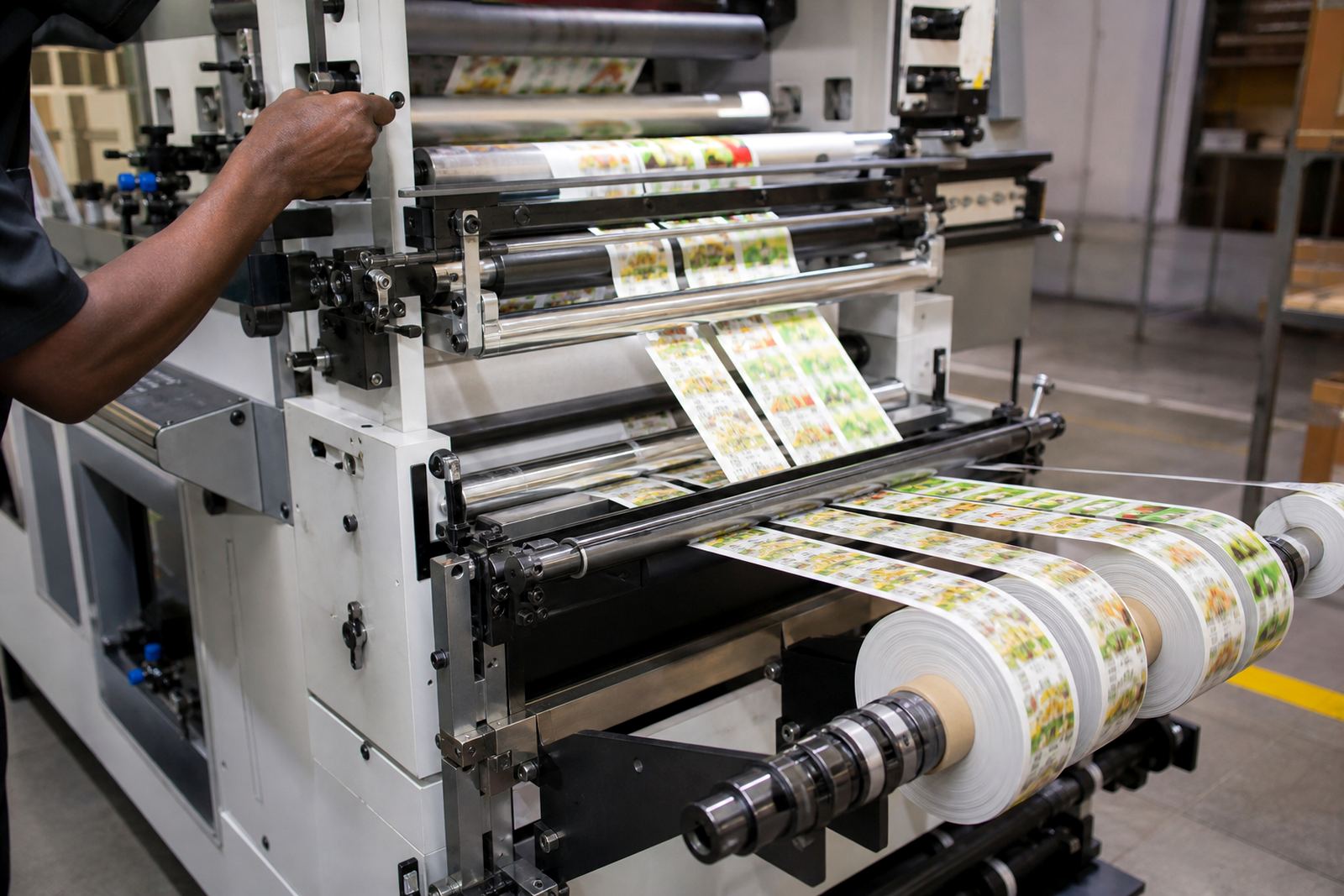
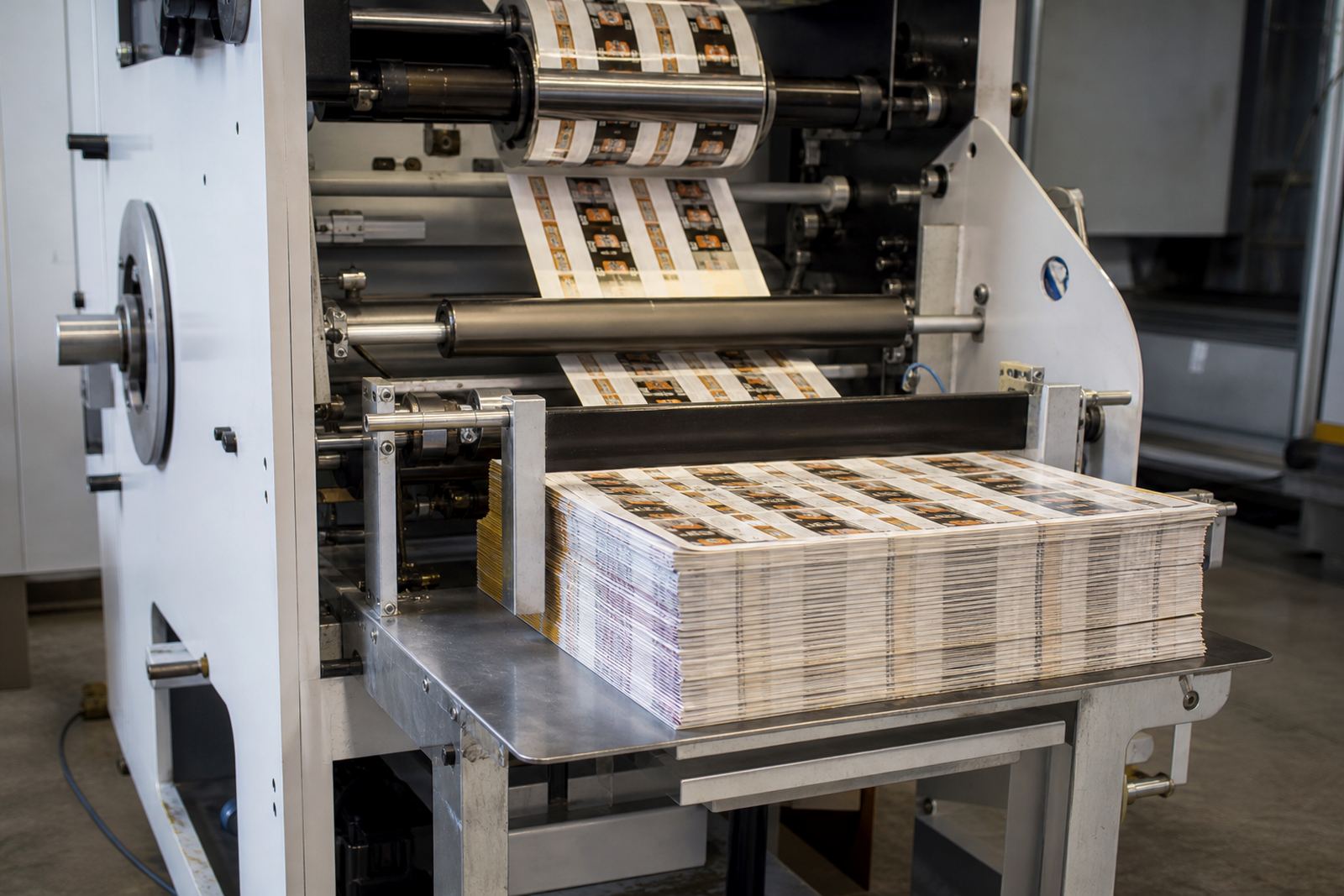
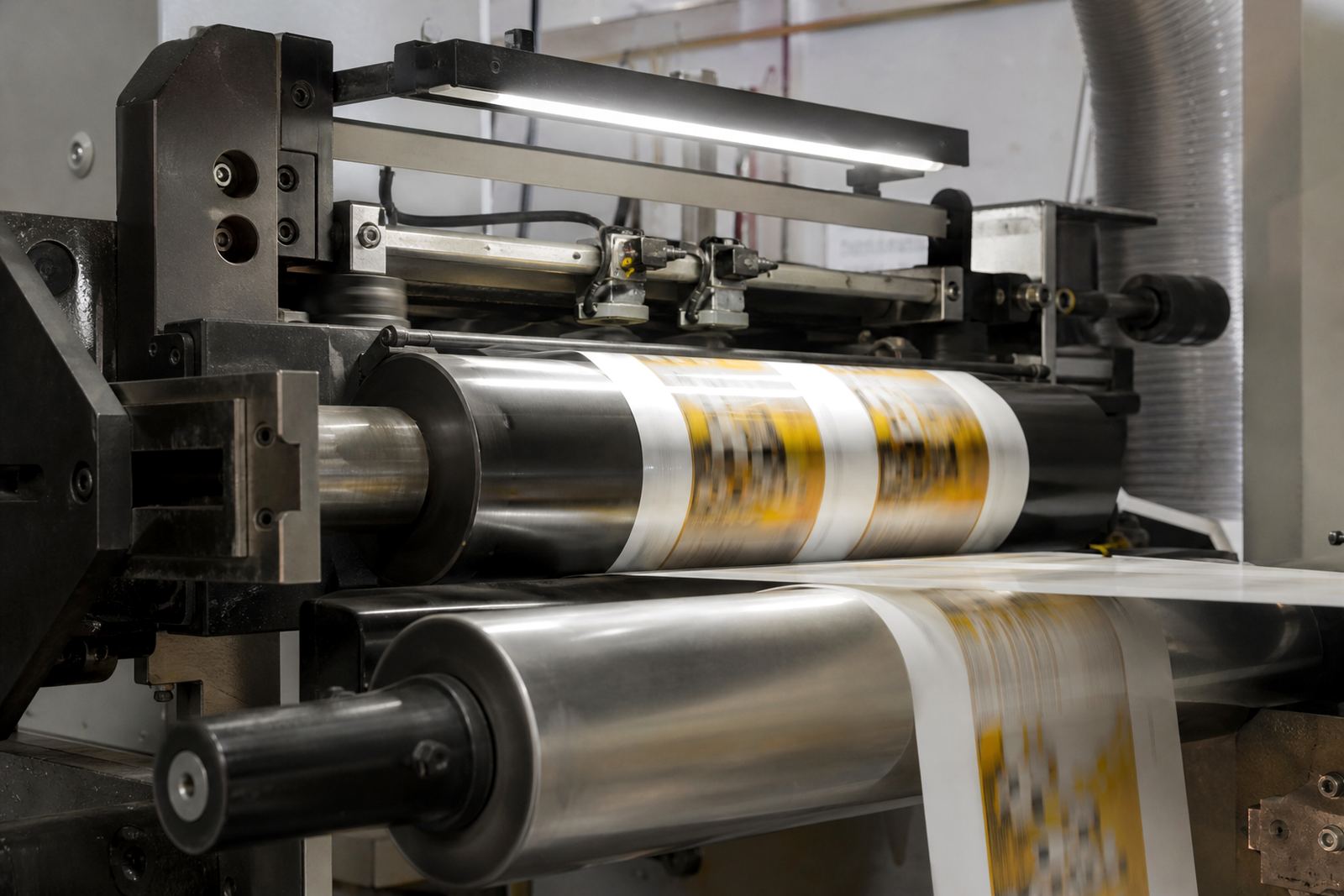
A varnish station is an added printing or coating unit fitted to a narrow-web flexo label press for applying a protective or visual top coat to labels and light packaging work. In practical terms, it gives the converter a way to add gloss, matt or spot finishing without moving the job off the press for a separate coating step. That helps keep production moving and reduces handling between stages.
On South African label work, this is often useful for products that need better scuff resistance, moisture protection or a cleaner retail finish. It suits food and beverage labels, cosmetic labels, household products, wine and craft packaging, and retail items that need a neat surface look. The station can be used as part of a standard flexo line or as a dedicated finishing point depending on the press layout and job mix.
Common sizes and build options for local label work
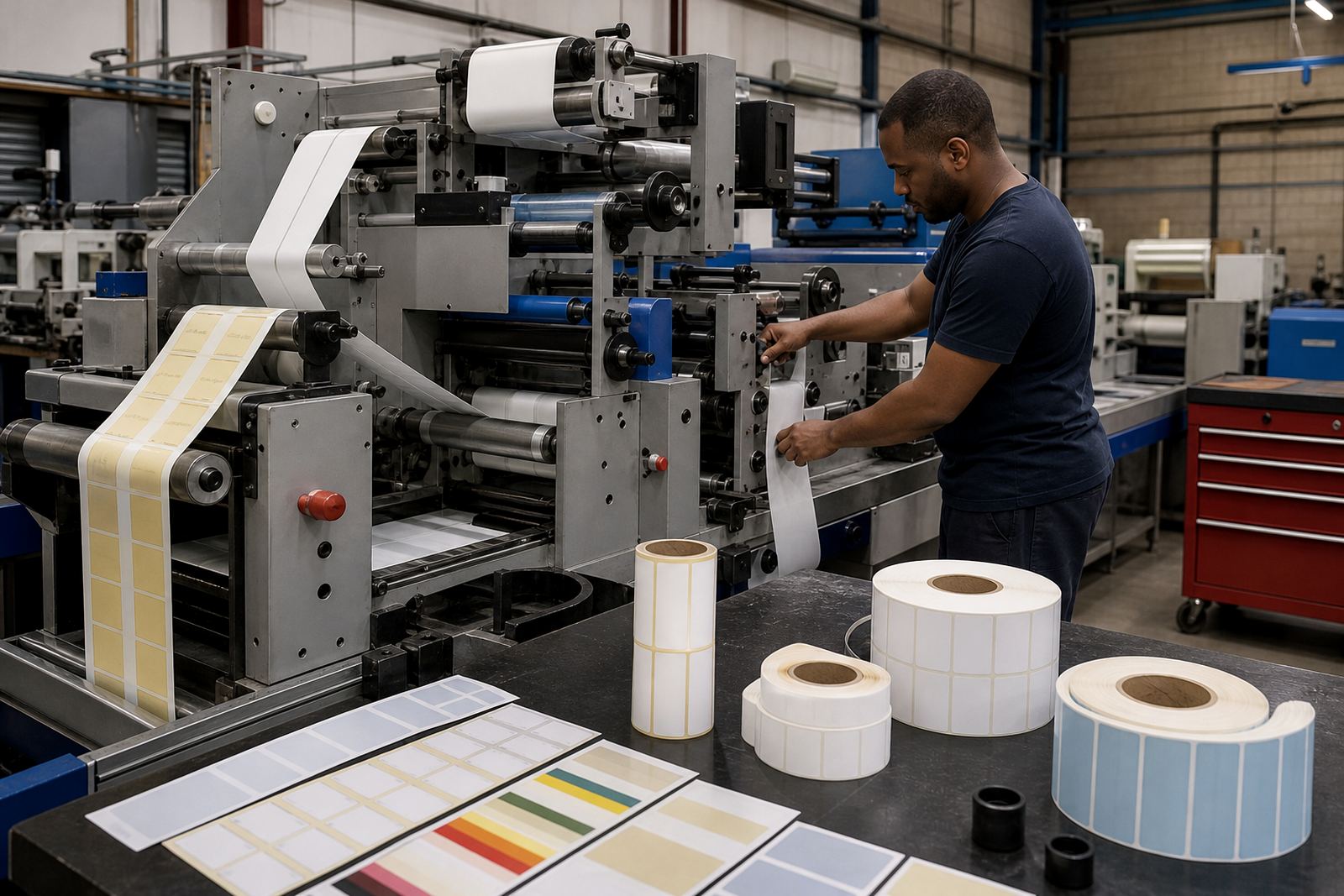
Varnish stations are selected to match the press web width, repeat length and the way the line is built. The right unit depends on whether the press is running short labels, mid-length wrap labels or larger format jobs. A station may be supplied as a standalone module or integrated into a full press set-up with drying and rewinding support.
- Web widths commonly matched to narrow-web label presses from small to mid-width production ranges
- Compatible with water-based, UV or other press-side varnish systems, depending on the job requirement
- Available for gloss, matt, spot or full-coat finishing, subject to the rest of the line setup
- Can be positioned inline where the press layout allows, or added as part of a line extension
- Built to suit label stock, adhesive-backed materials and typical converter workflows
When ordering, it helps to confirm the actual web width, substrate type, speed range and whether the station must fit an existing press frame. That avoids delays and keeps the installation tidy from the start.
Where a varnish station suits best
This type of station suits converters that need more control over the finished label surface. It is a good fit where labels must resist rubbing during packing, transport or cold-room handling, and where presentation matters at point of sale. It also helps when the customer wants one job to carry both print and finish in a single pass.
Many operations in Gauteng and other coastal or inland centres use varnish stations where humidity, dust or repeated handling can affect the appearance of labels after print. In warehouses and production rooms, a finished coat can reduce the chance of print marking and help the label stay presentable during packing and distribution. It is not only for high-volume plants either, smaller converters often use it to lift the value of standard label work without changing the whole workflow.
For teams in Johannesburg, Pretoria, Durban, Cape Town and Gqeberha, a varnish station can also help when a client asks for a specific finish on food labels, health and beauty packs or retail stickers that must look clean on shelf. The key is matching the coat type to the substrate and checking that the press line can cure or dry it properly.
Installation, drying and power checks before commissioning
Installation begins with checking the press frame, mounting points, web path and available space around the line. The varnish station must be aligned correctly so the substrate runs straight through the coating section and into the next stage without wrinkling or edge wander. If the station is being added to an existing press, the service team will also check tension control and the existing drying arrangement.
- Confirm available electrical supply for the station and any drying or curing equipment
- Check whether the line needs compressed air for control functions or actuator movement
- Allow space for ventilation around curing or drying units, especially in warm production rooms
- Make sure the web path leaves enough clearance for inspection, cleaning and plate or sleeve access
- Plan for stable power, since load-shedding and power dips can affect curing, drying and line restart quality
In some setups, a varnish station may need supporting equipment such as a drying tunnel or curing unit, plus extraction or airflow management depending on the finish type. The exact need is driven by the coating chemistry and press layout. During commissioning, the line should be tested at a safe speed first, then brought up to production pace once the finish is even and the web is tracking properly.
Care, servicing and practical checks for daily running
Like any press-side unit, a varnish station needs regular cleaning and inspection to keep output consistent. Build-up on rollers, coat trays or application parts can affect the finish and lead to patchy coverage or waste. Operators should clean the unit at changeover and check for wear before starting a new run. If the line is working with UV or other curing systems, the lamps, reflectors and cooling path should also be checked on schedule.
Preventive maintenance helps avoid stoppages that are harder to fix once production is under pressure. That includes checking bearings, drive parts, seals, fluid paths and the condition of any applicator surfaces. In humid coastal conditions, it is worth watching for corrosion or contamination, while in dusty inland plants the cleaning routine may need to be a bit more frequent. A small fault can show up first as a poor finish, not as a full breakdown, so operator training matters.
We recommend keeping records of cleaning, service dates and any finish issues noted during production. That makes it easier to spot patterns and to decide whether the issue is with the coating, the substrate or the press setup.
What to confirm before placing an order
Before ordering a varnish station, confirm the production goals and the press it must suit. A clear list of requirements saves time during installation and helps avoid a unit that is too small, too narrow or not suited to the final label mix. The more detail provided upfront, the easier it is to match the station to real production needs.
- Press make-up, web width and available station position
- Type of finish required: gloss, matt, spot or full coat
- Substrate range, including paper, film or other label stock
- Drying or curing method required and any power limitations on site
- Production speed expectations and whether the line runs short or longer jobs
- Whether you need installation, operator training, startup support or spare parts back-up
If you are expanding a press room in Spartan, Kempton Park or supporting a converter in another province, it helps to plan for service access as well. A varnish station should not only fit the machine, it should fit the way your team runs the press day to day. We supply the station, setup support and follow-through needed to keep the finish consistent from job to job.
Key facts
| Product type | Varnish station for narrow-web flexo label presses |
|---|---|
| Finish options | Protective or decorative top-coat application |
| Typical use | Labels for food, beverage, cosmetic, retail and industrial packs |
| Installation needs | Press alignment, space allowance, electrical supply and, where required, air and drying support |
| Care requirements | Regular cleaning, wear checks and scheduled servicing |
| Support available | Press installation, commissioning, operator training, maintenance and breakdown support |