Why beverage labels need a different production approach
Beverage labels do more than carry a product name. They face condensation, repeated handling, carton rubbing and in many cases chilled storage before the bottle or can reaches the shelf. That means the print must stay clear and the adhesive must suit the pack, the surface and the temperature of use.
For narrow-web flexo work, the first decision is often not the artwork but the end use. A label for still water in PET behaves differently from one for craft beer in glass or a juice bottle going through a wet fill line. If the converter gets that part right from the start, there is less rework later and fewer complaints about lifting corners, scuffing or colour shift.
- Check if the label will go onto glass, PET, cans or shrink sleeves nearby.
- Confirm whether the pack is chilled, ambient or freezer exposed.
- Ask if the label must withstand condensation, ice buckets or cold chain handling.
- Match the face stock and adhesive to the bottle finish and application speed.
Colour, contrast and legibility under retail lighting
Beverage labels often carry small legal text, batch details and nutrition information, so clarity matters as much as colour. On a crowded shelf, the label has only a moment to work. Strong contrast, clean linework and controlled ink density help the pack read well under retail lighting, whether it is in a supermarket in Sandton or a bottle store in Durban.
Flexo setup should support consistent solids and fine type across the web. If the job includes metallic effects, pale tints or rich dark backgrounds, the press needs disciplined registration and stable ink laydown. Small variations show up quickly on glossy beverage stocks, especially when the design uses thin rules or reversed text.
- Keep small text simple and avoid overly light colours on pale stocks.
- Allow enough quiet space around mandatory copy so it does not crowd the artwork.
- Test colour on the actual label material, not only on proof output.
- Watch for ink gain on fine type and barcode areas.
Adhesive and substrate choices for cold, wet conditions
Many beverage labels fail because the print is fine but the material choice is not. Cold bottling, damp crates and condensation change how a label behaves once it leaves the press. A label that performs well in a warm store room can start lifting when it meets a chilled bottle from a cold room in Kempton Park or a coastal warehouse in Gqeberha.
Converters should consider the label face stock, liner and adhesive as one system. If the bottles are round and the line speed is high, the label also needs clean release from the liner and stable application. On some jobs a slight shift in tack or release can affect placement on the bottle neck or body, so setup testing matters.
- Use materials suited to chilled or wet environments when the pack is refrigerated.
- Check for label curl after storage in humid conditions.
- Confirm that the adhesive can handle condensation and handling after filling.
- Make sure the liner works cleanly on the applicator without tearing or stretching.
Finishing that protects the label and helps it stand out
Finishing is not just about appearance. It can protect the print from scuffing during packing and transport, and it can improve how the label feels in the hand. For beverage packaging, this often means choosing between varnish, lamination, foiling or other surface treatments that suit the product and the budget.
A light gloss can help fruit drinks and soft drinks pop on shelf while a matt finish may suit premium water or tonic ranges. But the finish must still allow for fast conversion and clean die-cutting. If the job has a security panel, promotional detail or variable data, the finishing method should not make the label harder to apply or read.
Good finishing also helps with municipal and retail handling. Labels that scuff easily can look worn before they ever leave the depot. For converters in Gauteng and beyond, a strong final finish is practical insurance against returns and complaints.
Setup, registration and line speed on narrow-web presses
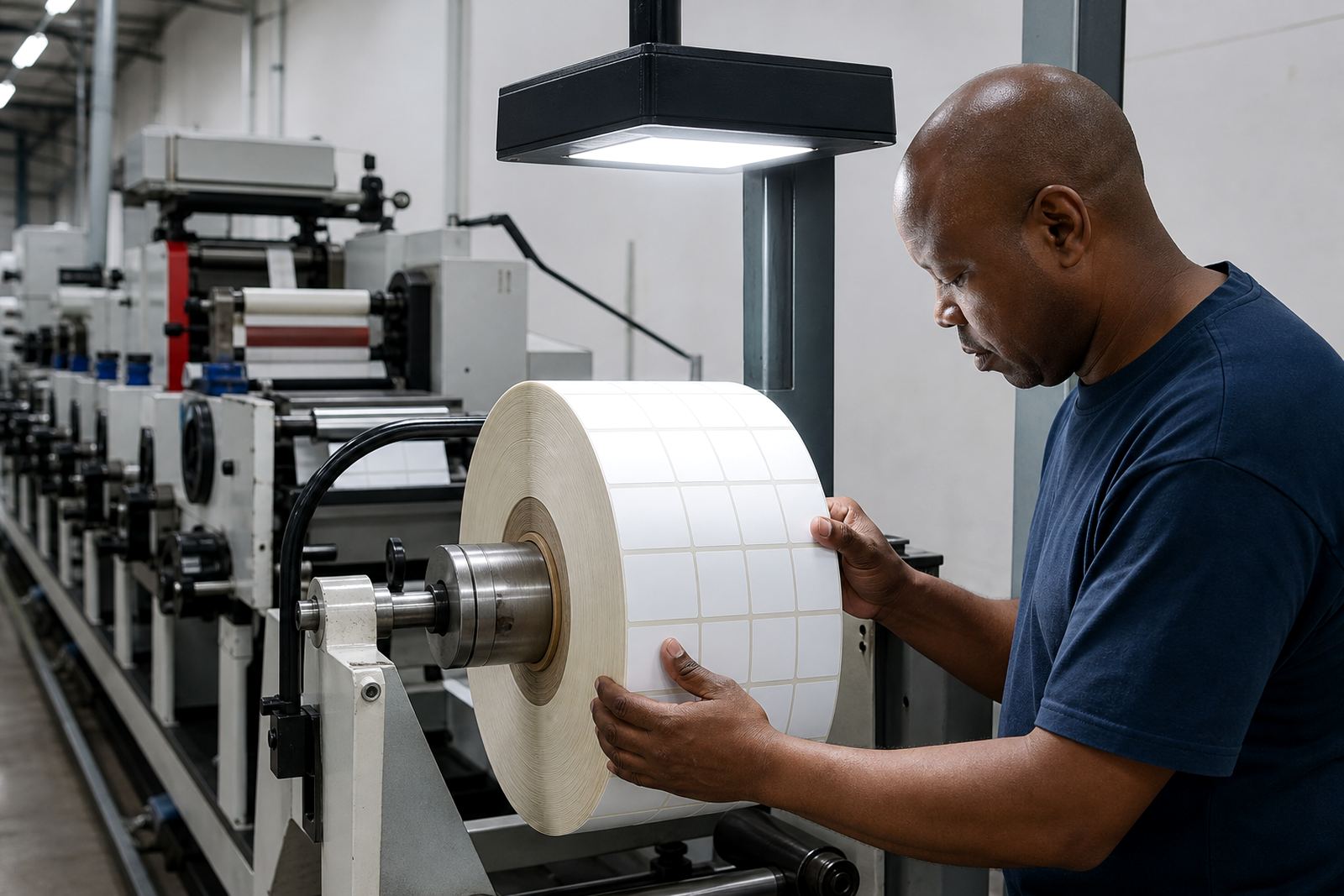
Narrow-web flexo presses are well suited to beverage labels because they can handle frequent changeovers and smaller runs without losing control of detail. But that only works when setup is disciplined. Plate mounting, anilox choice, tension control and registration all need to be checked before full production starts.
On beverage work, colour consistency matters from the first reel to the last. Setup should account for the label shape, any wraparound design and where the label will sit on the bottle. If the job includes a neck label or tamper-style strip, the converter needs good register control so the printed panels align correctly. A press that is quick to set but unstable on run time costs more in waste than it saves.
- Verify registration before running long lengths of stock.
- Check plate mounting carefully on small text and barcode areas.
- Match ink drying and curing to the chosen substrate and line speed.
- Keep a record of successful setup settings for repeat beverage jobs.
Practical local example from a Gauteng label converter
A converter in the East Rand taking on labels for a local juice and water range may face short lead times, mixed pack sizes and changing artwork across flavours. In that kind of job, the team must plan for more than print. The press operator needs a stable setup, the finishing stage has to prevent scuffing, and the finished reels need to feed smoothly into the applicator without interruption.
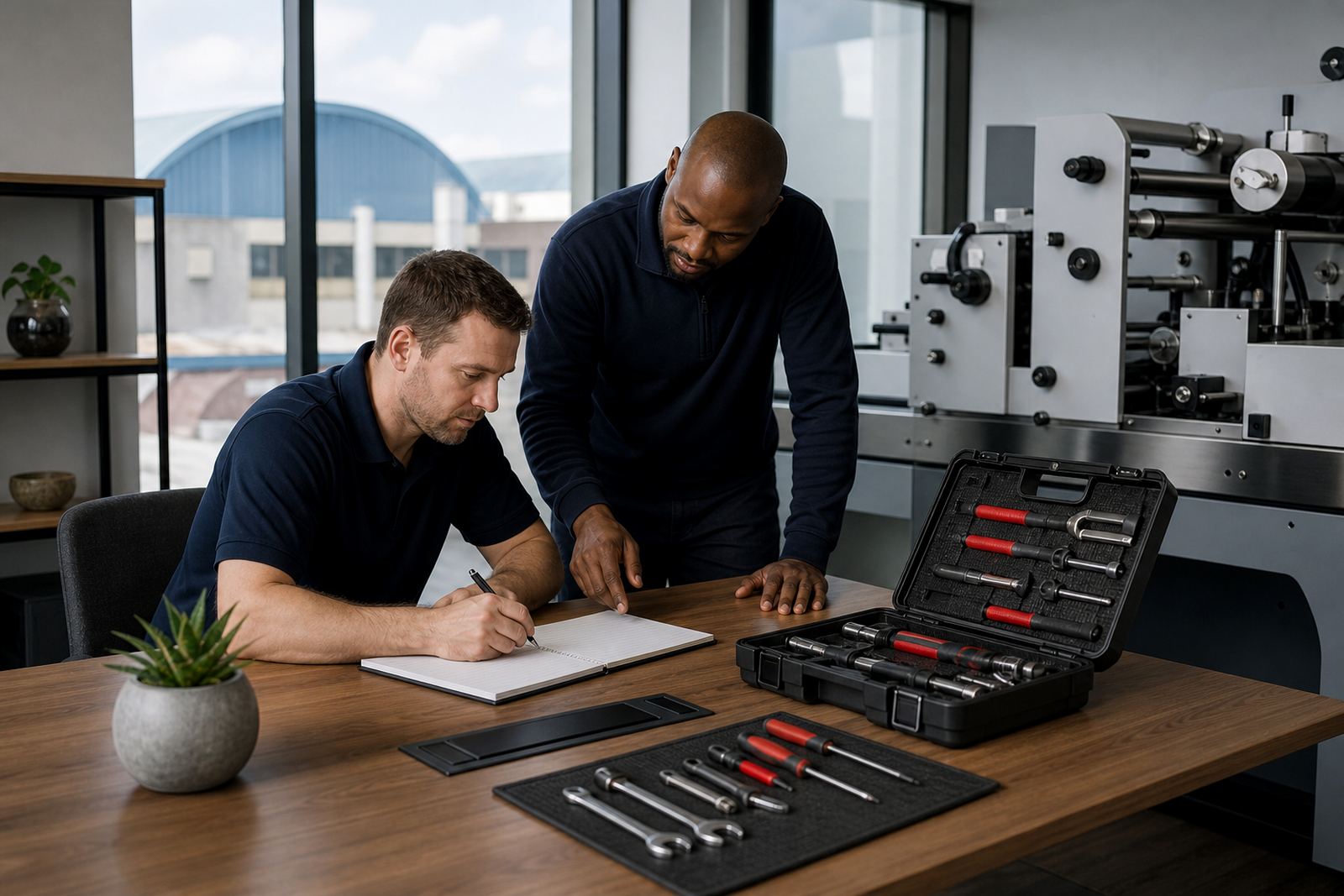
That is where operator training and service support become part of production, not an afterthought. A well trained team can spot a coating issue before it becomes a full reel problem, and a technician who understands narrow-web equipment can help reduce downtime when a tension fault or plate issue appears. In load-shedding conditions or during a sudden production push, that support can keep the job moving with less waste and fewer stops.
What beverage converters should ask before starting a new job
Before a new drink label goes onto press, the converter should confirm a few practical points with the customer and the production team. This avoids surprises when the reels are on the line and the trucks are already booked.
- Will the product be chilled, ambient or exposed to moisture?
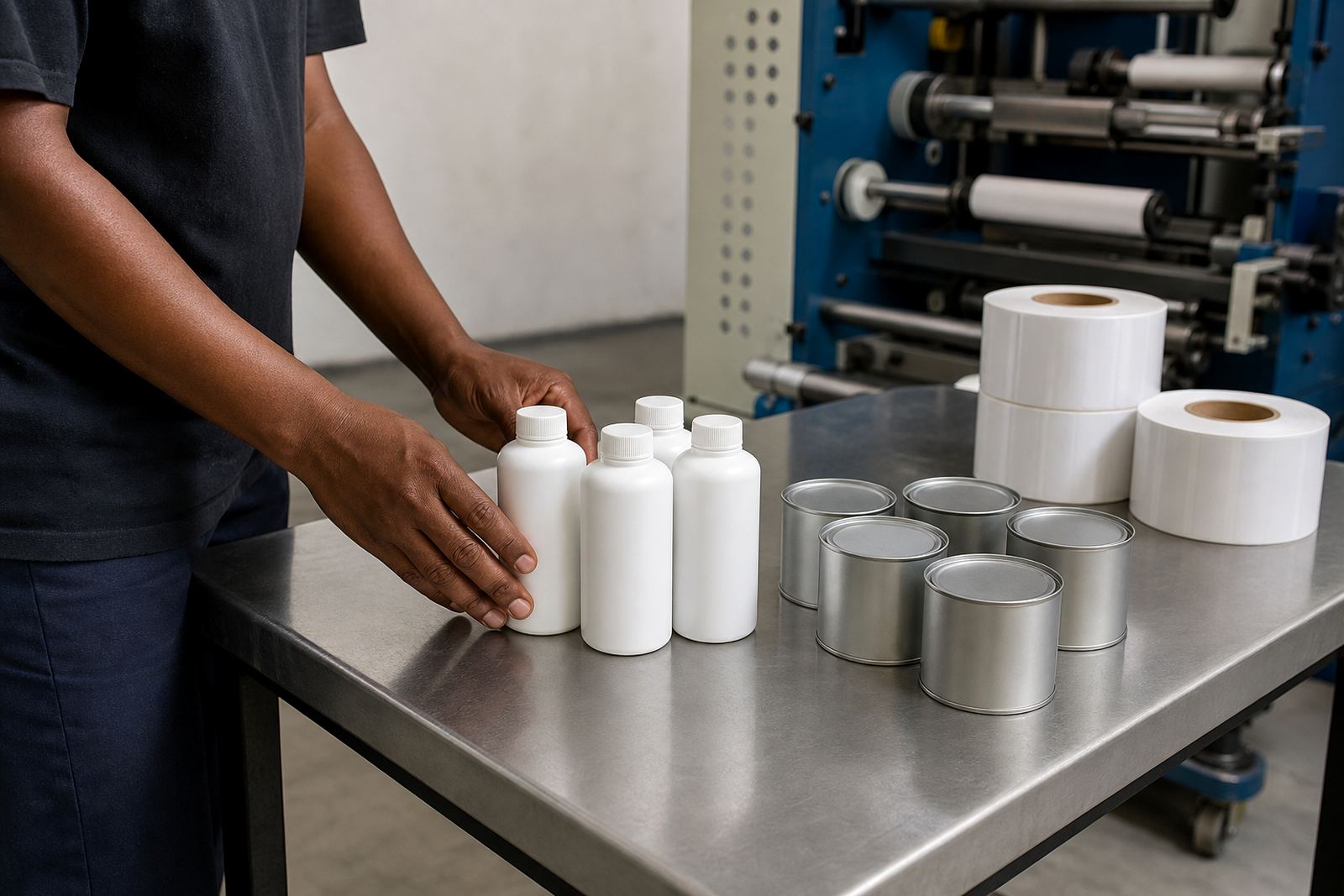
- Is the container glass, PET or another surface?
- Does the label need a matt, gloss or protective finish?
- Will the artwork include small legal text, batch marks or barcode panels?
- How will the label be packed, stored and applied after printing?
Getting these details clear early keeps the press setup realistic and the finishing choice sensible. For beverage label work, that is usually what separates a smooth run from a difficult one.