
Start with the job list, not the fault report
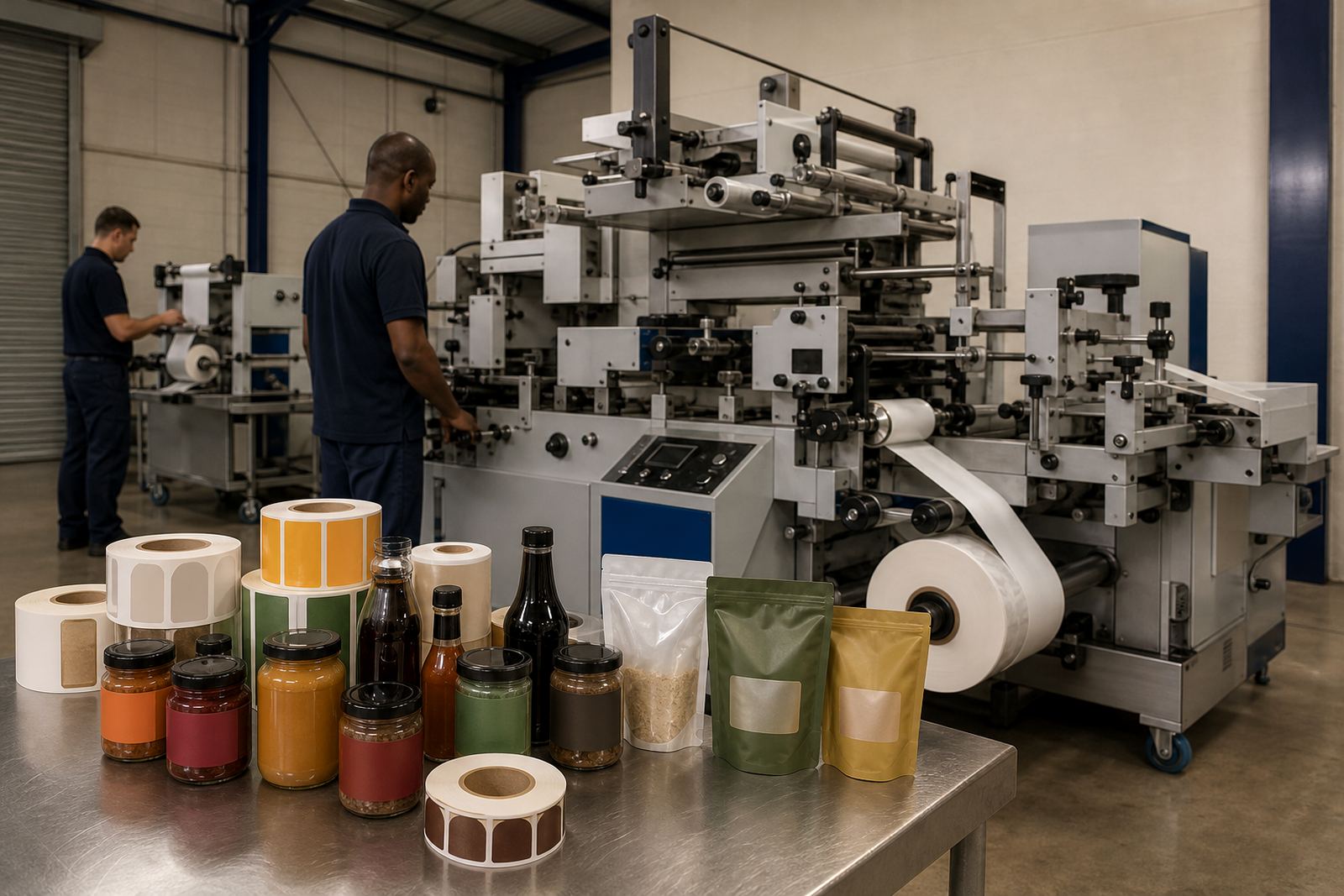
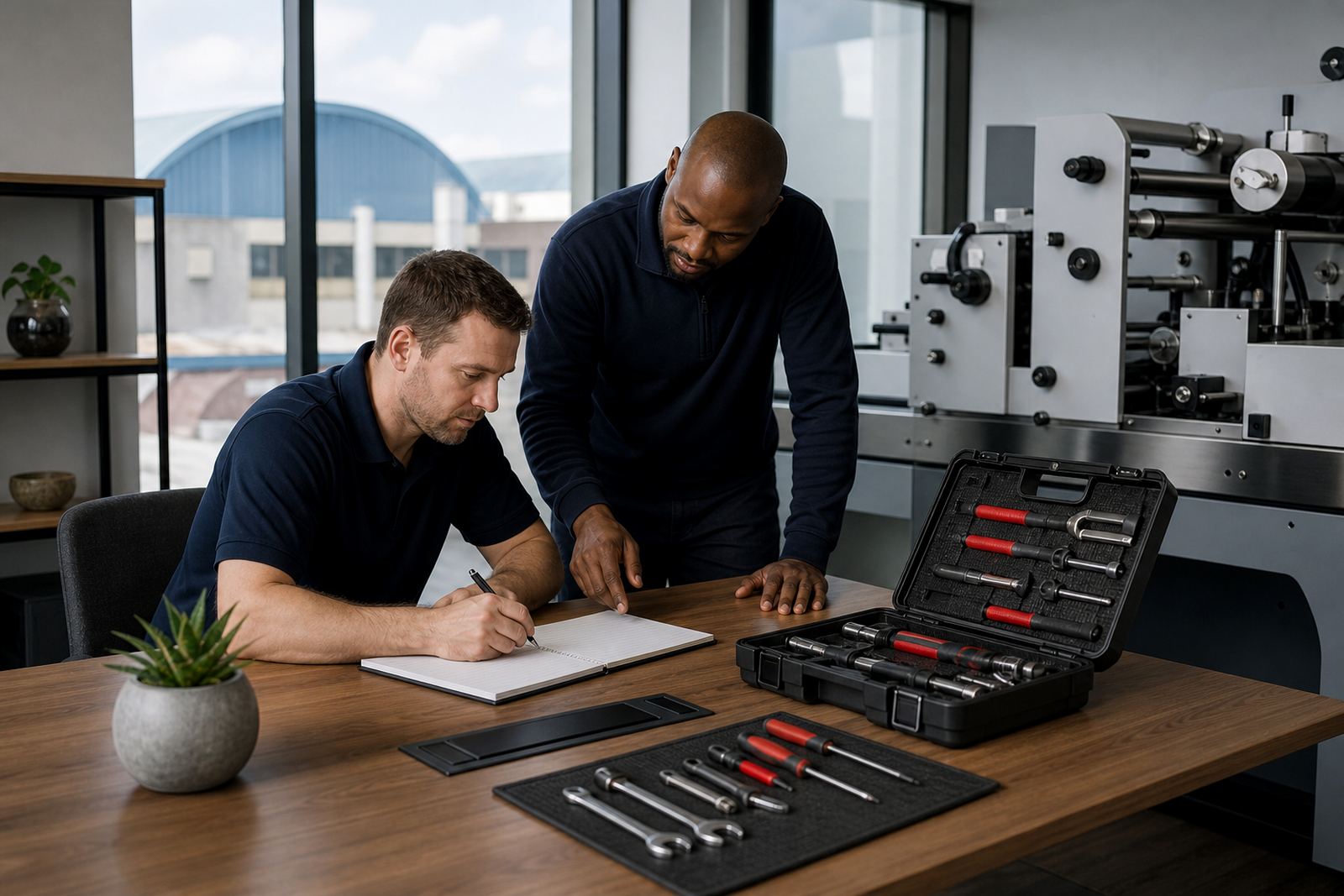
Before a service visit, write down what needs attention on the press and in the finishing area. A clear list helps the team deal with the right problems first, whether it is registration, web handling, plate mounting, drying, rewind tension or a recent change in label stock.
For converters in Johannesburg, Pretoria or Kempton Park, the most useful lists are short and practical. Include the press line, the job being run, what changed since the last good run, and whether the issue happens on one job or on every job. That simple detail often saves an hour of back-and-forth and helps the technician arrive with the right parts and tools.
If there are multiple jobs due that week, mark the urgent ones. A converter in Spartan may need one line checked for startup production, while another line only needs preventive maintenance and a quick look at the anilox condition. The more clearly the priority is set, the better the visit will go.
Make the press room ready for safe access
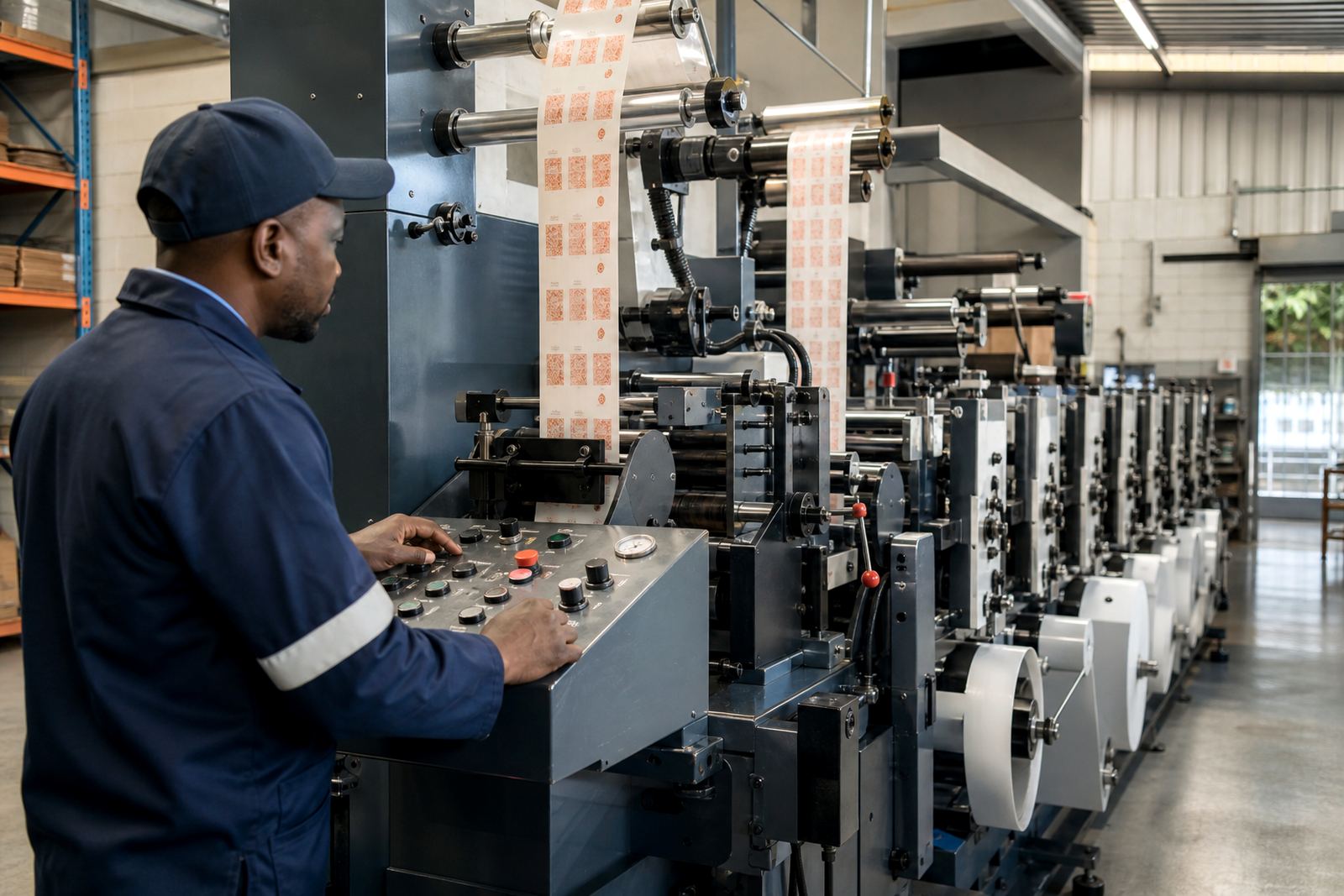
A clean and open press room makes a big difference. Service work slows down when pallets are in the walkway, ink pails are stacked near the machine, or the finishing table is buried under rolls and sleeves. Clear space around the press, unwind area and rewind side so the technician can inspect safely and move through the machine without delay.
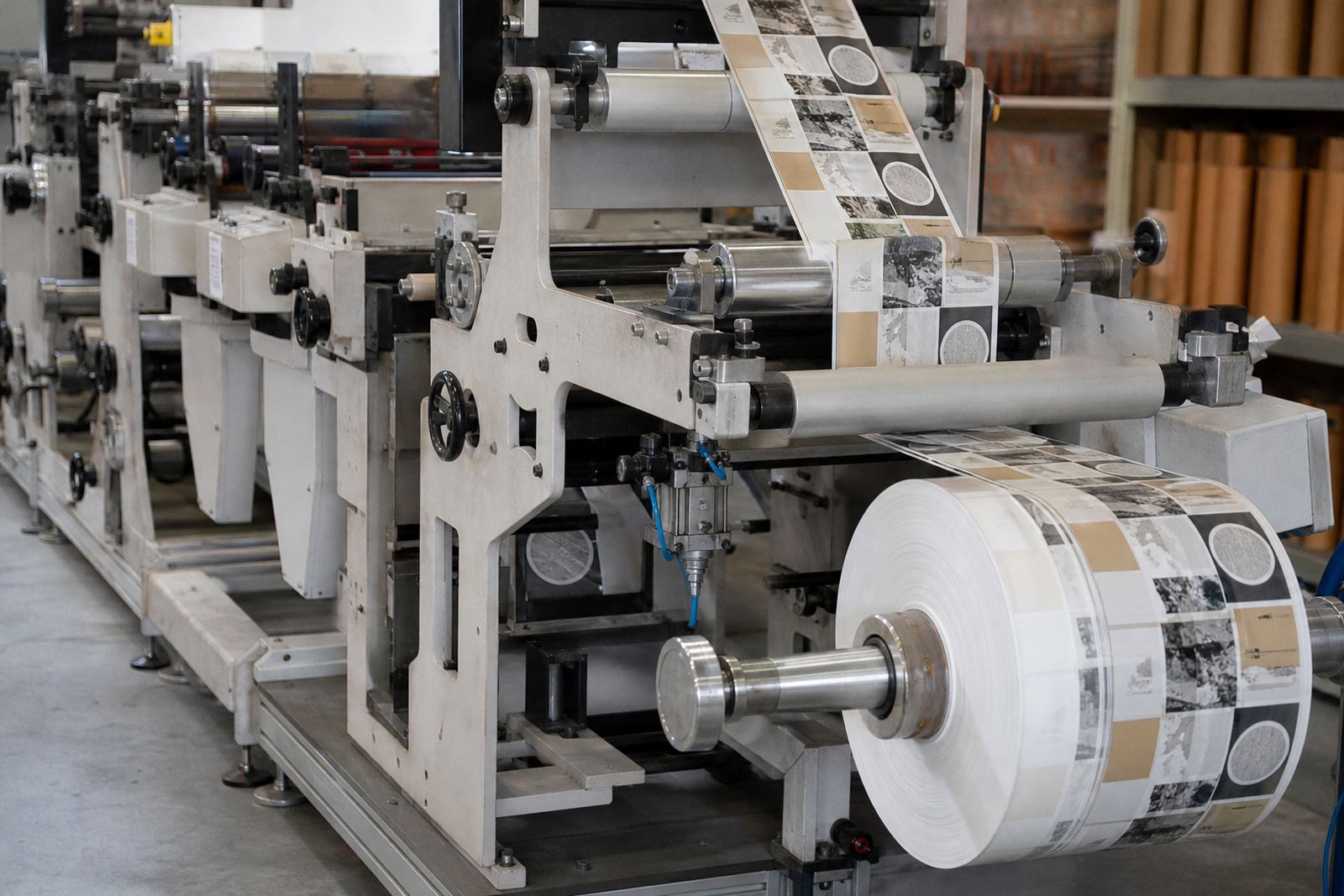
Good access matters even more on narrow-web equipment because many checks are close to the web path. The team may need to inspect plate cylinders, rollers, guides, dryer zones or spare parts storage. If the machine is in a shared industrial space in Gauteng, let everyone know which bay will be used for the visit so forklifts and deliveries do not interrupt the work.
- Keep the press area swept and dry.
- Remove loose materials from around the machine.
- Make sure ladders, steps and guards are available where needed.
- Keep the service area free of unnecessary stock during the visit.
Have the right samples, records and changeover details on hand
Technical support is faster when the team can see what happened on the last run. Keep recent samples from problem jobs, labels with print issues, and any notes from the operator. If the issue is in finishing, keep the rejected material as well, not just the finished rolls. That helps with setup checks and production consulting later.
It also helps to keep records of recent changes. Did the converter switch substrate, adhesive, plate supplier, foil, slitting knife or washing routine? Was there a power interruption during load-shedding, or a site issue with compressed air? These details matter. On coastal routes, especially when supporting Cape Town, Durban or Gqeberha, humidity can also affect materials and storage, so note whether stock was kept in a controlled room or not.
Even a simple change log can point the technician in the right direction. If the same job ran well last month but is now lifting, ghosting or giving uneven finish, the change is often in the material, the setup or the room conditions rather than the press itself.
Plan for power, air and operator availability
Many service visits lose time because the press is ready but the support systems are not. Before the appointment, check that power is available, compressed air is on line and the operators who know the machine will be on site. If the factory is working around municipal restrictions or scheduled power interruptions, plan the visit for a window when the press can be tested properly.
Operator availability is especially important for training and startup production support. A technician can show the correct way to set up a job, but the operator must be there to repeat the process and ask questions. If the line runs shifts, choose a time when the day team and the shift lead can both be present, even if that means adjusting the production plan for a few hours.
- Check that power and air are stable before the visit starts.
- Set aside the operators who handle the press daily.
- Keep the most common tools and consumables nearby.
- Plan a test window after the repair or setup work.
Use the visit to fix the process, not only the fault
Good support visits should leave the line easier to run. If the technician is already on site, use the time to check the wider process around the press. That can include plate mounting help, anilox care, finishing setup and the handover from print to rewind or die-cutting. Small adjustments at this stage often reduce waste later.
This is where production consulting is useful. A converter in East Rand or Centurion may not need a full machine change, only a better sequence for cleaning, plate storage, or job handover. The same applies after installation and commissioning of a new press. Once the machine is running, the real work begins with repeatable methods that suit local stock, local power conditions and the pace of the shop floor.
Ask the team to show where the process slows down. Is the problem in wash-up, a changeover step, plate alignment or finishing calibration? A practical visit should leave behind a clearer routine, not only a repaired fault.
A Spartan example: a better visit starts the day before
A converter in Spartan, Kempton Park, once booked a support visit for repeated print variation on a narrow-web job. When the technician arrived, the press room was open, the problem rolls were ready, and the operator had notes from the last three runs. The team could move straight to the cause instead of spending the first part of the visit looking for samples and making space.
Because the job files were at hand, the service team could compare what changed between good and poor runs. The issue turned out to be a mix of setup drift and handling at changeover, not a major machine fault. That meant the visit could include a quick repair, a better startup routine and practical advice for the next shift. The converter kept the line moving and did not lose time to repeat visits for the same issue.
That is the real value of planning service visits well. The press room stays organised, the operators stay involved and the support team can solve the right problem the first time.