
When lamination earns its place on a label line
Lamination is worth considering when a label has to cope with scuffing, moisture, oils or repeated handling before it reaches the shelf. In South Africa that often comes up on chilled foods, bathroom products, cleaning items and packs that move through depots, warehouses and retail stores before they are opened.
For narrow-web flexo work, the decision is usually made early because lamination changes how the label prints, converts and finishes. It can add a protective layer over the ink and help the label keep a sharper look after transport and application. It is not a fix for every issue, so the print team still needs to look at the full label build, not just the final appearance.
- Useful where labels rub against cartons, conveyors or other packs
- Helpful for chilled or damp storage conditions
- Can support a cleaner look on premium consumer packs
Protecting print without overcomplicating the job
A laminated label can hold up better when a product is packed, stacked and shipped through hot inland conditions or coastal humidity. Around Kempton Park, Johannesburg and Pretoria, heat and dust can affect handling on the floor. In Durban and Gqeberha, moisture is often the bigger concern. Lamination can give the print an extra layer of defence, but only when the rest of the label structure suits it.
Some jobs need protection more than gloss. Others need a consistent surface for barcodes, small text or handling through automated application. The point is to match the finishing choice to the real use of the label, not to assume every label needs extra film. That saves waste and keeps the production process more manageable.
- Check whether the label will be wiped, chilled or handled by hand
- Confirm if the pack needs a gloss, matte or neutral protective finish
- Review how the label will behave during die-cutting and rewinding
What to look at before adding a laminate layer
Before choosing lamination, the converter should review the face material, adhesive, print method and the shape of the label. Some materials take finishing better than others, and some packs need a label that stays flexible rather than stiff. If the label has fine detail, small type or dark solids, the finish choice can affect the final appearance more than people expect.
It also helps to think about the bottle or carton surface. Curved containers, squeeze packs and textured surfaces can all affect how a laminated label sits after application. If the label will be exposed to oil, soap, refrigeration or rough handling, those details matter even more. A little planning at this stage can avoid rework later on.
- Confirm the pack surface, flat, curved or uneven
- Check whether the label must stay readable after chilling or wiping
- Decide if the finish is for protection, appearance or both
How finishing choices affect conversion and setup
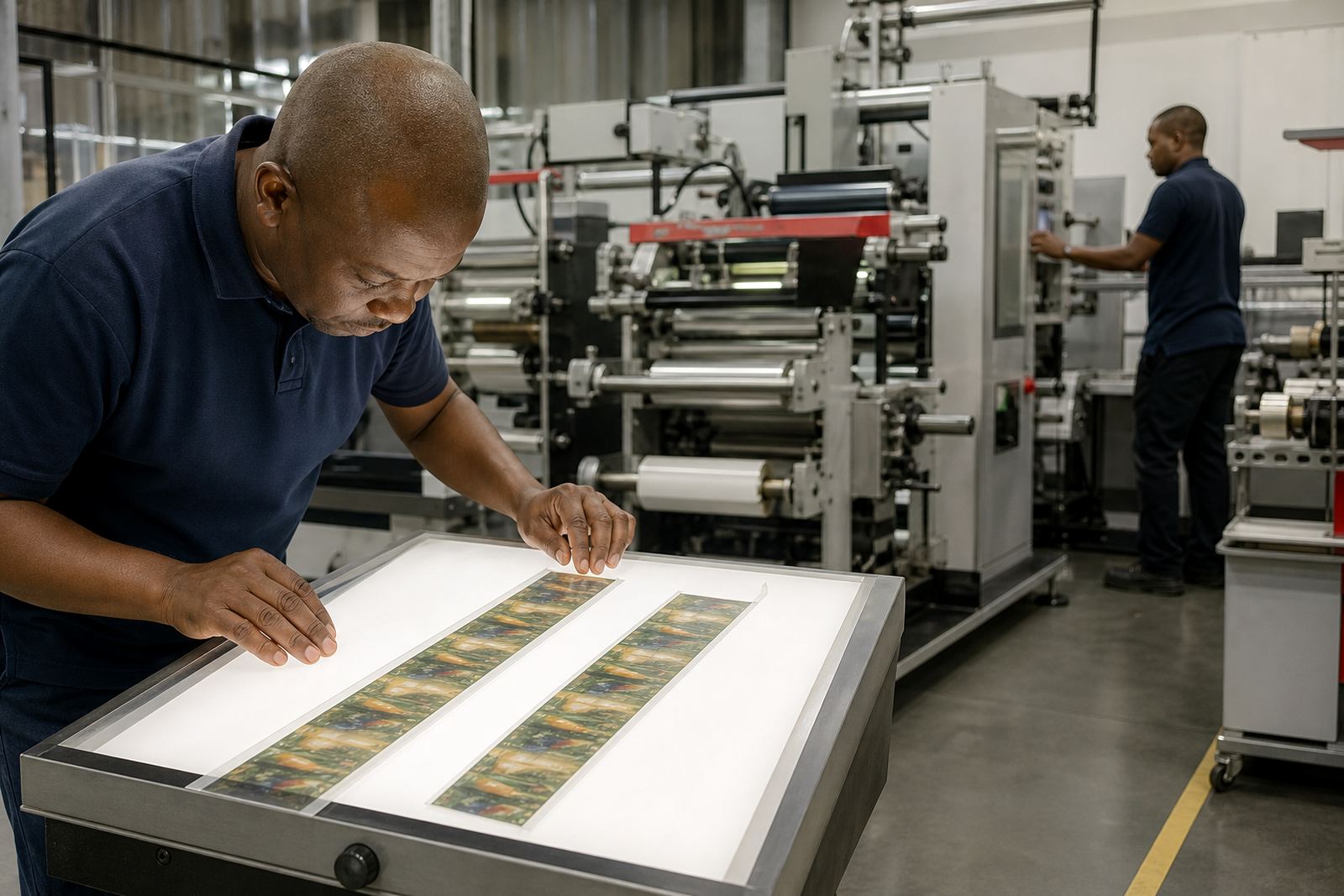
On a narrow-web press, lamination changes the way the line is set up and monitored. The web tension, rewind behaviour and finishing sequence all need attention so the label stays true through the run. If the job also includes overprinting, die-cutting or varnish, the order of operations matters. That is where setup and finishing support can save time and reduce spoilage.
In practice, a good setup team looks at how the laminate behaves with the print and whether the label releases cleanly at application. If there is a pressure point, a wrinkle risk or an issue with edge lift, it is better to see it in setup than after the labels have gone to a packing line in Midrand or a depot in Pinetown. Small adjustments during commissioning can prevent much bigger problems later.
- Review web handling before the job goes into production
- Test the finish for wrinkles, edge lift and clean rewind
- Confirm the final label still applies properly at speed
Local conditions that can change the finishing decision
South African conditions are not all the same, so the right finish for a label in Cape Town may not be the same as one heading into inland retail. Coastal humidity can change how materials behave in storage and during dispatch. In Gauteng, the bigger issue may be handling, dust and temperature swings between the pressroom and the distribution floor.
That is why label converters often ask for production support before the job is signed off. A quick review of the material, adhesive and finishing sequence can make the difference between a label that looks fine on press and one that still looks right after delivery. In some cases, simple protection is enough. In others, a different finishing approach is more practical.
A good rule is this: choose lamination when it solves a real handling or presentation problem, not just because it sounds like the safest option.
A practical example from a Pretoria re-run
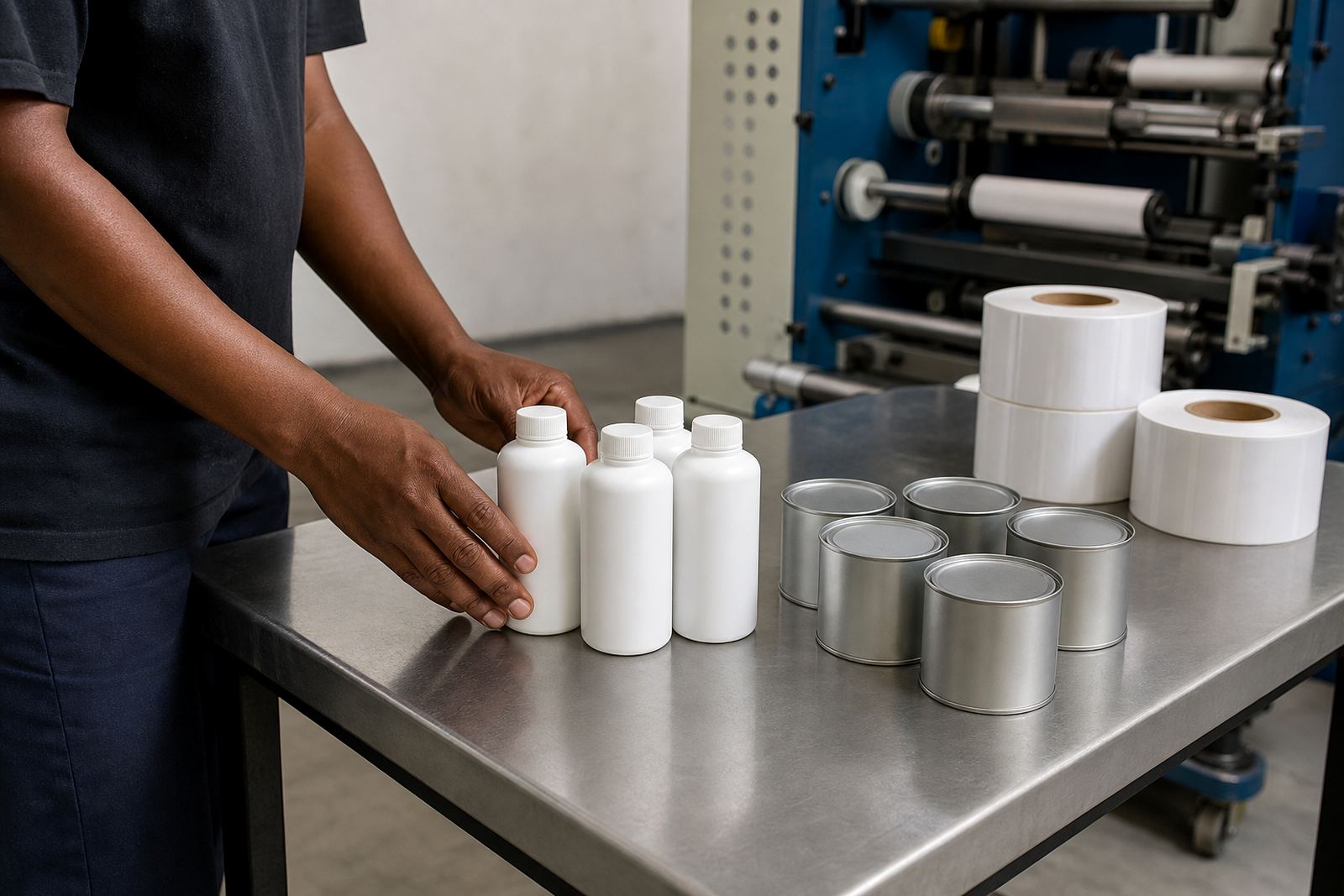
A converter in the Pretoria area may be asked to rework a label for a bottled product that is stored cold and handled several times before reaching the shelf. The original print may look fine straight off the press, but once the packs move through the cold room, packing tables and retail handling, the surface starts to show marks. In that case, a lamination decision can be sensible if the rest of the label build supports it.
The useful question is not whether the label can be laminated, but whether it should be. If the job is a short promotional run with light handling, extra finish may add cost without much benefit. If the label has to survive moisture, rubbing and transport then the added layer can be worth it. That judgement comes from production experience, not guesswork.
For converters serving Johannesburg, Durban, Cape Town and Gqeberha, this is the kind of decision that benefits from installation support, operator training and careful production consulting. A label that is well set up at the press can save time on the floor and reduce complaints later.