
Why training matters on narrow-web flexo presses
Narrow-web flexo work leaves little room for guesswork. A small change in tension, registration, ink flow or plate mounting can affect the whole run, which is why practical operator training has real value for label converters. When a team understands the press properly, the setup is cleaner, waste is reduced and the print result is easier to repeat on the next job.
At our Spartan, Kempton Park base we see the same pattern across many sites in Gauteng, KwaZulu-Natal and the Cape. The press itself may be in good condition, but if operators have not been shown how to handle daily checks, make adjustments and read the signs of wear, the line can still struggle. Training gives the team a common method, so everyone is working from the same playbook instead of relying on habit.
What a practical training session should cover
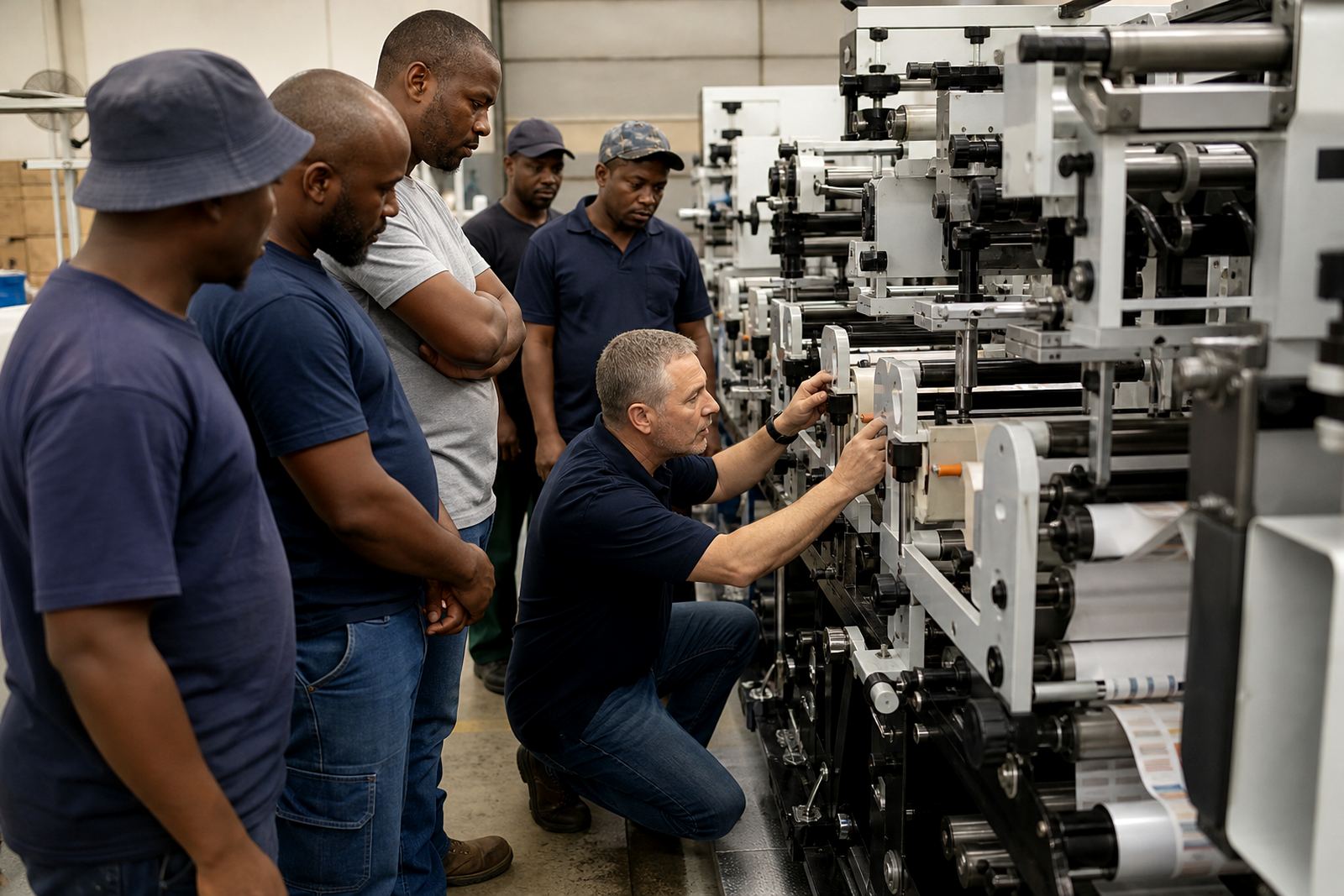
Training should be hands-on and tied to the actual work your plant does. For a narrow-web flexo line that means setup, safe start-up, job changeovers, basic fault finding and the finishing steps that support the final label. It should also cover how to keep the press stable during load-shedding recovery, warm-up after downtime and hot, humid coastal conditions that can affect materials and print consistency.
- Press start-up checks and safe shutdown routines
- Plate mounting, registration and tension control
- Ink handling, cleaning and anilox care
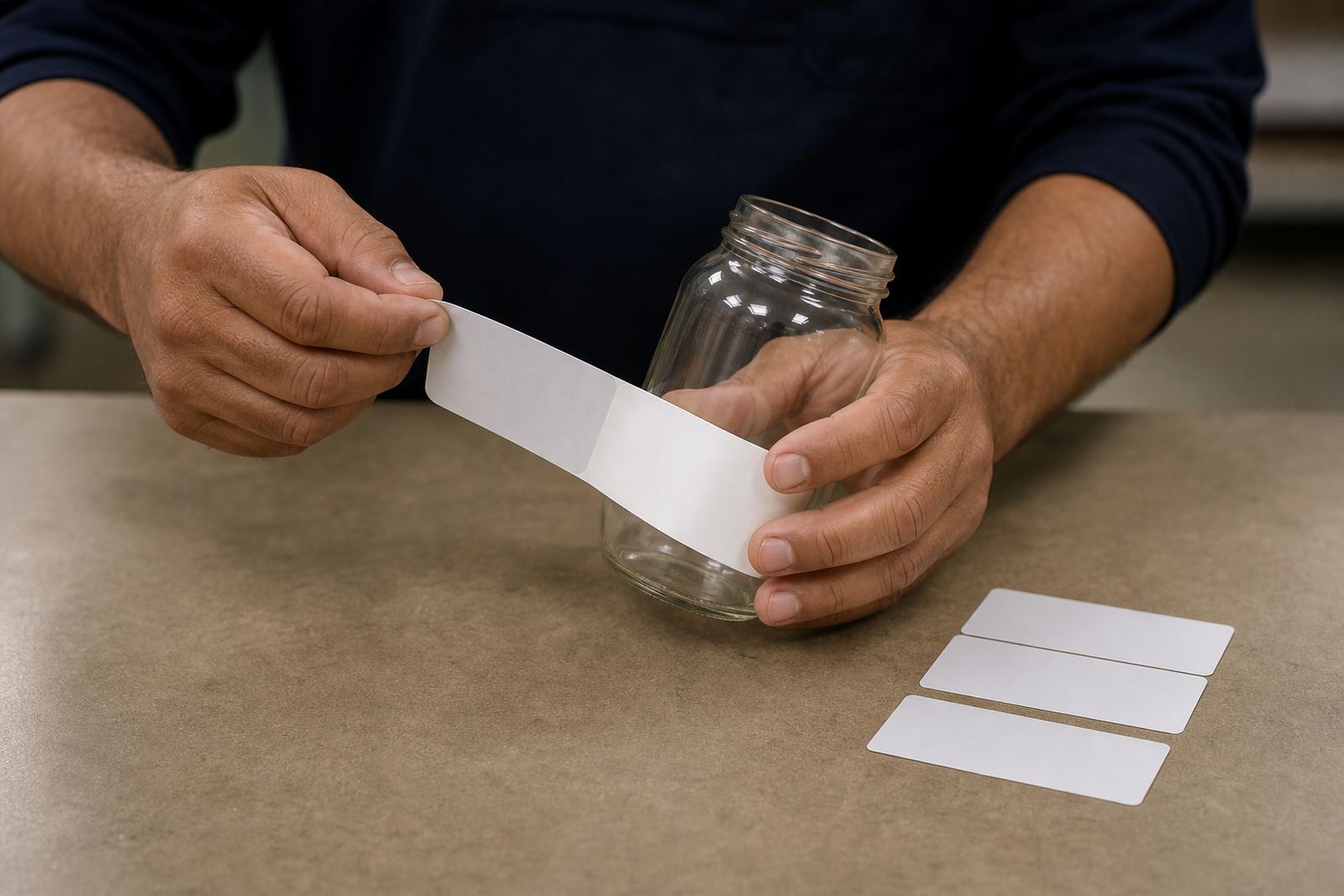
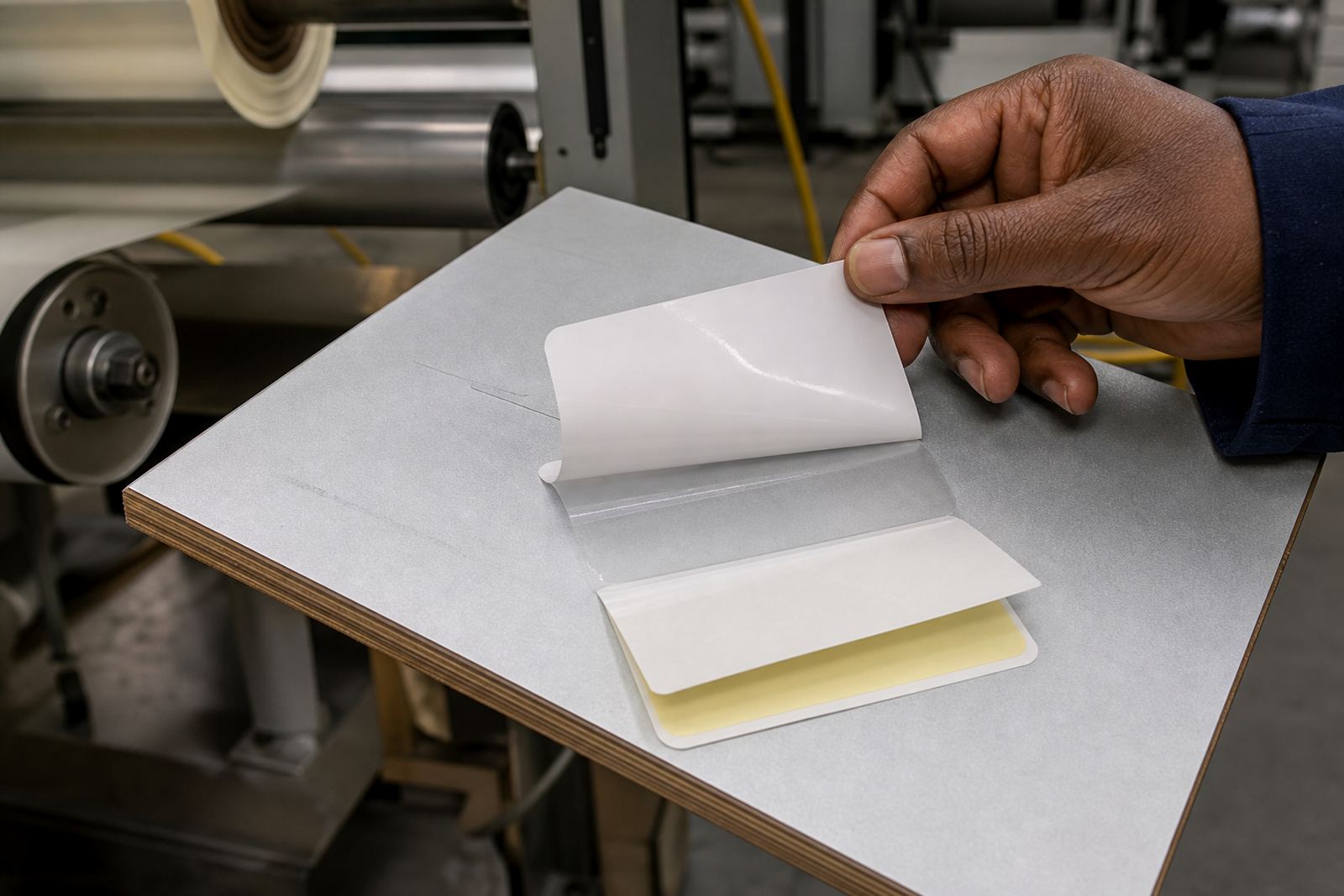
- Basic finishing setup and inspection points
- Common production faults and the correct response
Good training also explains why each step matters. An operator who knows what causes a weak impression or a drifting register mark is far more likely to solve the issue early, instead of waiting for the job to run out of spec.
The value of training for print quality and waste control
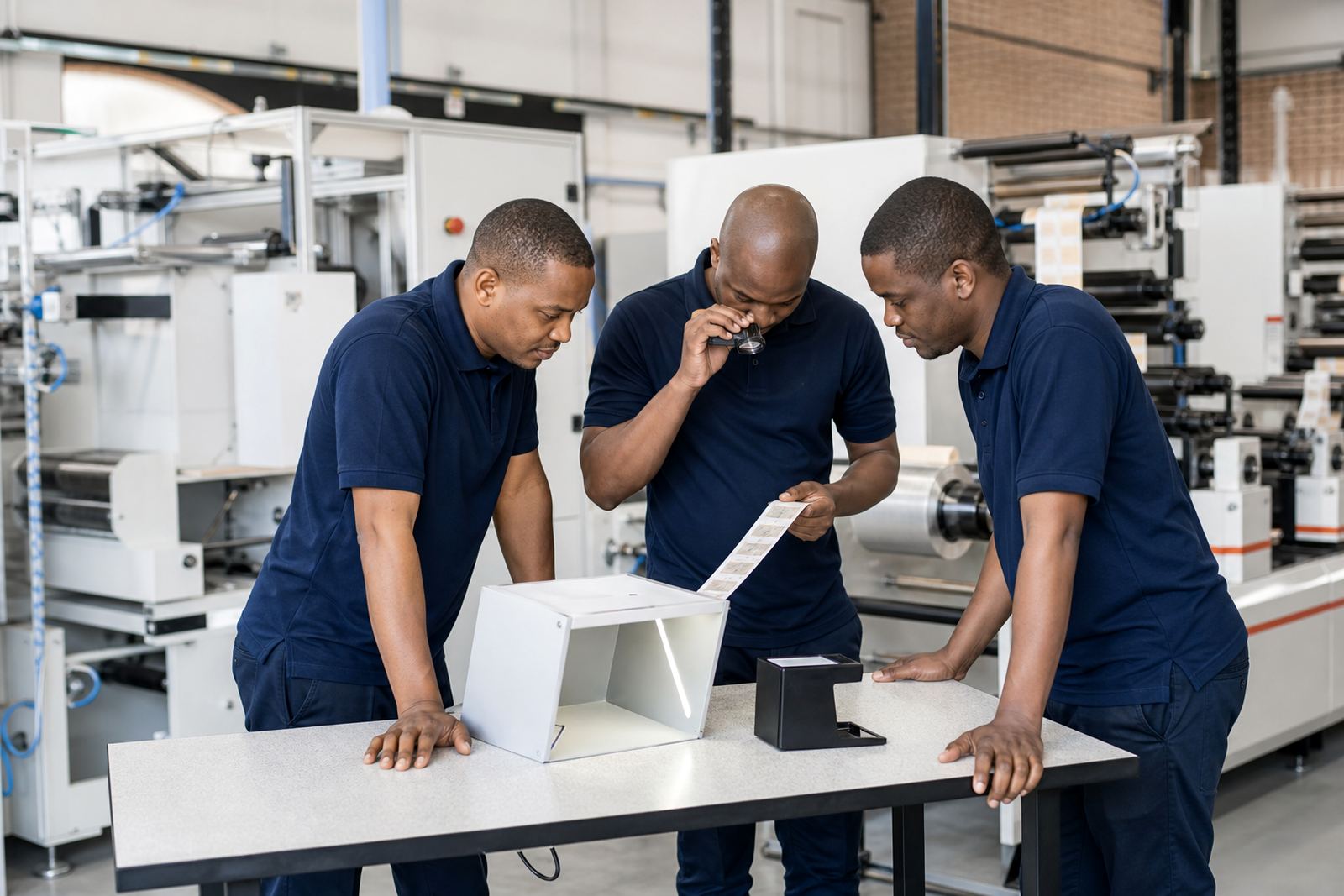
Print quality is not only about the machine. It depends on what the operator does before the run starts and during the first few minutes of production. A trained team is more likely to set the press correctly, check the plates properly and keep an eye on the details that affect colour, clarity and repeatability. That means fewer rejected metres and less time spent correcting errors after the fact.
In label production, small improvements add up. Better setup discipline can reduce wasted substrate, avoid unnecessary rework and help the finishing team receive cleaner work at the back end. That matters whether you are producing food labels, cosmetic labels or retail packaging, because each job has its own tolerance for variation and its own handling requirements.
It is also easier to keep quality consistent across shifts when operators have been trained the same way. If one person sets up carefully and another leaves steps out, production becomes uneven. Training brings order to that process and gives supervisors a clearer standard to work with.
How training builds confidence on the floor
Many operators are capable but under-supported. They may know the press well enough to keep it running, yet still hesitate when a fault appears or when a job needs a quick changeover. Practical training changes that by showing them how to handle real situations, not just the theory behind them. Once a person sees the right method in action and then repeats it, confidence starts to build naturally.
That confidence matters in busy plants around Johannesburg, Pretoria and Durban where deadlines can be tight and downtime is expensive. A trained operator is more likely to call a problem early, communicate clearly with the rest of the team and avoid making a small issue worse. It also helps newer staff settle in faster, which is useful when experienced people are off site, on leave or tied up with another run.
- Less hesitation during changeovers and startup
- Better communication between press and finishing teams
- Faster response when print defects appear
- More consistent work across different shifts
A local example from Kempton Park to Cape Town
Consider a label converter in the East Rand supplying product labels to retailers and food packers across South Africa. The press was capable, but the team kept losing time at startup because each operator handled setup differently. After structured training on mounting, registration checks and daily press care, the team began starting jobs with less trial and error. The result was steadier output and fewer interruptions during the shift.
That kind of improvement is not unusual. A plant in Cape Town may face coastal humidity that affects paper and board differently from a site in Pretoria, while a Durban converter may deal with storage and handling conditions that need extra care. Training helps the team adapt to local conditions instead of treating every site the same. Even a simple point like checking material condition before loading can save a great deal of trouble later, and it does not take long once the habit is in place.
Support after training keeps the gains in place
Training has the best effect when it is followed by support. Operators may need a reminder after the first few jobs, especially if a new press has just been commissioned or if production has been interrupted by maintenance. Ongoing support helps the team keep using the correct process, while preventive maintenance and spare parts support keep the press ready for work.
At Flexography Printer, operator training sits alongside press installation, commissioning, startup production support, breakdown support, remote support, anilox care, plate mounting help and finishing setup. That mix matters because the operator does not work in isolation. The press, the materials and the finishing line all affect the result, so support must be practical and connected to the actual production floor.
For converters in Johannesburg, Pretoria, Durban, Cape Town and Gqeberha, the aim is simple: give the team the know-how to run the press well, then back it up when they need help. That keeps people confident, reduces avoidable stoppages and protects the quality of the labels coming off the line.