Why coupon-style labels work on busy shelves
Coupon-style labels are practical when a product needs to do more than one job. The main face of the label can carry the product name, legal details, ingredients or directions, while a smaller coupon section carries a special offer, redemption note or seasonal message. That helps a pack stay tidy and readable, even when the design carries a lot of information.
For food, beverage, cosmetics and retail lines, this format is useful where promotions change often. Instead of printing a separate leaflet or adding extra packaging, the converter can build the offer into the label itself. It is a neat option for store promotions, take-home rebates and limited-time offers, especially when the brand wants quick turnaround without changing the whole pack design.
In practice, the value comes from control. You can place the promotional message where the shopper will see it first, while keeping the required product information in a stable layout. That makes it easier for a brand to stay consistent across different pack sizes and different sales channels.
How the label structure should be planned
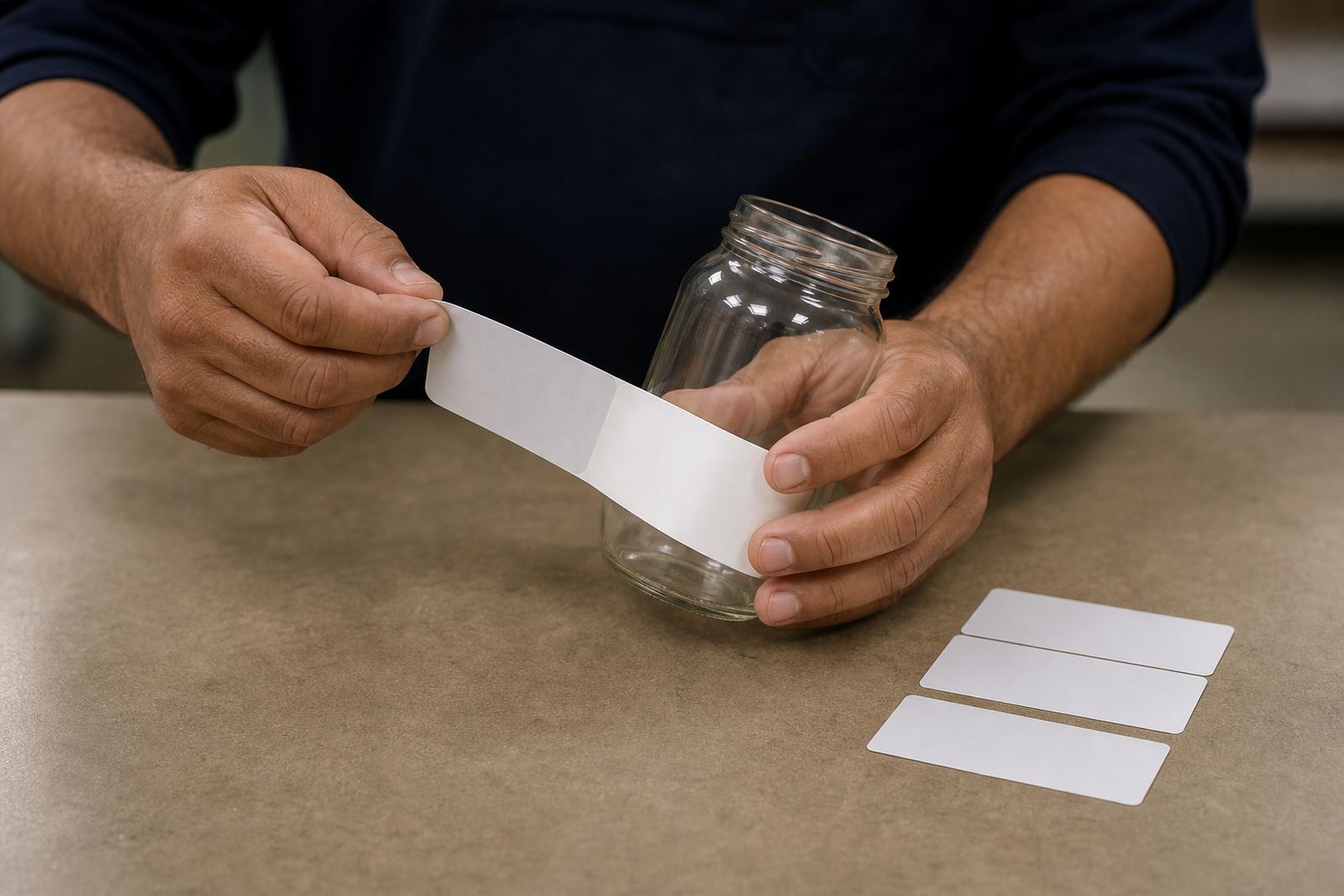
A coupon label needs more thought than a standard wrap label. The fold, perforation or tear-off section must be set up so the pack can still run well on the press and through finishing. If the coupon piece is meant to be detached, the perforation must be clean enough for use, but not so weak that it opens too early during handling or transport.
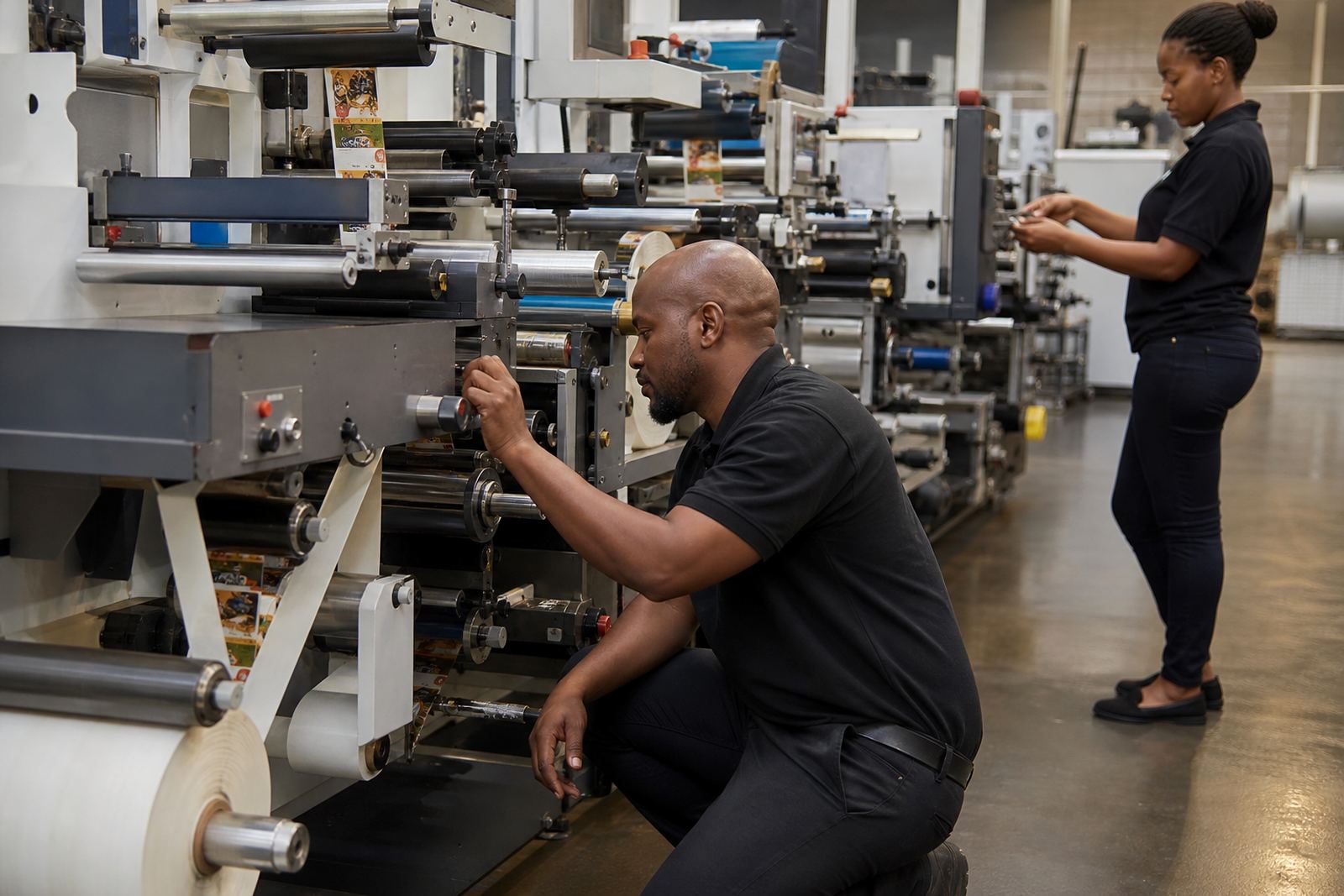
Good planning starts with the pack shape and the route the label will take on the line. Narrow-web flexo label presses are well suited to this work because they can handle compact label formats, multiple stations and repeat production runs. For converters, the important part is not only the print, but how the press, die-cutting and finishing steps line up from start to finish.
Designers should also think about the information hierarchy. The shopper must see the main product identity at a glance, while the coupon message should remain easy to find. If the label is overcrowded, the offer can get lost and the product can look cluttered. A clear layout with proper spacing gives the label a better chance of working on shelf and at the till.
Print, colour and finishing choices that hold up in real use
Coupon-style labels often include strong colour, small text and fine rules, so print consistency matters. Narrow-web flexo label presses are commonly used for this type of work because they support careful registration and repeatable output across production runs. The press setup needs to suit the substrate, adhesive, drying conditions and the final trim or perforation pattern.
Finishing is just as important as the print. A coupon section may need a clean score, a controlled perforation or a specific fold so the customer can peel, tear or keep the insert with ease. If the label is going onto chilled packs, bottles or cartons, the converter must also consider how the material will behave in cold rooms, on wet surfaces and during storage in Gauteng summer heat or Durban humidity. A label that looks fine on the bench but fails in the cold room will cause trouble later.
- Keep fine text away from folds and tear lines.
- Allow enough margin around perforations for clean handling.
- Match the adhesive to the pack surface and storage conditions.
- Check colour and legibility under shop lighting, not only on press.
Where the label will be handled often, finishing setup should be tested before full production. That includes the adhesive bond, tear behaviour, release characteristics and the way the coupon section separates from the main panel.
What South African converters should check before running a job
Local production brings a few practical points that are easy to overlook. Municipal waste rules, carton recycling targets and customer labelling demands all affect how a coupon label should be made. If the pack is heading for the food sector, the layout must leave enough space for mandatory product details. If it is for retail promotion, the message still needs to be clear when the pack is stacked on a shelf or packed into a tray.
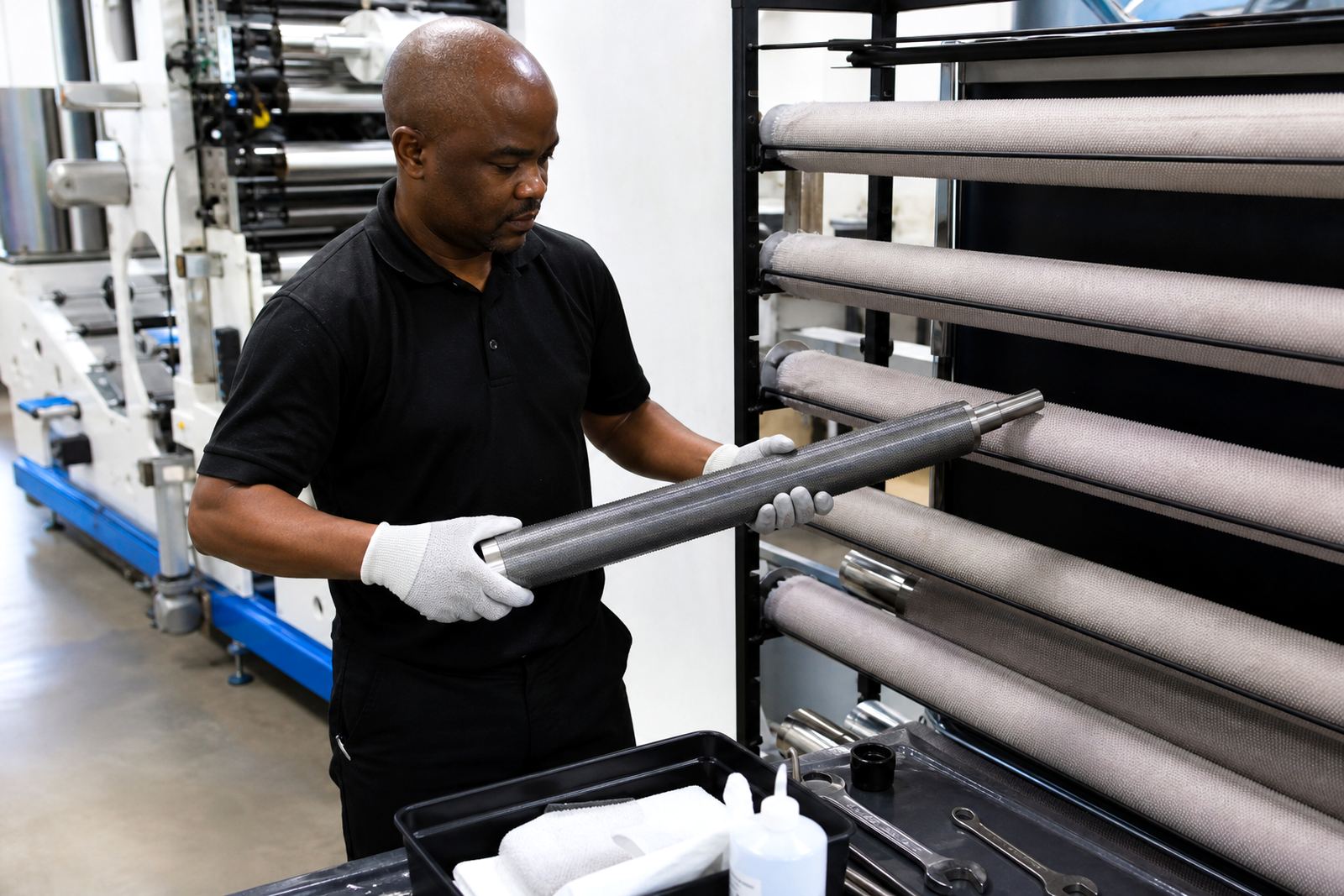
Many converters across Johannesburg, Pretoria, Durban, Cape Town and Gqeberha are working with short lead times and mixed pack formats. That makes press commissioning and startup support important, because a small setup error can slow the whole job. Anilox care, plate mounting help and preventive maintenance also matter when the label has fine type, solid areas and a tear-off section on the same web.
In Kempton Park and the wider East Rand, production teams often have to balance factory schedules with load-shedding and shifting delivery windows. A well planned coupon label run reduces changeover waste and helps the line recover quicker after a stoppage, which is often the difference between on-time and late delivery.
A local example from a Gauteng production floor
Consider a beverage brand in Gauteng launching a winter special. The product needs a standard identity label, but the marketing team also wants a temporary coupon that invites the shopper to redeem a discount on a future purchase. Instead of creating a separate promo insert, the converter can build the offer into the label format itself. The main panel keeps the product details clean, while the coupon section gives the customer the promotional information in one place.
That approach works well when the label runs through the same narrow-web line as the rest of the product family. With the right press installation, setup and operator training, the team can keep the job consistent from the first roll to the last. If the customer later changes the offer, the press can be adjusted without changing the whole product pack.
This is where practical production knowledge counts. The label must look good, yes, but it must also run without constant stops, lift cleanly if it is meant to be detached, and survive the journey from warehouse to store. A good coupon label does not just advertise, it fits into the way South African packs are actually made and sold.
Support that keeps coupon label jobs moving
For label converters, coupon-style work is easier to manage when there is proper support behind the press. That includes installation, commissioning, training, spare parts support, breakdown support and remote help when a line needs quick attention. It also includes finishing setup and production consulting, because the coupon section only works properly when print and finishing are matched from the start.
Based in Spartan, Kempton Park and supporting converters across South Africa, Flexography Printer works with narrow-web flexo label presses, startup production support and preventive maintenance for teams that need consistent output. The focus is on practical job readiness: clean setup, controlled finishing and operator confidence. Whether the line is serving a food pack in Pretoria, a cosmetic label in Cape Town or a retail promotion in Durban, the aim is the same, keep the job running and keep the label useful.
When coupon labels are planned properly, they do more than advertise. They help the product speak clearly, carry the offer and still look orderly on shelf. That makes them a solid option for South African converters looking for a label format that can work hard without making the pack feel crowded.