A practical press for everyday label production
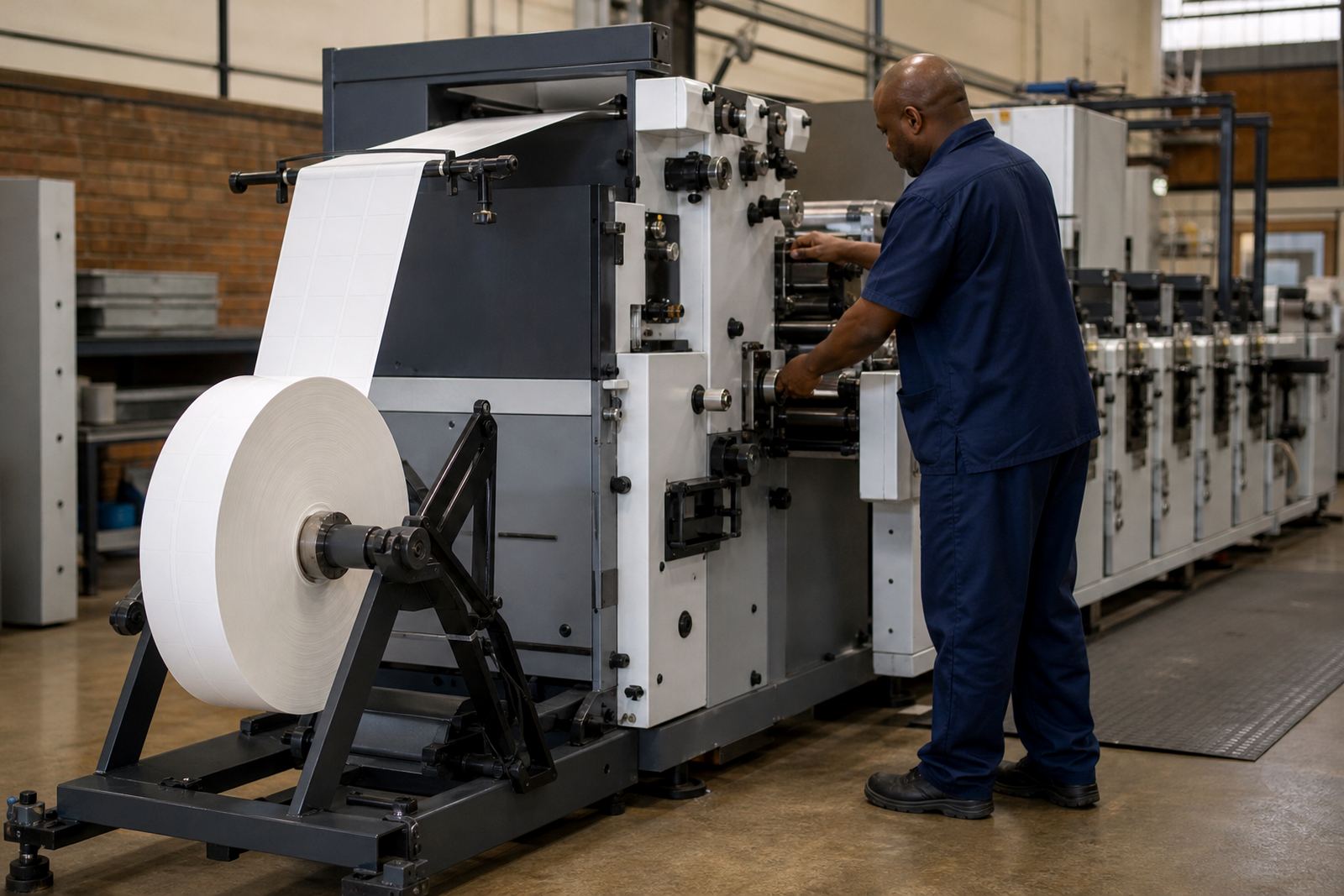
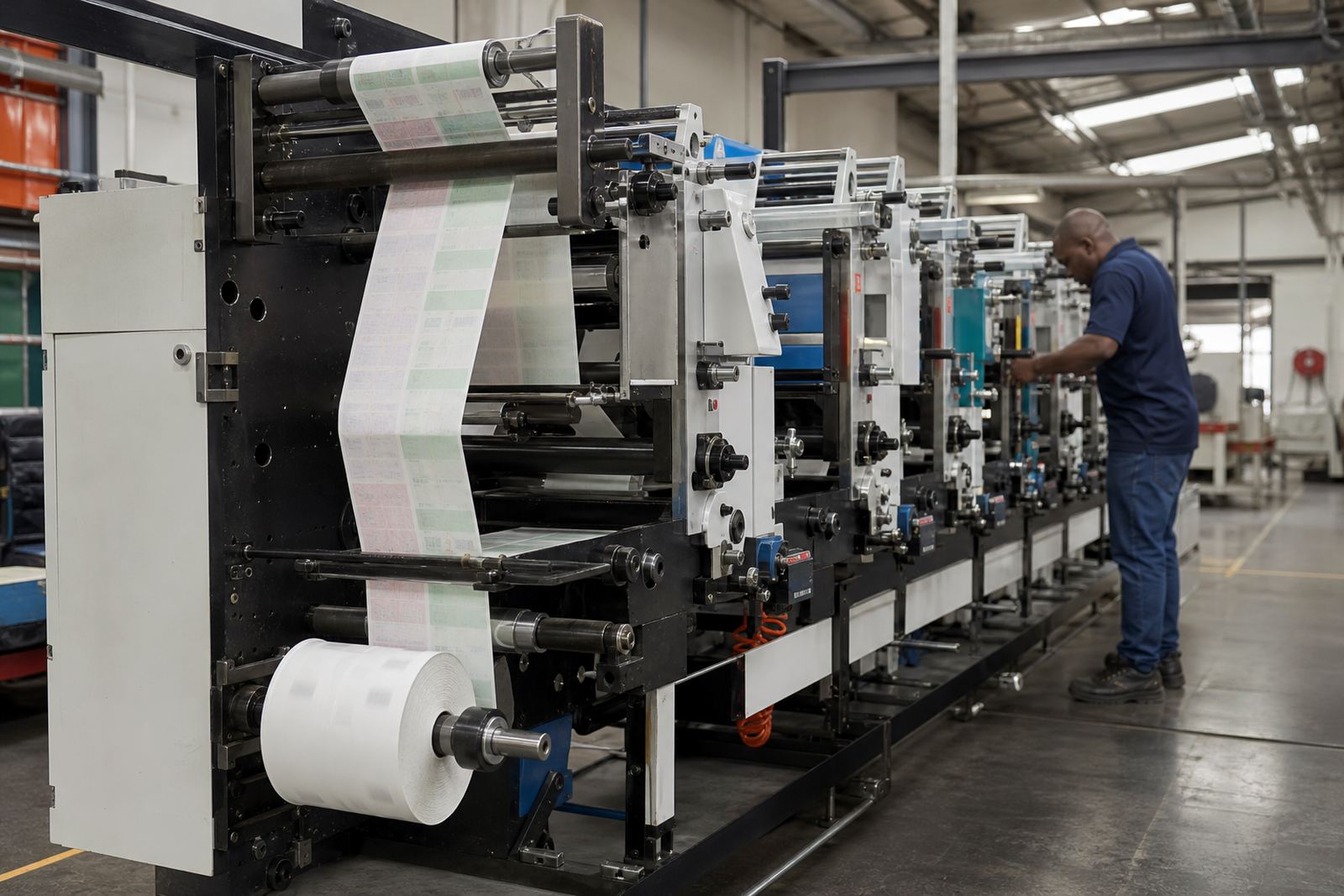
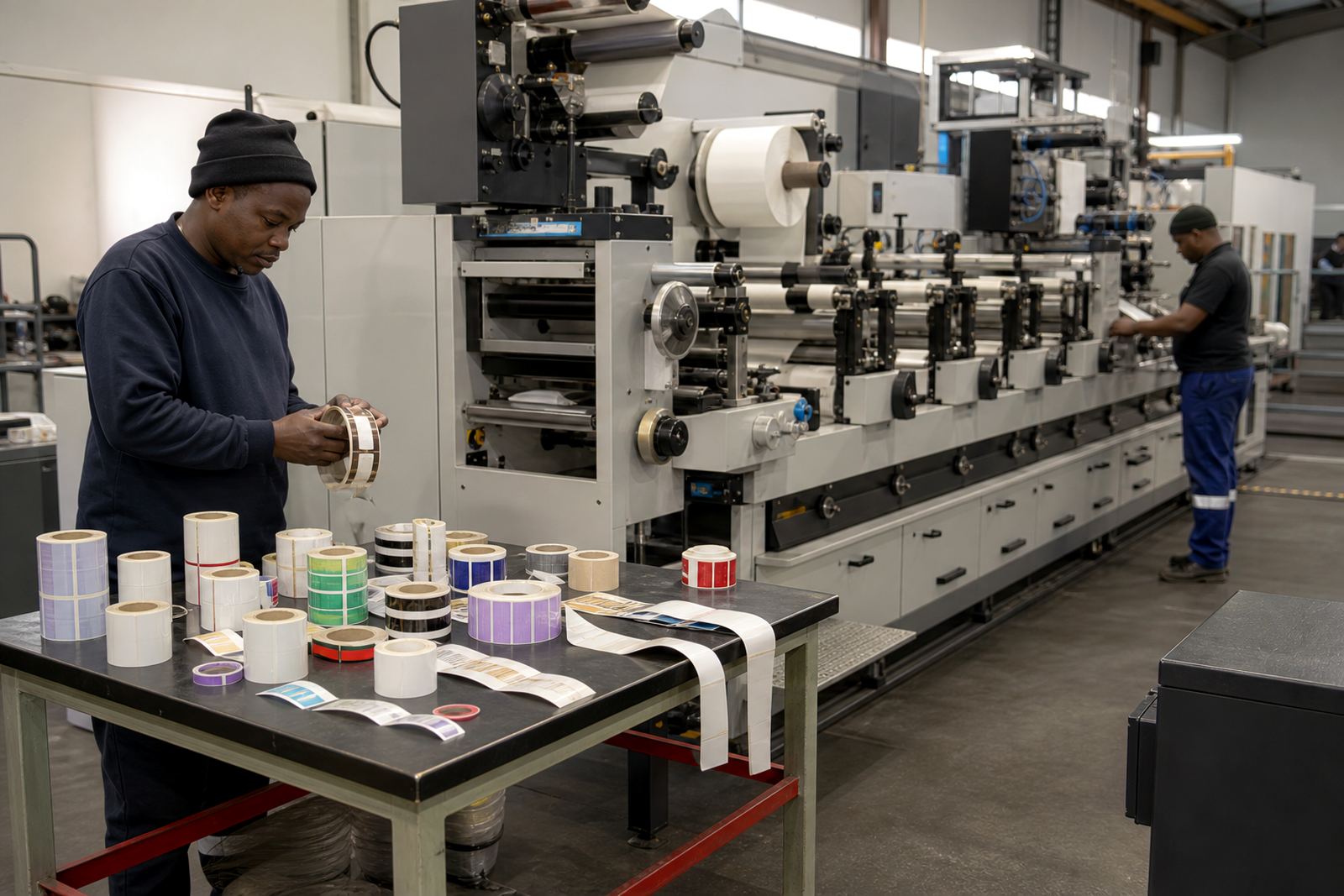
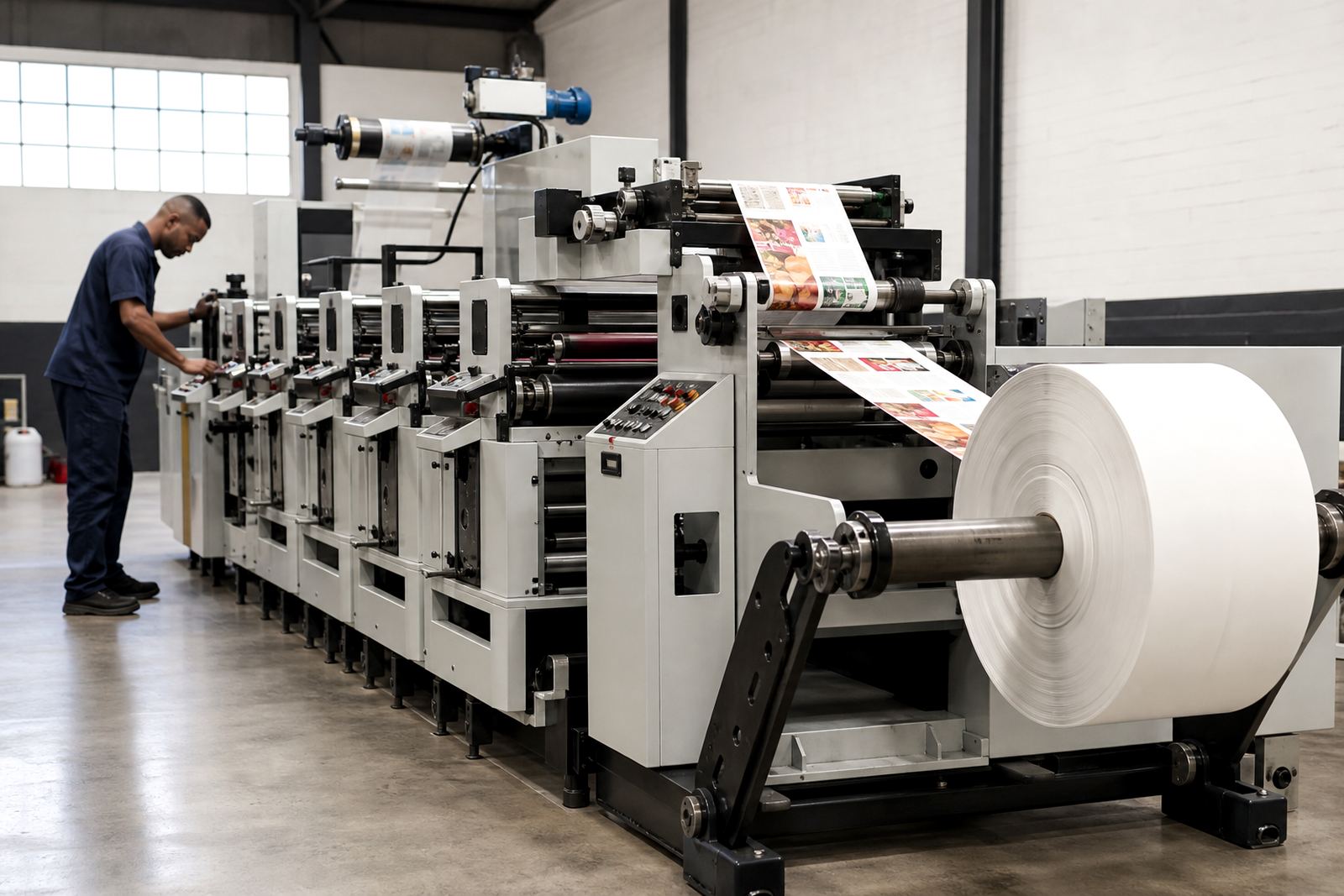
The Entry Flexo Press is a narrow-web flexo label press for converters that want a dependable machine for routine label and light packaging work. It is suited to short to medium runs, repeat jobs and changing artwork where setup time matters. For many South African shops, that means labels for food, beverage, cosmetics, household goods and retail items that need consistent print quality without unnecessary complexity.
This type of press is normally chosen when a business wants a clear production path, simple operation and sensible maintenance. It is not about pushing every possible feature into one machine. It is about getting the job on press, holding registration and completing finishing in a way that keeps day to day work moving. That matters when orders land late, power interruptions happen or a team has to work with a small crew on shift.
- Suitable for narrow-web label work
- Designed for daily production and repeat jobs
- Useful for converters starting up or adding capacity
- Can be paired with common finishing steps after print
Sizes and line options to match your work
Entry flexo presses are usually chosen in a narrow-web format so they can handle common label stock sizes without taking up unnecessary floor space. The right configuration depends on the label width you produce most often, the number of print stations required and whether you need inline finishing, die-cutting or inspection after print. In a plant in Kempton Park, Johannesburg or Pretoria, floor space and operator access can be just as important as the press itself.
Options are generally selected around the actual job mix. Some converters need a simple one or two colour setup, while others want more print stations for multi-colour labels. Others may need a cleaner path for varnish, cold foil look effects, slitting or rewinding. We help buyers look at the real production mix rather than overloading the line with extras that will not be used every day.
- Narrow-web layout for label stock
- Configuration can suit simple or multi-colour work
- Can be specified with practical finishing options
- Best matched to the labels you print most often
Where it fits in South African production
This press suits label converters supplying local manufacturers, wholesalers and printers across South Africa. It is a sensible fit for businesses that need a press that can be installed, commissioned and put into production without a long learning curve. Many customers also want support for repeat work, because the same product line may come back month after month with only a small artwork change.
In Gauteng, the press is often considered for operations in Spartan, Kempton Park, the East Rand, Centurion and Pretoria where quick turnaround is important. It also suits converters shipping to Durban, Cape Town and Gqeberha, where humidity, transport handling and tight customer timelines can affect finished labels. A press that is easy to keep in adjustment is useful when the job must move on quickly after loading, slitting or rewinding.
- Well suited to local label converters and trade printers
- Useful for repeat orders and changing artwork
- Can support jobs destined for coastal and inland markets
- Practical for plants that need quick changeover and simple control
Installation, power and site preparation
Before installation, we check floor space, access for unloading, machine positioning and the power supply available on site. A narrow-web press needs a level, stable area with enough room for material handling, inspection and maintenance access. If the press includes drying or curing equipment, the site may also need proper ventilation, extraction and safe routing for cables, hoses or gas related services where applicable.
Because South African sites often manage load-shedding and variable power quality, it helps to plan for a controlled start-up and a practical shutdown routine. In some plants, a backup power arrangement is needed for key systems while others rely on production planning around supply interruptions. The important point is to match the press installation to the actual building, not to force the machine into a space that is too tight or under supplied.
- Check floor loading, access and operating space
- Confirm power supply and any drying or curing needs
- Plan for ventilation and safe cable routing
- Prepare for load-shedding and orderly restart procedures
Care, servicing and production support
Routine care keeps a flexo press printing properly. That includes cleaning print areas, checking rollers and anilox care, keeping plate mounting accurate and monitoring wear on moving parts. Good housekeeping matters too. Ink, dust and adhesive build-up can affect print quality and cause small faults that become expensive if they are left alone. On busy jobs, a short daily check is often better than waiting for a bigger breakdown.
We support converters with preventive maintenance, breakdown support, remote support and startup production help. Where operators need confidence on the floor, we can assist with training on setup, adjustment and finishing steps. For plants in coastal areas like Durban or Cape Town, sensible cleaning and storage practices matter even more because humidity can affect plates, materials and finished reels. It is simple work but it has to be done consistently.
- Daily cleaning and inspection keeps faults down
- Anilox care and plate mounting accuracy are important
- Preventive maintenance helps reduce stoppages
- Operator training supports steady output and less waste
What to confirm before you order
Before ordering an Entry Flexo Press, it helps to confirm the widths and repeat sizes you actually need, the number of colours or stations, and whether you want inline finishing. You should also check the materials you print most often, since paper, self-adhesive stock and specialist label materials can behave differently on press. The final choice should fit the day to day work, not only the largest job on paper.
It is also wise to confirm your production flow. Will the press be fed from rolls, do you need rewinding and slitting, will you train one shift or more than one, and who will handle maintenance. If a machine is going into a busy Gauteng site, or a coastal plant with stronger humidity control needs, those practical details matter. If you are unsure, our team can help you work through the order step by step through the enquiry form on our contact page.
- Confirm web width, colour count and finishing needs
- Match the press to your main label materials
- Plan operator training and maintenance responsibility
- Check site conditions before final specification
Key facts
| Press type | Narrow-web flexo label press |
|---|---|
| Typical use | Straightforward label work and daily production |
| Format | Roll-fed narrow-web configuration |
| Printing setup | Multiple print stations available depending on specification |
| Finishing | Can be arranged for slitting, rewinding and other common label finishing steps |
| Support | Installation, commissioning, training, maintenance and breakdown support |