What a Lamination Unit Does on a Narrow-Web Line
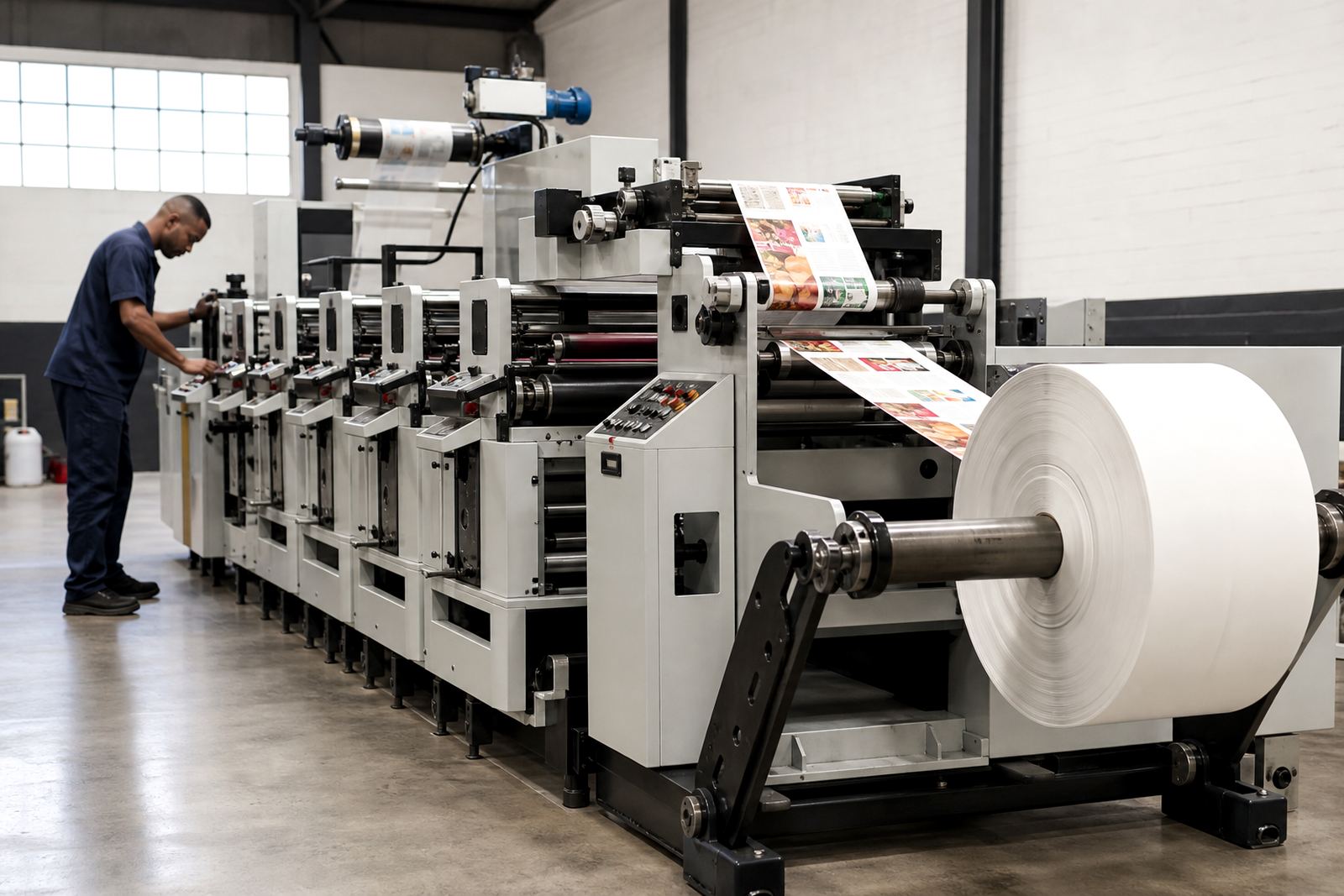
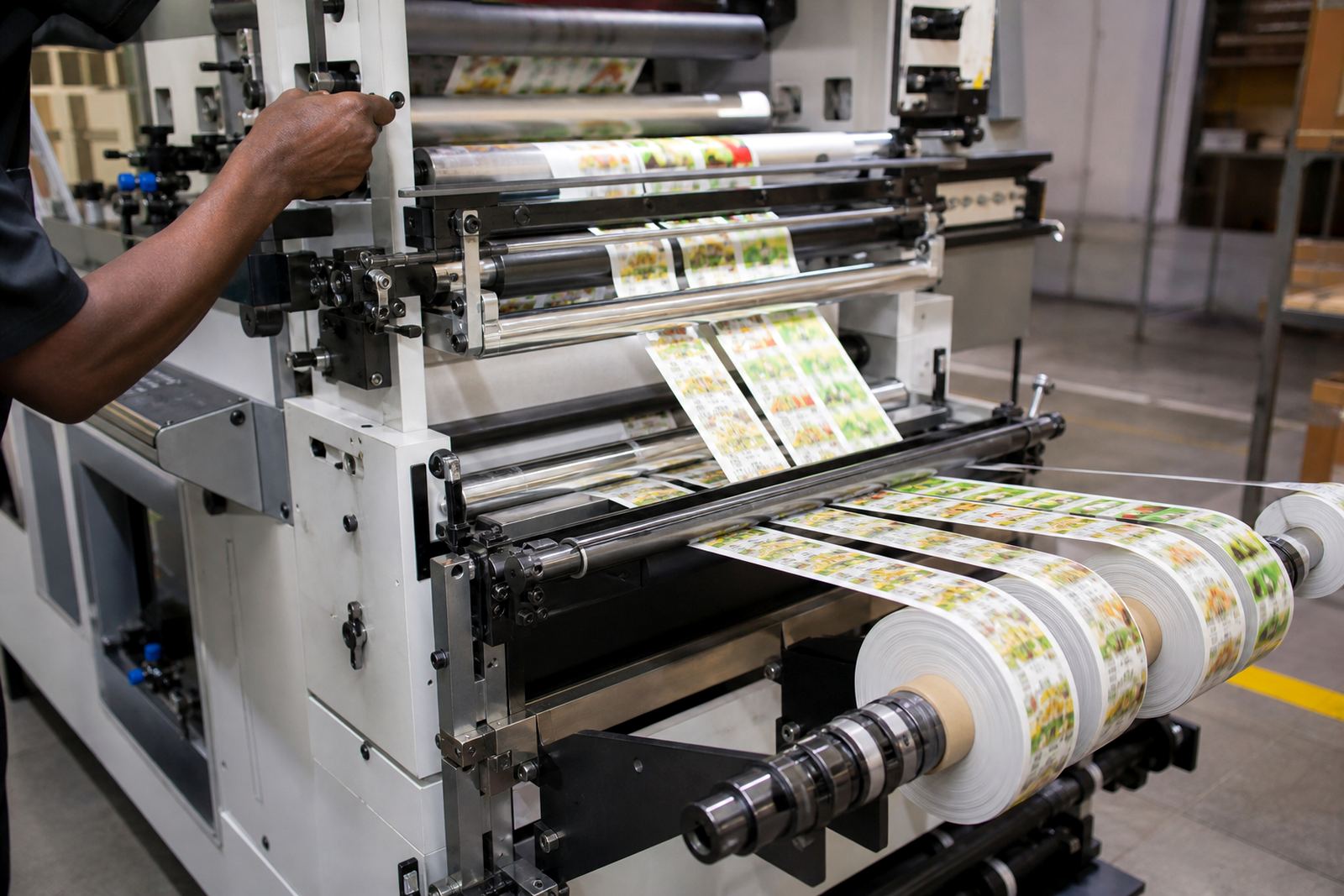
A lamination unit is a finishing station fitted to a narrow-web flexo press or installed as part of a converting line. It feeds a clear or printed film over the label web and bonds it to the printed surface under controlled tension and pressure. The result is a cleaner looking label with improved protection against scratching, rubbing and surface wear.
For South African label converters, this is useful where products move through distribution, cold rooms, humid coastal stores or busy packhouses. It helps keep artwork looking sharp when packs are handled often, and it can also improve resistance to moisture and light surface marks. On food, cosmetic and retail labels, the finish often makes the product look more complete without changing the base print process.
Lamination units are generally used with solvent, water based or UV printed webs depending on the press setup. They are also common where labels need extra appearance control before die cutting, slitting or rewinding. In a production room the key is steady web control, accurate register and a clean film path, because any small tracking issue will show up fast on narrow webs.
Typical Options and Working Widths
We supply lamination units for narrow-web work, so the size must match the press width and the type of labels being run. The right choice depends on whether the converter is running small self-adhesive labels, wraparound labels or heavier packaging films. Some units are built for inline use, while others suit standalone finishing or offline converting.
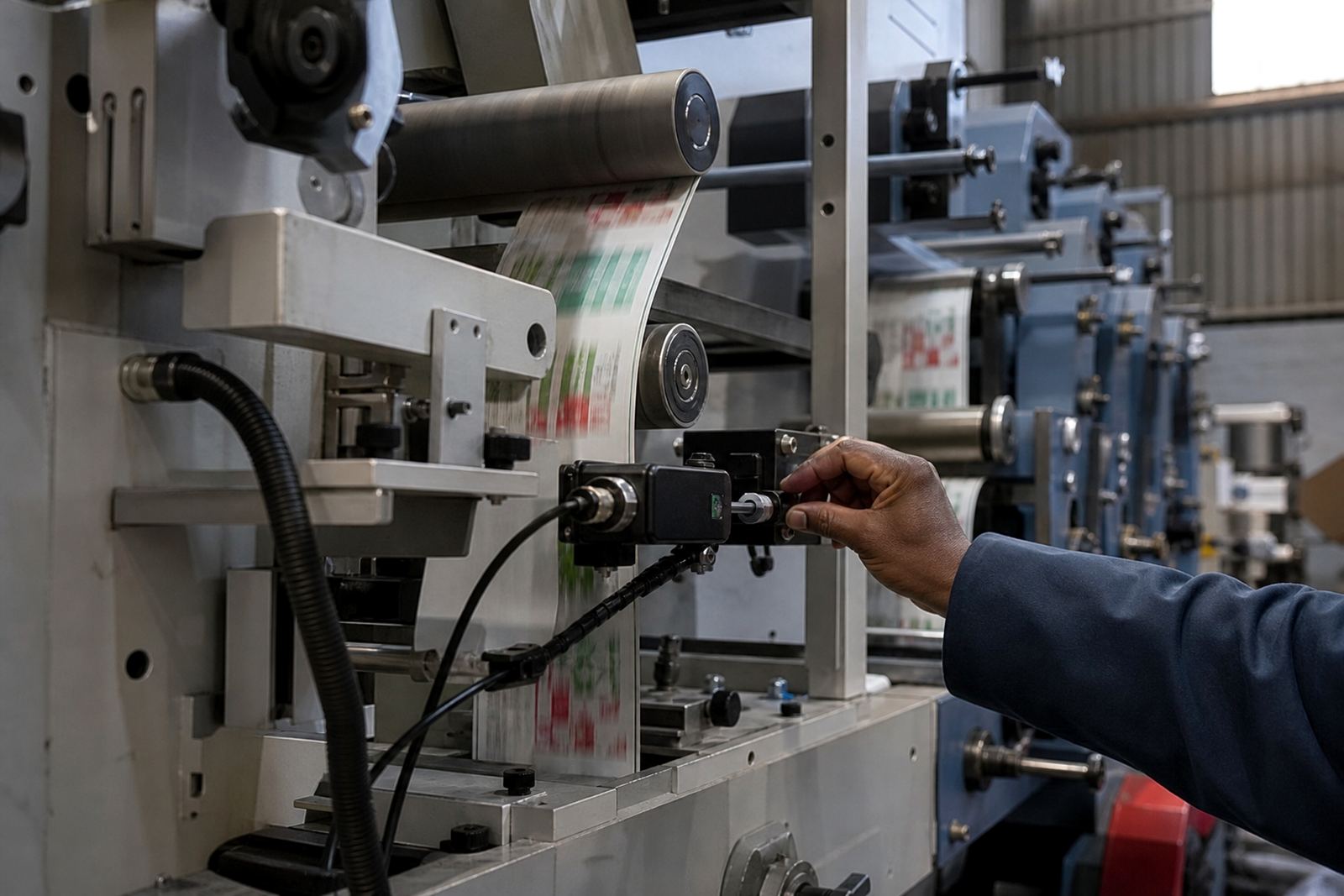
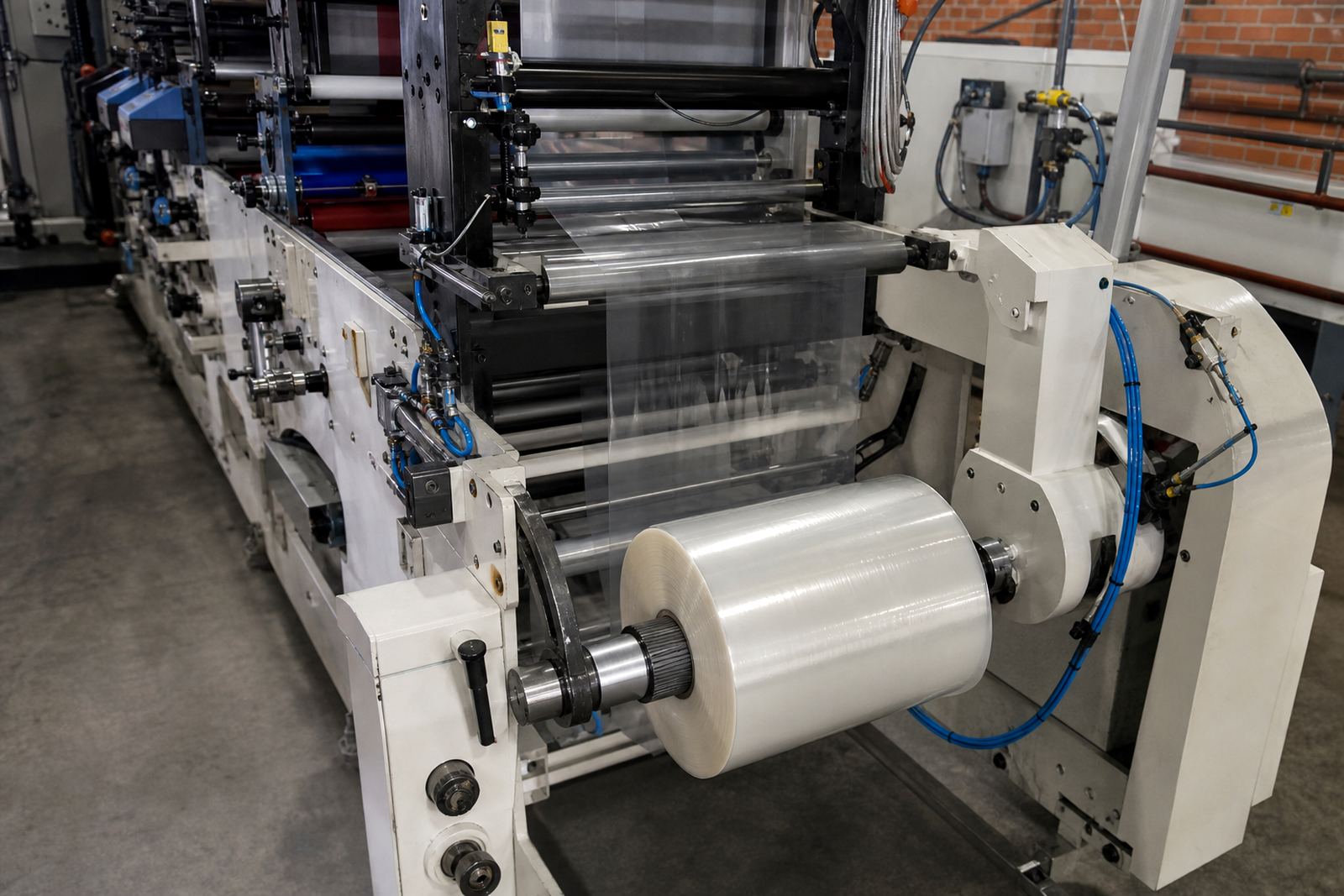
Common options include manual or pneumatic nip control, film unwind and rewind stations, web guiding, tension control and adjustable roller pressure. Some setups also include anti-static control and easy access guards for cleaning and film threading. The aim is to keep the film even across the web, with no wrinkles or edge lift.
- Web widths matched to narrow label production
- Inline or offline finishing layouts
- Clear, matt or speciality film options
- Manual or air assisted pressure control
- Web guiding and tension management
- Access for quick cleaning and changeovers
When selecting a unit, the important thing is not only the width but the daily work pattern. A converter in Johannesburg running shorter campaign changes may need quicker setup, while a Durban site dealing with humidity and coastal air may prioritise stable film handling and less static build-up. The same applies in Cape Town and Gqeberha where salt air can affect storage and maintenance if the room is not managed properly.
Where Lamination Works Best
Lamination suits labels that need a better outer surface, extra protection or a more premium feel. It is often chosen for food and beverage labels, cosmetic labels, household products and retail branding. If the product is likely to be touched, chilled, packed in crates or moved through several warehouses, lamination can make a practical difference to appearance and durability.
It is also useful where the printed face needs support before further finishing. For example, some converters laminate before die cutting or before a special finishing pass, so the label keeps a cleaner edge and a more consistent top surface. In high-volume work, that can reduce rejects and rework, which matters when the job list is full and turnaround time is tight.
In Gauteng, many plants want equipment that can handle mixed jobs and short lead times. In coastal areas, the focus may be more on film handling, storage conditions and regular cleaning. Either way, the lamination unit should suit the actual job mix, not only the brochure description.
- Self-adhesive labels requiring added surface protection
- Labels for chilled, damp or handled packaging
- Retail packaging where appearance matters on shelf
- Short-run jobs with frequent changeovers
- Converters adding finishing before die cutting or rewinding
Installation, Utilities and Line Fitment
Correct installation is important because lamination depends on alignment, tension and clean web flow. Our team handles press installation and press commissioning for narrow-web equipment across South Africa, including Kempton Park, Pretoria, Johannesburg, Durban, Cape Town and Gqeberha. We assess the press layout, floor space, operator access and the path the web will follow through the finishing station.
Power needs depend on the exact unit configuration and whether the lamination module is paired with other finishing equipment. In practice, the site should have stable electrical supply, proper isolation and safe access for maintenance. Where production is affected by load-shedding, it helps to plan for controlled shutdowns, restart checks and a process that does not leave film stuck on rollers or waste web in the path.
Some installations may also need compressed air for nip control, guards or related automation functions. The air supply must be clean and dry. In humid areas this matters more, because moisture in the airline can affect performance and create extra maintenance. We always check the site conditions before commissioning, so the unit is set up for the way the business actually runs.
Care, Cleaning and Servicing for Daily Production
A lamination unit works best when rollers, guides and tension points are kept clean. Film residue, dust and adhesive build-up can cause wrinkles, edge lift or tracking problems, especially on narrow webs. Operators should check the path at the start of each shift and after every roll change. A few minutes of care can save a lot of waste later.
Preventive maintenance should cover roller condition, bearings, web path alignment, guard condition and air supply if fitted. If the unit is used in a busy converter room, the cleaning routine must be part of the production standard, not something left until there is a fault. We support preventive maintenance, breakdown support, remote support and spare parts support for customers from the East Rand through to the coast.
Operator training is also part of good care. A trained operator will spot film tension problems, misfeed, loose edges and small alignment changes before they become a job stop. Lerato Ndlovu and the training team work with operators and supervisors so the line is set and handled properly from the first run. That support is especially useful when new staff join or when the plant changes product mix.
What to Check Before You Order
Before ordering a lamination unit, the converter should confirm the web width, the type of film to be used, the press model and the level of finishing needed. It also helps to know whether the unit must fit into an existing line or operate as a separate station. The more accurate the job details, the easier it is to match the equipment to the production room.
We also recommend checking the environment around the machine. Floor space, reel handling space, access for maintenance and room for operator movement all matter. In some plants the issue is not the unit itself but the path around it. If the line is tight, a unit that is easy to load and clean will save time every day.
- Press width and current line layout
- Film type and finished label appearance required
- Whether the unit is inline or offline
- Available power and compressed air supply
- Operator skill level and training needs
- Maintenance access and spare parts planning
For label converters across South Africa, a properly chosen lamination unit is a practical finishing tool rather than a fancy extra. It improves surface appearance, helps protect the print, and keeps the final label in better condition through packing and transport.
Support From Spartan, Kempton Park
Flexography Printer is based in Spartan, Kempton Park and supports label converters nationwide. Our team works with customers in Johannesburg, Pretoria, Durban, Cape Town, Gqeberha, Centurion and the East Rand. We handle installation, commissioning, training, production support and servicing for narrow-web flexo and finishing equipment.
When a customer asks about a lamination unit, we look at the whole process from unwind to rewind, not just one part of the machine. That includes setup, operator handover, maintenance planning and the day to day running of the line. It is practical support for real production, not theory.
Enquiries come through the contact page enquiry form, and we respond with the right technical questions so the unit is matched properly to the job. Thabo Mokoena oversees the business, with support from Aisha Patel, Johan van der Merwe, Lerato Ndlovu, Sibusiso Khumalo and Megan Naidoo. The goal is simple: fit the right finishing equipment and keep it running well.
Key facts
| Product type | Narrow-web lamination unit for label finishing |
|---|---|
| Use | Protective film application on printed labels |
| Fitment | Inline or offline, depending on press layout |
| Web width | Matched to narrow-web press size |
| Control | Tension control and adjustable nip pressure |
| Support | Installation, commissioning, training and servicing |