What the Slitting Module Does on a Narrow-Web Line
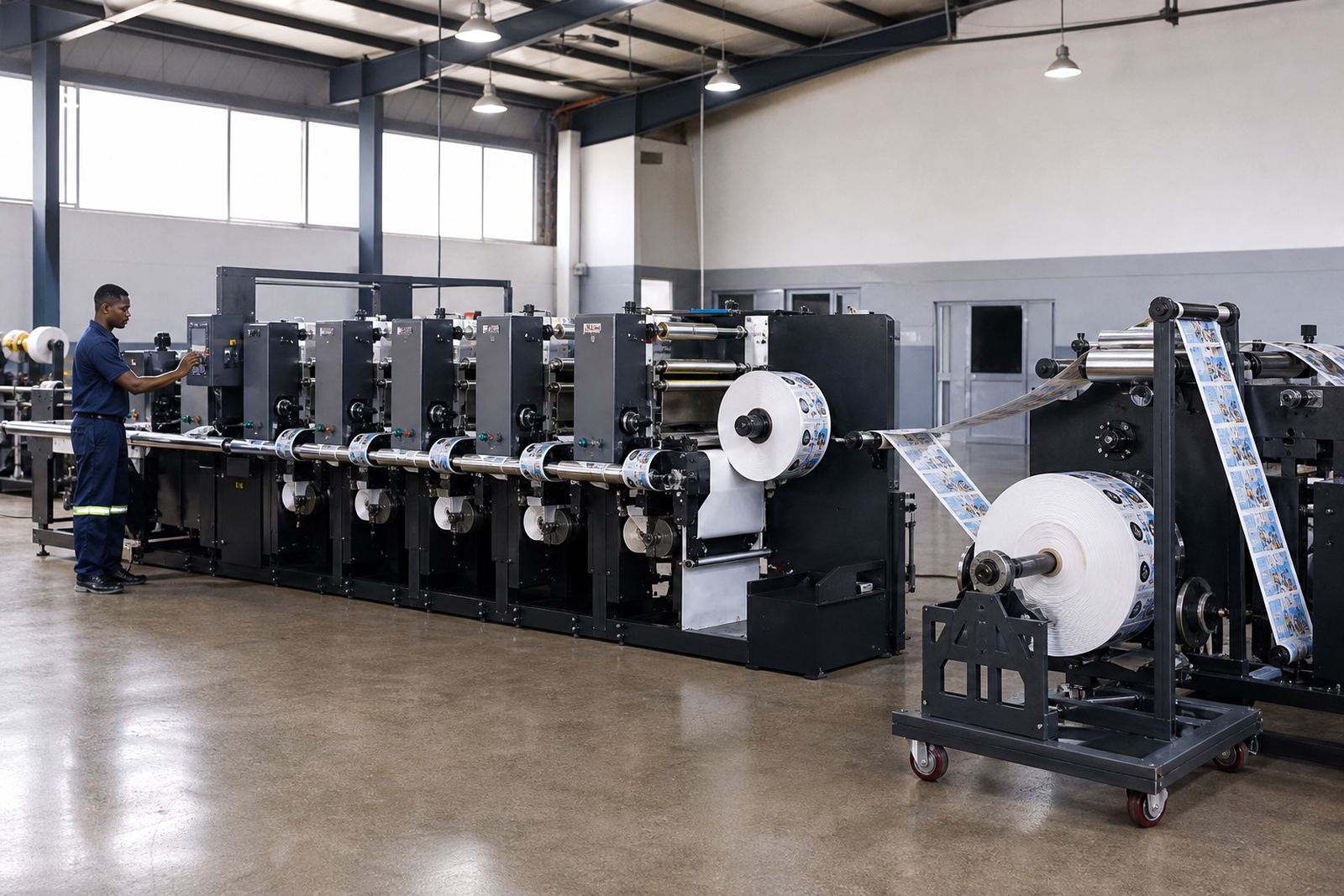
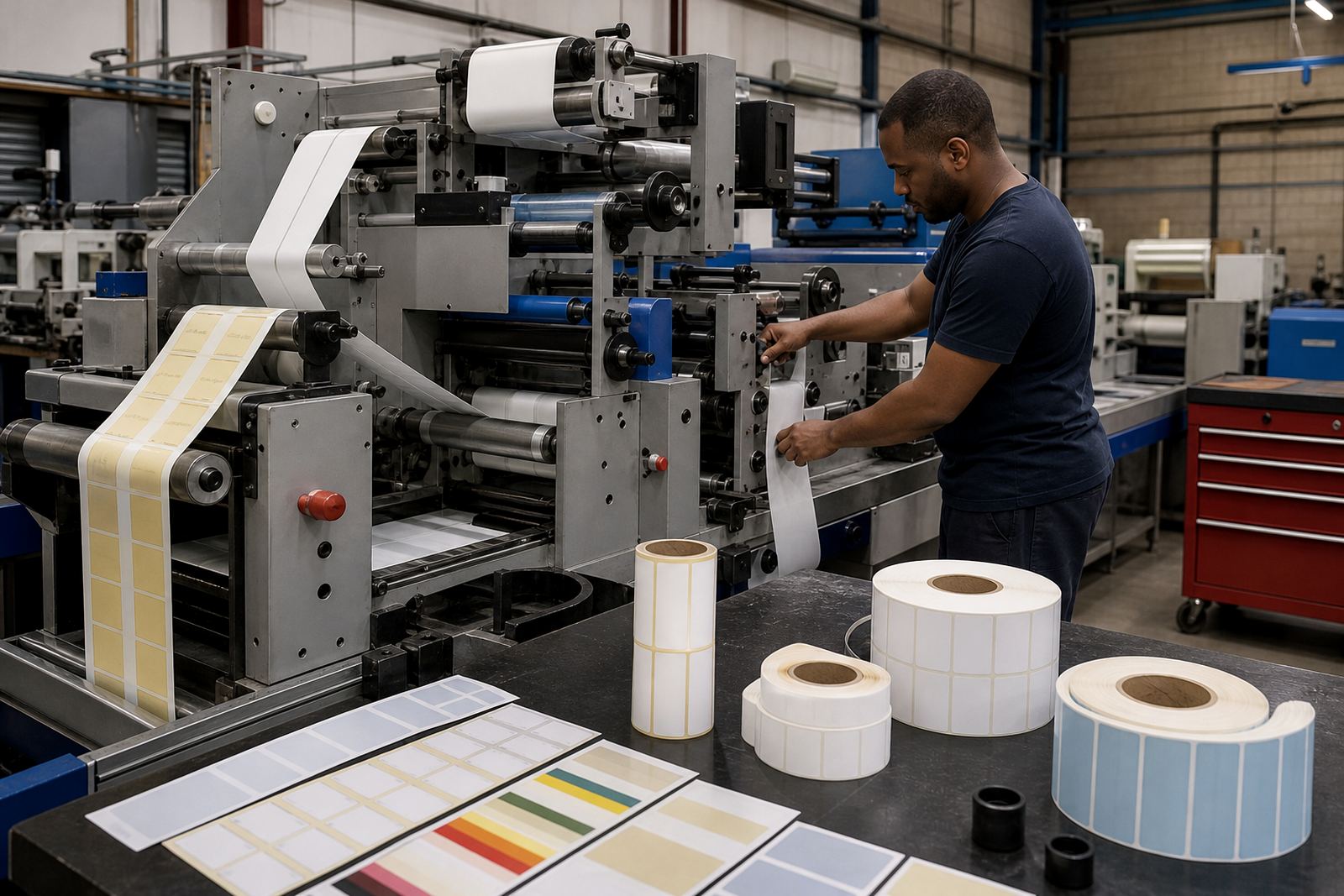
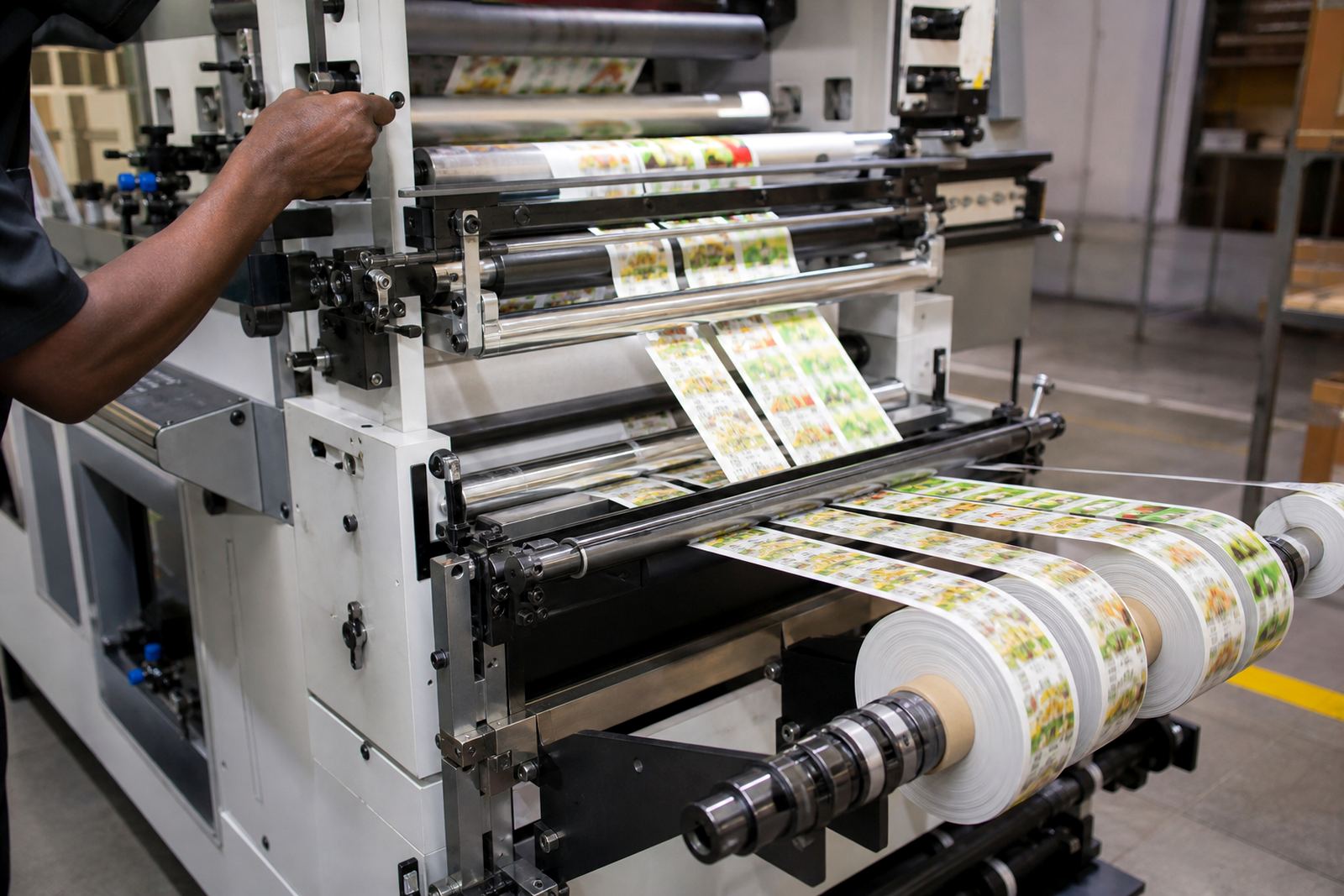
A slitting module is a finishing add-on fitted after printing and before rewind. Its job is to divide the printed web into narrower lanes so each lane can be rewound, counted or sent on for the next converting step. In label production this helps when the same parent web carries more than one label width, or when a converter needs smaller finished reels for packing, hand application or further finishing.
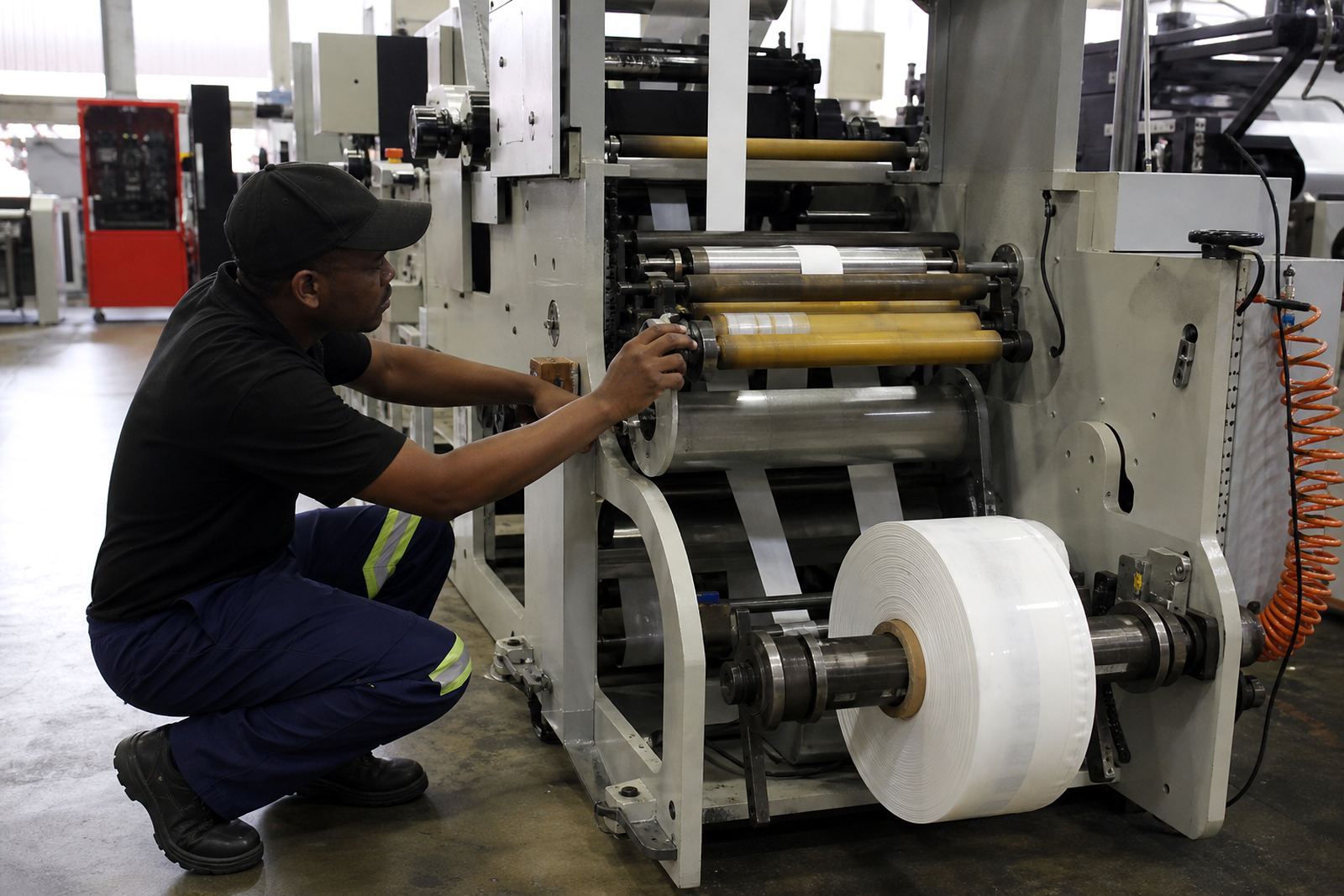
In practical terms, the module must keep the web stable while blades, knives or cutting heads do their work. If tension is not controlled properly, the slit edge can wander, the reel can telescope and the customer ends up with waste. For South African plants that run food, beverage, cosmetics or retail labels, that kind of consistency is worth a lot because stoppages are expensive and load-shedding already eats into the day.
Typical Sizes, Layouts and Options
Slitting modules are usually matched to the press web width, repeat pattern and rewind arrangement. Some plants need a compact unit that fits into a tight line layout in Spartan or elsewhere in Gauteng, while others need a wider arrangement for multiple lanes. The right option depends on how many strips are being cut, how often the job changes and whether the press runs light paper stocks, filmic labels or heavier converting material.
- Single or multiple slit lanes depending on the final reel format
- Knife, razor or rotary style cutting arrangements, selected for the stock and finish required
- Adjustable web guides and tension control points to keep the cut line steady
- Quick access for blade changes and cleaning during production breaks
- Integration with rewind sections for tidy roll formation
When specifying the module, it helps to think about future work too. A converter in Johannesburg may start with one product mix, then add new label sizes for Durban or Cape Town customers. Leaving room for a wider operating window can save a second purchase later, especially if the line is expected to handle varied reels through the week.
Where It Suits Label Converters and Finishing Rooms
This module suits narrow-web flexo operations that want to finish more work in line instead of sending reels to a separate slitting area. It is useful for label converters serving supermarkets, bottle fillers, personal care packs, household products and short run industrial labels. If your operation needs smaller reels for downstream packing or wants to divide one printed web into several saleable units, the module is a practical fit.
It also helps in sites that need neater production planning. By reducing manual handling, it can support cleaner workflow between print, slitting and dispatch. In humid coastal areas such as Durban or Gqeberha, keeping the web moving through fewer handling steps can also help with dust, edge lift and storage issues. That said, the room conditions and the stock type still have to be managed properly.
- Label converters producing multiple finished reel widths
- Plants doing in-line finishing rather than off-line cutting
- Operations that need better reel presentation before packing
- Sites with repeat jobs where setup time must stay under control
Installation, Power and Site Readiness
Before installation, the press line must be checked for space, floor condition, access for service and the correct position in relation to the rewind section. A slitting module needs proper alignment, safe guarding and enough room for operator access. If it is being added to an existing line, the current web path, shaft arrangement and control points must be reviewed so the module works with the rest of the press and does not create a bottleneck.
Power needs depend on the final setup and the controls included, while some finishing lines may also need compressed air for certain functions. The exact requirements should be checked before delivery so the site can prepare the electrical supply, isolators and any air points. For South African factories, the practical side matters too: confirm the breaker space, keep the area clear for maintenance and make sure the operator can reach the control panel safely during a shift.
- Correct mounting position and web path alignment
- Electrical supply and isolation points prepared in advance
- Compressed air supply checked where the chosen setup needs it
- Safe access for blade changes, cleaning and servicing
Care, Servicing and Blade Condition
Like any finishing unit, a slitting module performs best when it is kept clean and checked often. Blade condition must be monitored because dull edges can cause ragged cuts, excess dust or pressure marks on the web. Guides and tension points should be cleaned as part of routine housekeeping, and the module should be inspected for wear after heavy production runs or long shifts.
Preventive maintenance is usually cheaper than waiting for a breakdown in the middle of a rush order. In Gauteng and across the coast, dust and humidity can both affect moving parts, so regular care is important. A small bit of attention each week can avoid bigger problems later, especially when the line is expected to keep running through tight delivery windows. Operators should be shown how to spot wear early, not only after a fault appears.
- Check blade wear and cutting pressure at planned intervals
- Clean web guides and surrounding parts after production
- Inspect alignment when reel quality starts to drift
- Keep spare consumables ready for common job changeovers
What to Confirm Before You Order
Before ordering, it is worth checking the web width, number of slit lanes, substrate type and how the reels must come off the press. Also confirm whether the module must handle narrow labels, wider roll stock or mixed production. If the site expects future growth, ask whether the chosen layout can be adjusted later without replacing the full unit.
Useful ordering details include the press model, rewind direction, available floor space and any site limits on power or compressed air. If you are in Kempton Park, Pretoria, Centurion, Durban, Cape Town or Gqeberha, it also helps to confirm delivery access and where the unit will be installed inside the plant. Our team can talk through the job from enquiry to commissioning, with setup, operator training and support available across South Africa.
- Finished reel widths and number of lanes required
- Web width, substrate type and print finish
- Press layout, rewind direction and available space
- Power and air supply details at the installation point
- Expected job mix and future changeover needs
Key facts
| Product type | In-line finishing add-on for narrow-web flexo presses |
|---|---|
| Function | Divides printed webs into narrower lanes before rewind |
| Compatible use | Label and light packaging production |
| Layout options | Single or multiple lane configurations |
| Utility needs | Electrical supply, and compressed air where required |
| Service support | Installation, commissioning, training and preventive maintenance |