
What mid web flexo means on the production floor
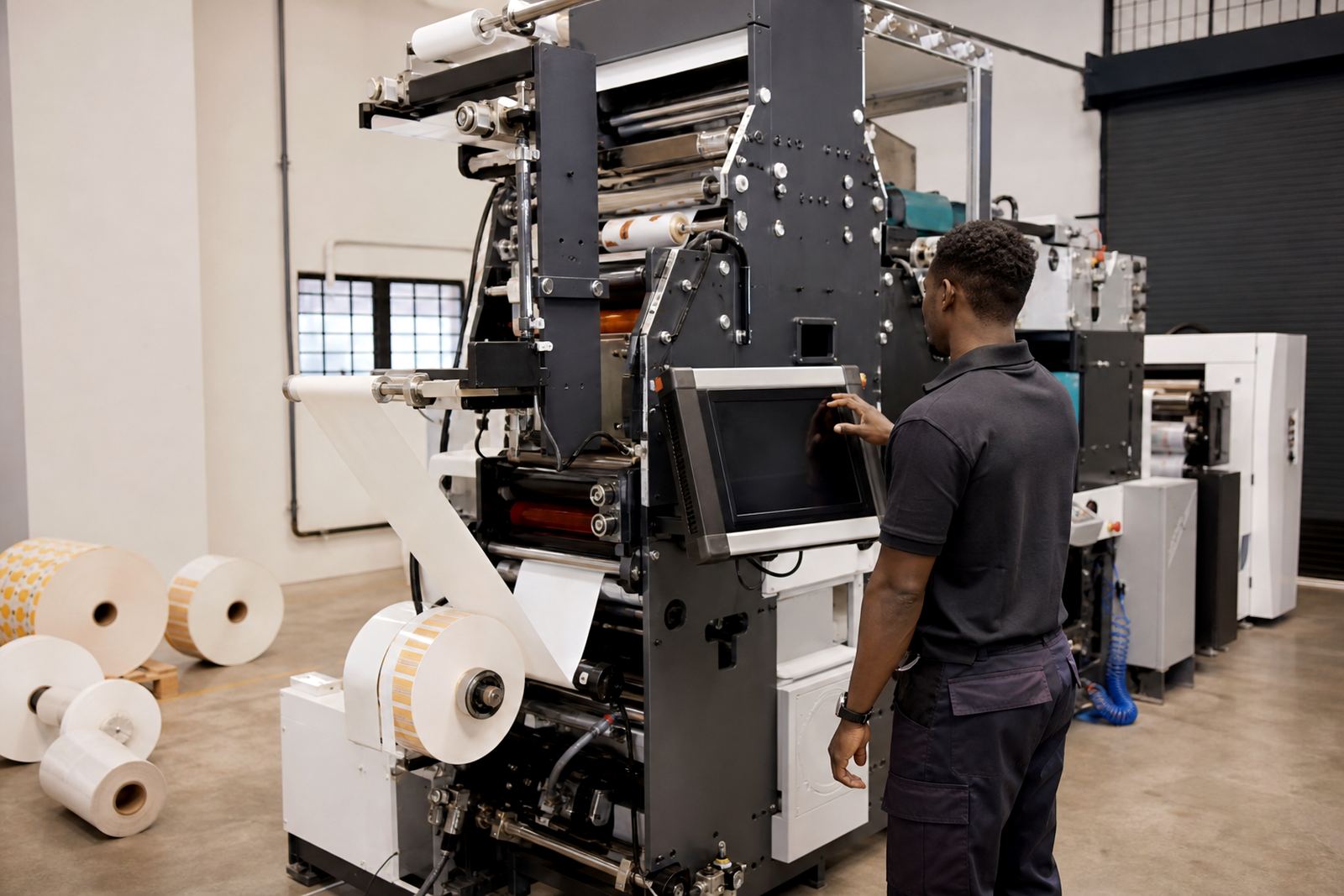
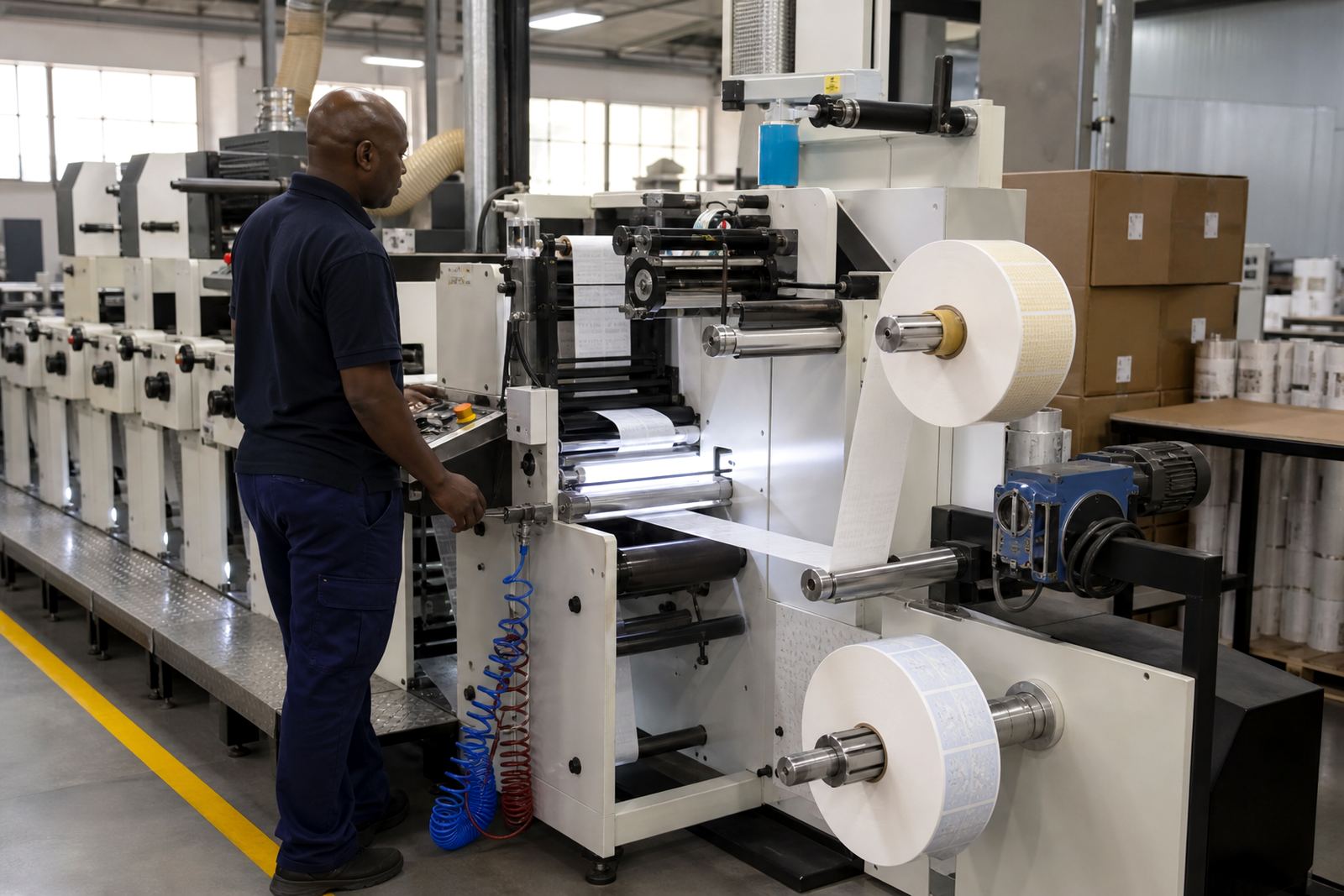
Mid web flexo sits between narrow-web label presses and the wider packaging lines used for larger cartons and wrap work. In practical terms it gives a converter more room for repeat size, layout choices and in line finishing, while still staying in the label and narrow packaging space. It is often chosen by businesses handling a mix of food labels, beverage labels, personal care labels and retail packs that change through the week.
The format is suited to converters that want more flexibility without moving into heavy packaging equipment. It can be set up for self adhesive labels, tags, shrink sleeve related work where suitable converting is included, and other short to medium run jobs. The key is matching the press width and finishing line to the job mix, the substrate and the amount of waste the site can handle. For a plant in Johannesburg or Durban, that often means planning around fast changeovers, labour availability and power interruptions that can affect production timing.
Width choices, station layout and finishing options
Mid web presses are usually specified to suit a converter’s actual job basket rather than a single product type. Width, number of print stations and finishing tools all affect output, make ready time and operator workload. A good setup should leave room for solid print coverage, fine text, barcodes and the type of finishing that keeps labels moving through the line cleanly.
- Web widths selected for mixed label formats, not just one standard size
- Multiple print stations for colour work, spot work and overprint needs
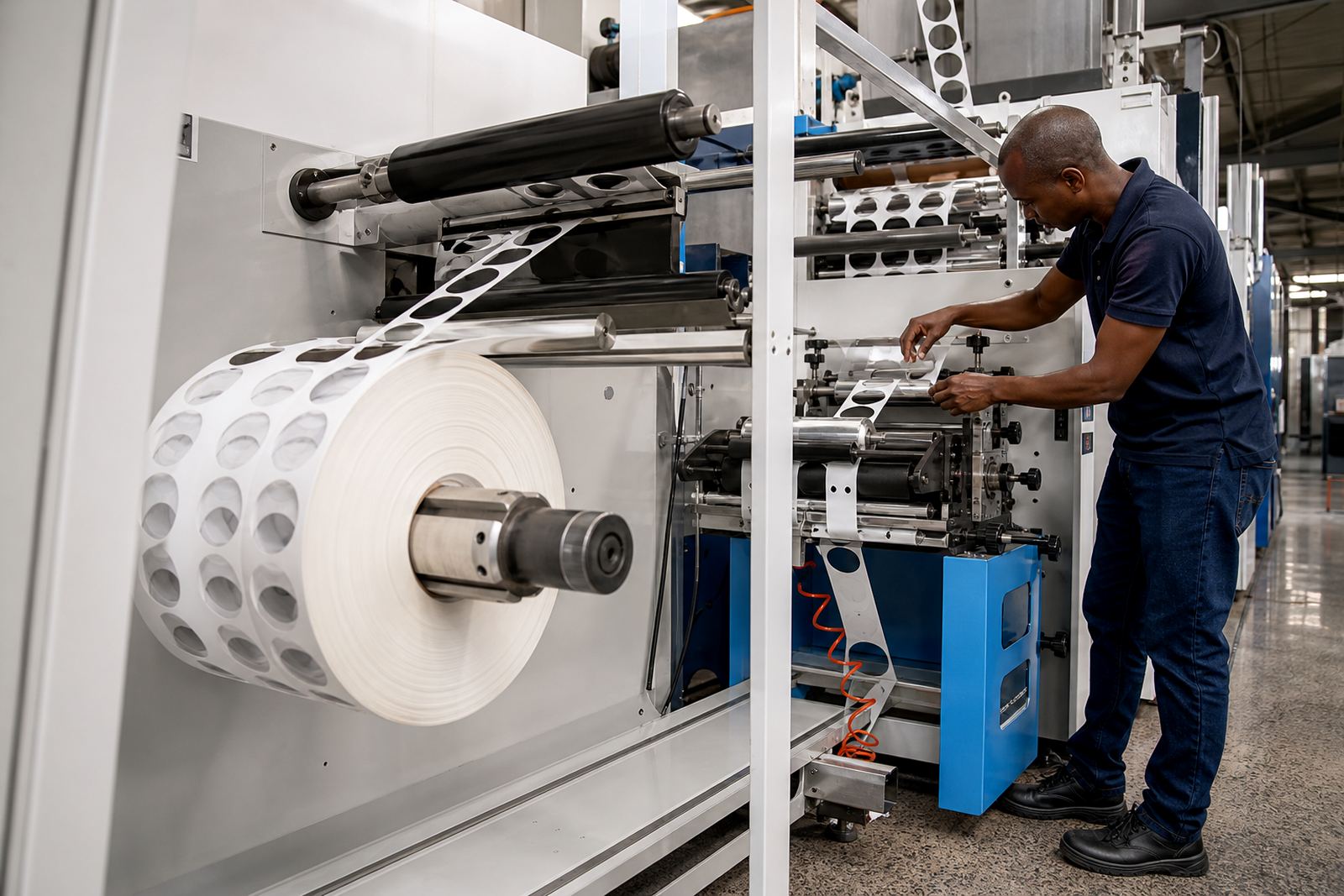
- Options for die cutting, slitting, sheeting or rewinding as required
- Suitability for inline finishing where the job needs varnish, laminate or adhesive related work
- Guidance on substrate compatibility, from paper face stocks to films and specialist label materials
Converters in Cape Town and Gqeberha often ask for extra attention to humidity and storage conditions. Coastal moisture can affect rolls, adhesive response and finishing consistency, so web handling, drying and storage need to be planned with the site conditions in mind. That same practical approach matters for inland sites too, especially where night temperature swings and dust can affect registration and plate life.
Where mid web presses fit best in South African production
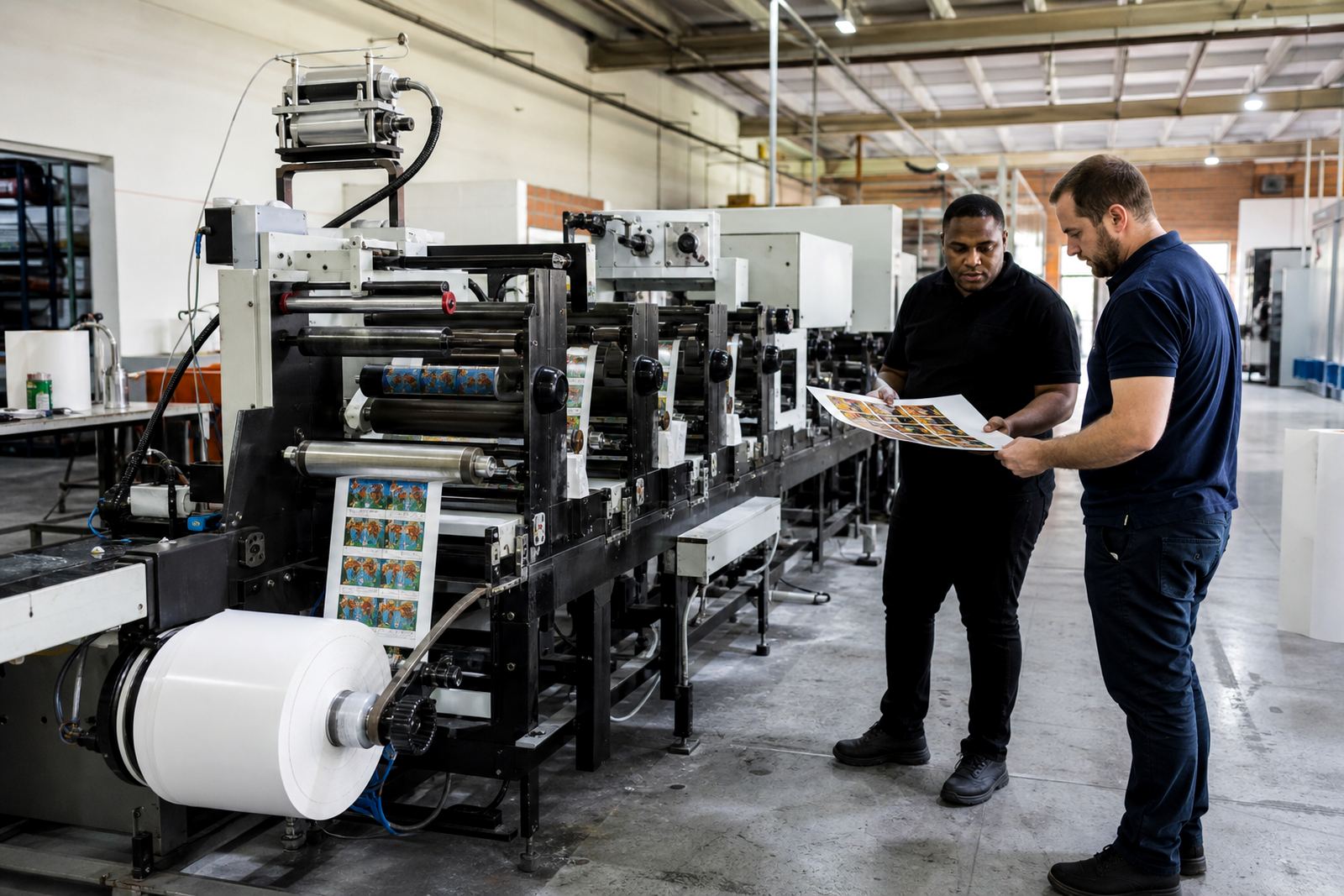
This product suits label converters that need more room and more output control than a narrow-web line can give, but do not need the scale of a full packaging press. It is a sensible fit for multi sector work where artwork changes often and finishing needs vary from one customer to the next. Food and beverage, cosmetics, household products, chemicals and retail promotion work are all common examples.
For plants supplying Johannesburg, Pretoria and the East Rand, mid web often helps balance speed with finishing quality when the same line must handle different jobs in one shift. In KwaZulu-Natal and the Western Cape, the press also needs to cope with variable ambient conditions, loading practices and power supply planning. That means checking not only print quality, but also drying, curing if used, rewind quality and the way rolls are handled before and after printing.
- Mixed label production with changing artwork and repeat sizes
- Converters wanting more finishing room than a narrow-web line allows
- Sites that need cleaner changeovers across several short runs
- Operations that supply retail, FMCG and industrial customers
Installation, power planning and site readiness
Installation starts with a proper site check. The floor must take the machine load, the access route must allow entry without damage, and the line must be positioned so operators can reach print, rewind and finishing sections safely. If a press is being moved into an active plant in Kempton Park, Centurion or Durban, the layout should also make space for material staging, reject handling and maintenance access. Tight corners and low doors are where delays usually begin.
Power requirements vary by press build and finishing setup, so the electrical supply should be confirmed before delivery. Where dryers, curing units, extraction or compressed air are needed, those services must be included in the planning. Some sites also need load shedding backup arrangements, especially where production windows are short and customer lead times are strict. If gas is part of the drying or curing method, the supply, storage and safety controls need to meet site and municipal rules, with proper ventilation and trained staff in place.
- Confirm electrical supply, phase arrangement and panel access
- Check compressed air requirements for the chosen configuration
- Plan extraction, gas handling and ventilation where required
- Allow space for rewinding, inspection and offload of finished rolls
Care, servicing and day to day press support
Mid web flexo performs best when the press is kept clean, checked often and set up by operators who understand registration, tension and plate handling. Service work should focus on wear points before they become faults. That includes bearings, rollers, doctoring systems where fitted, sensors, brakes and the finishing section. In many plants the real cost is not the fault itself, but the waste created when a small issue is left too long.
We support preventive maintenance, breakdown callouts, remote support and startup production help for converters across South Africa. For coastal sites, extra attention should go to corrosion, adhesive build up and moisture related inconsistencies. Inland sites often need more care around dust and temperature changes. Plate mounting help, anilox care and finishing setup all make a difference to print repeatability and make ready time. A simple cleaning routine after each shift can save a lot of time the next morning.
- Regular inspection of print units, rewind systems and web path components
- Cleaning and handling routines for anilox and plates
- Check tension settings during every changeover
- Keep spares for common wear items and critical sensors
What to check before ordering a mid web press
Before you order, start with the actual jobs you want to run. That includes label sizes, repeat lengths, substrate types, finishing steps and how often the work changes. A press that looks ideal on paper can be awkward in production if the station count is too low or the rewind and slitting arrangement does not suit your output pattern. Ask what can be added later and what must be decided at the outset.
It also helps to check operator skill levels, available floor space and the level of support your team will need after installation. Some sites need full startup production support, while others only need training and occasional service calls. For teams in Pretoria, Johannesburg, Cape Town or Gqeberha, response time and parts support matter just as much as the machine spec. Make sure the machine matches your substrate range, your finishing plan and the way you schedule work through the month.
- Job mix, repeat sizes and expected run lengths
- Substrate range and any special drying or curing needs
- Finishing requirements such as varnish, lamination or slitting
- Available space, power supply and compressed air access
- Training level of the crew and support needed after commissioning
Support across South Africa from Spartan, Kempton Park
Our team works from Spartan, Kempton Park and supports label converters across Johannesburg, Pretoria, Durban, Cape Town, Gqeberha, East Rand and Centurion. The service model is practical: press installation, commissioning, operator training, startup production support, preventive maintenance, breakdown support, remote support, spare parts support, anilox care, plate mounting help, finishing setup and production consulting. That keeps the focus on output, not guesswork.
When a converter is choosing mid web flexo, the machine is only part of the decision. The real value comes from getting the setup right, keeping the line stable and making sure the crew can run it properly after handover. If the enquiry starts with a job list, a substrate sample and a clear idea of the finish required, it becomes much easier to specify the right press and support it well over time.
Key facts
| Format | Mid web flexo press for mixed label production |
|---|---|
| Typical use | Labels and light packaging jobs with multiple artwork changes |
| Width options | Selected to suit the job mix and finishing plan |
| Printing stations | Configured to match colour, overprint and finishing needs |
| Installation needs | Electrical supply, floor space, compressed air and ventilation as required |
| Support services | Installation, commissioning, training, maintenance, breakdown support and parts help |