What a rewind inspection unit does on a label line
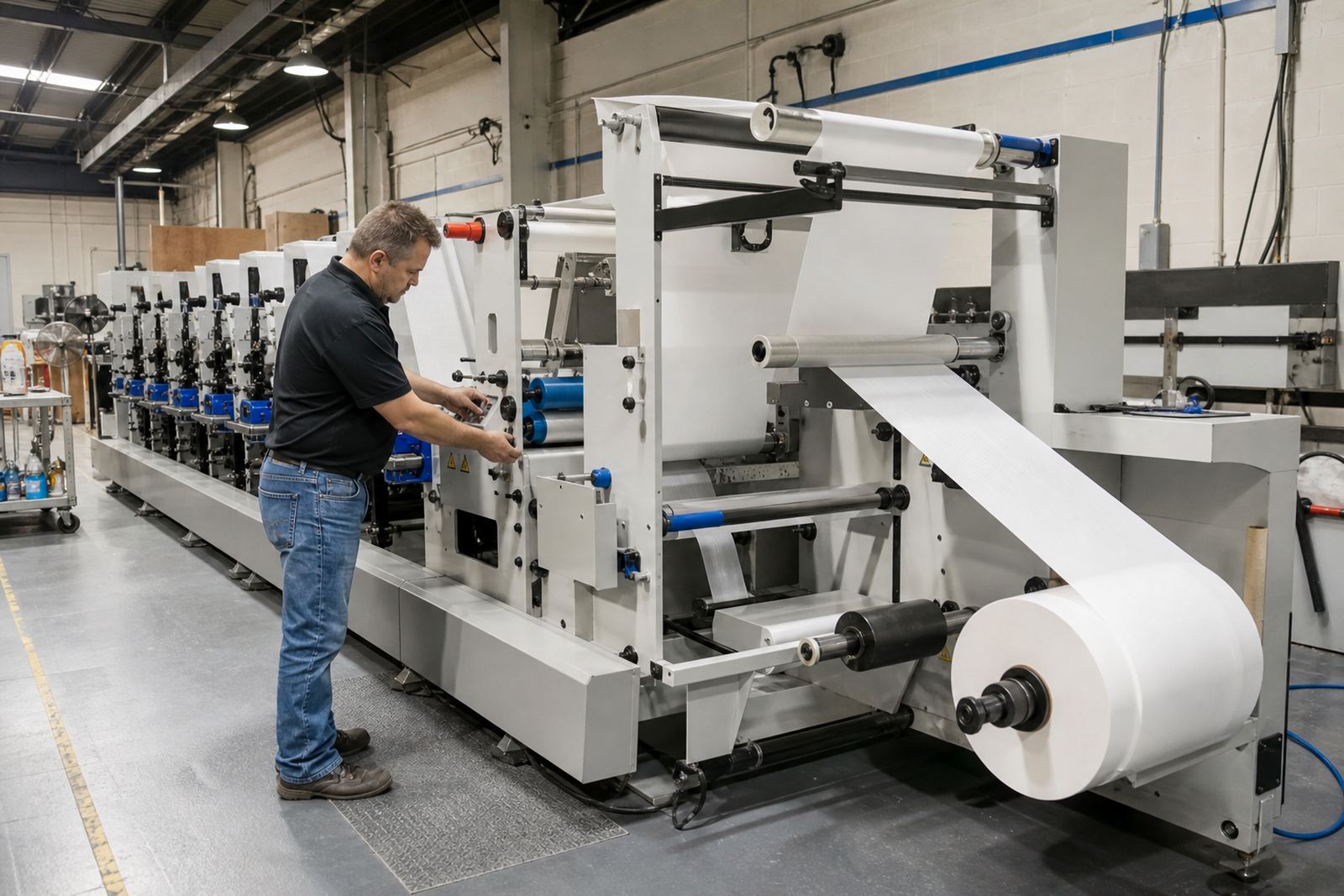
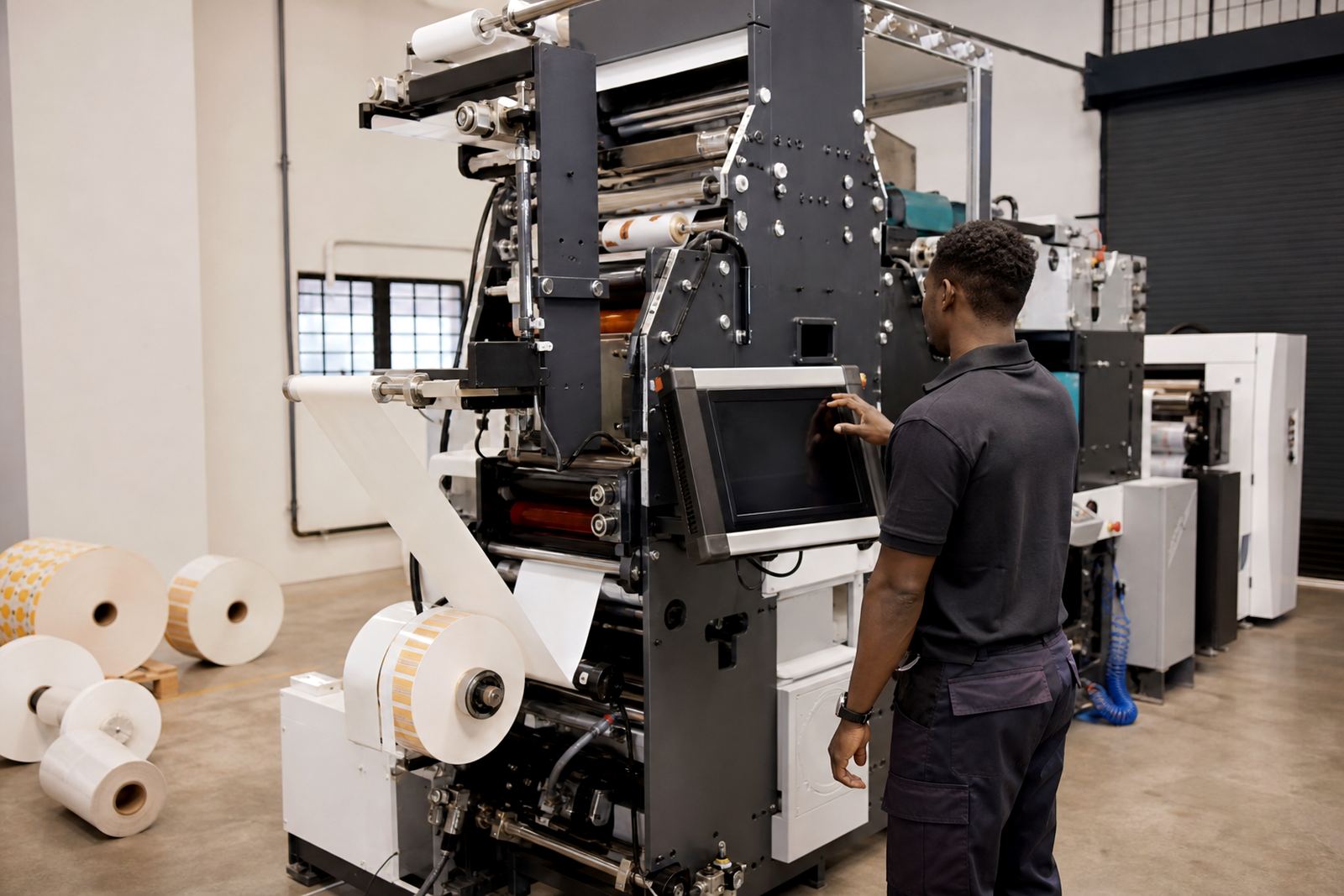
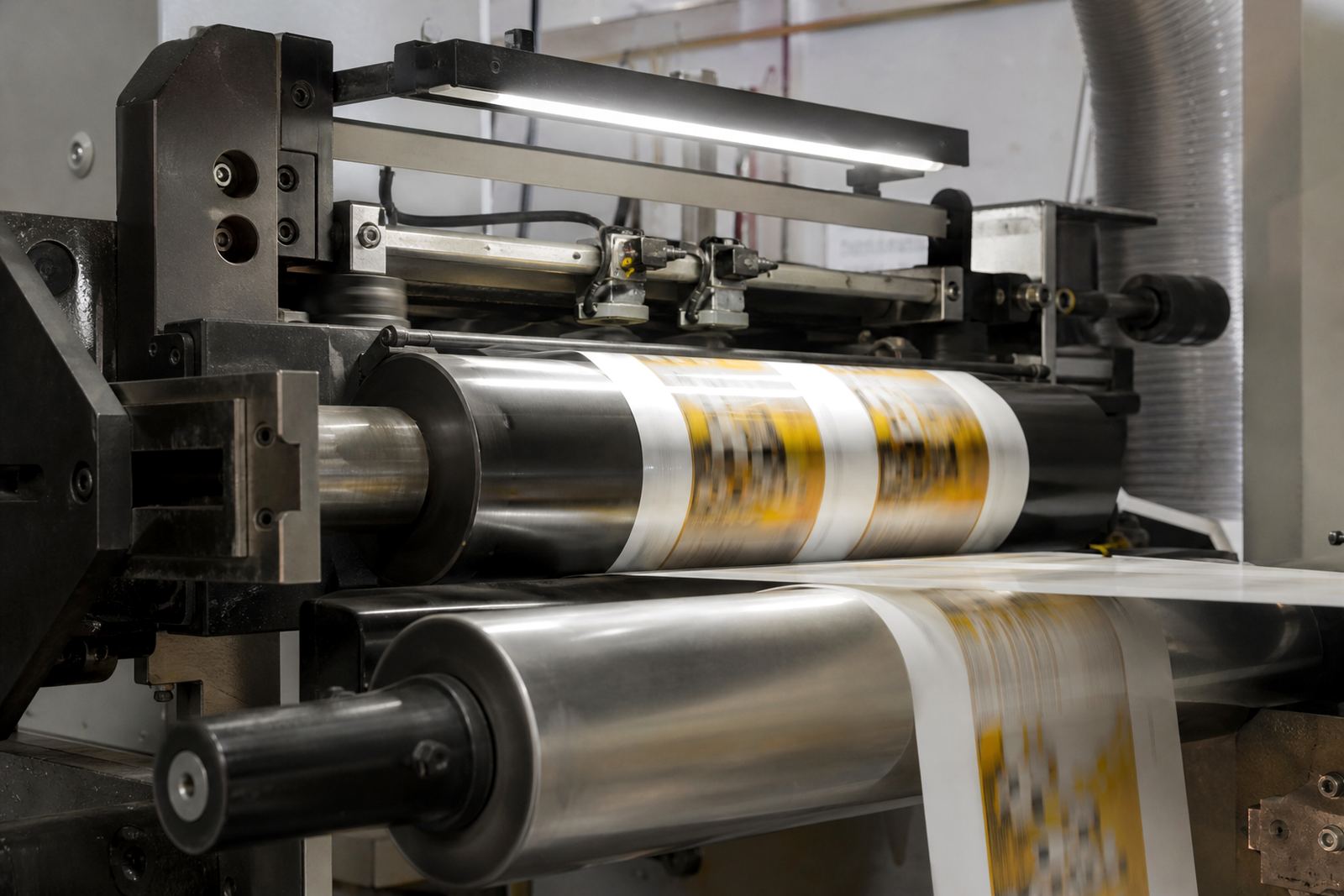
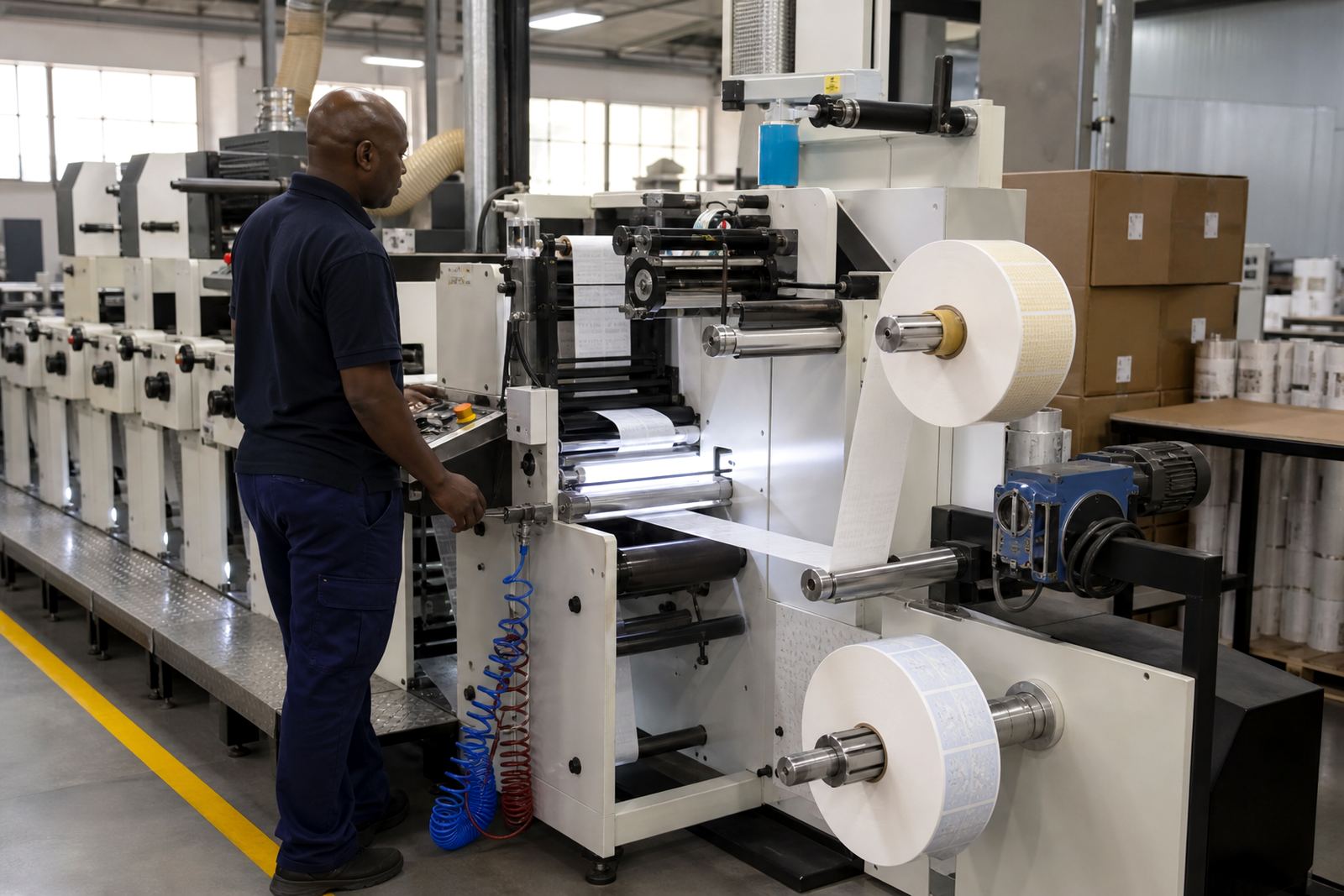
A rewind inspection unit is a finishing section used with narrow-web flexo label presses or as a separate converting step. It rewinds printed material while the operator checks web condition, print repeat, register, die cut position and roll quality. This helps you spot faults before the reels leave the factory and gives you cleaner, more consistent finished rolls.
In practical use, the unit is there to slow things down just enough for a proper visual check without holding up the whole job. For converters handling food labels, cosmetics, household products or retail stickers, that final inspection stage is often where waste is reduced and complaints are avoided.
Typical sizes, unwind and rewind options
We supply rewind inspection units in narrow-web formats to suit common label production widths and reel sizes. The exact layout depends on your press line, the cores you use and the type of material you run most often. Some sites need a compact floor unit for short runs, while others need a heavier-duty setup for longer production shifts and more frequent roll changes.
- Working web width matched to your label programme
- Single or dual rewind arrangement depending on workflow
- Manual or powered tension control for different substrates
- Core holders to suit the roll sizes you use in house
- Inspection table or viewing section with safe access for operators
If you are converting self-adhesive labels, shrink sleeves or lightweight packaging stocks, the finishing layout should match the material behaviour. Thin films need careful tension control. Paper labels may need different handling to keep edges neat and avoid telescoping.
Where this unit suits best in South African production
This product is a good fit for label converters in Johannesburg, Pretoria, Durban, Cape Town and Gqeberha, especially where orders change often and quality checks must happen quickly. It also suits smaller operations in Kempton Park, Centurion and the East Rand that need a practical finishing station without overcomplicating the line.
Because South African factories deal with load-shedding, variable humidity near the coast and mixed operator shifts, the rewind inspection section should be simple to run and easy to keep in line. A unit that is straightforward to set up can help when production restarts after a power cut or when a job is being changed over in a hurry.
- Short and medium label runs
- Jobs that need close visual inspection before packing
- Converters that handle repeat brand work with tight finish standards
- Operations that want better roll presentation for dispatch
Installation, power and site requirements
Installation starts with correct floor space, level positioning and clear access around the web path. The unit should be placed so operators can load reels, inspect the print and remove finished rolls without walking across other machines or blocking the line. In a busy Spartan or Kempton Park plant, that layout detail makes a real difference to daily output.
Power needs depend on the drive and control arrangement supplied, so we confirm the electrical supply before installation. If the unit includes powered rewind, lighting or tension controls, a suitable single-phase or three-phase supply may be needed. We also check earthing, cable routing and any local safety requirements. No gas supply is usually required for this type of equipment.
- Level floor with enough clearance for roll handling
- Stable electrical supply for powered functions
- Good lighting at the inspection point
- Safe access for changeovers and maintenance
Setup, operator training and daily use
Setup work covers alignment, tension setting, speed matching and the practical details that make the unit useful on shift. The operator must be able to thread the web quickly, check roll edges and reset the controls without guesswork. If the unit is linked to a press line, the handover between printing and rewinding needs to be smooth so that faults are not introduced during transfer.
Our training support focuses on everyday use. That includes threading, tension adjustment, inspection points, fault spotting and safe roll removal. We also show teams how to record common issues so the same error does not keep coming back on later runs.
For sites with new staff or mixed experience levels, it helps to keep the work instructions simple and visible. A clear routine reduces scrap and saves time during shift changes, especially when production is pushed by tight delivery dates.
Care, servicing and spare parts support
Like most finishing equipment, a rewind inspection unit performs best when it is kept clean and checked often. Dust, adhesive build-up and worn guide parts can affect roll quality and make the web track poorly. In coastal areas such as Durban and Gqeberha, moisture can also affect exposed components if the unit is left idle for long periods.
Preventive maintenance usually includes checking bearings, web guides, drive parts, safety stops and control settings. If the unit is used daily, operators should notice unusual noise, uneven tension or poor rewind formation early. That is often the first sign that servicing is due.
- Keep the inspection area free of label dust and adhesive residue
- Check web path parts for wear and alignment
- Inspect electrical connections after power interruptions
- Replace worn consumables before they affect output
We assist with breakdown support, remote support and spare parts support for label converters across South Africa. If a unit starts to drift, vibrate or give inconsistent rewind results, it is better to deal with it before it affects a full production day.
What to confirm before you place an order
Before ordering a rewind inspection unit, confirm the web width, the materials you run, the roll diameters you need and whether the unit must sit in line with a press or operate as a separate finishing station. You should also confirm the type of rewind control, the operator side, the available floor space and the power supply at the installation point.
It also helps to check your usual finishing demands. If your work includes frequent roll splitting, close print checking or production across different substrate types, those details affect the best configuration. The more clearly you define the job, the easier it is to match the unit to your day-to-day production needs.
- Working web width and roll diameter requirements
- Type of labels or packaging material
- Press line speed and finishing workflow
- Electrical supply and floor space available
- Need for inspection lighting, counters or additional web control
- Training, commissioning and after-sales support requirements
Key facts
| Product type | Rewind inspection unit for narrow-web label finishing |
|---|---|
| Use | Visual inspection while labels are rewound into saleable rolls |
| Compatible work | Narrow-web flexo labels and light packaging materials |
| Layout options | Inline or separate finishing station |
| Power | Electric supply required for powered functions, exact supply confirmed to site |
| Support | Installation, commissioning, training, maintenance and parts support |