
What the waste removal unit does on a label line
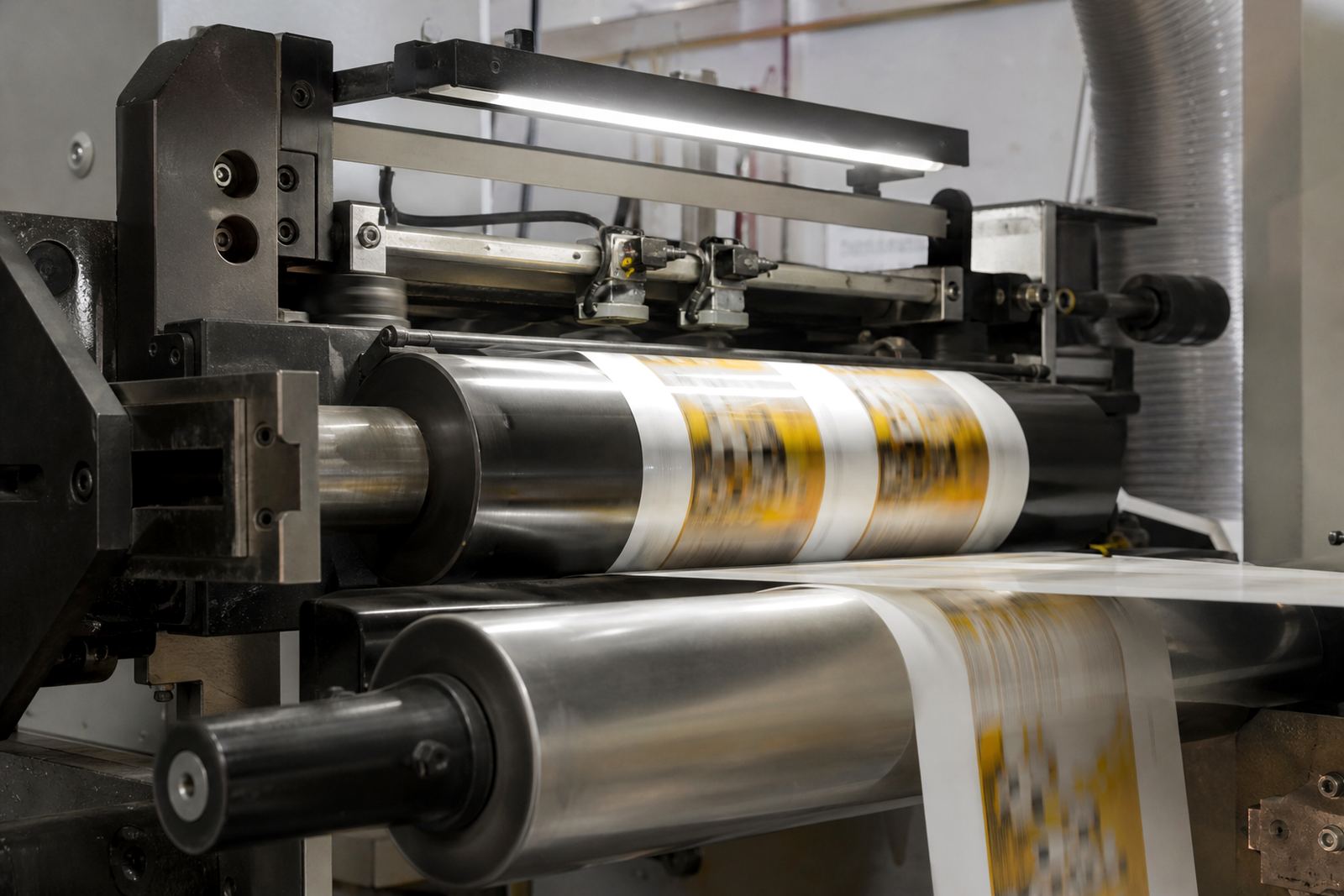
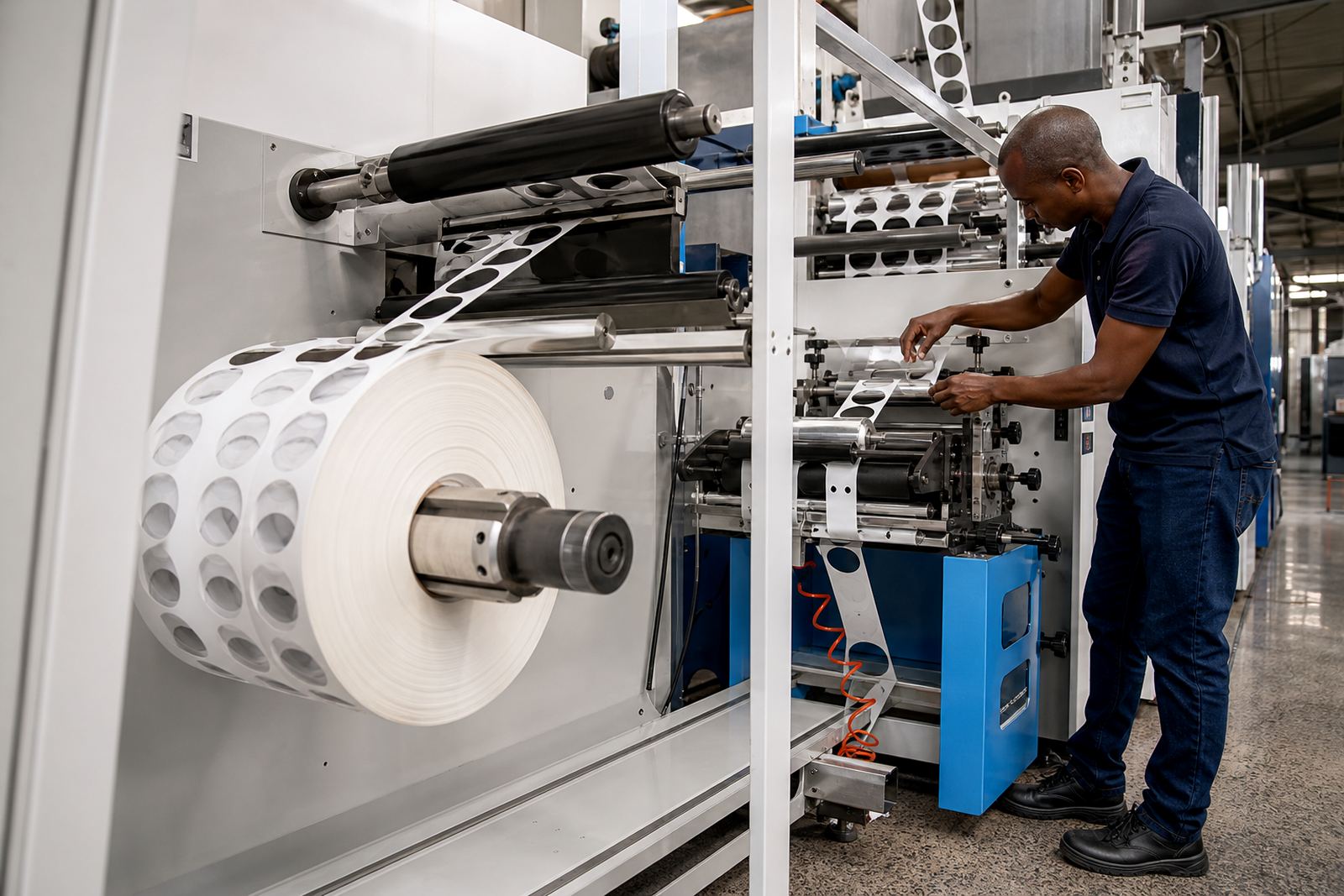
A waste removal unit sits in the web path after die cutting and helps separate the matrix from the finished labels before the material reaches rewind. On narrow-web flexo jobs, that means less pulling, fewer tears and better control when running pressure-sensitive labels, tags and similar packaging work. For converters handling short runs and regular changeovers, it makes web cleanup more predictable and easier to manage.
It suits lines that need controlled waste handling without constant operator intervention. In practice, it can help when running paper, film and other common label stock used in food, beverage, cosmetics and retail work. It is especially useful where the die cut is fine, the matrix is narrow, or the job changes often and setup time matters.
- Assists with matrix stripping after die cutting
- Supports cleaner rewind and neater waste handling
- Helps reduce operator strain during production
- Useful for narrow-web label and packaging work
Size options and layout choices for narrow-web presses
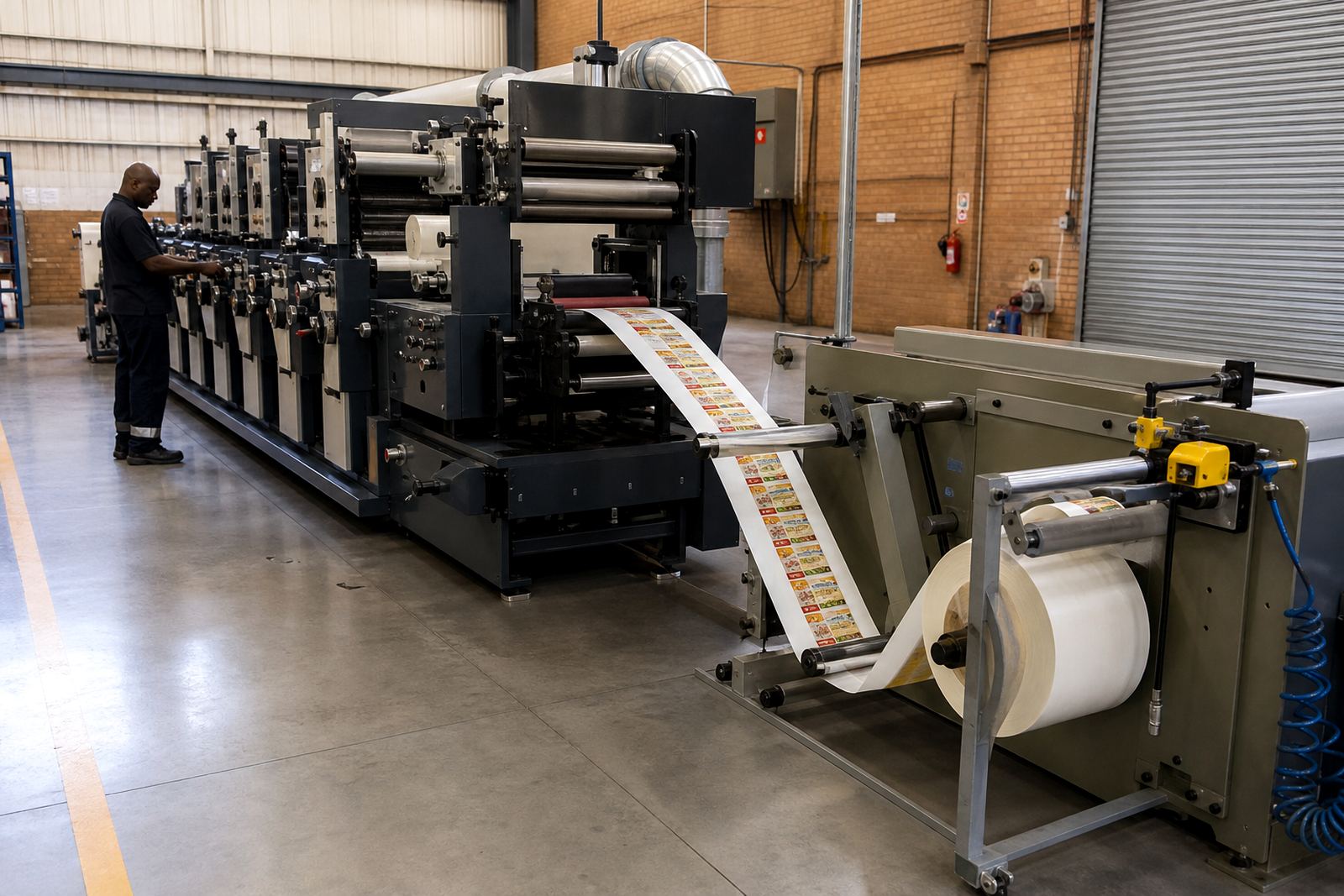
Waste removal units are usually selected to suit the press web width, line speed and the type of matrix being removed. The layout must match the unwind and rewind arrangement, the die station position and the amount of waste generated by the job. Some presses need a compact arrangement for tighter rooms, while others need more open access for threading and maintenance.
When matching the unit to a press, it is worth looking at how the web enters and exits the waste section, how the matrix is guided away, and whether there is enough room for the operator to work safely during setup. If the press handles frequent job changes, the unit should allow straightforward access for cleaning and threading, not a fight every time you change over.
- Match the unit to the press web width
- Check available space around the die section
- Confirm threading path and waste take-off direction
- Allow room for operator access during setup and cleaning
Options can also vary with the level of control needed on difficult stocks. Some jobs need simple waste removal, while others benefit from stronger guidance and finer adjustment to keep the matrix moving without breaking. The right choice depends on the press build, the material and the way your team runs the line day to day.
Where this unit suits production best
This product suits converters running narrow-web flexo presses for label and light packaging work where matrix stripping is part of the normal process. It is a good fit for plants doing repeat work for food and beverage, personal care, cosmetics, retail and general industrial labelling. If your operation handles both short runs and longer production, the unit can help keep waste removal consistent between jobs.
It also suits sites that want better control over labour during load-shedding recovery, shift changes and busy periods. If the web is unstable after die cutting, waste can build up quickly and cause stops. A well matched unit helps the press keep moving with fewer interruptions, which is important when orders are due and the finishing room is already under pressure.
- Narrow-web flexo label production
- Short-run and mixed-job converters
- Plants wanting cleaner matrix stripping
- Operations looking to reduce manual clearing
For coastal sites, especially where humidity affects paper and film handling, the unit should be set up with care so the matrix does not cling or drift more than expected. That small detail can save a lot of time over a full shift.
Installation, power and plant needs
Installation starts with checking the press layout, the machine centre line and the available support points for the unit. The fitting should be done so the web remains aligned and the waste path is clear before production starts. Depending on the press and the room layout, the unit may be fitted as part of a new line or added during an upgrade.
Power needs depend on the exact unit and the level of control used, so the supply must be checked before installation. Where the setup includes driven sections or controlled take-off, clean electrical supply and proper protection are important. If the plant has load-shedding, surge protection and planned restart steps should be considered so the waste section does not come back online in a way that damages the web or knocks the setup out of position.
- Confirm press width and mounting points before fitting
- Check electrical supply and protection needs
- Allow safe access for threading and maintenance
- Plan restart steps for load-shedding conditions
In some plants compressed air may be used for related setup functions, depending on how the line is arranged. If so, the air supply should be clean, dry and stable enough for consistent operation. Poor air quality can affect performance and create unnecessary wear over time.
Care, servicing and parts to watch
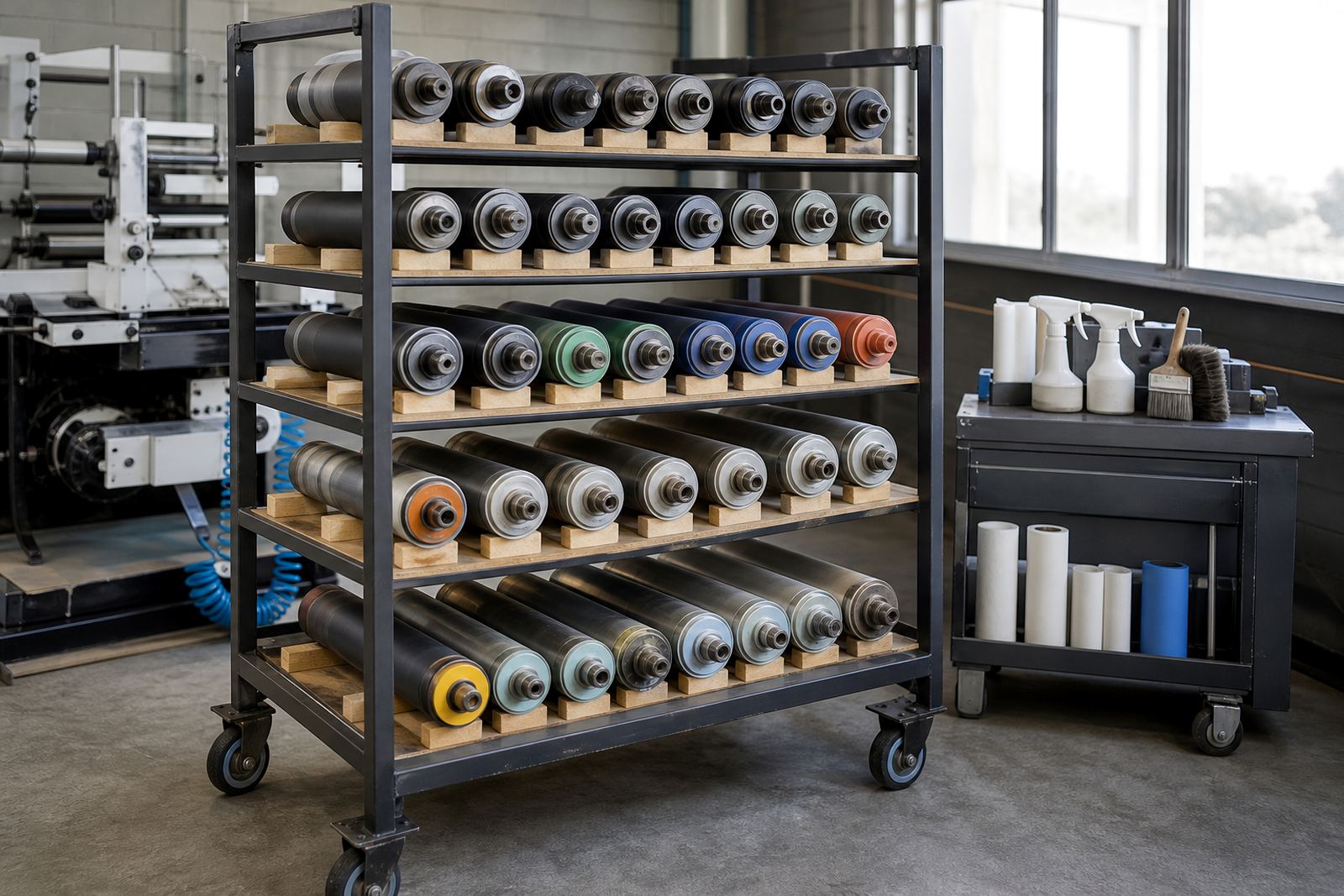
Like any production unit, waste removal equipment needs regular checking. Guides, rollers and contact points should be kept clean so matrix dust and adhesive do not build up. If the unit is not cared for, stripping quality can drop and the press team ends up spending more time sorting out waste than running jobs.
Routine servicing should include inspection of bearings, settings, alignment, drive components where fitted, and any wear points linked to the waste path. It is also sensible to check fasteners after heavy use, especially on lines that run every day. A small shift in alignment can cause a lot of trouble later on, and it usually happens when the team is busiest.
- Clean adhesive build-up from guides and rollers
- Check alignment after changeovers
- Inspect wear points during preventive maintenance
- Keep a record of settings for repeat jobs
We also recommend looking at the condition of any related finishing setup, because poor stripping is not always caused by the waste unit alone. Die cut quality, plate mounting, web tension and rewind settings all play a part. Good servicing is about the full line, not just one section.
What to confirm before ordering
Before ordering a waste removal unit, confirm the web width, press model layout, die station position and the type of material you run most often. It helps to know whether the line handles paper, film or mixed stock, and whether matrix waste is light or heavy. You should also confirm how much room is available around the press, including access for operators and technicians.
It is also useful to check whether you need basic waste take-off or a more controlled arrangement for tighter stripping work. If your team wants training, startup help or after-installation support, that should be planned from the start so the unit is used properly from day one. A good setup is one thing, but a well trained operator keeps it working properly.
- Web width and press layout
- Material type and matrix load
- Available floor space around the press
- Power supply and any air requirements
- Training, support and servicing needs
For converters in Kempton Park and across South Africa, the right unit should suit the actual work on the floor, not just the drawing on paper. That is where proper checking before purchase saves time, money and repeat adjustments later.
Key facts
| Product type | Web-cleanup module for matrix stripping after die cutting |
|---|---|
| Suitable press format | Narrow-web flexo label presses |
| Typical use | Label and light packaging production |
| Material compatibility | Paper, film and mixed label stock, subject to job setup |
| Installation | Mounted to suit press layout and waste path |
| Support requirements | Electrical supply, alignment check, routine cleaning and servicing |