What a Multi Substrate Press is Designed to Handle
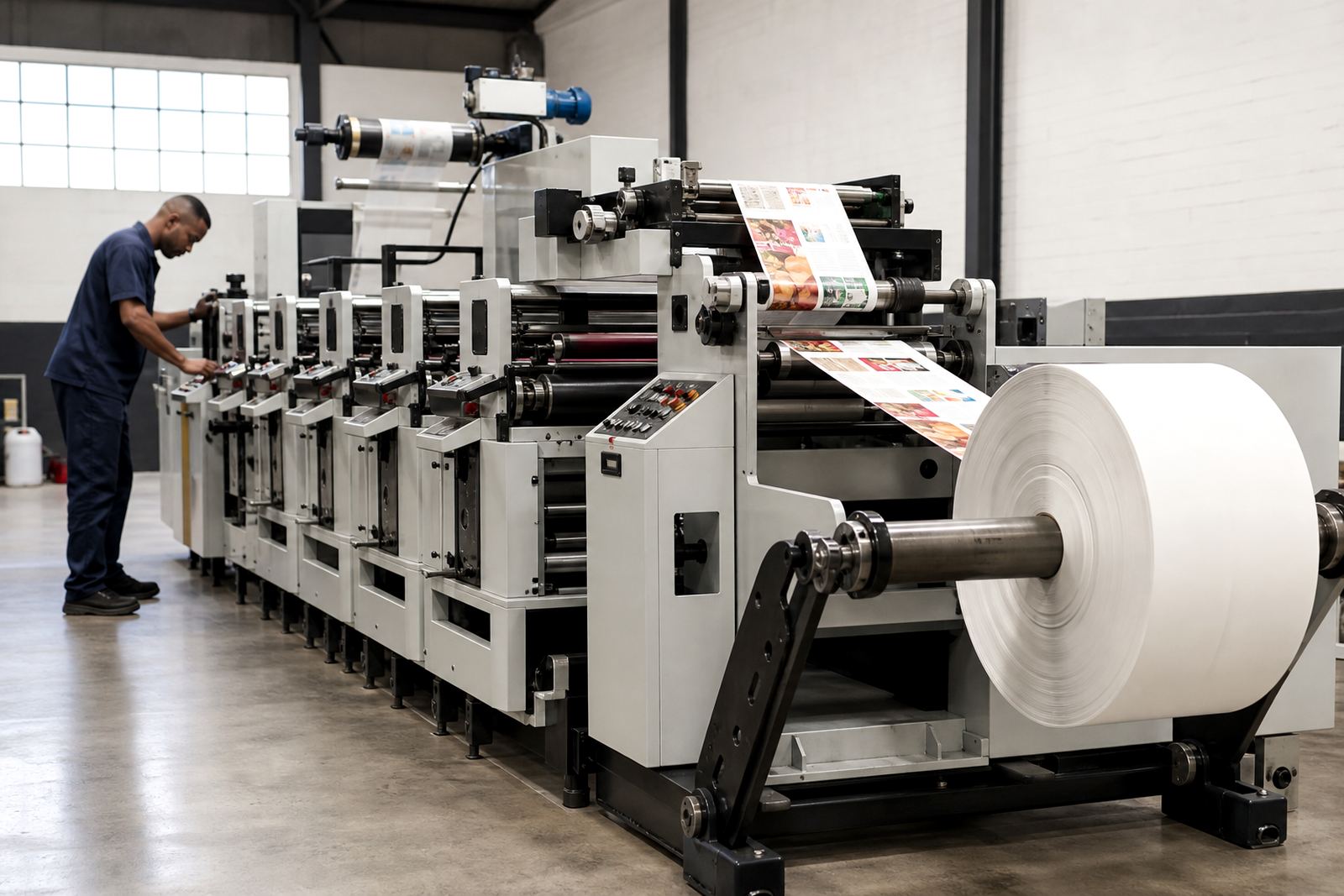
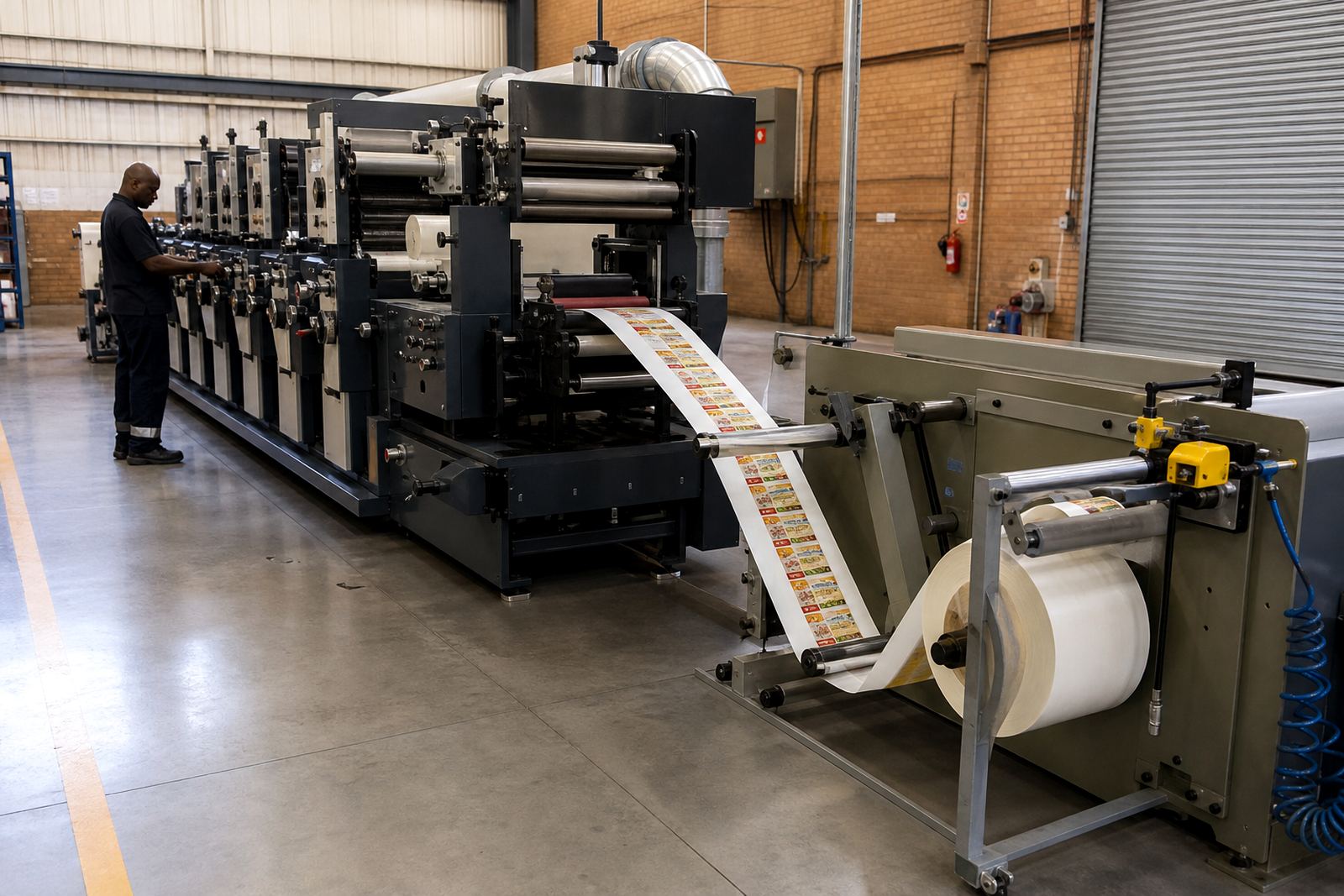
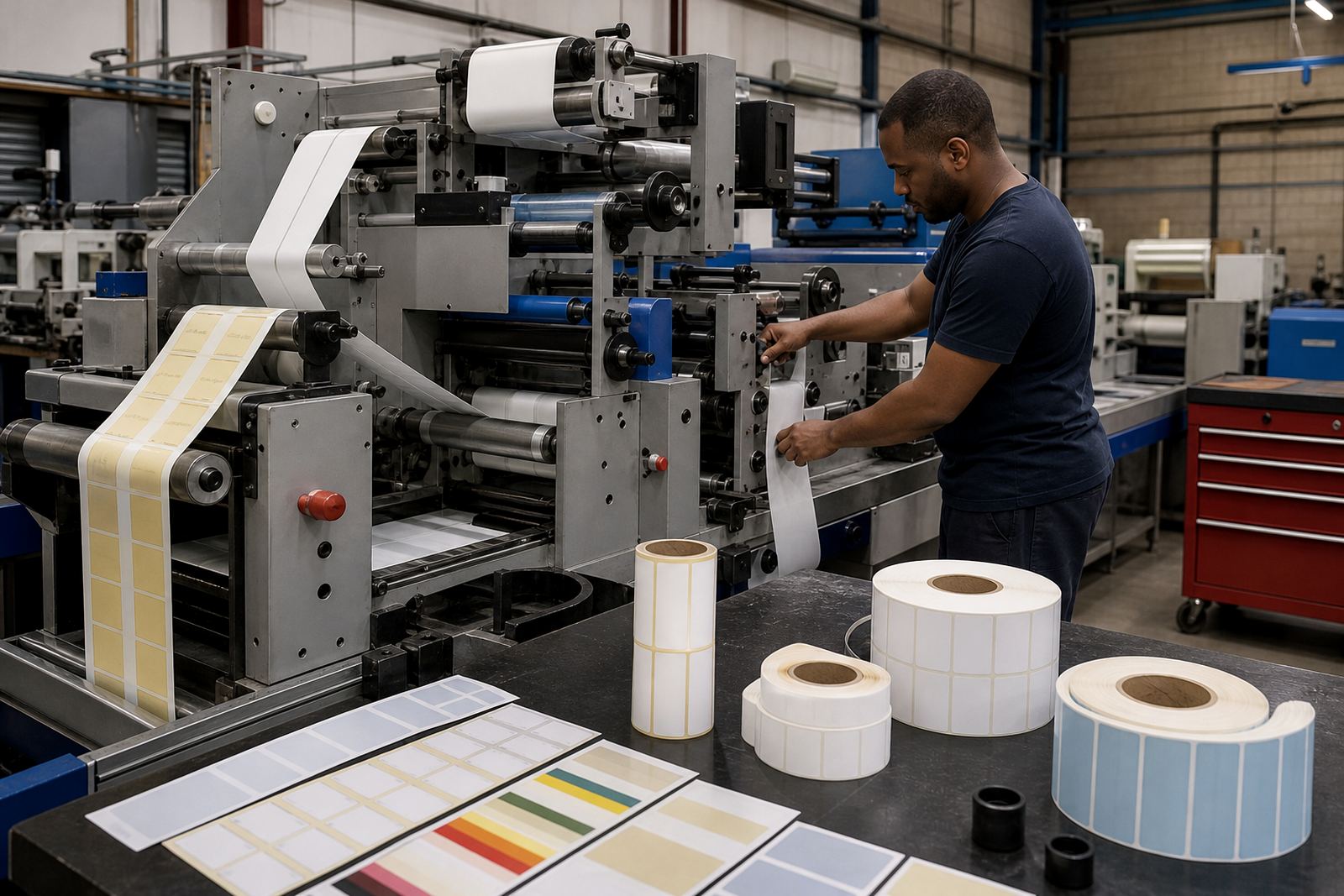
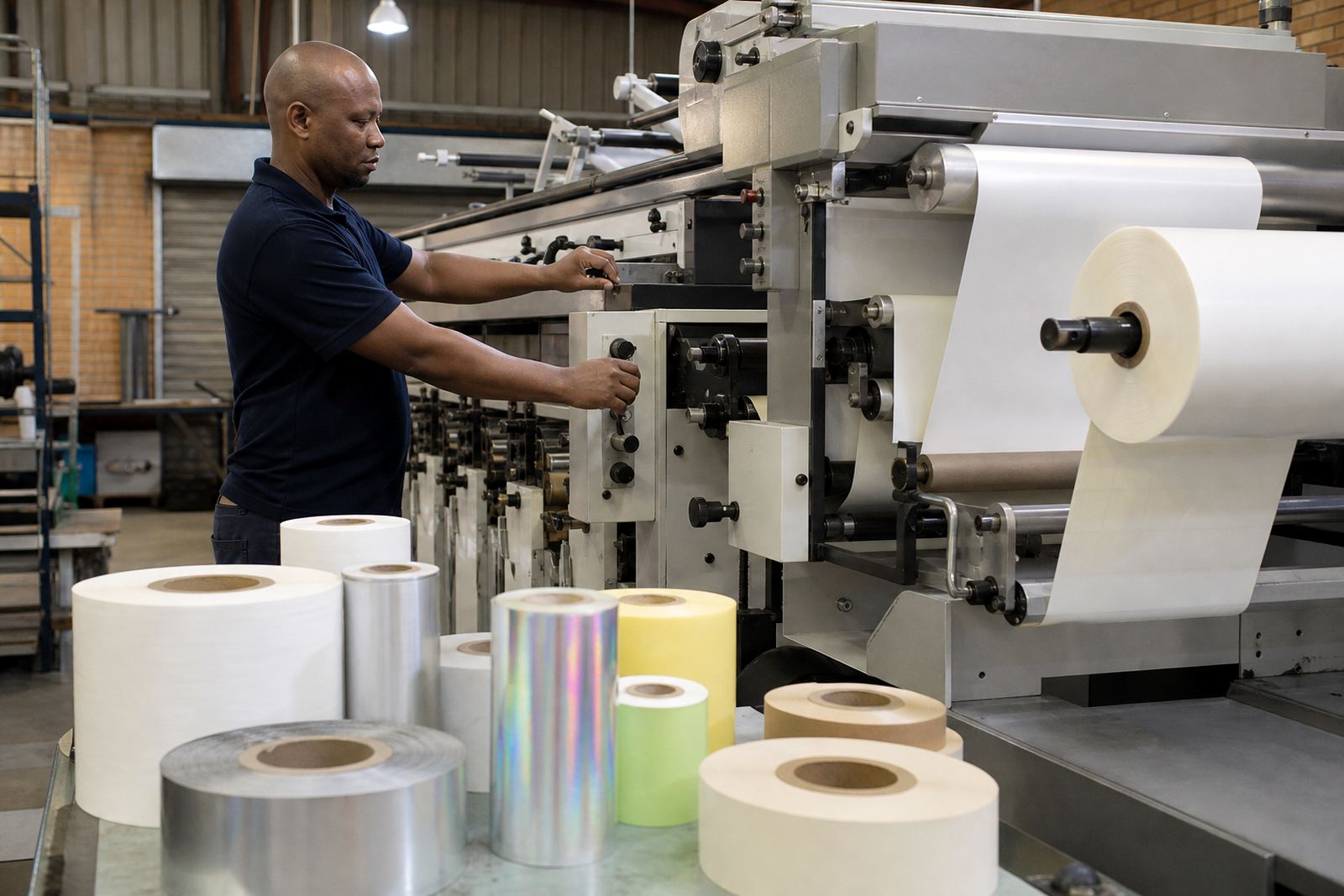
This press format is arranged for label converters that need to move between different common substrates without constant changeover trouble. In practice that means paper labels, films, self-adhesive stocks and other narrow-web materials used for pressure-sensitive labels and light packaging work. The aim is consistent print, neat tension control and a setup that can cope with changing jobs in a normal production week.
For converters in Kempton Park, Johannesburg, Pretoria, Durban, Cape Town and Gqeberha, this type of press is often considered when the work mix includes small retail runs, seasonal product labels and repeat orders that must look the same every time. It is also a practical option where operators need a press that can be trained quickly and kept in production with routine care.
Typical Press Sizes and Configuration Options
Multi substrate press configurations are normally selected around the web width, repeat length and finishing needs of the converter. Narrow-web setups are commonly specified for label work where space, waste and running cost all matter. The right choice depends on the label sizes you print most often, the materials you buy and the amount of inline finishing you need.
- Web widths commonly arranged for narrow-web label production
- Modular print stations for one-colour to multi-colour work
- Inline finishing choices such as die cutting, slitting and rewinding
- Registration and tension control for mixed stock running
- Options for UV curing or other drying methods as required by the substrate
When a converter asks for a new setup or a replacement line, we normally work through the product mix first. That helps avoid oversizing the press or buying tooling that does not suit the labels actually going out the door.
Where This Press Suits Best
This product suits label shops that need flexibility more than a single-purpose machine. It is a good fit for printers serving food and beverage packs, personal care items, household goods, retail labels and short promotional runs. It can also be used where customers expect a tidy finish and clear colour on different label faces, from plain paper to coated or synthetic stocks.
In South African conditions, the press must cope with heat, dust, coastal humidity and load-shedding interruptions. That is why many converters in Durban and Gqeberha ask for a setup that is stable under variable site conditions, while inland sites in Gauteng often want a layout that is efficient, easy to service and simple for operators to understand.
- Food and beverage labels with frequent artwork changes
- Cosmetics and personal care labels needing clean finishing
- Retail barcode and promotional labels
- Short run work where setup time matters
- Mixed substrate jobs that need careful tension management
Installation, Utilities and Site Readiness
Press installation starts with checking floor space, access for delivery and the path to the production area. For a narrow-web press, the base must be level and the room should allow enough working clearance around the machine for threading, inspection and routine cleaning. In Spartan and the wider East Rand, many sites also need a review of power stability before commissioning begins.
Power needs depend on the final configuration, but most setups will need a suitable electrical supply, correct earthing and protection against voltage swings. If the line includes drying or curing equipment, extra electrical load must be planned properly. Some sites also need compressed air for certain functions, so we check air quality, pressure and pipe routing before startup. Where gas-fired drying is used, local safety rules, ventilation and storage requirements must be followed carefully.
- Level floor and clear access for delivery and positioning
- Stable electrical supply with proper protection and earthing
- Compressed air where required for tooling or auxiliaries
- Ventilation and compliance checks for any gas-related equipment
- Space for consumables, waste handling and operator movement
Care, Servicing and Production Support
Good results depend on regular attention to the press, not only on the day it is installed. Routine care should cover roller condition, anilox cleaning, plate mounting checks, web path alignment and the condition of bearings, belts and sensors. On multi substrate jobs, this is especially important because different materials behave differently under tension and during drying.
We support converters with preventive maintenance, breakdown support, remote support where it is suitable, and practical help with startup production. Operator training is part of the process too, because a press can be technically sound but still lose time if the team is unsure about setup order or finishing changes. We also assist with plate mounting help, anilox care and finishing setup when the job mix changes.
- Clean and inspect the web path before every new substrate
- Keep anilox and plate areas free of dried ink and debris
- Check tension settings when moving between stock types
- Record repeat settings for common jobs
- Plan maintenance around production peaks and shutdown periods
What to Check Before You Order
Before ordering a multi substrate press, it helps to have a clear picture of the labels you run most often and the finishing you need. The more detail you can give about stock type, label size and turnaround pressure, the better the press can be matched to the job. If your work changes often, make sure the setup allows for practical changeover and not only maximum speed on paper.
Useful points to check include the widest label you need, the smallest repeat you expect, the number of colours required, whether inline finishing is essential, and whether your site can handle the installation requirements. It is also worth checking spare parts support, operator training needs and how quickly you want production to start after delivery. That planning saves time later, especially when deadlines are tight and a batch must move from proof to shelf without delays.
- Common label sizes and web width needed
- Substrates you use most often
- Finishing steps needed inline or offline
- Available power, air and floor space
- Training, servicing and spare parts support expectations
Support Across South Africa
Flexography Printer supports label converters from our base in Spartan, Kempton Park, with service coverage into Johannesburg, Pretoria, Durban, Cape Town and Gqeberha. We also assist customers in Centurion and across the East Rand where production needs can change quickly and downtime is costly. Whether the job is a new installation, a line restart or troubleshooting during a busy period, the focus stays on getting the press working properly and keeping it that way.
Clients reach us through the enquiry form on our contact page, and we use that to start the discussion on the right machine, the right setup and the right support plan. For converters working with narrow-web labels, the main goal is simple: a press that runs the materials you use, with finishing that holds up in real production.
Key facts
| Product type | Multi substrate narrow-web flexo label press |
|---|---|
| Application | Labels and light packaging on common narrow-web materials |
| Web range | Configured to suit the selected narrow-web format |
| Print stations | Modular arrangement depending on job mix |
| Finishing | Inline die cutting, slitting and rewinding options |
| Support | Installation, commissioning, training, servicing and spare parts support |