What a Delam Relam Unit Does on Press
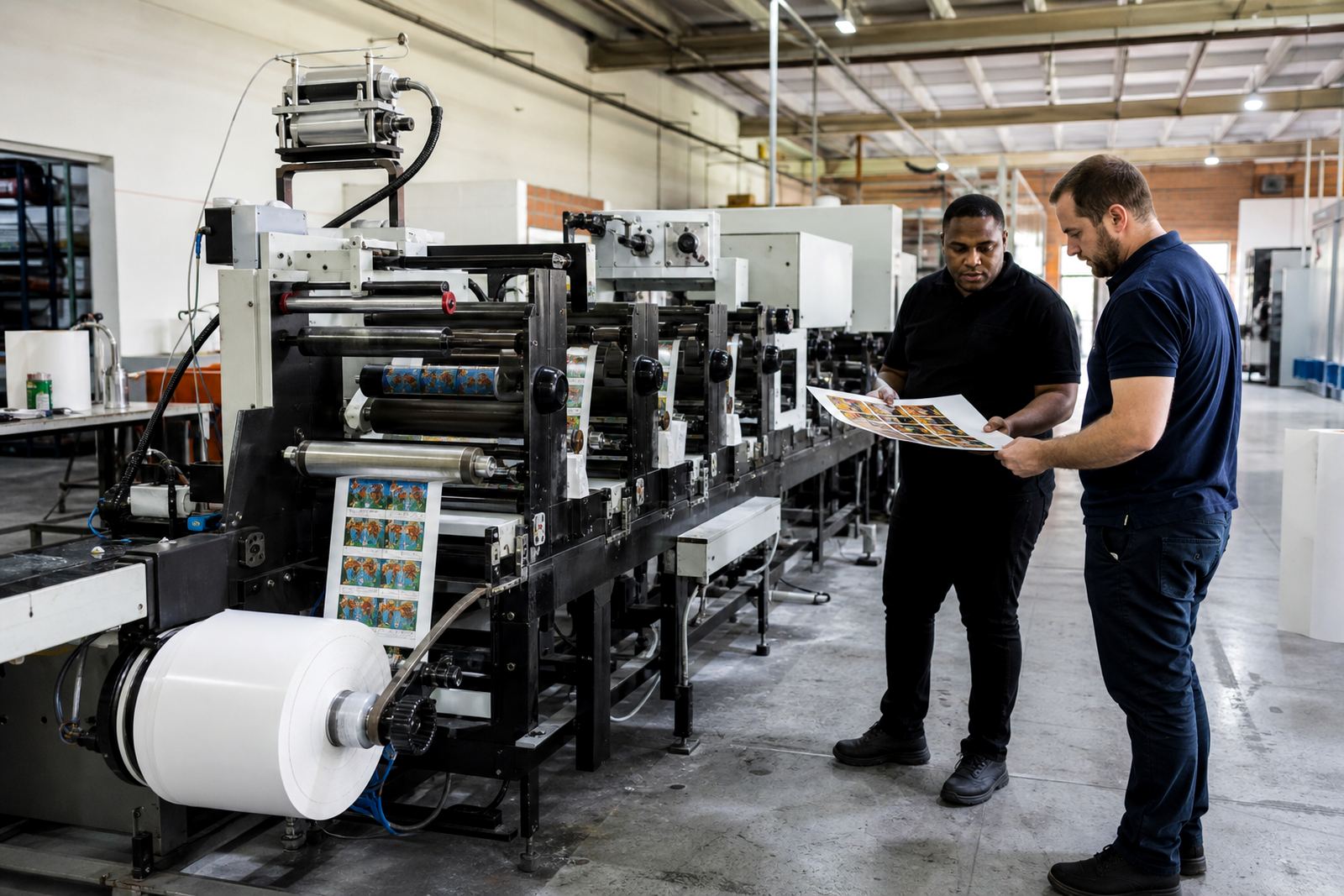
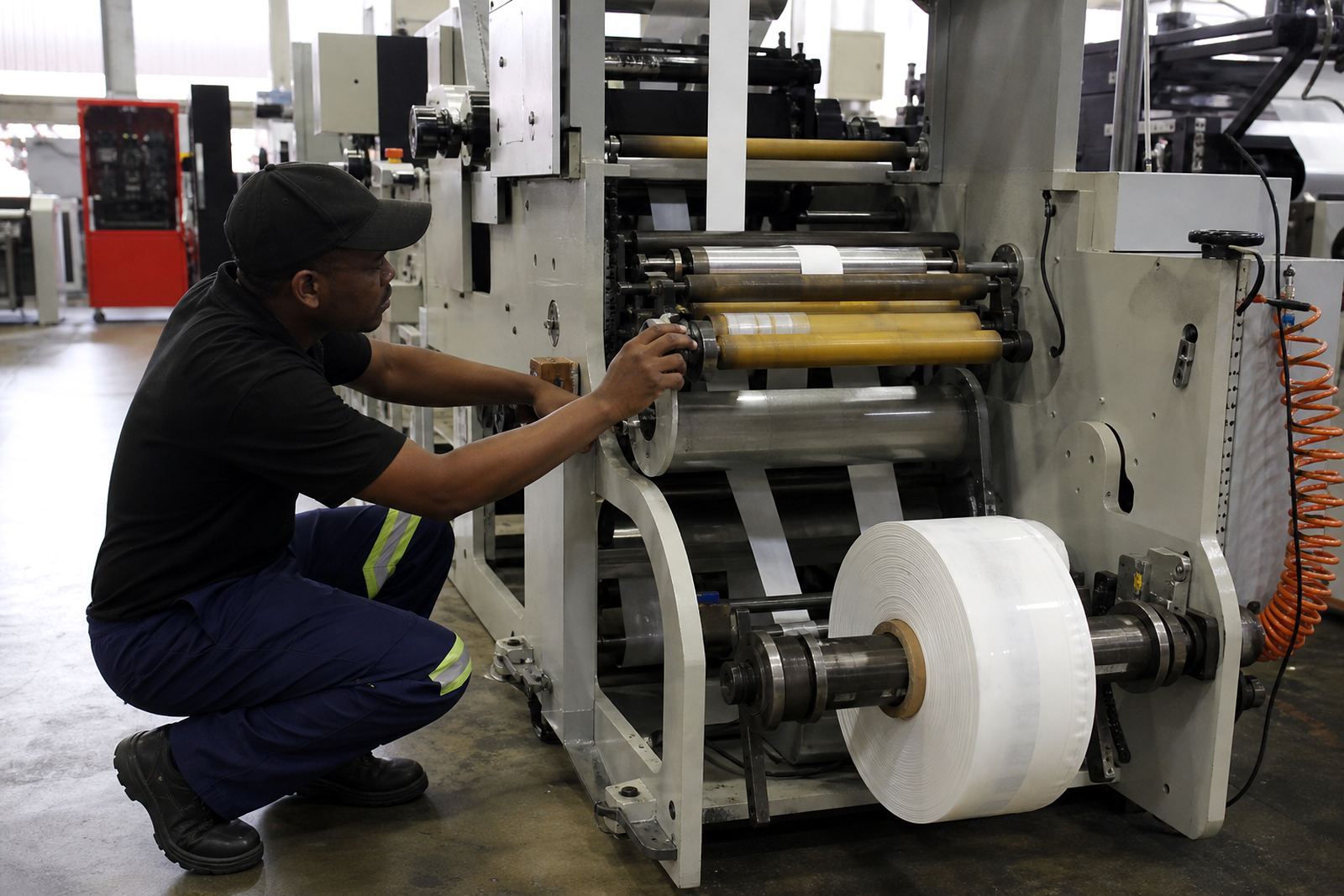
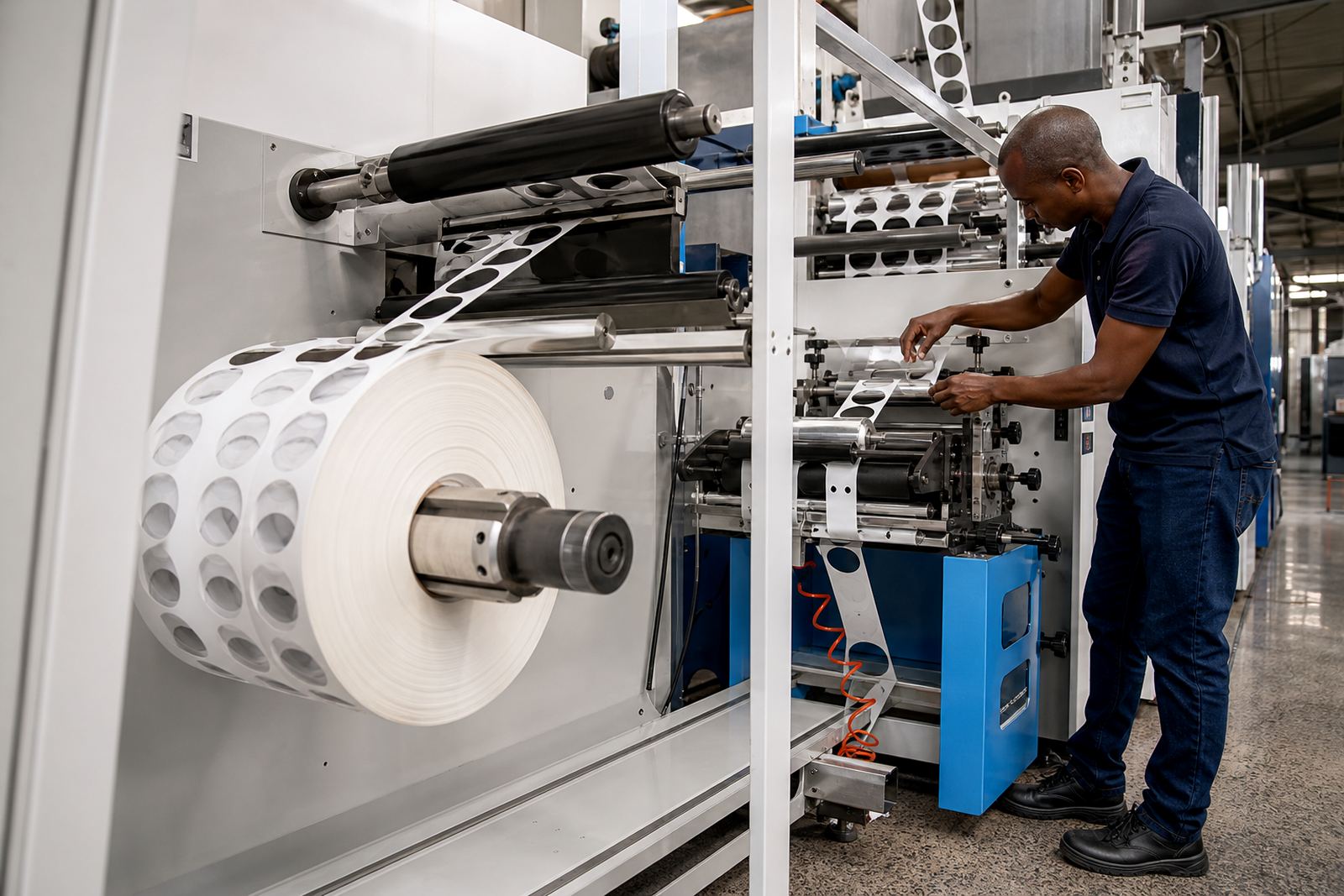
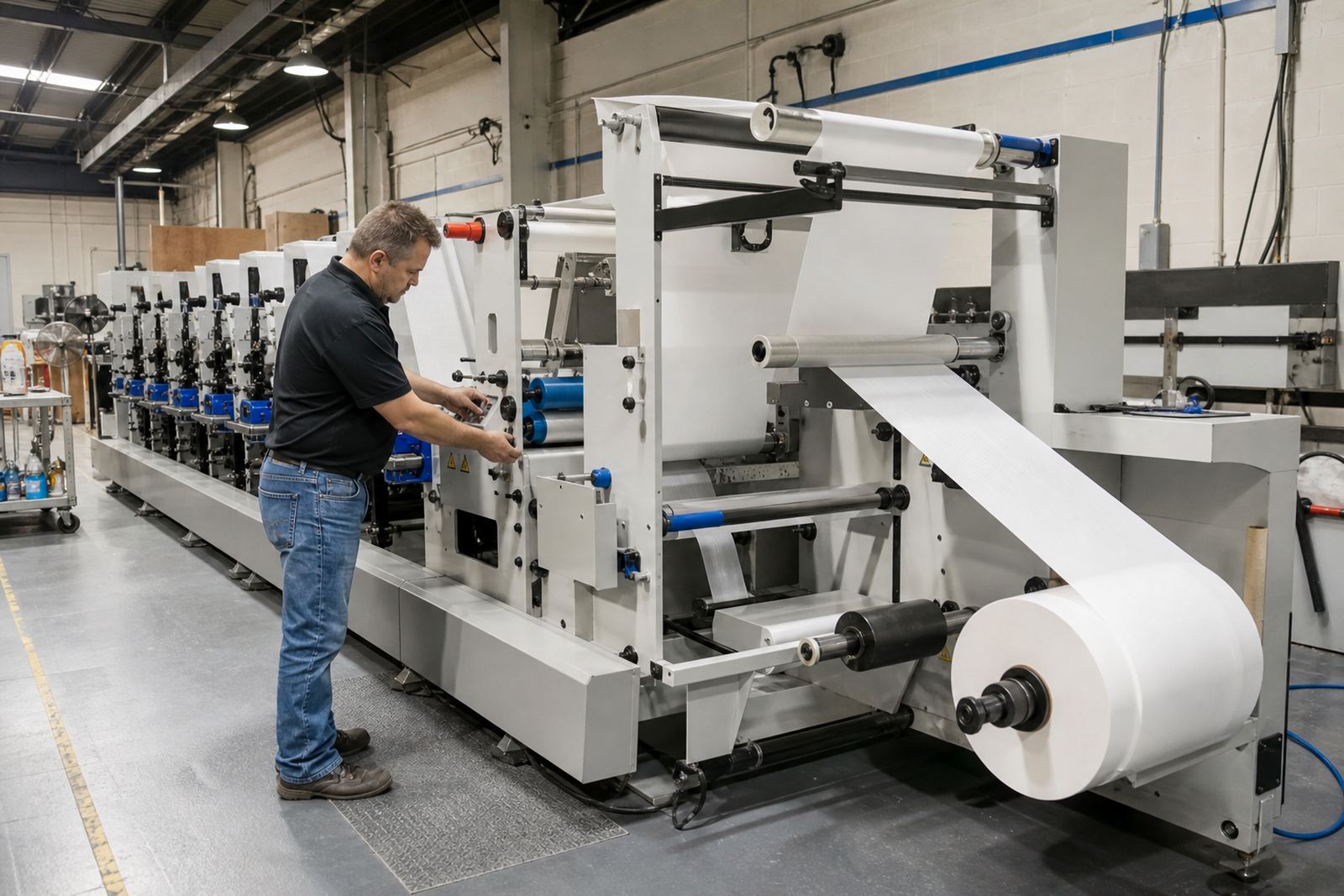
A delam relam unit is fitted into a narrow-web flexo line to separate a portion of the web, allow an action such as printing, coating or variable data work to take place, then bring the web back together in the correct position. It is commonly used for peel-and-reseal labels, layered information labels, and constructions where one part of the label must open, lift, or reclose after application.
In practical terms, the unit has to hold registration, manage web tension, and keep the top and bottom layers aligned through setup and running. That matters on South African production floors where material waste, power interruptions and humidity can all affect repeat work if the unit is not set up properly.
Common Sizes, Layouts and Build Options
Delam relam units are generally supplied to match the web width, repeat length and line layout of the press it will sit on. The right configuration depends on whether the converter is running shorter label runs, longer production batches, or product families that need frequent changeovers.
- Web widths matched to the press and the label format in use
- Left-hand or right-hand placement to suit the line layout
- Manual or assisted adjustment points for setup and repeat control
- Compatibility with layered label stock and pressure sensitive materials
- Options for integration with print stations, die cutting and rewind sections
Where a customer is working from Kempton Park, Johannesburg or Pretoria and handles mixed orders, the better choice is often the unit that can be changed over quickly without making the press crew fight for time on every new job. A neat layout also helps on coastal jobs in Durban, Cape Town and Gqeberha, where sticky stock and ambient humidity can make handling more sensitive.
Where Delam Relam Work Pays Off
This module suits converters producing labels that need a second layer, a hidden panel, instructions under a liftable face, or a seal that can be opened and closed again. It is a good fit for food and beverage, personal care, chemical, promotional and retail labels where the pack needs more information than a standard single-layer label can carry.
It is also useful where customers want a tidy finished look and better pack function. For example, a layered construction can carry compliance copy, multilingual instructions or extra product detail without crowding the visible face of the label.
- Peel-and-reseal labels for packs that are opened more than once
- Layered information labels for instructions, promotions or compliance copy
- Short-run and medium-run label work where changeovers matter
- Converters supplying retail and industrial packs with tighter presentation needs
For many South African label shops, this sort of unit is most worthwhile where the work mix changes often and the customer expects a clean finish every time.
Installation, Power and Air Requirements
Installation should be planned as part of the full press line, not treated as a loose add-on. The unit must be mounted square to the web path, checked for accurate registration and linked into the existing finishing sequence so the operator can work without unnecessary stops.
Power and air needs depend on the final configuration, but the usual expectation is a standard industrial supply suitable for the line layout, with clean and stable electrical input and compressed air where the setup uses pneumatic controls or assisted tension functions. On sites that deal with load-shedding, the customer should also plan for safe restart procedures, stable back-up power and sensible shutdown steps so the web path and register settings are not lost mid-job.
- Allow enough floor space for access, guards and maintenance panels
- Keep the unit level and aligned to the press frame
- Provide clean compressed air if the chosen setup needs it
- Plan for safe restart after power cuts or unplanned stops
Care, Servicing and Daily Checks
Like any web-handling module, the delam relam unit works best when the operator keeps it clean and checks it regularly. Adhesive build-up, worn rollers, loose guides or poor alignment can cause registration drift, wrinkling or trouble with layer pick-up. Preventive maintenance is usually better than trying to correct faults after a run has already gone bad.
We recommend routine checks on web path condition, bearings, guide settings, tension points and any moving parts that are used during the layback and rejoin sequence. On busy sites in Gauteng and the coast, a planned maintenance routine also helps reduce downtime when humidity or dust starts affecting the line.
- Clean adhesive residue and dust from rollers and guides
- Check alignment before changeover and after long runs
- Inspect wear on moving parts and replace them before failure
- Keep a record of repeat faults so setup can be corrected quickly
What to Confirm Before You Order
Before ordering a delam relam unit, it helps to confirm the label type, web width, repeat length, press model, and the exact purpose of the construction. A clear job brief avoids paying for a unit that is too small, too complex or not suited to the press line already in use.
The support team will normally look at the production floor setup, the finishing flow and the operator skill level as well. If the unit is meant for layered labels, it is also worth checking the required peel performance, adhesive behaviour and the final pack shape, because those details affect the way the unit is configured and trained.
- Label construction: peel-and-reseal, layered copy or another format
- Web width and repeat length
- Press and finishing line layout
- Power, air and floor space available
- Training needs for operators and supervisors
- Service access, spare parts planning and downtime expectations
For converters in Johannesburg, Pretoria, Durban, Cape Town, Gqeberha and the East Rand, a proper pre-order check saves time later and helps the line come up faster with less waste. It also makes after-sales support more practical, since the setup record is clear from the start.
Key facts
| Product type | Delam relam converting module for narrow-web flexo label presses |
|---|---|
| Primary use | Peel-and-reseal and layered label constructions |
| Web compatibility | Matched to press web width and repeat length |
| Configuration | Left-hand or right-hand layout, subject to line design |
| Utilities | Industrial power supply and compressed air where required |
| Support scope | Installation, commissioning, operator training, maintenance and breakdown support |