Why Plate Mounting Discipline Shows Up in the Print
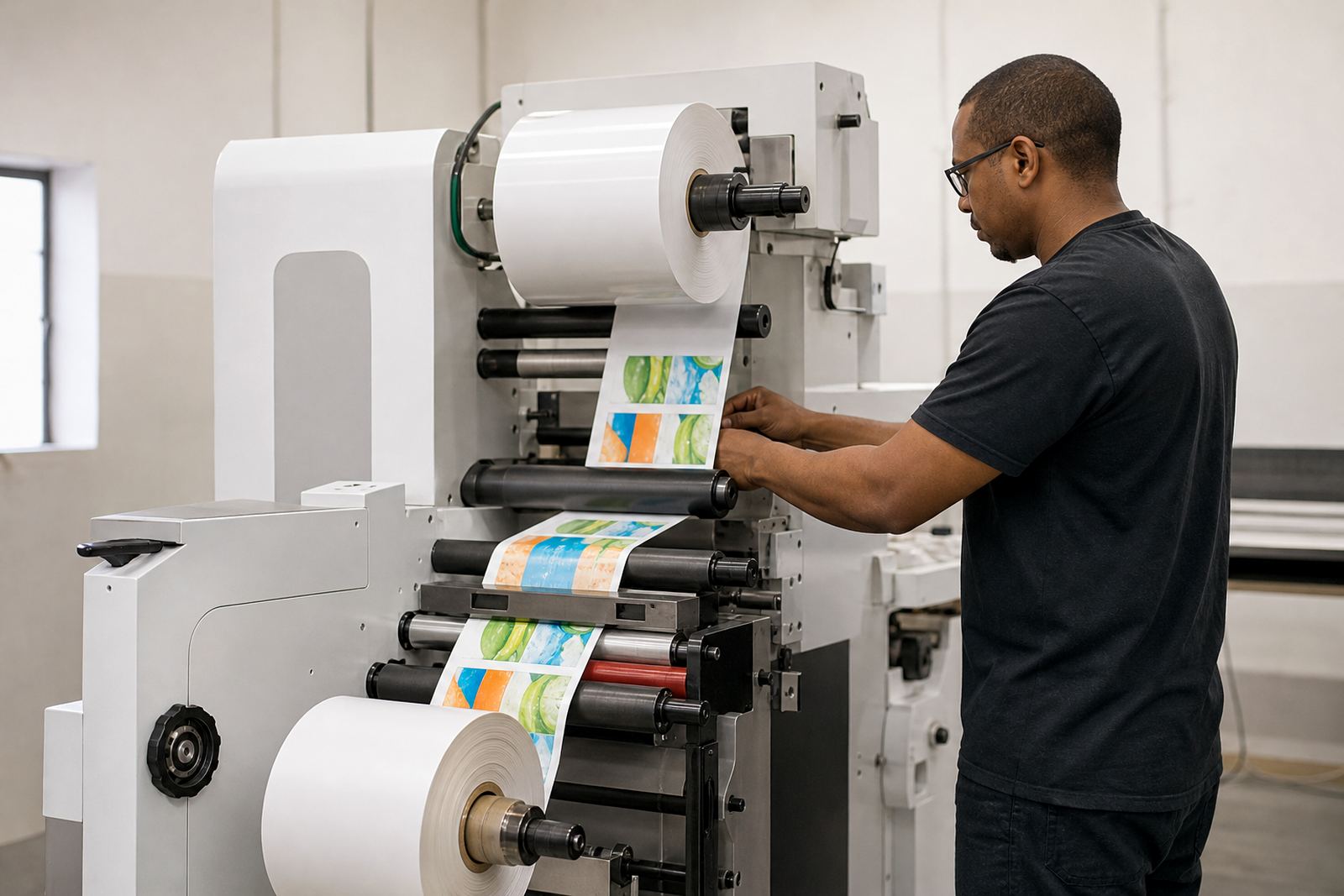
In narrow-web flexo, plate mounting is not a small task at the edge of production. It affects how the image sits on the substrate, how repeat jobs behave and how much time the team spends correcting avoidable faults. A plate that is mounted squarely and consistently gives the press a better starting point, especially on labels where small shifts are easy to see.
For converters in Kempton Park and across Gauteng, the pressure is often on speed as much as quality. Jobs may move from short-run pharmaceutical labels to food and beverage work with different film types, adhesives and finishing requirements. If plate preparation is rushed, the press operator ends up chasing register, compensating for edge lift or dealing with patchy solids. That means wasted substrate, wasted ink and lost time during handover.
Sound mounting discipline also helps when production is interrupted by load-shedding. If the press stops and restarts later, a repeatable plate setup makes it easier to resume with less drift. It is one of those unglamorous habits that saves money quietly, and it matters more than many shops admit.
Start with Clean Plates, Correct Plates and a Clear Job Ticket
Before any plate goes onto the sleeve or cylinder, the team should confirm that the right plate is being used for the right station. Simple mix-ups happen when jobs are busy and similar artwork sits side by side on the bench. A job ticket should show the plate sequence, repeat length, substrate type and any special note for fine text, reverses or varnish.
Plate cleanliness is just as important. Dust, adhesive residue and fingerprints can all interfere with mounting and print quality. In coastal areas like Durban and Gqeberha, humidity can make handling more difficult, so plates should be stored flat and handled with care. In Johannesburg and Pretoria, dry conditions can create static which attracts dust, so a clean work surface matters there too.
- Check plate identity against the job ticket before mounting begins
- Inspect the image side for nicks, dirt or damage at the edges
- Keep mounting tapes, sleeves and tools clean and ready
- Allow enough time for plate handling do not rush the bench work
The Mounting Bench Sets the Tone for the Pressroom
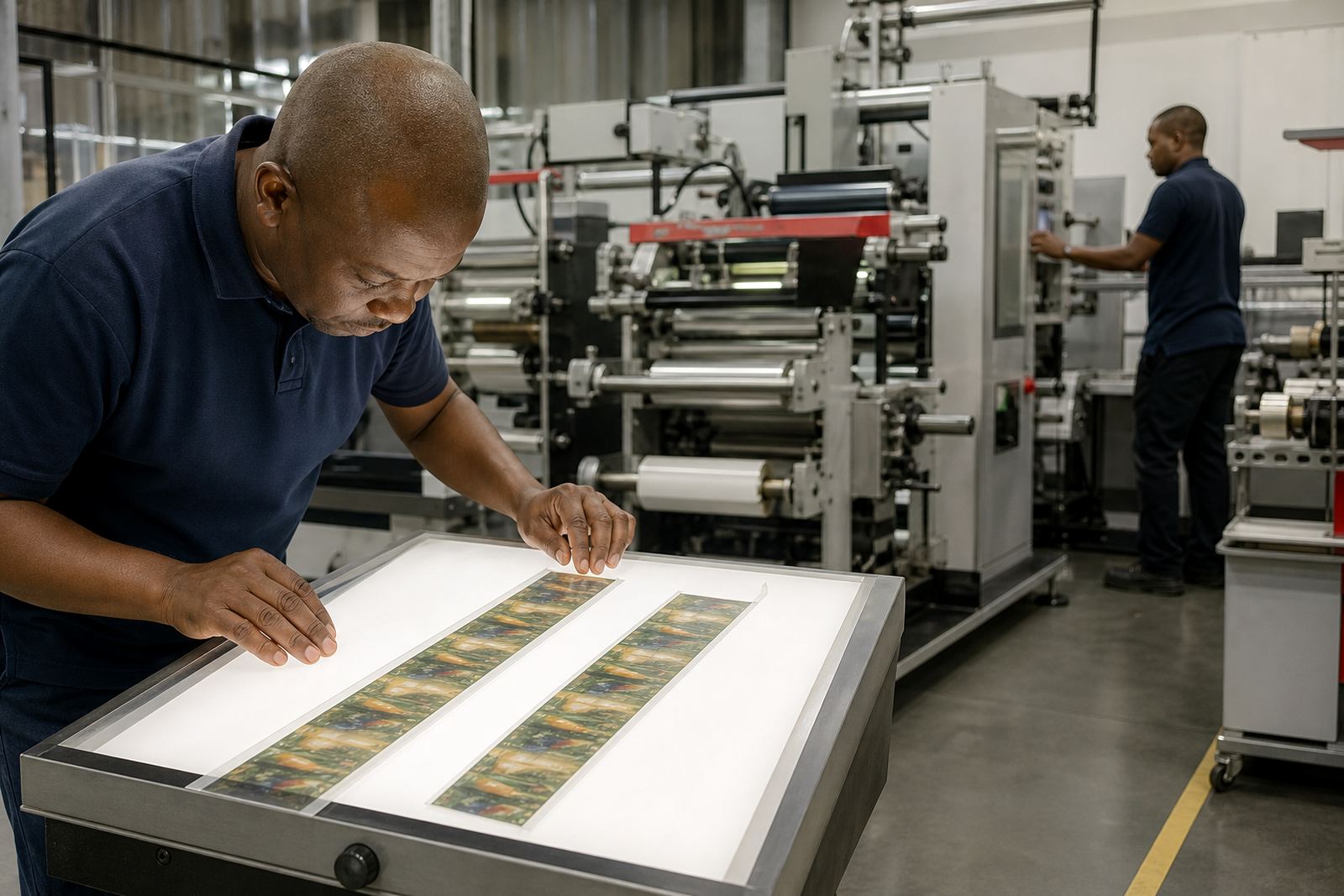
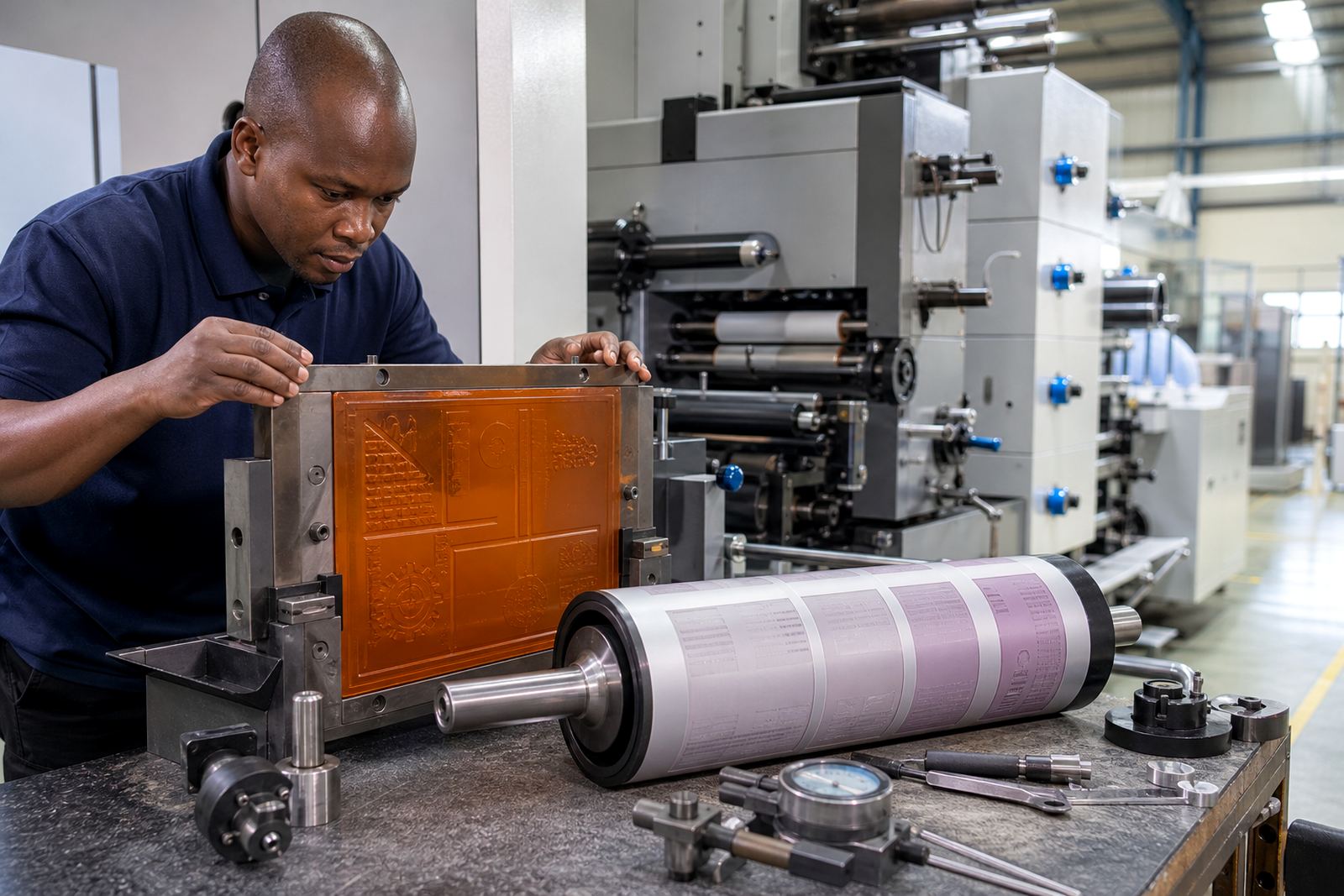
The bench is where accuracy either begins or disappears. A stable mounting station with good lighting, level support and the right measuring tools makes a visible difference. Operators should be able to align plates comfortably without stretching, leaning or guessing. If the bench is awkward, mounting errors creep in before the press even starts.
It helps to work in a fixed sequence. Clean the surface, confirm the repeat, position the plate, check side-to-side alignment and then secure it with steady pressure. The pressure must be even across the full plate, not heavier on one end. Uneven pressure can create small distortions that show up later as poor registration or fuzzy edges. A shop in Spartan or East Rand that runs multiple narrow-web jobs each day benefits from a routine that everybody follows the same way.
Training is part of the bench discipline too. New operators should be shown how to read marks, use gauges and verify position before the plate is locked down. Once bad habits settle in, they tend to stay. Preventing them early is easier than correcting them after the press is already live.
Small Errors in Mounting Become Big Problems on Press
Plate mounting faults often look minor at first. A plate might be a fraction off centre, slightly skewed or not fully bonded at one edge. On a short label run, that can show up as colour shifts, blurred edges or poor repeat consistency. On a longer production run, the same issue can create a trail of complaints from the finishing table right through to dispatch.
Common problems include:
- Wrong plate position causing register drift from colour to colour
- Poor adhesion at the edge leading to lifting during the run
- Uneven pressure creating distortion in solids and text
- Dust or debris trapped under the plate causing marks or pinholes
- Improper sleeve handling that affects repeat accuracy
These faults are easier to prevent than fix. Once the press is set and substrates are moving, every correction takes time. In a busy production schedule, that time is expensive. A few extra minutes at the mounting stage can save hours later, especially where turnaround commitments are tight.
Anilox, Plates and Ink Have to Work as One
Plate mounting does not sit on its own. It has to work with the anilox, the ink system and the selected substrate. If the plate is mounted correctly but the anilox volume or ink transfer is wrong, the result still suffers. Likewise, if the plate is sound but the substrate stretches or curls during printing, the press team will be forced to compensate.
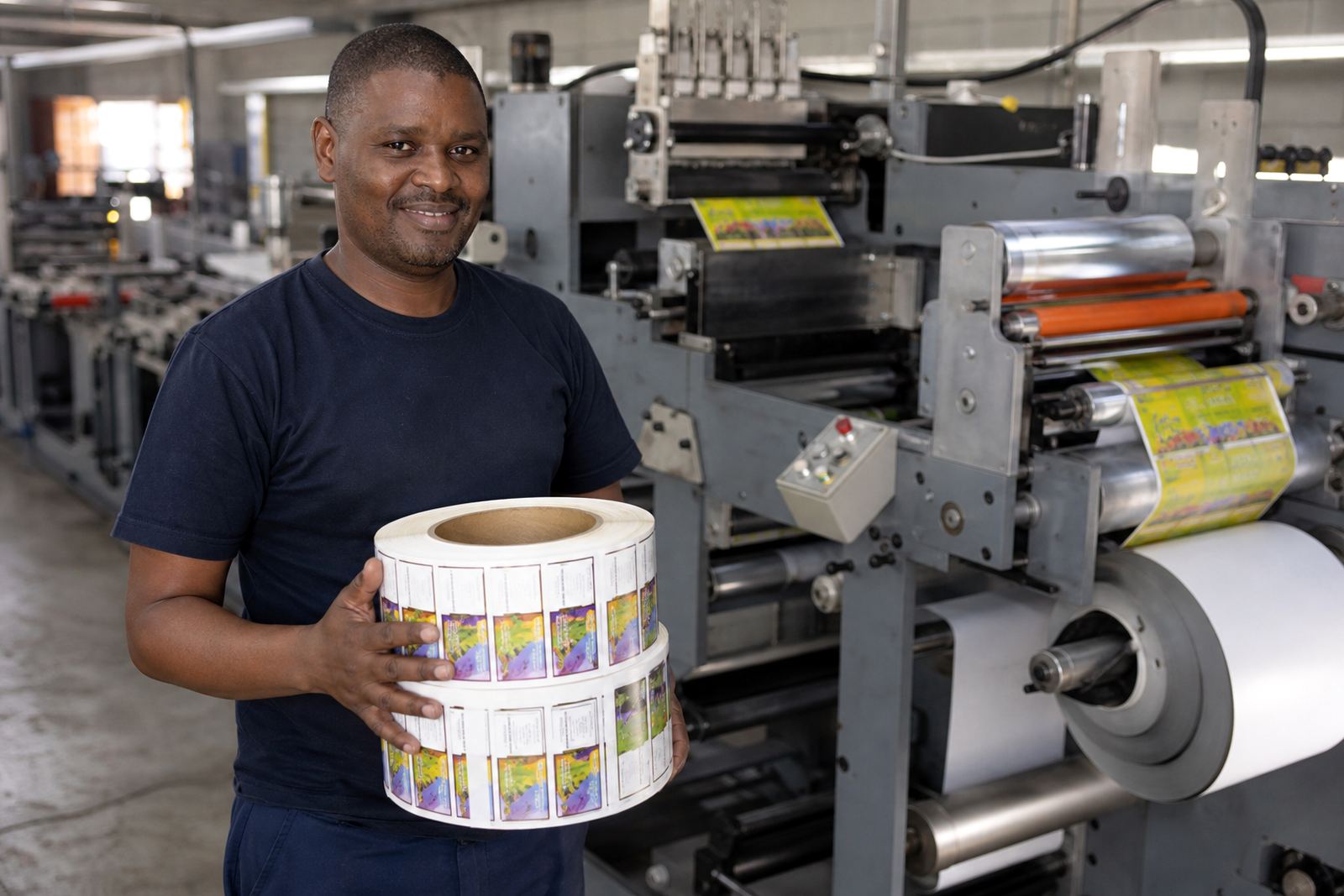
This is why experienced converters treat mounting as part of the full print setup, not a separate task. The same job may behave differently on paper, film or laminated stock. Finishing requirements also matter. Labels that will be die-cut, varnished, slitted or rewound need print that stays consistent through the rest of production. A plate that is mounted with care supports that consistency from the first impression to the final roll.
For converters supplying food, beverage, cosmetics and retail labels, the standard needs to stay steady across all these steps. Good mounting habits help the team keep that standard, even when the week brings different materials and short deadlines.
Training Operators to Mount Plates the Same Way Every Time
Operator training should make plate mounting practical, repeatable and easy to check. The aim is not just to explain the process but to standardise it across shifts. If one operator mounts by eye and another uses marked references, the pressroom will struggle with consistency. A clear method reduces variation and gives supervisors a better way to spot faults early.
Useful training points include:
- How to read the job ticket and confirm plate order
- How to clean and prepare the mounting surface
- How to place, align and secure the plate without twist
- How to check the mounted plate before the press starts
- How to store unused plates to prevent damage
At Flexography Printer in Spartan, Kempton Park, we have seen that well-trained teams settle into a more predictable production rhythm. That matters whether the work is done in-house or supported remotely. When people understand the principle behind each step, they are less likely to treat mounting as a quick job to get through.
A Local Example from a Busy Gauteng Converter
Imagine a label converter in the East Rand taking on a mixed run of retail labels and smaller food packs. The day starts with power interruptions, the press team is under pressure, and the finishing line is booked after lunch. If the plates are mounted carefully, the press can still make a clean start when power returns. If they are mounted badly, the team may lose the first hour just trying to get register back and sorting out the early sheets.
That kind of day is common enough. The difference between a difficult shift and a manageable one often comes down to discipline at setup. Plate mounting may not be the most visible part of the process, but it is one of the few steps that affects everything after it. Clean preparation, proper alignment and consistent handling give the press a fair chance to perform well.
For converters in Johannesburg, Pretoria, Durban, Cape Town and Gqeberha, the same principle applies no matter the size of the operation. If the plates are right, the press has a better foundation. If the foundation is weak, every other adjustment becomes harder than it should be.