Why flexo still makes sense for everyday label work
Flexo is often the sensible choice when a converter needs steady output, consistent registration and labels that can move from one order to the next without a long setup headache. It suits pressure sensitive labels, wraparound work and many packaging jobs where the print must hold up in handling, transport and retail display.
In practice, flexo is valued because it is hands on and predictable. Once the press is set correctly and the team understands the stock, inks and finishing path, it can keep a plant moving through repeat runs, seasonal labels and urgent reorders. That matters in South Africa where production schedules are often tight and a missed delivery can affect the whole supply chain.
- Useful for repeat label orders
- Works across a broad range of substrates
- Fits converters that need reliable daily throughput
Where flexo fits better than other print routes
Not every label job needs the same approach. Flexo is a strong option where the business wants a balance of print quality, speed and practical finishing. It is especially useful when a label needs solid solids, clean linework and good ink laydown on materials that are not always easy to manage.
For food, beverage, cosmetics and retail labels, flexo can handle the kind of everyday production that keeps shelves stocked and cartons moving. If a converter is printing many versions of the same core label with changes in language, flavour or pack size, flexo can be a comfortable fit because the process is built around repeatability and control.
It is also worth noting that some jobs need special finishing after print, such as varnishing, die cutting or other converting steps. When the press and finishing setup are planned together, the line can run with fewer stoppages and less waste.
Setup is where good flexo jobs are won
Most label problems are not caused by the press alone. They come from poor setup, rushed mounting, weak material checks or ink and anilox choices that were never matched properly to the job. That is why installation, commissioning and operator training matter so much. A press can only perform properly when the team knows how to set it up and keep it there.
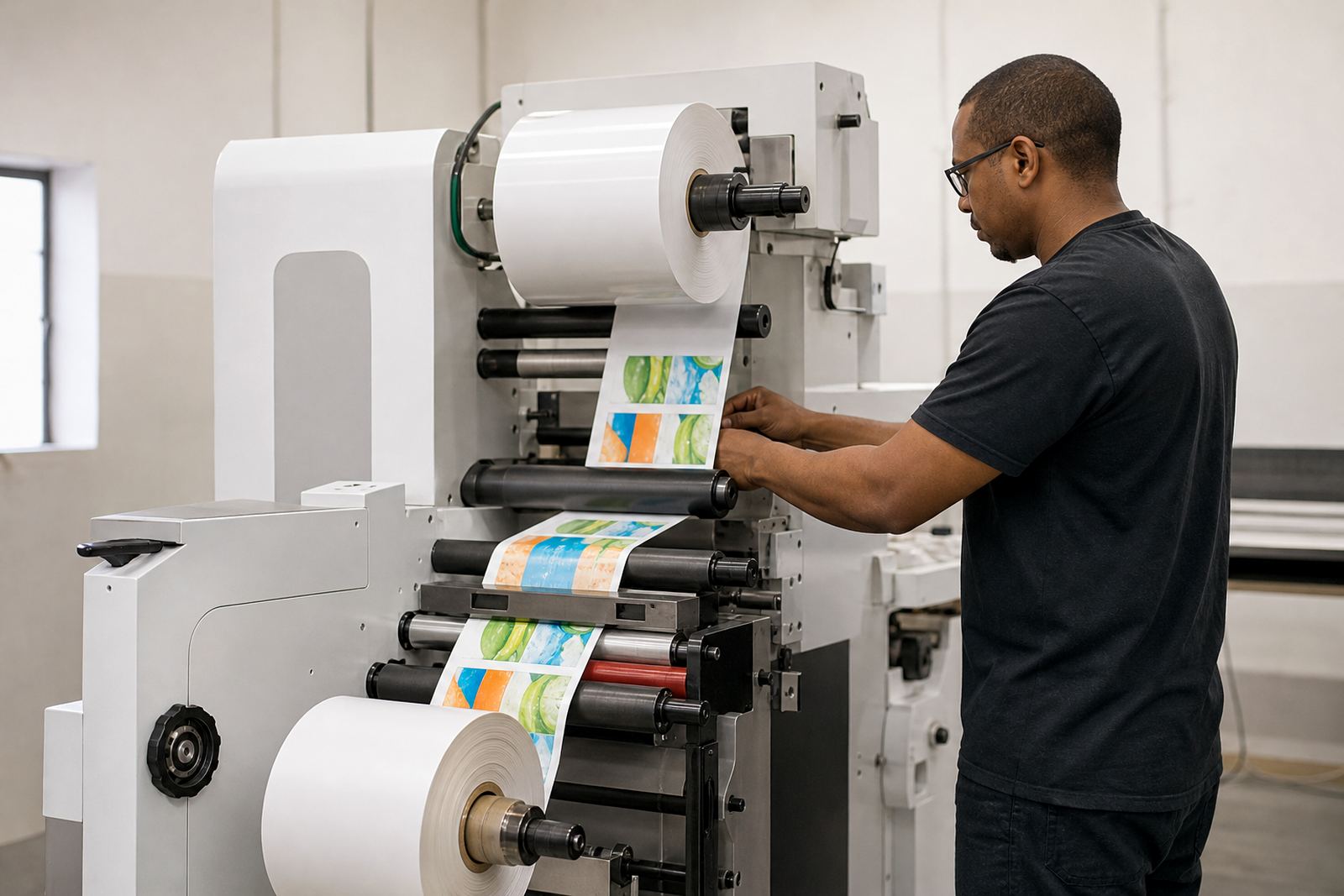
At plant level, good setup means checking the web path, making sure the plates are mounted properly and confirming that finishing equipment is aligned to the press output. It also means building habits around simple but important checks, including stock condition, tension, curing or drying requirements and the order in which the job is brought up to speed. A little time spent here usually saves a lot of trouble later.
- Press installation and commissioning
- Operator training for day to day running
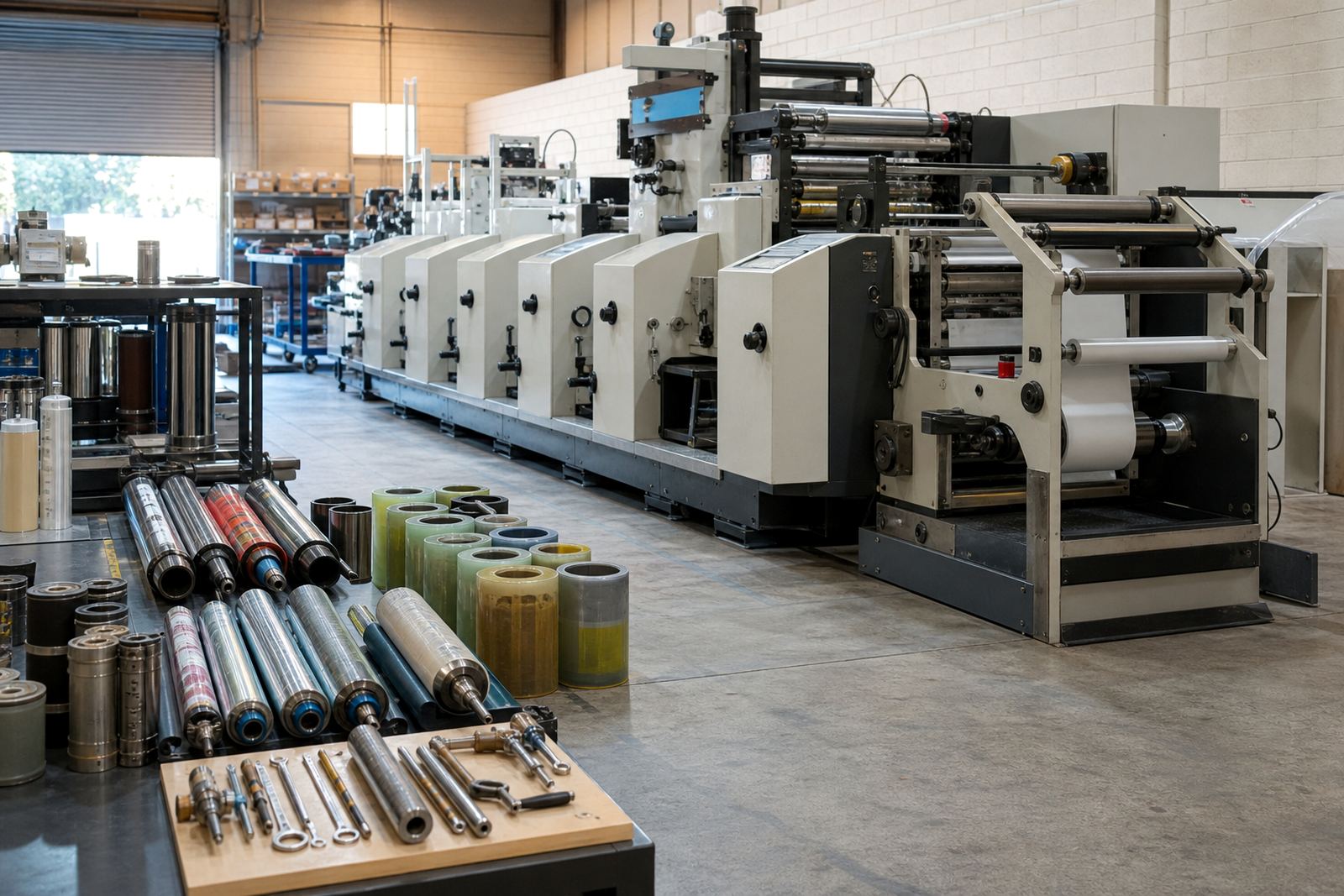
- Plate mounting help and anilox care
Finishing can make a label look right and work right
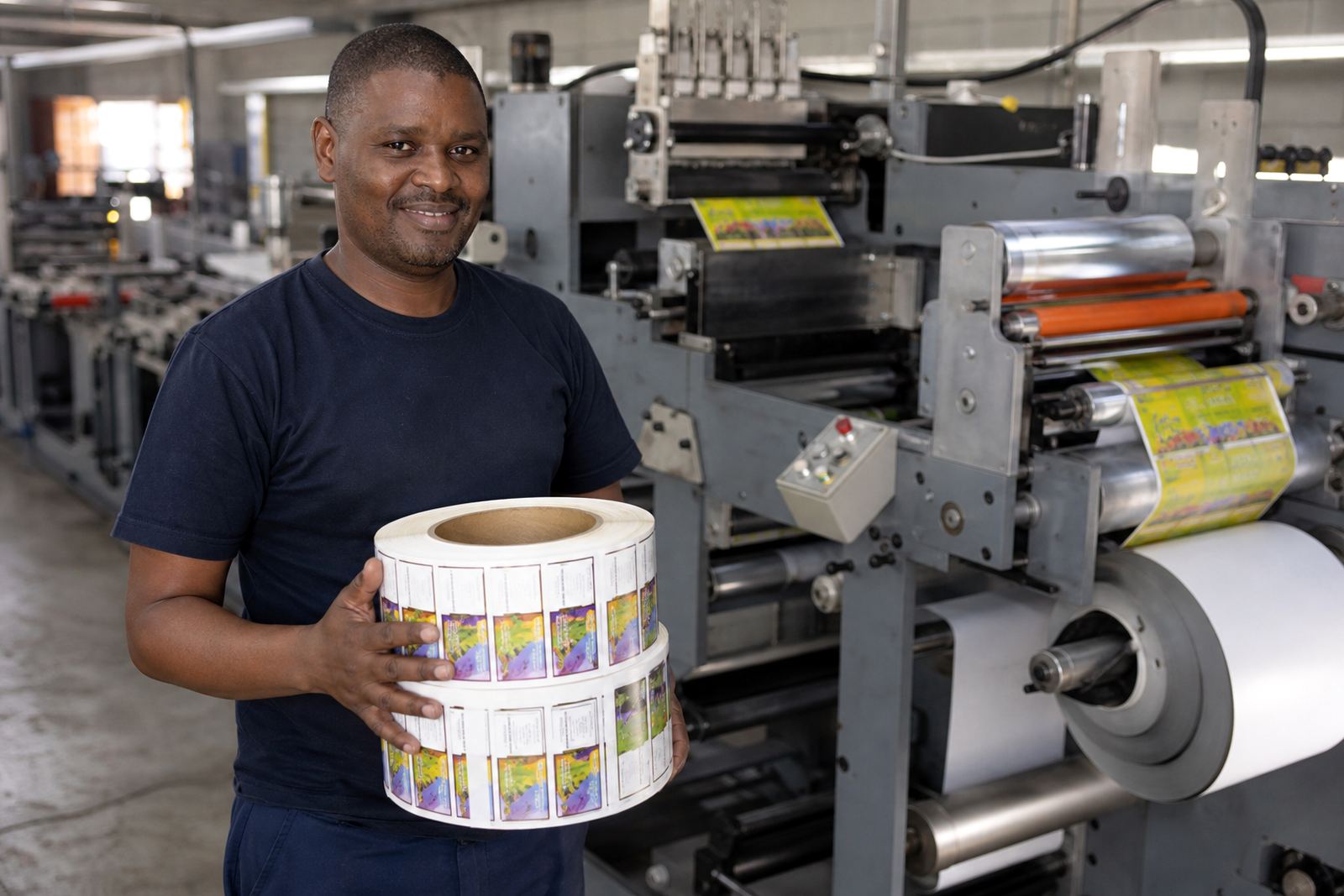
Many people judge a label by how it looks on shelf, but finishing is what often makes it practical to use. Clean die cutting, accurate rewinding, proper inspection and dependable finishing setup all affect whether labels apply neatly or give trouble at packing line stage. A good print is only half the job if the roll is badly finished.
For converters, finishing also affects waste, rework and packing speed. If rolls are too tight, too loose or unevenly finished, the customer feels it first. That is why finishing setup should be part of the conversation from the start, not something left to the end after the print run is already under pressure.
In the South African market, where many customers expect quick turnaround and reliable reorders, finishing discipline can be the difference between a job that repeats smoothly and one that keeps coming back with complaints.
A local example from Kempton Park to the coast
A converter in Gauteng supplying labels for a beverage range may need a press that can keep pace with weekly repeat orders, handle artwork changes without chaos and support finishing that is neat enough for retail shelves. In a setup like that, flexo offers a practical path because the plant can plan around known materials, known processes and trained operators.
The same thinking applies when a Cape Town or Durban customer needs labels that cope with coastal humidity, handling and transport. If the job is set up properly from the start, the converter is better placed to keep colour steady and maintain label consistency through the run. Load-shedding also remains part of the operating picture in many areas, so production planning, maintenance and recovery routines matter more than people sometimes admit.
- Planning for humidity and storage conditions
- Allowing for power interruptions and restart checks
- Matching the press line to the customer’s delivery pattern
Support matters as much as the press itself
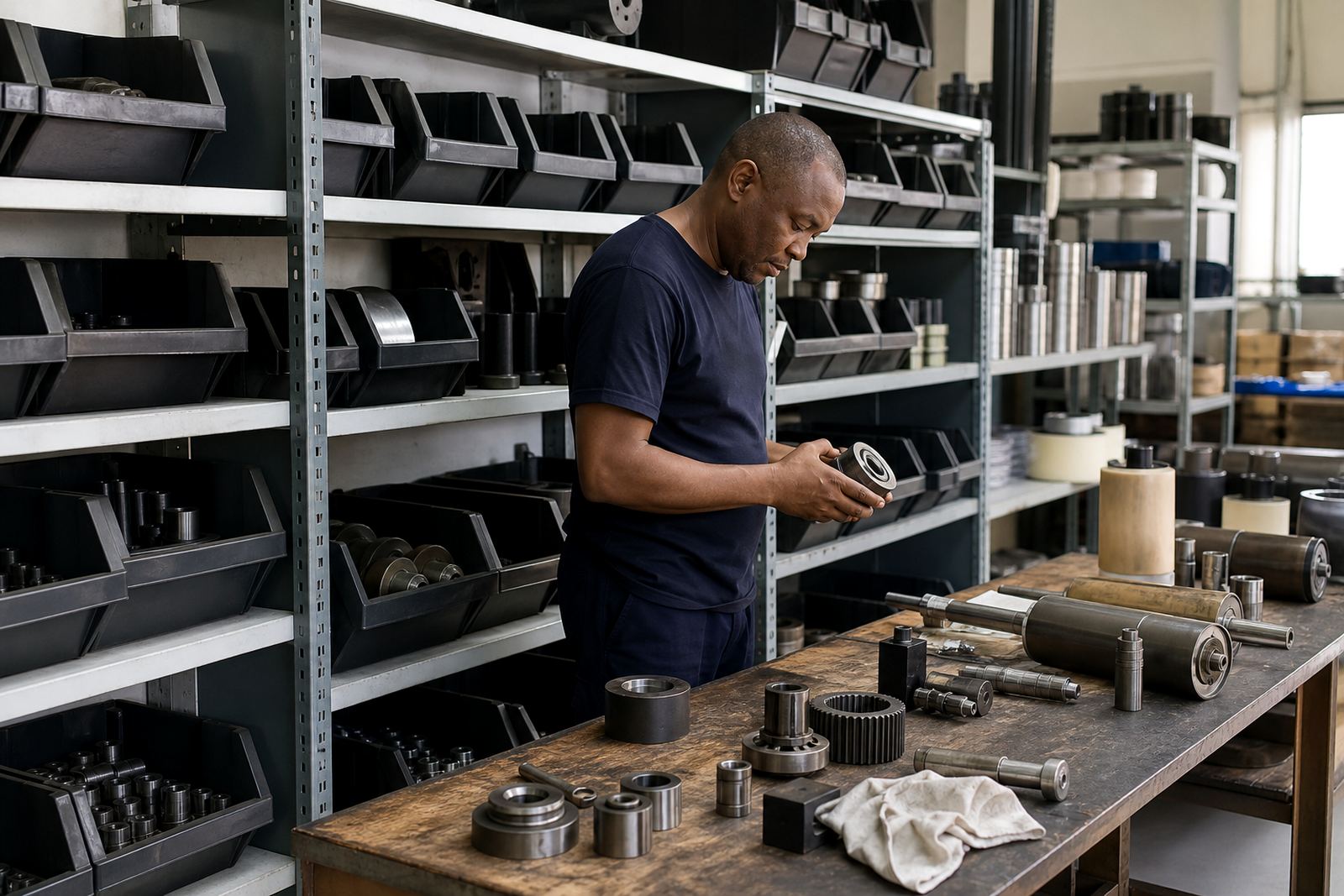
Buying or running a narrow-web flexo label press is not just about the machine on the floor. It is also about having support when a line needs attention, training when a new operator comes in, and spare parts help when something delays production. That is especially important for converters serving Johannesburg, Pretoria, Durban, Cape Town, Gqeberha and the East Rand, where timelines can be tight and customers expect answers quickly.
From a practical point of view, support should cover installation, commissioning, startup production help, preventive maintenance and breakdown support. Remote support can help with troubleshooting when a plant needs quick guidance, while on-site work is often the better answer for mechanical checks, setup correction or finishing issues that are affecting output. Good support does not replace good operators, it backs them up.
What to ask before choosing flexo for labels
If you are deciding whether flexo suits your label work, start with the basics. Think about the volumes you print, the types of substrates you use, how often jobs repeat and what finishing your customers expect. Then look at whether your team has the training and maintenance discipline to keep the press running well day after day.
Flexo is not a magic answer, but for many South African label converters it remains a practical one. It rewards proper setup, careful maintenance and steady process control. When those pieces are in place, it can support the kind of dependable label production that keeps a business moving without unnecessary drama.
- Review your job mix before buying or upgrading
- Make setup and training part of the plan
- Keep maintenance and finishing support close to the press