Start with a clean handover before the press stops
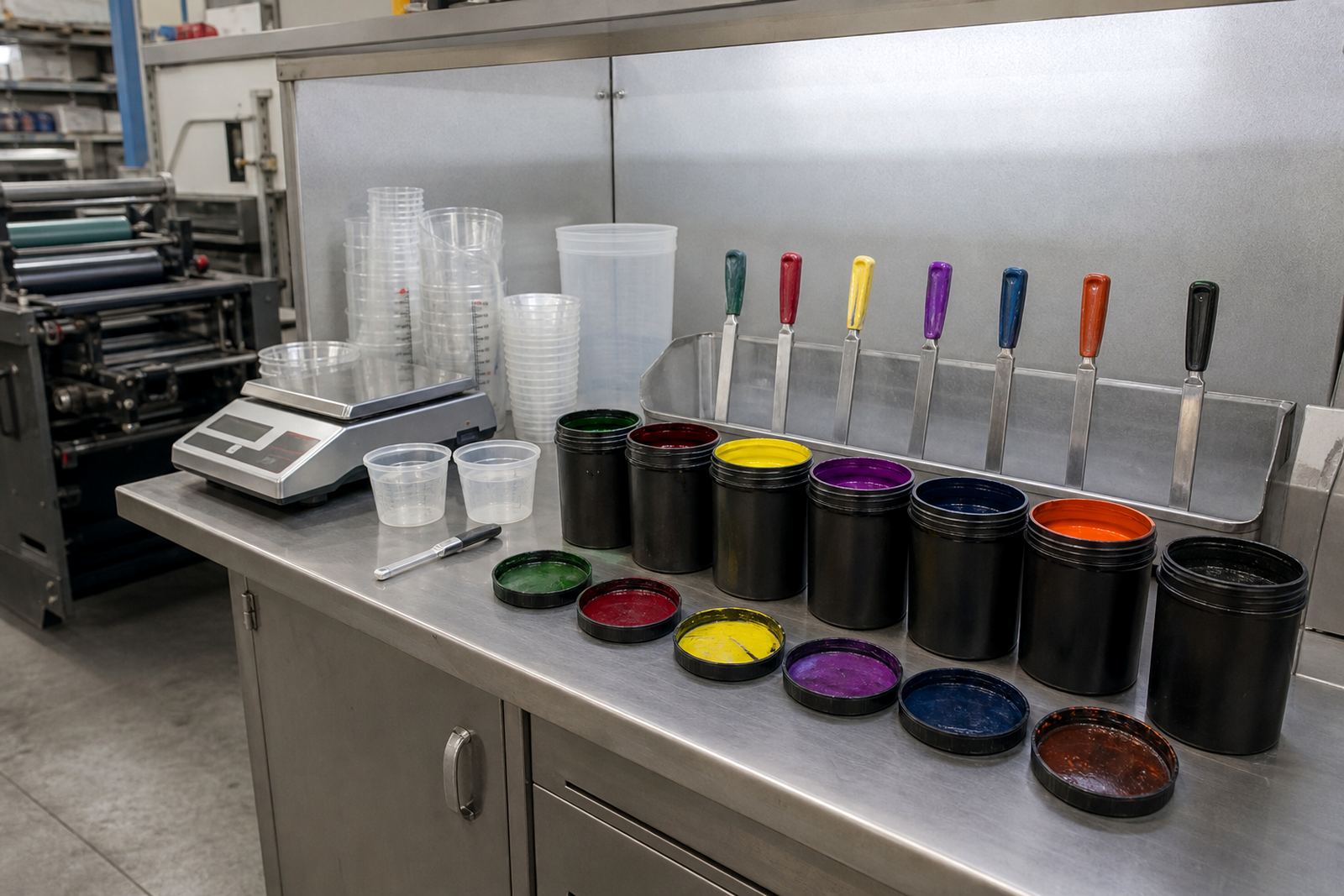
The quickest changeover is the one that begins before the previous job ends. On a narrow-web press, the team should already know the next substrate, artwork, inks, plates, sleeves and finishing requirements before the roll runs out. If the job bag is complete and the run sheet is clear, the crew can move with purpose instead of hunting for missing parts, which wastes time and creates avoidable errors.
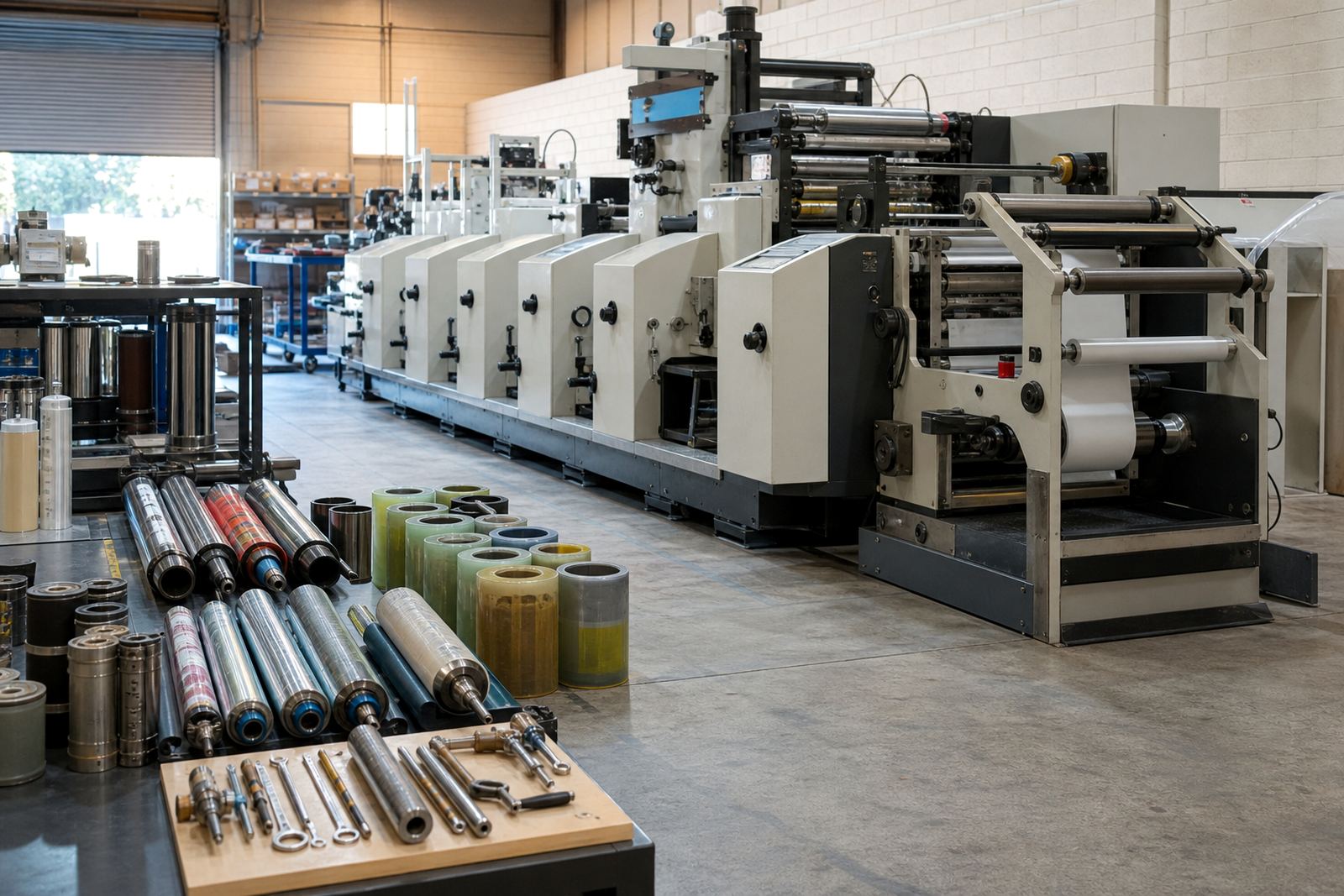
At a label plant in Spartan, Kempton Park, the shift lead can save real minutes by confirming the next order while the current job is still running. That means checking plate sets, anilox selection, adhesive or varnish needs, rewind direction and whether the finishing station needs a different setup. It sounds simple, but a few minutes of preparation often prevents a half hour of scrambling later on.
- Confirm the next job ticket before the last roll finishes.
- Stage plates, ink, cores and tooling together in one marked area.
- Assign who removes, who cleans and who signs off the setup.
Keep job records plain and repeatable
Changeovers drag on when every operator records things differently. A good shop uses the same setup sheet for each press, with the same order of steps and the same naming for inks, plates and finishing units. That makes it easier for a day-shift operator in Johannesburg to pick up where the night shift left off, and just as easy for a team in Durban or Cape Town to follow the same routine.
Clear records help when there is load-shedding too. If power drops during a setup, the crew can restart without guessing what was already done. The best notes are practical: web path, tension settings, drying concerns, plate positions, inspection points and any finishing adjustments. Keep the language short and direct so nobody has to interpret a long paragraph under pressure.
- Use one standard checklist for each press model.
- Write down the exact order of setup steps.
- Note any repeat faults so the next changeover starts with a fix, not a guess.
Prepare plates, anilox and consumables off the press
The press should not be the place where preparation begins. Plates must be checked, matched and mounted in advance where possible, and anilox rolls should be clean and clearly identified for the job they will carry. The same applies to doctor blades, cleaning cloths, sample labels and spare consumables. If those items are not ready, the operator ends up waiting while the machine sits idle.
In South Africa, humidity at the coast and dust inland can affect both storage and handling. In Gqeberha, for example, a team may need to be more careful with plate storage and adhesive cleanliness, while a Gauteng plant may spend more time on dust control around the press line. Good housekeeping is not fancy, it is just practical. Keep the prep area dry, labelled and easy to reach, then return every item to the same place after the run.
Training also matters here. An operator who knows how to spot wear on anilox cells or plate edges can catch issues before they slow the next setup. That reduces time lost to rework and helps the press start up cleaner on the first few metres.
Use a fixed cleaning routine after every job
Some crews try to clean everything after the new job is already waiting, and that is where delays begin. A better method is to break cleaning into fixed tasks: ink system, plate area, impression zone, finishing unit and floor space around the machine. When every person knows their zone, there is less overlap and less confusion.
The routine should stay the same even when the shift is under pressure. If one person is rushed and skips a small cleaning step, the next setup may carry contamination, dried ink or residue into the new run. On narrow-web label work, a small fault can show up fast, especially on fine text, solid colour or clear material.
- Clean the same zones in the same order every time.
- Check for dried ink, adhesive build-up and loose waste before the next roll goes on.
- Do a short walk-around after cleaning to make sure no tools are left behind.
Set finishing and inspection steps before the press restarts
Changeover time is not only about getting ink on the web. If the finishing unit needs slitting, die-cutting, rewinding or inspection adjustments, those steps must be ready before the press runs. A clean print job can still lose time if the finishing setup was forgotten or the rewind tension is wrong.
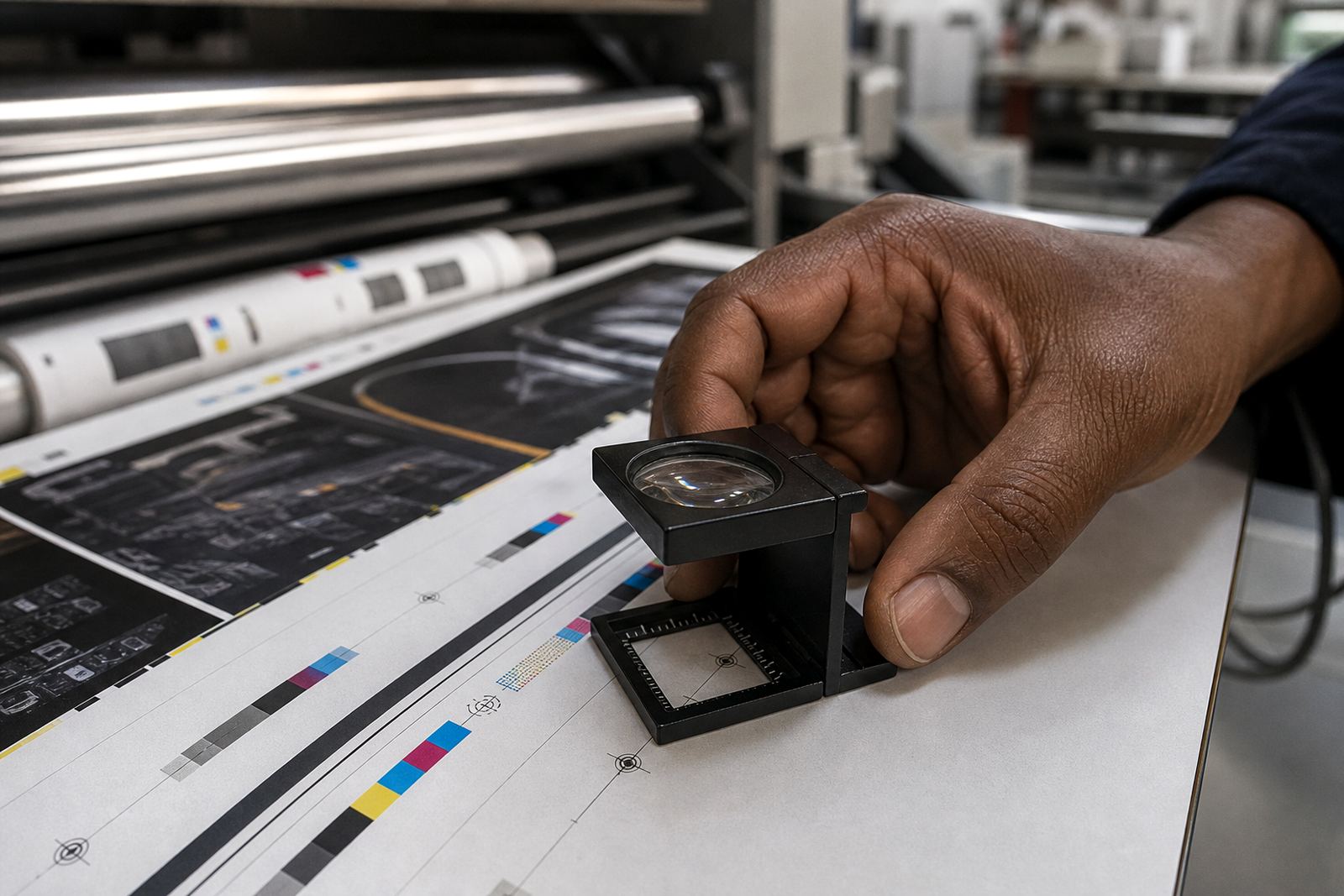
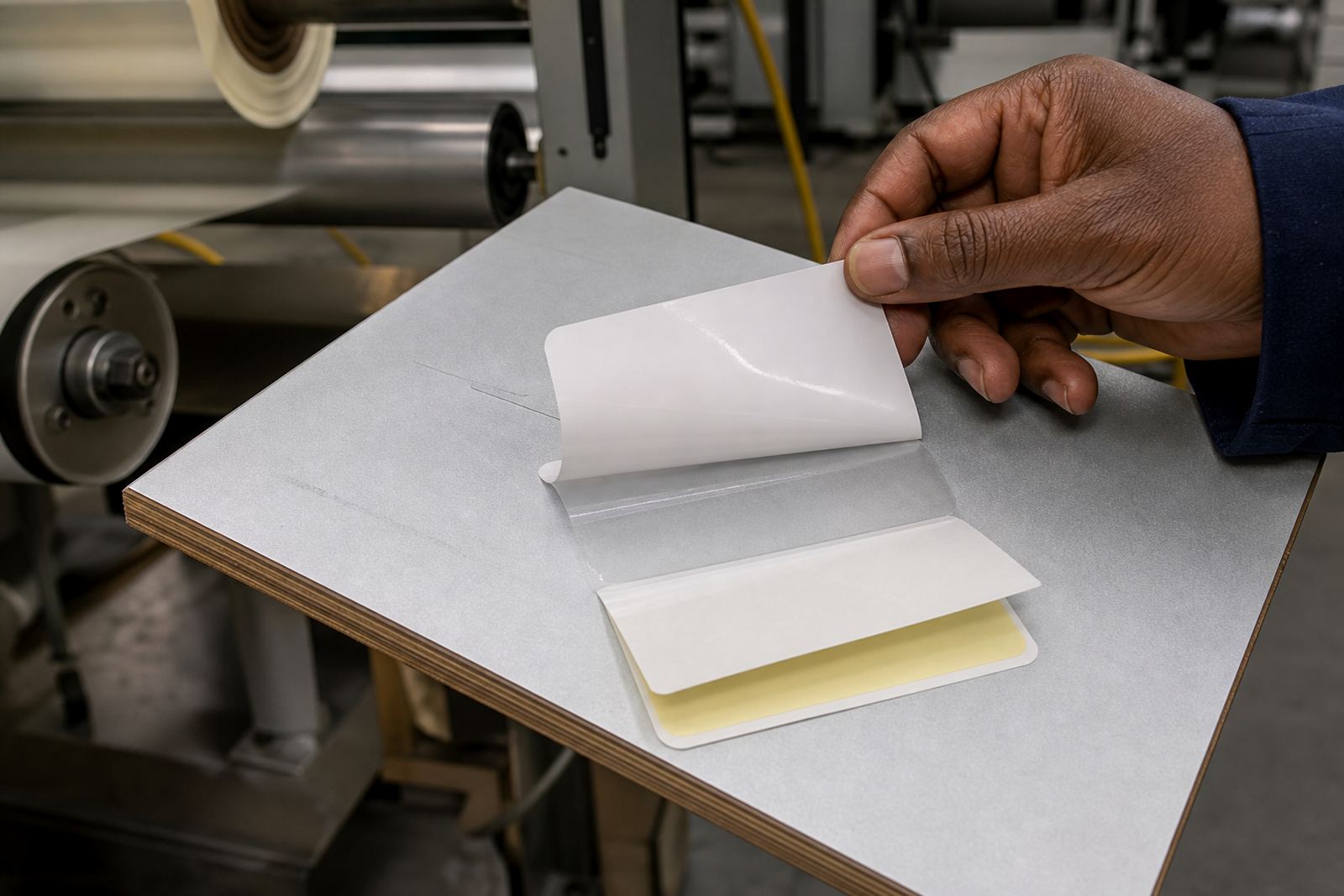
It helps to treat finishing as part of the same setup, not as a separate problem for later. Operators should know what the final roll size is, how the labels must be wound and what quality points will be checked on the first samples. That may include registration, colour match, adhesive edge clean-up and waste handling. If those checks are planned, the team can approve the job faster without pushing ahead blindly.
A practical rule is this: no production run should continue until the first samples are checked against the job requirements. That check does not need to be slow, but it must be done properly. A rushed approval often costs more time than a careful one.
Use local support to shorten repeat faults, not just today’s stop
Many changeovers are slowed by the same small faults over and over. A plate keeps slipping, a web path takes too long to thread, or the finishing station needs repeated adjustment. When that happens, it is worth getting proper technical support rather than treating each delay as a one-off. In Kempton Park and across Gauteng, many converters see the same pattern: once a fault is traced and corrected, future changeovers become quicker because the cause has been removed.
Flexography Printer supports label converters across Johannesburg, Pretoria, Durban, Cape Town and Gqeberha with press installation, commissioning, operator training, startup support, preventive maintenance, breakdown support and remote support. That matters because changeover speed is not only about operator effort. It is also about whether the machine is set up properly, whether the team has been trained on the exact sequence and whether spare parts and consumables are managed sensibly.
For a plant in Centurion running mixed food, beverage and cosmetic labels, the difference between a slow changeover and a clean one often comes down to discipline. Good records, proper cleaning and trained operators save time without cutting corners. That is the balance every press room needs.
Build a changeover culture, not just a checklist
Fast changeovers come from habits. The best teams do not rely on memory alone, and they do not trust pressure to improve performance. They use the same setup method each day, review what went wrong and keep the work area ordered. Over time, the press becomes easier to manage because everyone knows where the delays usually start.
There is no need to rush the quality checks to make the numbers look better. The real win is a steady process that brings the press back into production quicker while still protecting print quality, finish and consistency. When the team is trained, the records are clear and the pressroom is prepared, a changeover becomes a controlled task rather than a scramble.
If your label line is losing time on repeat setups, the answer is usually not more speed. It is better planning, better housekeeping and better support. That is where changeover gains last.