
Why short runs need a different pressroom rhythm
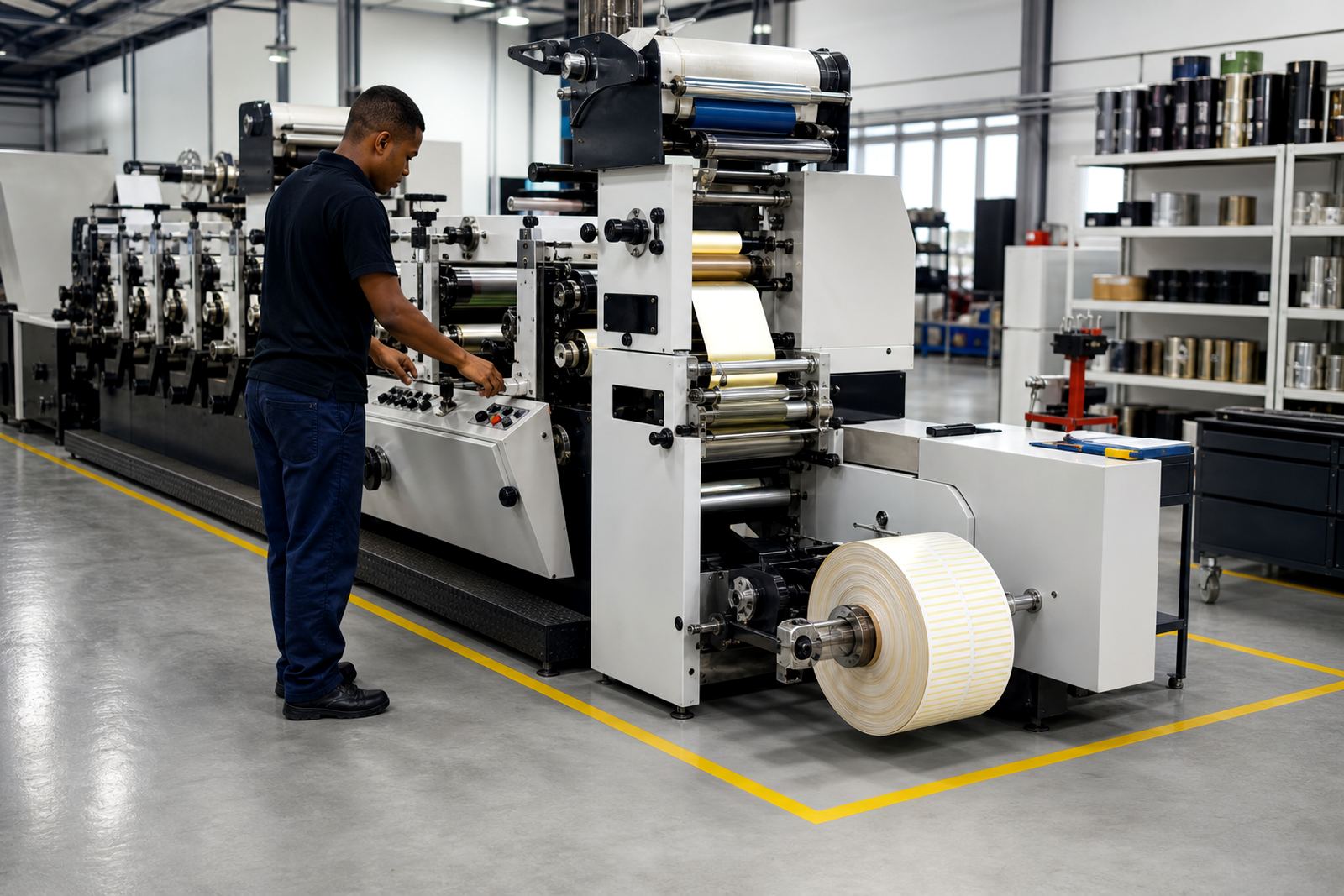
Short run label work changes the pace of a pressroom. One order might be a few carton labels for a Kempton Park food packer, the next a cosmetic label repeat for a Cape Town filler, then a retail promotion that needs quick turnaround and careful finishing. When the work is smaller, every minute spent finding tooling, checking artwork or adjusting tension has a bigger effect on the margin.
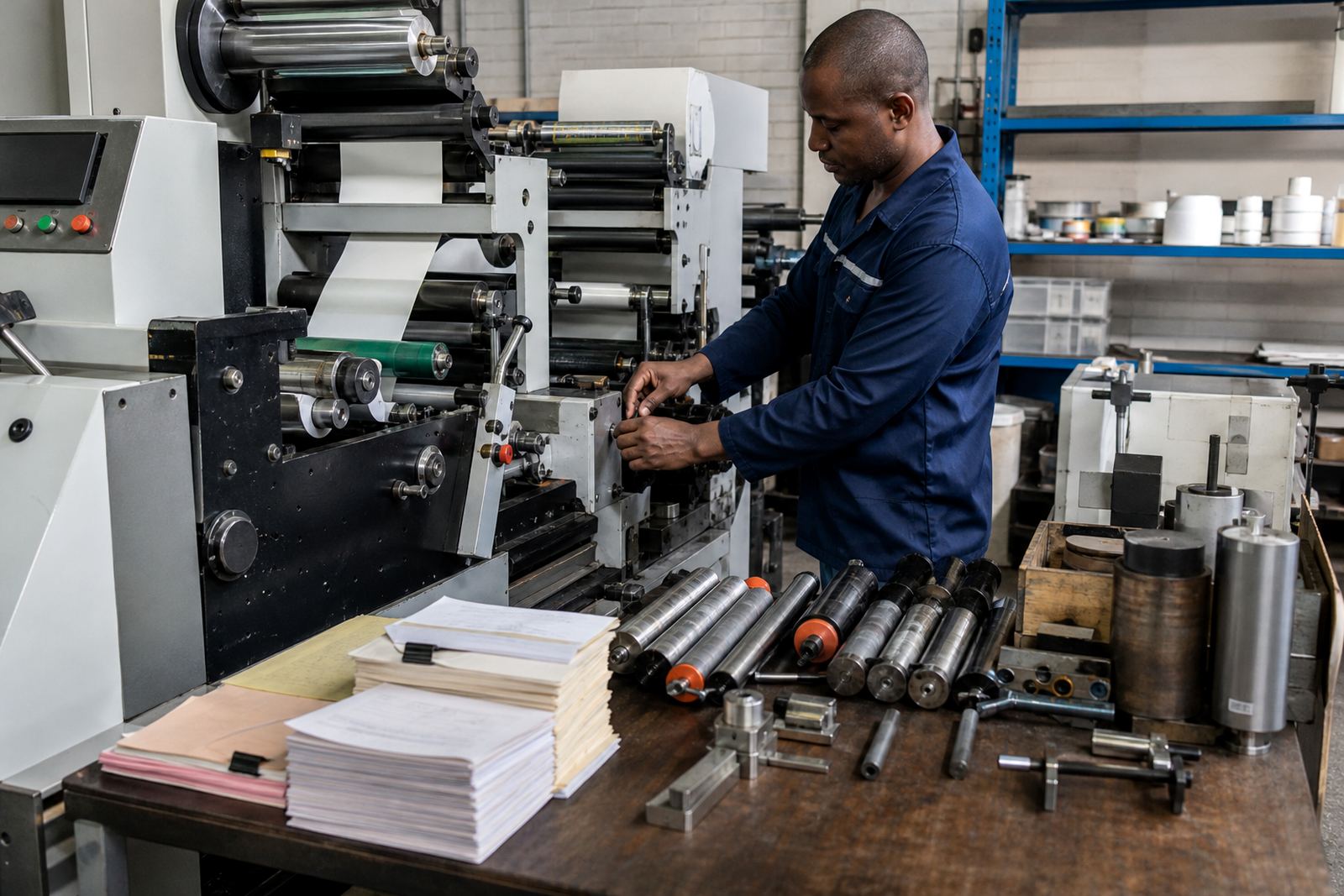
The best workflow starts before the press moves. Good planning means job bags are complete, artwork is approved, plates are checked, inks are staged and the finishing path is already decided. That sounds basic, but in busy converter sites it is often where time is lost. A tidy setup area, clear labels on rollers and sleeves, and a simple sequence for handover can save a lot of stop-start running later on.
In short runs, consistency matters more than cleverness. Operators need the same order every time, even when the job itself changes. That is how a pressroom keeps moving when the schedule is full of small orders and urgent repeats.
Build a repeatable setup checklist for every changeover
Frequent changeovers are easier when the team follows the same steps on each job. A printed or laminated checklist works well because it removes guesswork, especially during early shift starts or after load shedding when the line needs to come back up in a controlled way. The point is not to make the process slow. It is to make it the same.
- Confirm artwork, substrate and finishing method before the press is prepared.
- Check plates, sleeves, anilox rolls and tooling for the correct job code.
- Stage inks, adhesives, cleaning materials and waste containers near the press.
- Set tension, web path and guide settings in a fixed order.
- Record what changed on the last run so repeat jobs start faster next time.
When converters use the same sequence for every short order, new operators settle quicker and senior staff spend less time correcting avoidable mistakes. If the team is spread between Johannesburg, Pretoria or the East Rand, the same checklist also helps keep the process consistent across sites.
Keep setup waste low without rushing the first good label
Short runs are often judged on how quickly the press reaches saleable output, but rushing the first metres can create more waste than it saves. The better approach is to prepare properly, then step into production with a clear target for quality. That means checking registration, ink transfer, drying or curing, and any overprint or varnish effect before the order is released.
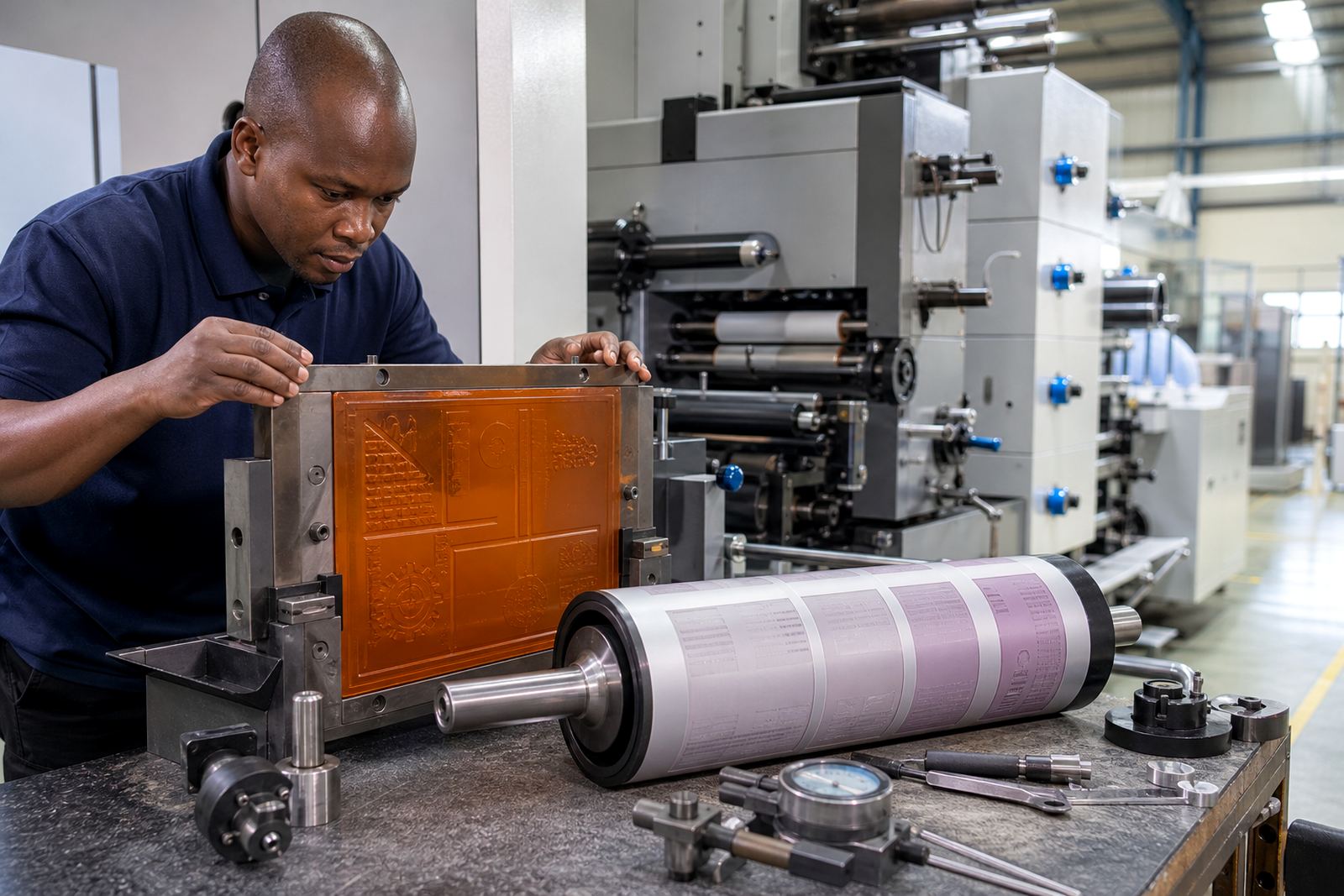
For narrow-web flexo label presses, plate mounting and anilox condition play a large role in the first good label. Poor mounting or a dirty roll can throw off the whole run. Operators should know what normal looks like for each substrate, especially on films and coated stocks that behave differently in humid Durban conditions compared with drier inland sites. Small temperature changes, static and dust can all affect the result.
At this stage, a simple rule helps: do not chase production speed until the print is stable. A steady start usually gives a better runout and fewer complaints from the customer when the order is small and the deadline is tight.
Plan finishing as part of the print workflow
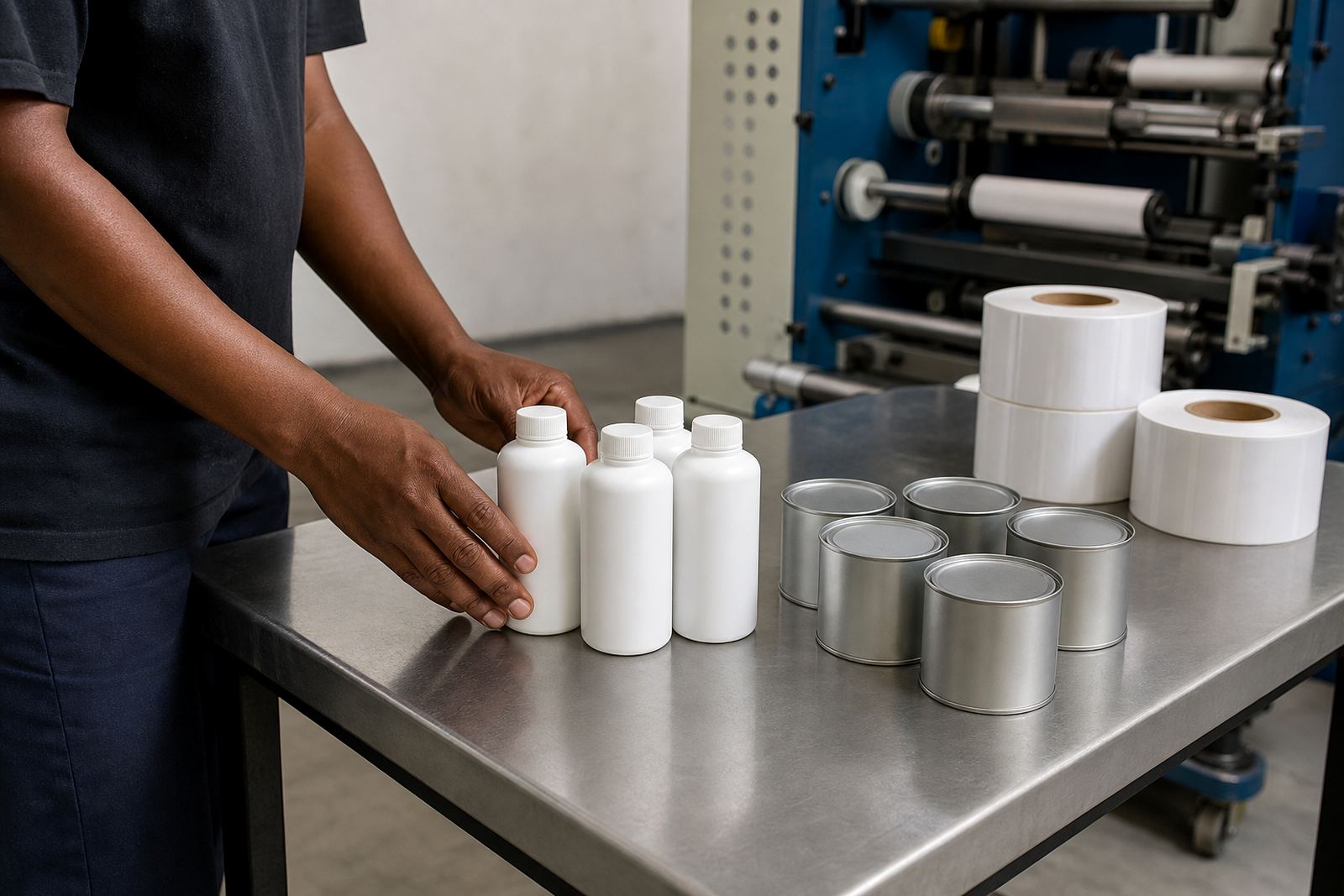
Many short run problems begin when finishing is treated as a separate step. If the job needs slitting, sheeting, rewinding, numbering, varnishing or any other finishing setup, that decision should be made before the press starts. Otherwise the team may print a neat roll, only to discover the finishing line is not ready or the job was not packed for the next stage.
Good short run workflow joins print and finish into one path. The press operator and finishing team should know the target format, core size, roll direction, label count and pack-out requirement from the start. For repeat customers, it helps to keep notes on what worked well last time, especially where tight register or delicate substrates were involved.
- Confirm the finishing order before the first metre is printed.
- Keep slitting blades, rewind shafts and inspection tools ready for the job.
- Mark repeat job settings so the next run can start quicker.
- Store approved samples with the job bag for future reference.
For converters serving retail and food customers, a clean finish is often part of the selling point. A label can print well but still fail if edges are untidy or the rewind is uneven. That is why the finishing line belongs in the same workflow discussion as the press itself.
Use training to shorten the learning curve
Short run production is unforgiving for new operators because they have less time to recover from a mistake. That is why training should focus on the real sequence of work, not only on machine controls. Operators need to understand how to prepare the press, read the job ticket, handle common print faults and make safe adjustments without losing the order.
A good training programme covers more than one machine side. It should include plate mounting help, anilox care, start-up production support, breakdown response and the right way to document each job. When a team knows how to clean, inspect and store parts properly, the press stays ready for the next short run instead of being reset from scratch every time.
In South African operations, practical training also needs to account for local realities like load shedding, municipal interruptions and tight delivery windows. The more the team knows about restart steps and safe shutdowns, the less time is wasted when conditions change during the day.
A Kempton Park example: a small run with a tight turnaround
Consider a converter in Kempton Park handling several short label orders in one week. The jobs include a food label repeat for a nearby packer, a cosmetics order for a Johannesburg distributor and a small retail promotion due for dispatch before the weekend. None of the jobs are huge on their own, but together they put pressure on scheduling, setup and finishing.
The smoothest way through that week is to keep the workflow simple. Jobs are grouped by substrate where possible, plates are checked against the docket before the press is released, and the finishing team is told in advance what will be needed. If a repeat order comes back later, the press notes show the previous settings, the operator knows what to expect and the startup moves faster. That is how smaller jobs become manageable instead of disruptive.
For converters in Spartan, Centurion or further afield, short run work is less about pushing the press harder and more about removing avoidable stops. The job is won when the team can change over cleanly, print steadily and hand over a finished roll or stack that is ready for the next stage without extra sorting.
Keep the workflow tight from enquiry to final pack
Short run workflows work best when the whole order moves in one direction. From the first enquiry to the final pack, the aim is to keep information clear and decisions early. If the converter knows the substrate, finish, quantity, turnaround time and delivery point, the production team can prepare properly and avoid mid-job surprises.
That is where support services matter too. Installation, commissioning, preventive maintenance, remote support and spare parts support all affect how quickly a press can turn from one job to the next. A press that is clean, calibrated and properly maintained will always handle short runs better than one that is constantly being rescued at the last minute.
For label converters across Johannesburg, Pretoria, Durban, Cape Town and Gqeberha, the lesson is the same. Short runs favour disciplined teams that prepare well, keep records and treat each changeover as part of the job, not a break in it.