Why varnish choices matter on narrow-web labels
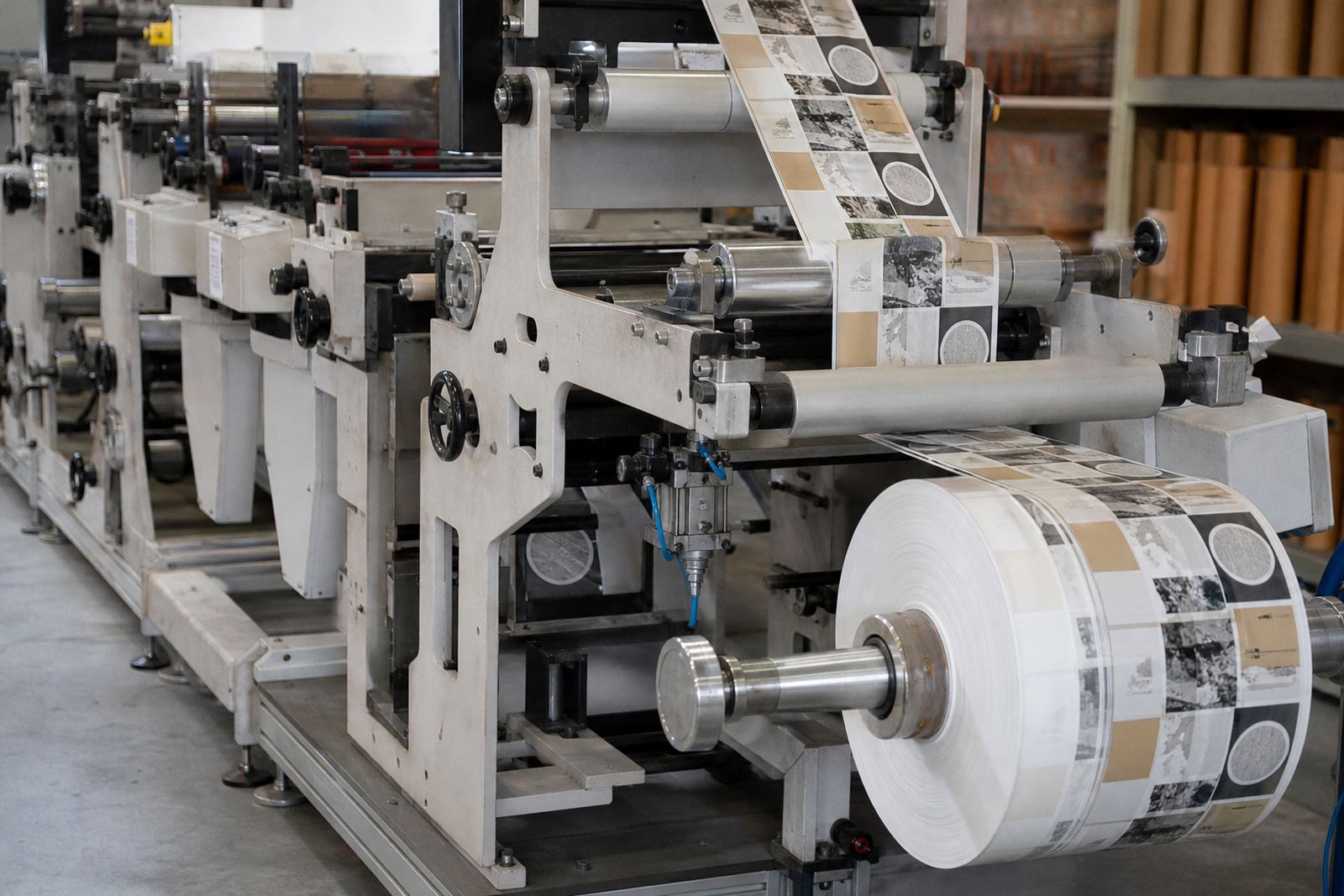
In label production, varnish is not just a final touch. It can protect print from scuffing, improve rub resistance, change the look of the label and help the finished roll run better through applicators. On narrow-web flexo work, that matters because labels are often wound tight, handled many times and stored in warm conditions before they are applied.
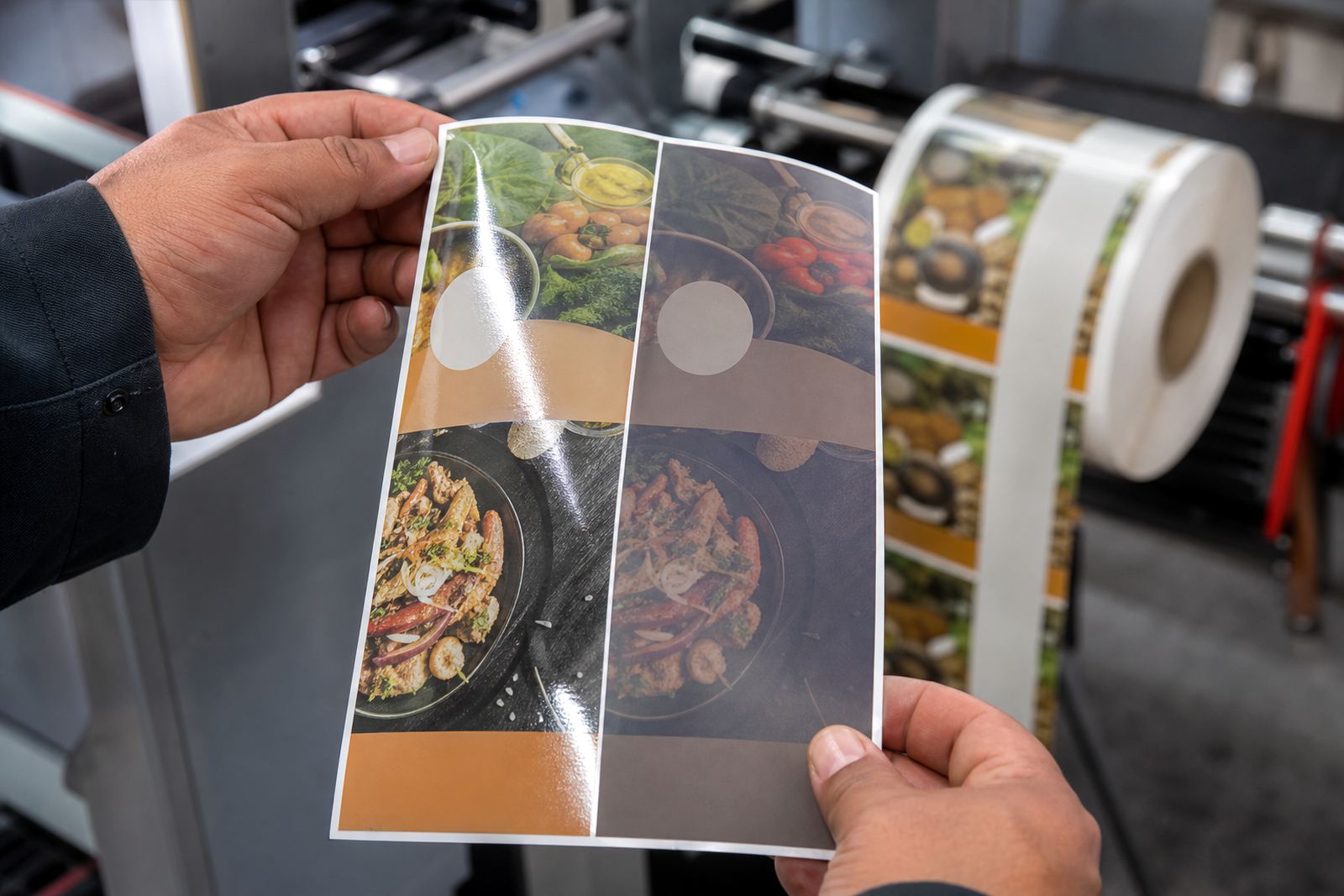
Different jobs call for different finishes. A clear gloss varnish can make colours appear sharper and give shelf impact. A matt finish can soften the look and suit premium or natural products. In some cases, a converter needs a varnish that helps the label survive cold rooms, condensation or repeated touch without dulling too quickly.
At Flexography Printer in Spartan, Kempton Park, we work with label converters across Johannesburg, Pretoria, Durban, Cape Town and Gqeberha who need practical setup advice for varnish runs, not guesswork. The goal is always the same: get a finish that matches the product, the press and the pace of production.
Gloss, matt and satin finishes for different shelf looks
The most common varnish decision starts with appearance. A gloss finish reflects light and tends to make colours appear cleaner and brighter. It is often chosen for retail labels, fast-moving food products and any pack that must stand out on a busy shelf. Matt finishes reduce shine and give a more restrained, tactile feel that suits natural ranges, cosmetics and premium packs.
Satin sits between the two. It offers some sheen without the full reflective effect of gloss. For converters, this can be a useful middle ground when a client wants the label to look tidy and polished but not overly shiny. Satin also helps when the label has fine text or small elements that should remain easy to read under store lighting.
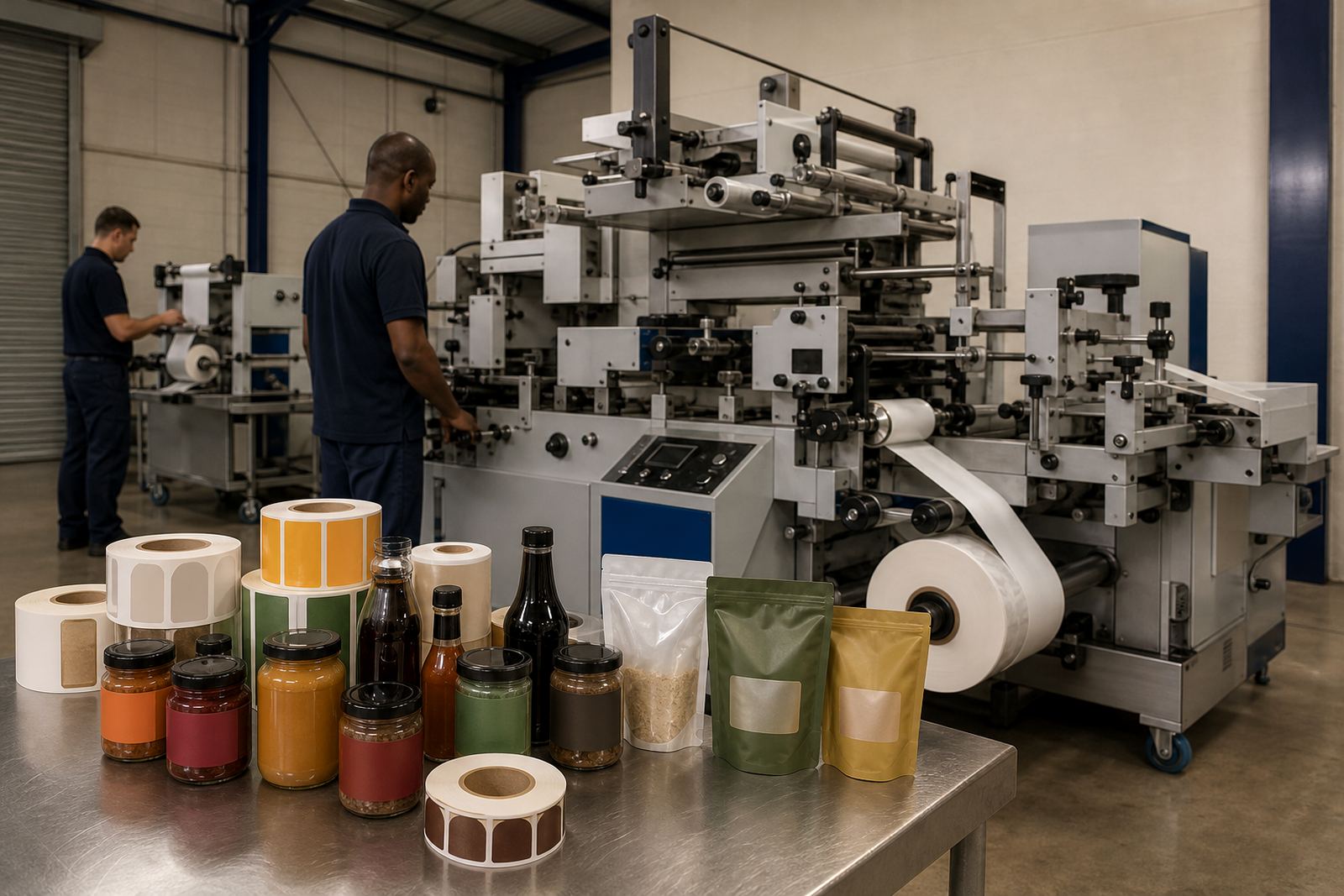
Selection usually depends on the whole package, not only the label. A shiny varnish on a dark bottle may look very different from the same varnish on a clear jar or a paper wrap. In practice, we often advise printers to review the pack on press, under normal light and from a short retail viewing distance before settling on a finish.
- Gloss for strong colour pop and high visual contrast
- Matt for a softer, premium or natural look
- Satin for a balanced finish where neither extreme is desired
Protection needs: scuff resistance, moisture and handling
Many varnish questions are really about protection. Labels can scuff when they travel through finishing lines, when they are boxed and moved around the warehouse, or when they are applied by hand. If the label is going onto a chilled bottle or a container that will be handled often, the coating needs to hold its appearance after use, not only on press.
Moisture is another concern, especially for chilled beverages, bathroom products and coastal deliveries where humidity can be high. Durban and Gqeberha converters often ask for finishes that cope better with damp conditions and repeated contact. A suitable varnish can help keep print looking cleaner, although it is still important to match the whole print system correctly.
For some jobs, a varnish is chosen mainly to improve runnability. It can reduce surface drag in winding and handling, which helps when rolls are packed tightly or moved through finishing equipment. That said, a finish should never be selected in isolation. Ink, substrate, adhesive and storage conditions all play a part in the final result.
- Choose protection for scuffing when labels are boxed, stacked or shipped far
- Consider moisture exposure for chilled, bathroom or coastal products
- Check how the finish behaves after 24 hours, not only straight off the press
Spot varnish for emphasis on packaging details
Spot varnish is used when only part of the label needs a visual lift. It can draw attention to a logo, a product name or a pattern while leaving the rest of the label matt or plain. On narrow-web flexo jobs, this type of finishing is often chosen when the client wants a more premium appearance without moving to expensive decoration methods.
The key is accurate setup. Registration must be checked carefully, because spot varnish only works when it sits exactly where it should. If the shape is off even slightly, the effect looks untidy and the label loses value. That is why plate mounting, pressure settings and web control all matter during the setup stage.
Spot varnish can also be useful for brand protection. A subtle reflective detail can help a product line look distinct across multiple sizes or flavours. In practical terms, it gives the converter a flexible option for adding value without changing the core label format.
How substrate and adhesive affect the finish
Not every label stock takes varnish in the same way. Paper, film and coated materials can all behave differently, and the same is true of the adhesive system below the print. Some surfaces absorb more, while others sit open and can show marks if the coating is not matched properly. For that reason, the label stock should always be considered before choosing the finish.
Where removable labels or temperature-sensitive packs are involved, the finish also needs to work with the end use. If a label is applied to a smooth plastic container or a cold bottle from refrigeration, the varnish should not interfere with adhesion or create a surface that causes practical problems later.
Converters should also watch for drying and cure behaviour. A finish that looks fine immediately can still give trouble if the roll is wound too tightly or packed before it has settled properly. On busy production floors, especially where load-shedding disrupts timing, that planning matters more than people think.
- Test the varnish on the actual label stock, not only on sample sheets
- Check adhesion after curing, winding and packing
- Match the finish to the container surface, storage and application method
Practical setup points for cleaner varnish runs
A good varnish result starts with sound press setup. On narrow-web flexo equipment, the basics still matter: even pressure, clean anilox condition, correct plate mounting and a steady web path. If those are not right, the finish may show streaks, uneven coverage or poor edge definition. The issue is often blamed on the varnish when the real cause is setup.
For converters in Gauteng and beyond, preventive checks can save time. Anilox care, plate mounting help and finishing setup all feed into the final look. If a varnish is not laying down evenly, it is worth checking the whole line before chasing a material problem. Small changes in viscosity, speed or drying can also affect the result. Sometimes the fix is simple, but it needs a trained eye.
We often find that operators benefit from a clear standard procedure for each finish type. Once that is in place, repeat jobs become easier to run and waste drops. That is especially useful for shops handling mixed work from food, cosmetics and retail clients at the same time.
A Kempton Park example from everyday label production
A label converter in the East Rand may be running a short food range in the morning and a cosmetic label set later in the day. The first job needs a clean protective finish that holds through chilled storage, while the second calls for a softer visual effect that suits a premium bottle. If the press team treats both jobs the same, the results can be uneven and the customer notices.
In that kind of situation, the most useful approach is to match finish choice with the product and then confirm the setup on press. A simple gloss or satin varnish may be enough for one job, while the other may need spot work or a more restrained matt surface. The point is not to use the most expensive option, but the one that fits the pack and the production line.
From our base in Spartan, Kempton Park, we support label converters with press installation, commissioning, operator training, startup production support, breakdown support and remote support. That kind of support helps teams make better varnish decisions because they can see how the finish behaves in real production, not only on paper.