Narrow web means labels, not large-format printing
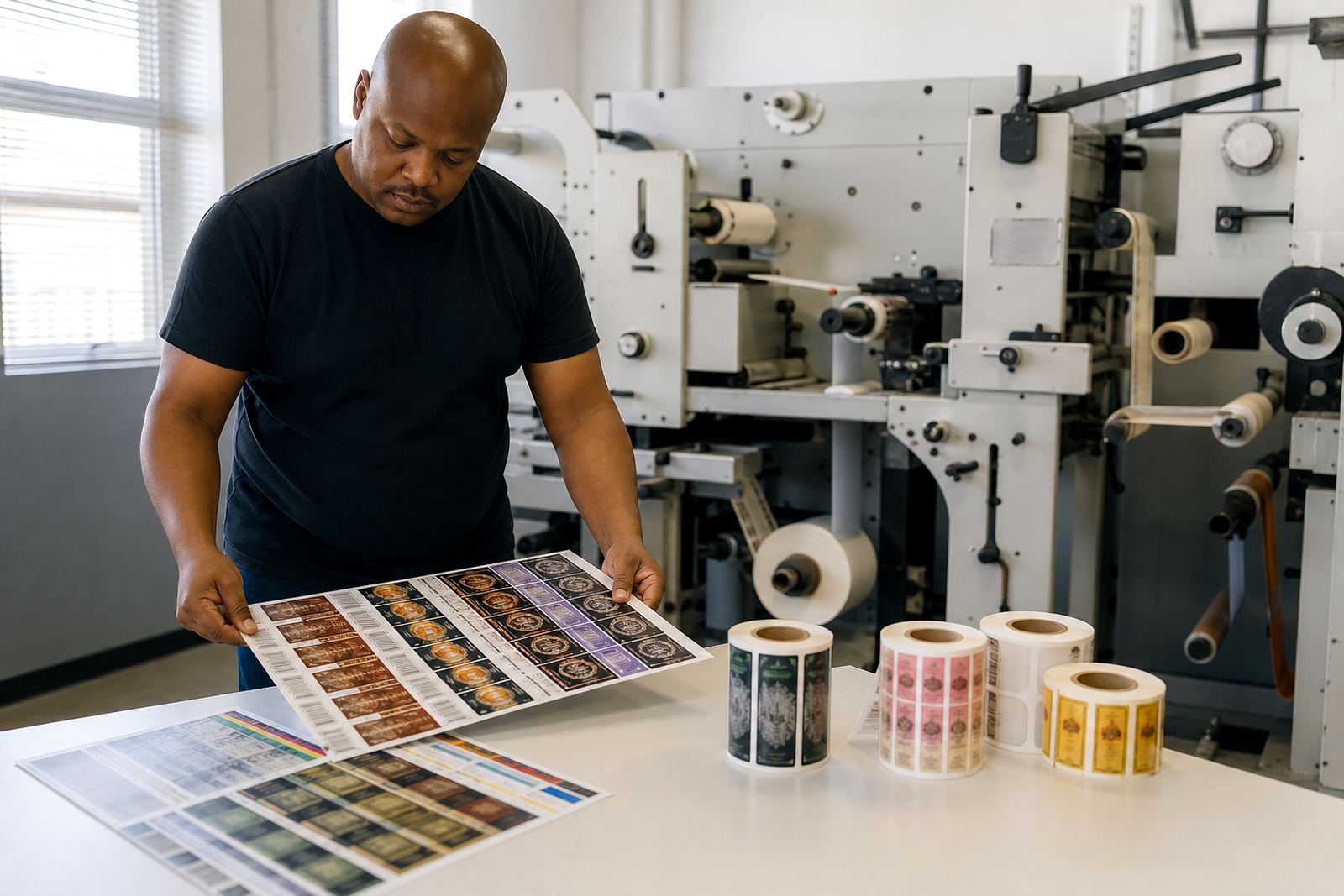
Narrow-web flexo refers to presses built for label and light packaging work on a narrower material width than a conventional packaging line. In plain terms, it is the type of equipment used when a converter needs labels that run in rolls, then go on to printing, slitting, finishing or application.
This matters because label production is not only about putting ink on substrate. It is about keeping register steady, holding repeat jobs, and making sure the final roll is ready for dispensing or further finishing. If a label converter in Kempton Park is running stock for food jars, cleaning products or health items, the press choice has to fit that kind of work from the start.
Where narrow-web flexo fits in South African label production
In South Africa, narrow-web flexo sits comfortably in the middle ground between short-run digital work and wider packaging presses. It is often chosen by label converters serving Johannesburg, Pretoria, Durban, Cape Town and Gqeberha because it handles regular production with consistent output and practical setup times.
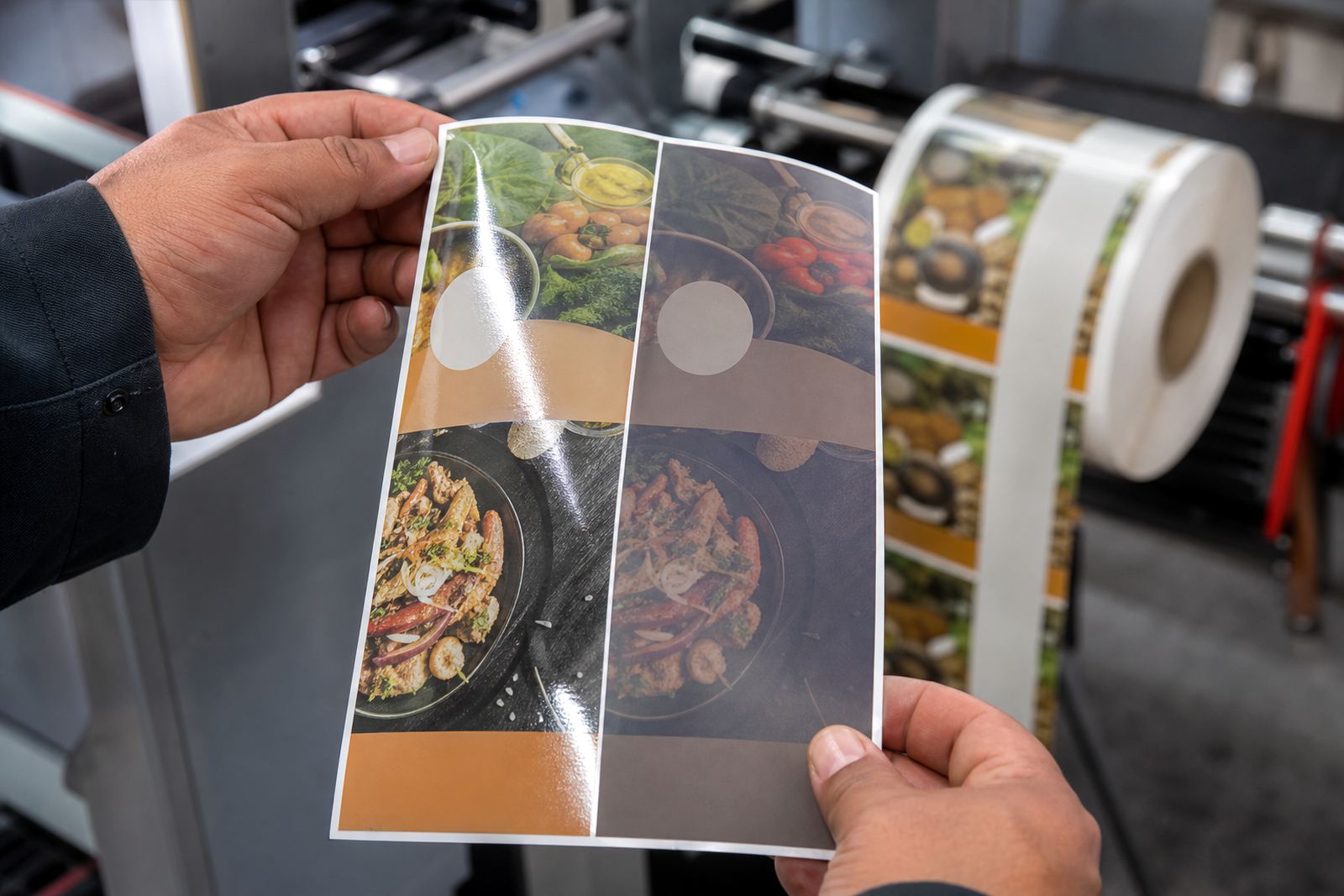
It is especially useful where customers need labels that must look sharp on shelf and still run properly through applicators or manual packing lines. Food and beverage, cosmetics, chemicals, retail and personal care are all common sectors for this type of work. A good narrow-web setup lets the converter respond to different substrates, adhesives and finishing steps without overcomplicating the line.
- Roll-fed label work for bottles, tubs and cartons
- Repeat production for the same label size and artwork
- In-line finishing such as slitting, varnishing or die-cutting
- Practical output for converters handling short and medium runs
What a narrow-web press does during setup
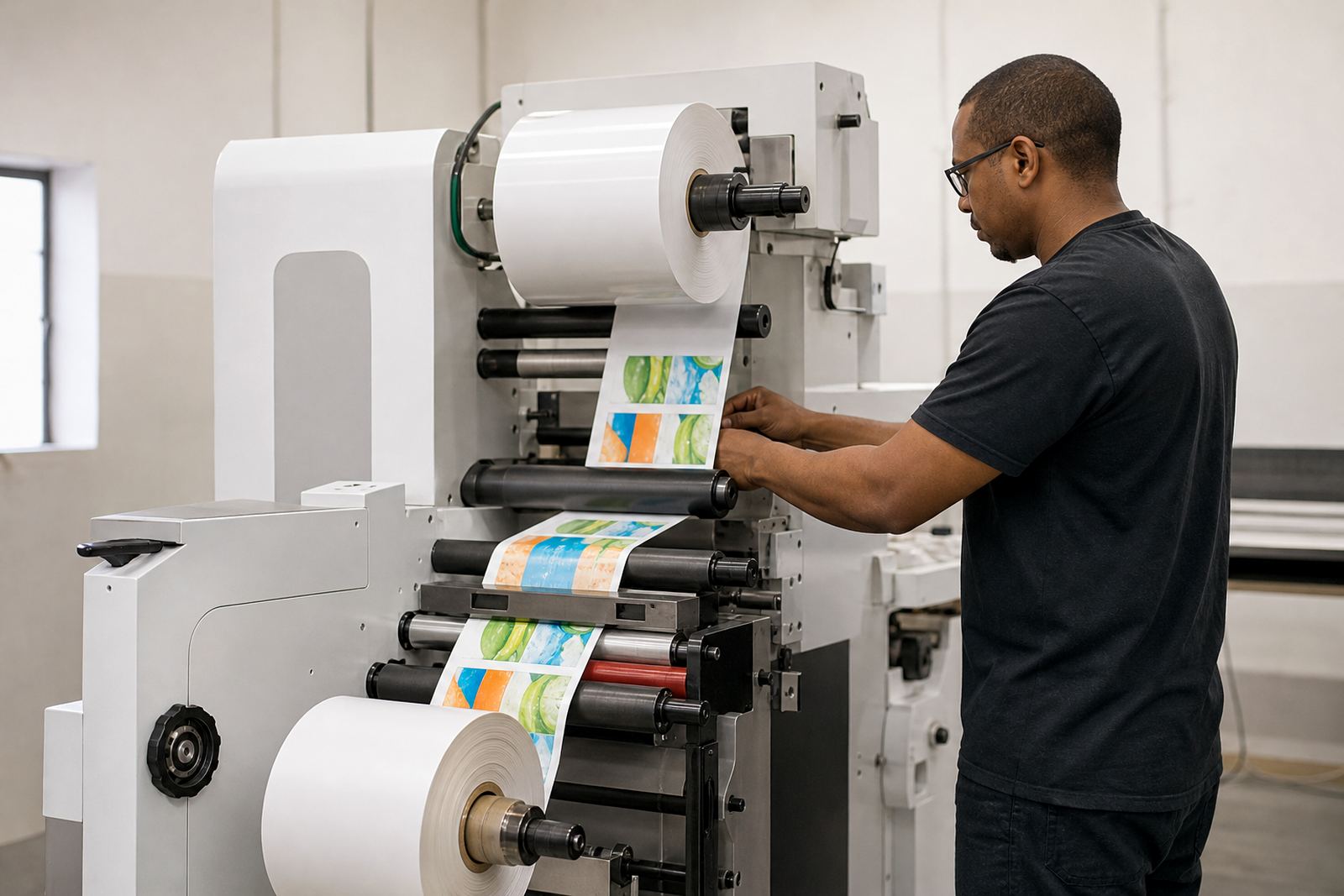
Press setup is where narrow-web work either becomes efficient or becomes a headache. The operator needs the web threaded correctly, tension kept steady, plates mounted properly and the print stations aligned before production starts. If these basics are rushed, waste goes up and the job takes longer than planned.
In a local plant, setup also has to take account of day-to-day realities like load-shedding, compressed production windows and the need to keep a clean area for labels that will end up on consumer products. Good setup practice saves time on press and reduces the number of stops for correction. That is why many converters ask for support during installation, commissioning and startup production, not only once a problem appears.
Why finishing matters just as much as print quality
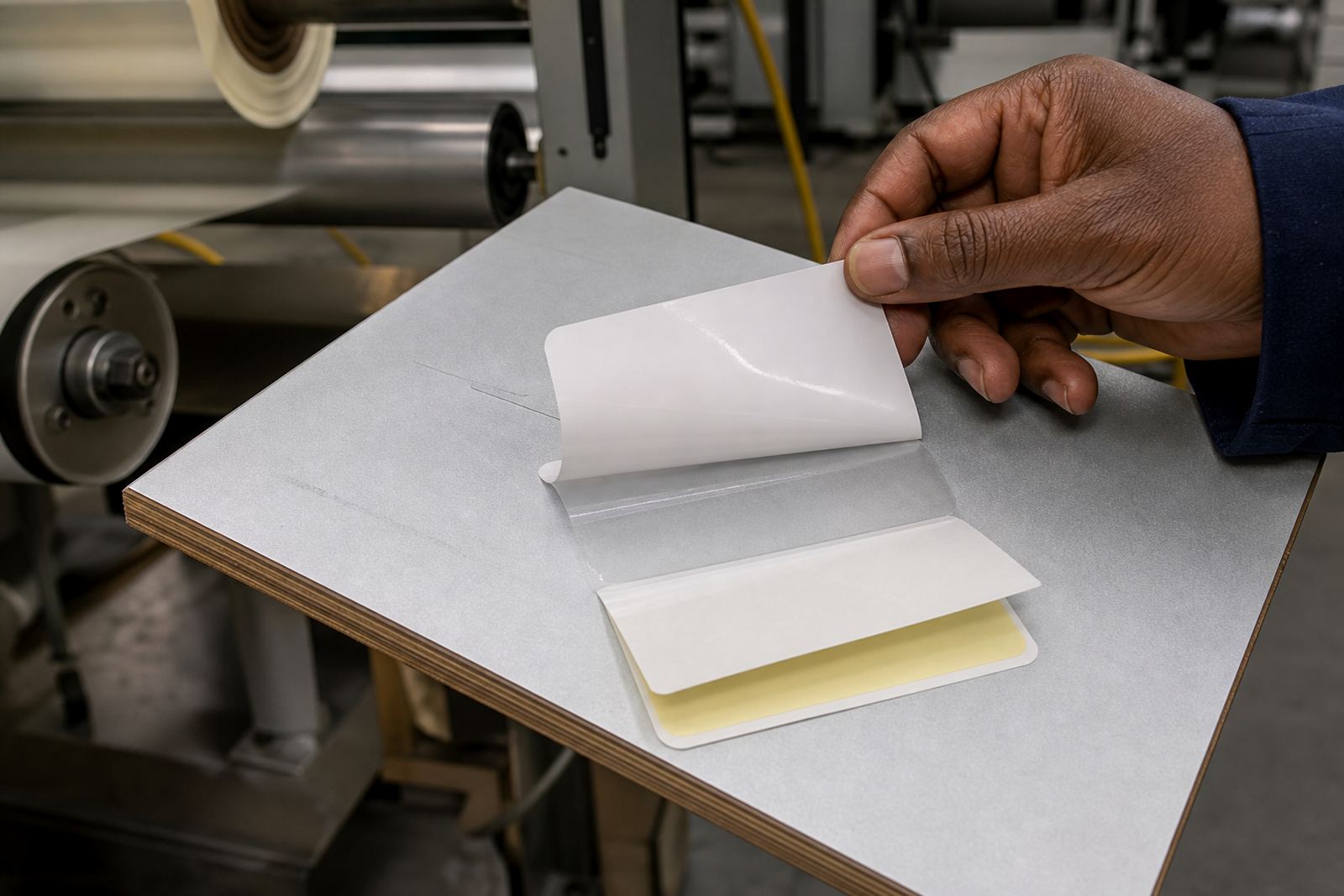
Narrow-web flexo is rarely only about the print image. The finishing stage is what turns printed material into a usable label roll. Finishing can include slitting, cutting, rewinding, varnish application and other setup steps that help the job leave the press ready for the next part of production.
Where labels are used in humid coastal areas like Durban or in busy distribution centres around Gauteng, finishing quality matters because the roll must unwind properly and stay neat in storage. If the finishing is poor, even good print can still cause waste at application stage. For this reason, converters should treat finishing setup as part of the production plan, not an afterthought.
- Check rewind tension before the run starts
- Confirm slit width and edge quality on the first metres
- Make sure the finished roll suits the applicator or packing line
- Keep spare consumables and setup tools close to the press
Operator training keeps the press running properly
A narrow-web press depends on the people running it. Even a well installed machine can underperform if operators are not trained on threading, register control, ink handling, plate mounting and basic fault finding. Training should be practical and tied to the real jobs a converter runs every week.
For example, a team in Pretoria may be switching between small cosmetic labels in the morning and food packaging labels later that day. That means the operator needs to understand changeovers, cleaning, adjustment and quality checks, not just button pressing. When training is done well, production becomes more predictable and there is less reliance on guesswork. It also helps newer staff work safely around moving parts and hot or rotating equipment.
Support after training is useful too. If the team hits a repeat problem during a live job, remote guidance or on-site help can keep the order moving instead of losing a shift.
A local example: planning for a converter in Kempton Park
Take a label converter in Spartan, Kempton Park, supplying retailers and manufacturers across Gauteng. Their work may include product labels, barcode labels and short seasonal runs that need careful setup and quick turnaround. In that situation, narrow-web flexo is often chosen because it supports regular production without taking up more floor space than needed.
The plant may need press installation, commissioning, preventive maintenance and breakdown support, plus help with anilox care, plate mounting and production consulting. If the team is also running around power interruptions or municipal timing pressures, the press must be easy to maintain and easy to restart. That is where a practical support plan becomes part of the business, not just a service on paper.
At Flexography Printer, support can cover setup, training and ongoing technical help from Kempton Park to Johannesburg, Centurion, Durban, Cape Town and Gqeberha. The aim is simple: keep the press productive and keep the labels consistent.
What to ask before choosing narrow-web equipment
Before buying or commissioning a narrow-web press, it helps to ask direct questions about the type of work you want to run. Not every job mix needs the same setup, and the wrong choice can create waste, slower changeovers or poor finishing.
- What label sizes and substrate types will run most often?
- How much finishing needs to happen in-line?
- Will the team need startup production support after installation?
- Is remote support enough, or will site visits be required for the first jobs?
- How will maintenance, spare parts and anilox care be handled?
For South African converters, the best answer usually balances production demand, available staff and the realities of local uptime. If a press can be set up cleanly, trained on properly and supported when needed, narrow-web flexo becomes a reliable part of the label production line rather than a constant problem.