Chemical Label Jobs Need Clear, Durable Identification
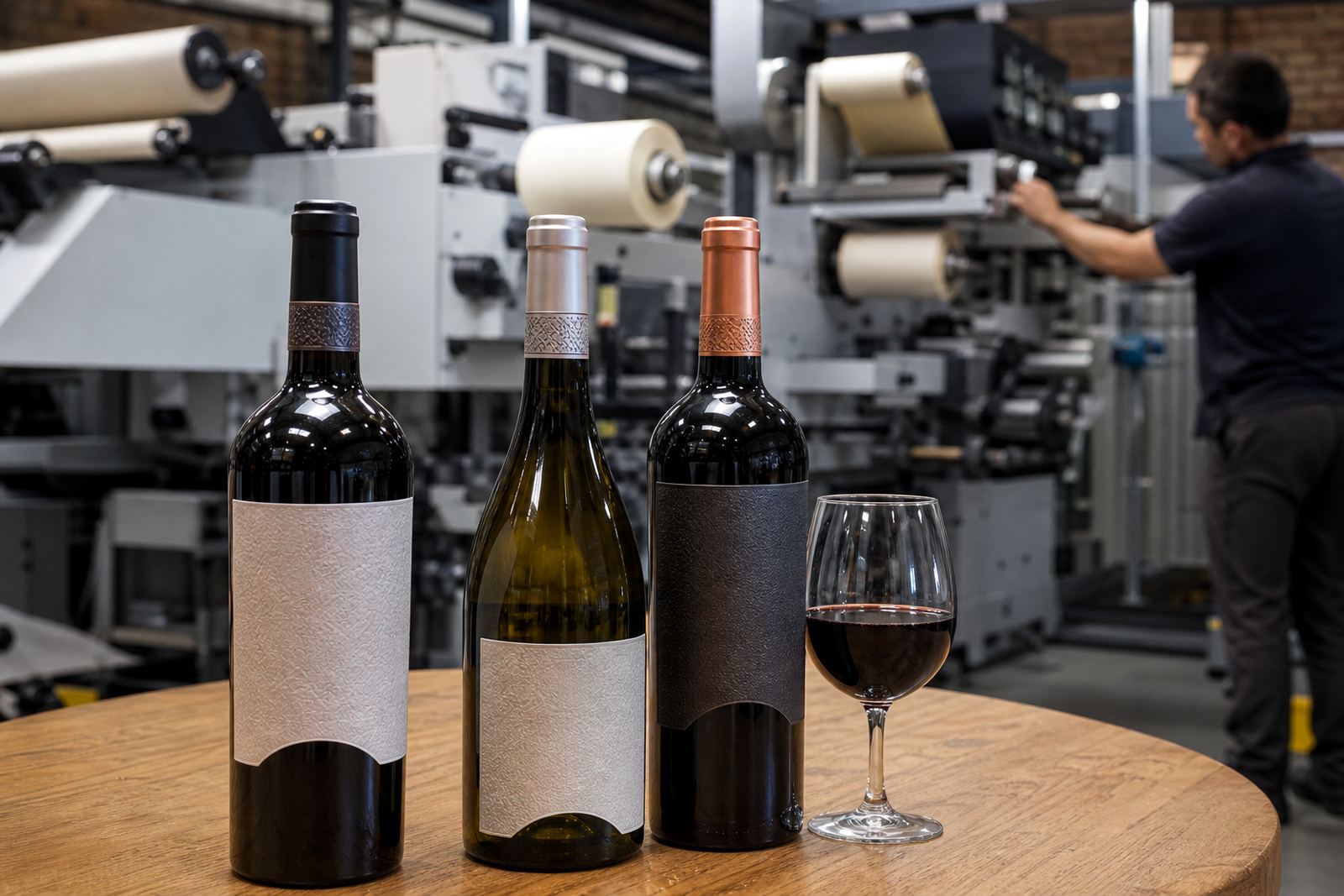
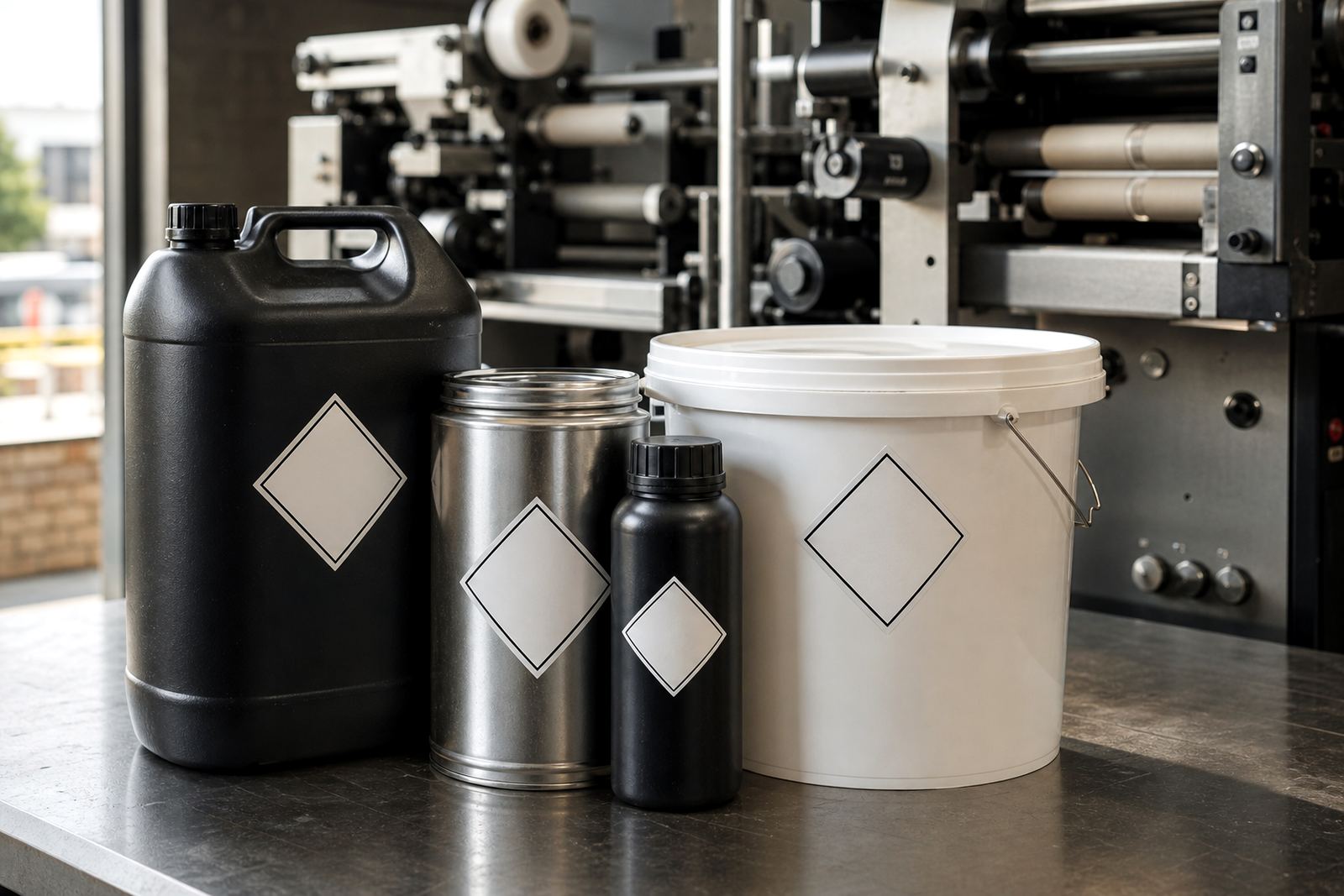
Chemical labels are used on drums, pails, jerry cans, bottles and shrink sleeves where legibility matters from the first print run to the last pallet. In industrial settings, the label often carries product name, hazard wording, batch details, storage instructions and handling information, so registration, ink adhesion and finishing all matter. A label that scuffs, curls or lifts at the edges can create problems for warehouse staff, transport teams and end users.
For converters in Kempton Park, Johannesburg, Pretoria and the rest of Gauteng, the usual challenge is balancing speed with consistent output. Some orders are short and urgent, others run across several SKUs with different artwork, containers and pack sizes. The press line and finishing setup needs to handle that mix without constant stoppages, because even a small delay can throw off dispatch and customer delivery windows.
Typical Press And Finishing Setups For Chemical Labels
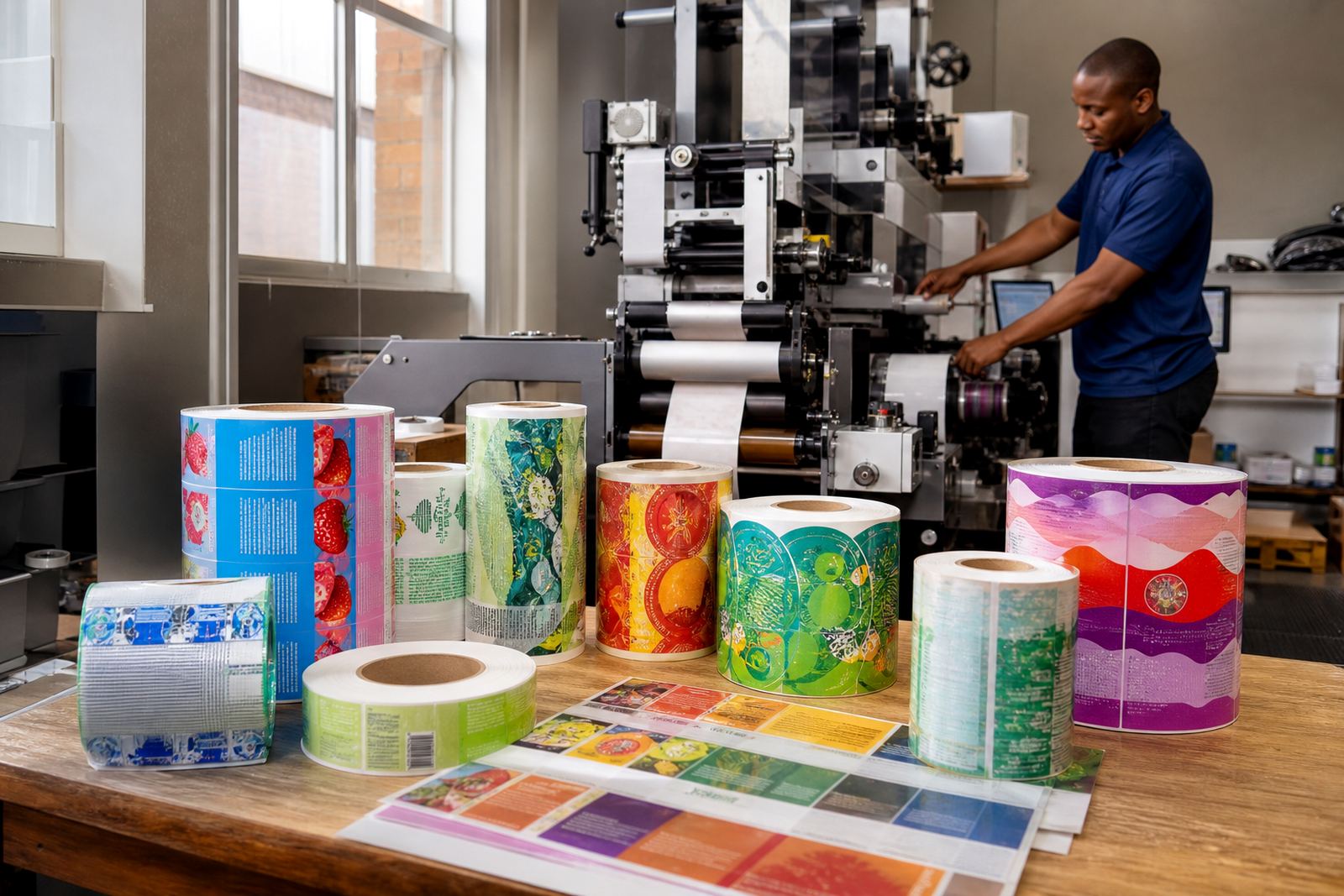
A narrow-web flexo press is often suited to this work because it can handle label rolls efficiently and produce clean print on a range of substrates. For chemical labels, converters usually work with substrate choices that match the container surface, the expected handling and any moisture or chemical exposure. The right setup is not only about the press itself, but also the unwind, rewind, web control, curing method, die-cutting and finishing line.
- Press setup for consistent colour and repeatable registration
- Plate mounting support for fine text and warning panels
- Finishing setup for slitting, sheeting or roll delivery
- Adhesive and substrate checks for plastic, glass or coated containers
- Support for overprint areas, batch coding and variable details
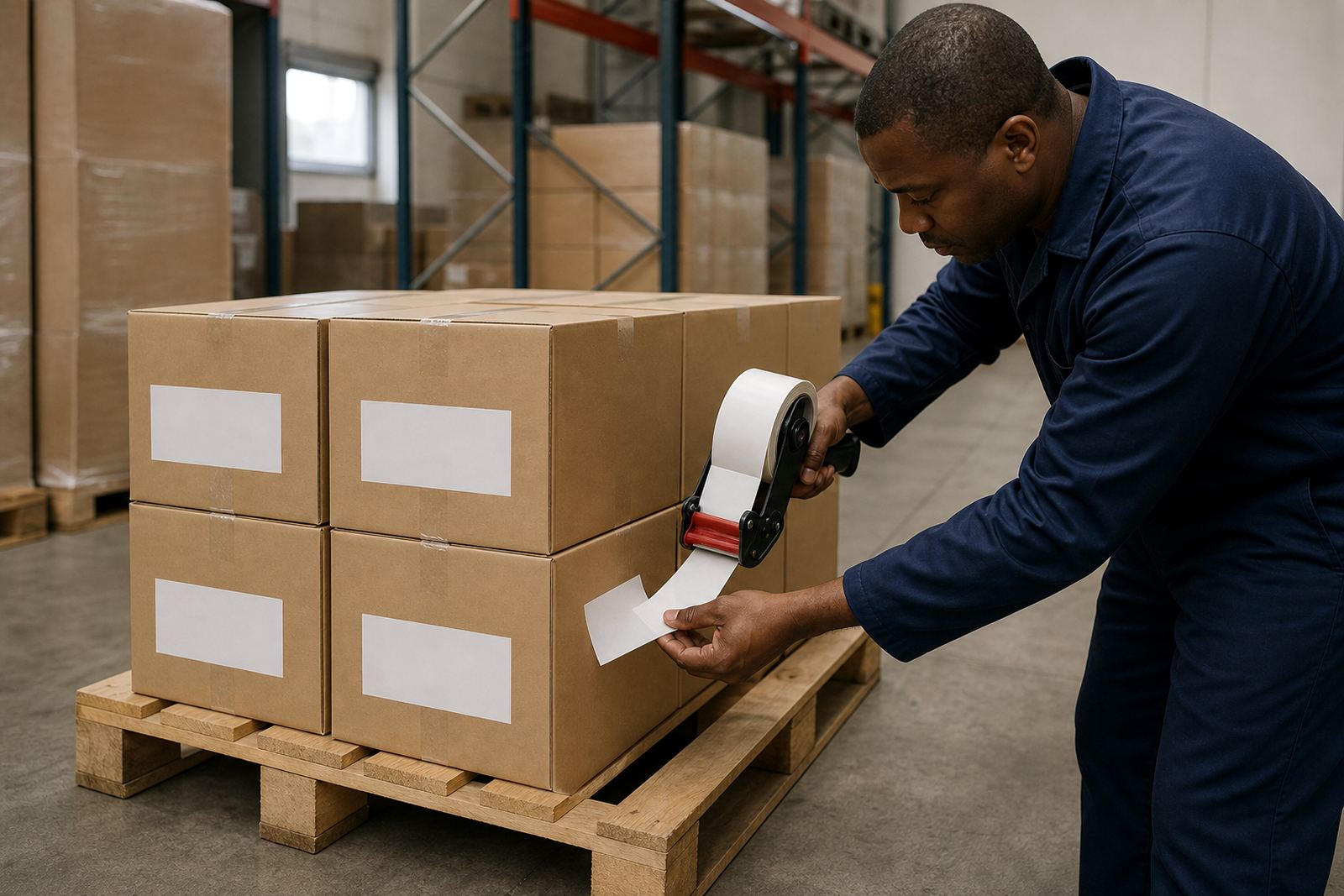
Where chemical products move through cold stores, humid coastal depots or busy distribution centres, the converter also needs to think about how labels behave after application. Finishing should leave clean edges, secure winding and labels that release properly during packing. If the label stock is too stiff or the adhesive is not matched to the container, the result can be lifting, tunnelling or poor layflat.
Planning Artwork And Press Layout Before The First Run
Good planning saves time and waste. For chemical labels, the artwork should allow for safety information, product identifiers, barcodes and any local compliance wording without crowding the design. If the container has a curved surface or a small face panel, text size and panel placement need to be checked before the order goes to press. Small type that looks fine on screen can become difficult to read once it is printed and applied.
Converter teams should also check how many colours are really needed, whether the label will need a varnish or protective finish, and where the die line sits on the web. A practical layout helps the operator keep the run stable and reduces setup waste. In many cases it is worth planning for a little extra trim or margin, because chemical labels are often handled by gloved hands and packed in a hurry.
- Confirm the container shape before approving the label size
- Allow space for codes, warning text and barcode placement
- Check whether the label will face water, oil or cleaning chemicals
- Set realistic waste allowances for setup and changeovers
- Keep repeat jobs stored with clear notes on plates, inks and finishing settings
Common Mistakes On Industrial And Chemical Labels
One of the most common mistakes is choosing the wrong material for the container or environment. A label that works well on a dry carton may not behave the same way on a moulded plastic drum or a chilled container. Another common issue is underestimating the effect of handling. Labels on chemical products are often touched during filling, stacking and transport, so the print and finish need to stay intact.
It is also easy to miss small production details that become expensive later. Poor plate mounting can create uneven print. Loose web tension can cause drift on long runs. A rushed finishing setup can leave poor reel edges or inconsistent cut depth. In some plants, labels are approved without enough test application, then the team discovers the release liner is awkward to work with or the label does not sit flat after application. That kind of trouble is avoidable with proper setup and a short trial run.
For Durban and Gqeberha especially, coastal humidity can affect storage and application, so stock should be kept dry and flat. Load shedding can also interrupt production planning, so converters need sensible restart procedures, backup checks and a clear plan for changeover after power cuts. If the line is restarted too quickly, it can lead to waste, poor tension or misalignment.
Setup, Training And Support For Conversion Teams
Many chemical label projects need more than machine supply. A converter may need press installation, commissioning, operator training, startup production support and follow-up maintenance to keep the line producing reliably. That matters in Johannesburg, Pretoria, Centurion and the East Rand where production teams often run mixed jobs and need quick handover between shifts. The goal is to help the press team understand the setup, not just start the machine once.
Training should cover practical matters such as web threading, basic fault finding, plate handling, anilox care, finishing setup and how to judge print quality during a run. For smaller teams, remote support can help with troubleshooting between service visits. For busier plants, preventive maintenance and spare parts support reduce downtime and keep the press in usable condition. The point is simple, when the machine is set correctly, the labels come off the line in a better, cleaner state.
- Press commissioning for new or relocated equipment
- Operator training for day shift and night shift teams
- Breakdown support and remote fault assistance
- Preventive maintenance schedules for steady output
- Plate mounting help and finishing checks for repeat jobs
Budget Ranges For Chemical Label Production Projects
Budgets vary by label size, substrate, print complexity, finishing requirements and production volume. A simple chemical label job with straightforward artwork and basic finishing will sit in a very different range from a multi-SKU order with special varnish, precise registration and extra handling steps. For planning purposes, converters often need to look at three parts of the spend: the press and setup side, the finishing side, and the ongoing support required to keep production steady.
As a rough working guide, setup and support projects can range from smaller service jobs in the low tens of thousands of Rand to larger installation and commissioning work that runs much higher depending on the line, site conditions and scope. Ongoing maintenance, training and spare parts planning should also be budgeted separately so the plant does not treat support as an emergency cost every time there is a stoppage. For chemical labels, it usually costs less to get the setup right than to keep correcting the same production problem.
At Spartan, Kempton Park, the focus is on helping label converters choose practical setups for the South African market. Whether the job is for a local distributor in Pretoria, a container packer in Durban or a converter serving customers in Cape Town and Gqeberha, the same basics apply: clear print, correct materials, sensible planning and steady production support.