When Promotion Labels Need Fast Turnaround
Promotion labels are usually the jobs that arrive with the tightest lead time. A retailer may need a summer flavour change, a festive pack, or a short run for a store campaign, and the converter has to move from quote to print without losing colour consistency or finishing quality. In Kempton Park and across Gauteng, that often means planning around short notice artwork changes, stock holding on substrate and the practical side of shift work when a line must run after hours.
These jobs suit narrow-web flexo label presses because they are designed for efficient setup, repeat work and tidy finishing on smaller label formats. For promotion labels, the main aim is to keep waste low and registration steady while still producing a sharp result on shelf. That matters whether the labels are going to a cosmetics range in Johannesburg, a food pack in Pretoria, or a retail special in Durban where humidity can affect storage and handling.
Typical Press Set-Up For Seasonal Runs
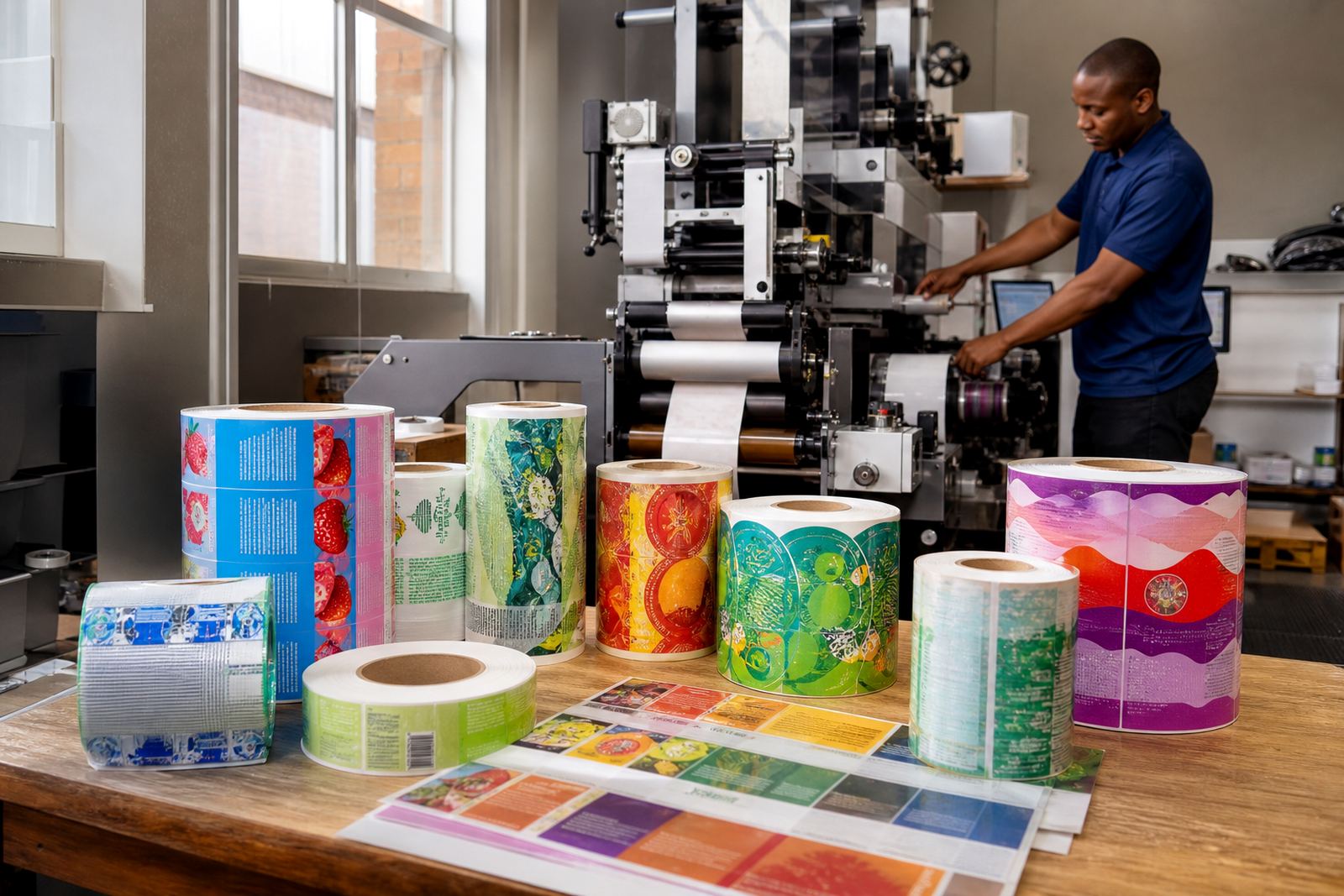
Promotion labels are often printed on narrow-web flexo presses with an arrangement that supports quick changeovers, accurate registration and stable ink laydown. The exact set-up depends on the label shape, the material, and how much finishing is needed after printing. If the job includes multiple versions for the same campaign, planning the press layout early helps avoid delays on press day.
- Simple one or two-colour price labels for short retail promotions
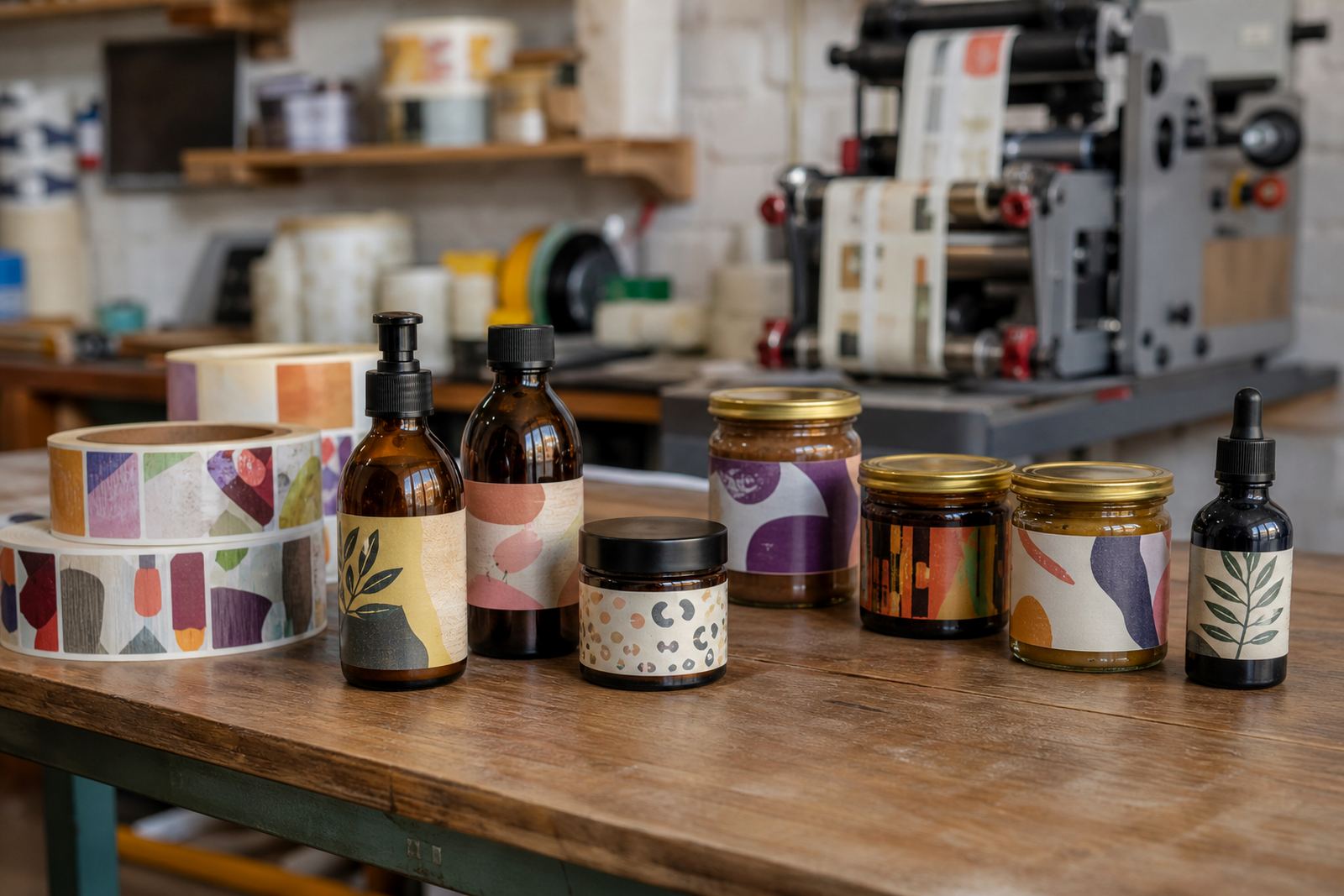
- Full-colour labels for food, beverage, cosmetics and gift packs
- Short runs with variable text, barcodes or batch information
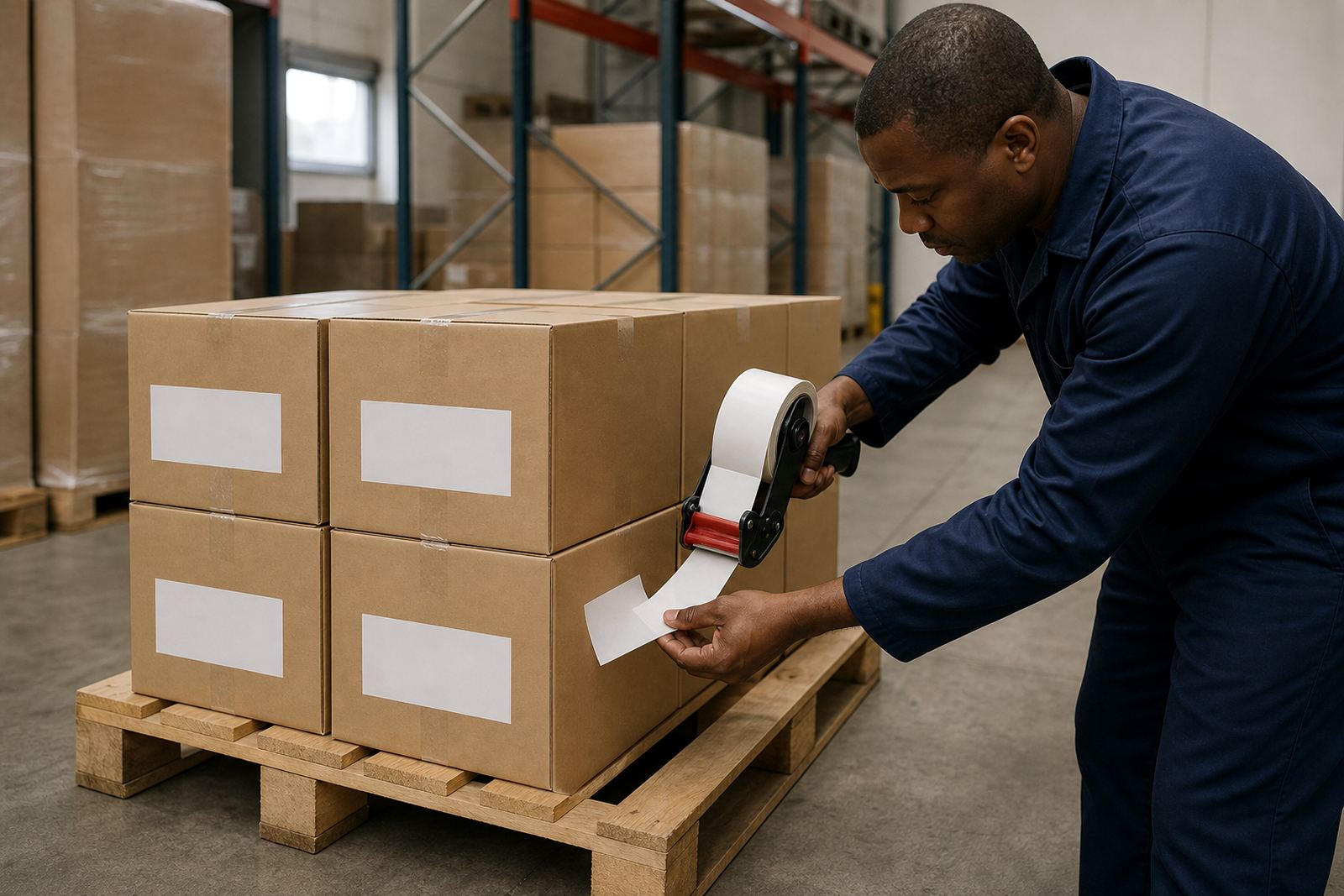
- Jobs needing die-cutting, slitting or rewinding after print
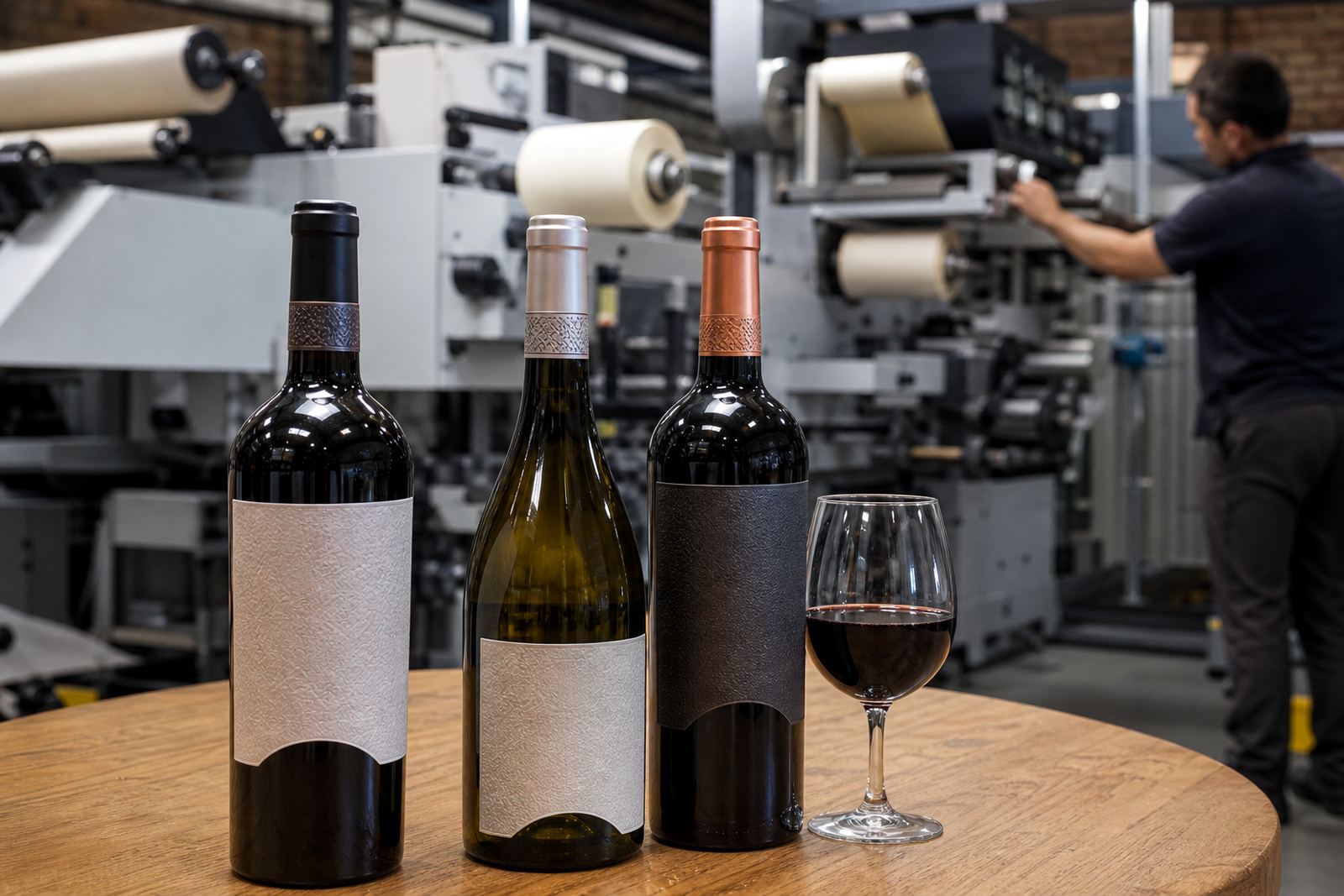
- Labels with matt, gloss or spot finish for shelf impact
We advise converters to confirm the substrate, adhesive type and finishing sequence before production starts. If the label must survive chilled storage or transport through humid coastal conditions in Cape Town or Gqeberha, the material choice and drying plan need to suit that environment from the start.
Layout And Planning Advice Before You Go On Press
Promotion labels work best when the layout is built for speed and repeatability. Keep the artwork simple where possible, place variable details where they can be checked quickly, and avoid overcomplicating the trim line. A neat layout reduces make-ready time and makes it easier for the operator to keep each version consistent across a mixed batch.
For converters, the practical planning points are simple. Check whether the promotion is a once-off or likely to repeat next quarter, confirm if the customer wants the same size for multiple SKUs, and make sure the finishing sequence matches the final pack line. If a label will be applied by hand in a small factory or by machine in a high-volume plant, the format should suit that method from the start.
- Allow enough margin around artwork for cutting and registration
- Keep barcode placement clear and easy to scan after finishing
- Match adhesive and face stock to the pack surface
- Test overprint areas before approving the full run
- Plan storage so printed stock is not exposed to heat or dust
Finishing Choices That Make A Promotion Stand Out
Finishing is often what separates a basic promo label from one that gets noticed on shelf. A clean die-cut edge, controlled varnish, or selective finish can help the pack stand out without making the job difficult to run. For short campaigns, the converter should choose finishing methods that can be repeated quickly and checked easily, especially when the same artwork must be applied across different pack sizes.
We help with finishing setup for labels that need slitting, rewinding, overlaminating, plate mounting help and production advice around special effects. The right setup is important because promotion labels often move fast through dispatch and there is little room for rework. If a label is heading to a supermarket promotion in Johannesburg or a limited cosmetic run in Centurion, the final finish has to look tidy when the pack reaches the shelf.
Common Mistakes That Slow A Promo Job Down
Most delays on promotion labels come from avoidable planning errors rather than the press itself. Artwork that changes at the last minute, poor communication about pack size, and missing finishing details can all add waste and frustration. In some cases the job is approved without checking how the label behaves on the actual pack, which leads to lifting corners, poor adhesion or an uneven final look.
Another common issue is underestimating the extra time needed for changeovers on a narrow-web line when a promotion includes several variants. If the converter has not allowed for colour matching, plate handling and finishing setup, the run can lose pace very quickly. This is where practical support from an experienced team helps keep the job moving and avoids unnecessary stoppages.
- Using the wrong adhesive for chilled or handled packs
- Ignoring moisture, dust or temperature changes in storage
- Approving artwork without checking scan quality and legibility
- Adding too many finishes for a short run budget
- Leaving operator training until after production starts
Budget Ranges In Rand For Promotion Label Projects
Budgeting for promotion labels depends on run length, material choice, finishing and how much changeover work is involved. A small campaign label can stay within a modest production budget if the layout is straightforward and the finishing is kept simple. Once the job includes multiple versions, special finishing or repeated reprints, the spend rises because setup time and material handling increase.
As a guide, converters should budget for the full production chain rather than only the print run. That means press setup, plates where needed, finishing setup, wastage allowance, and any operator training or startup support. For businesses in South Africa that need promotional labels on a regular basis, it often makes sense to compare the cost of a one-off short run against a repeatable setup that can be used again for the next campaign. We support customers from Spartan, Kempton Park and through Johannesburg, Pretoria, Durban, Cape Town and Gqeberha with installation, commissioning, training and breakdown support when a job cannot wait.
Support For Label Converters Across South Africa
Promotion labels are time-sensitive, so practical support matters. We work with label converters who need help with press installation, commissioning, operator training, startup production support, preventive maintenance and remote support when a production issue appears during a campaign run. Our team also assists with anilox care, plate mounting help, spare parts support and production consulting for converters balancing seasonal demand with normal production work.
From our base in Spartan, Kempton Park, we support operations across the East Rand, Johannesburg, Pretoria, Centurion, Durban, Cape Town and Gqeberha. Whether the job is a supermarket price sticker, a short promotional sleeve or a limited edition label set, the same principle applies: plan the run properly, keep the finishing simple where possible, and make sure the press is set up to deliver clean labels on time.