Why short-run label work needs a different approach
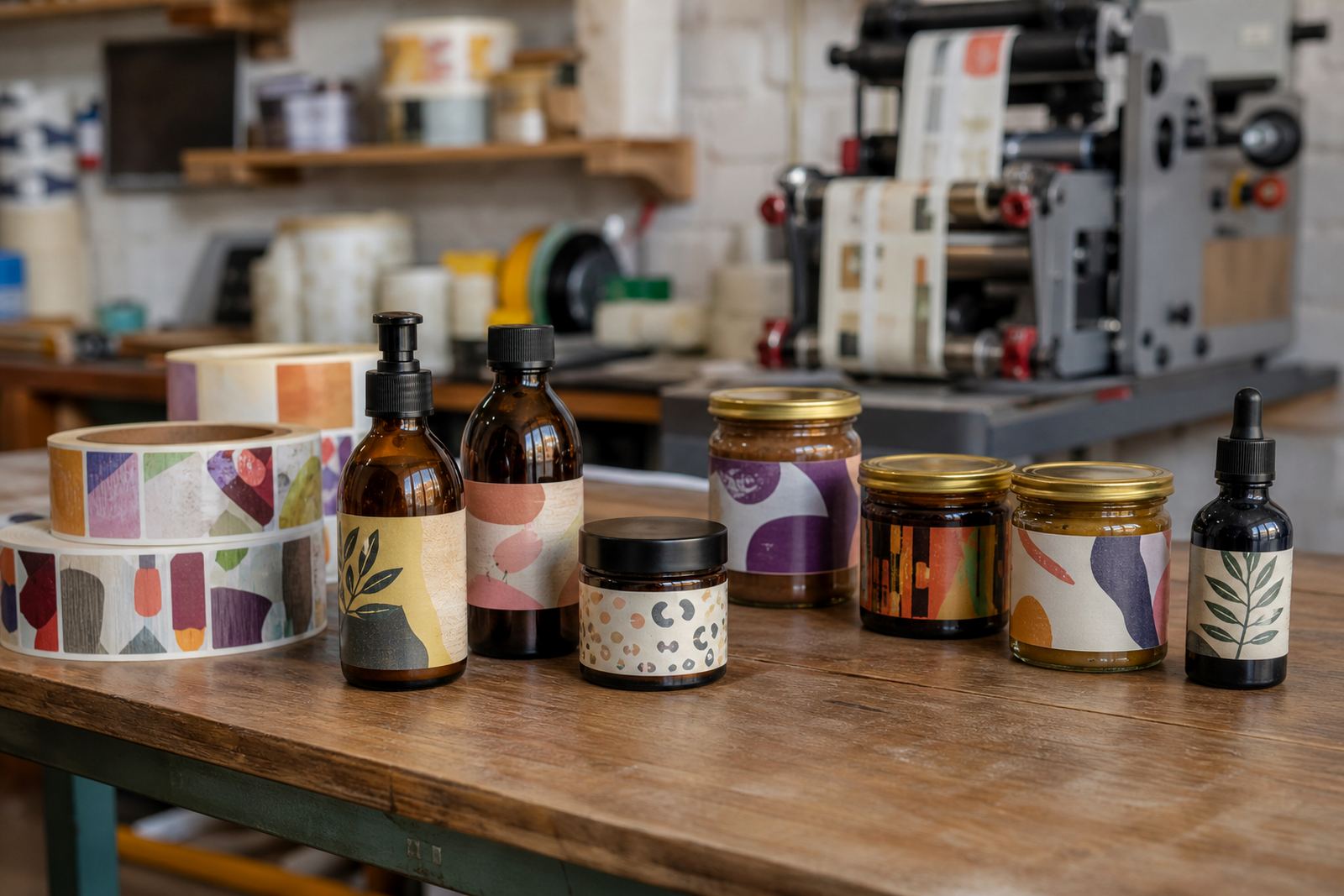
Craft labels are rarely high-volume repeats. They often change by flavour, scent, pack size or season, and the print run may need to move from one substrate to another without wasting time or material. For a converter in Kempton Park, Johannesburg or further afield, that means the press has to be set up for quick changeovers, accurate registration and steady output even when the order list is full of smaller jobs.
In this space, the main pressure points are usually waste control, ink consistency and finishing that still looks neat on shelf after transport, handling and storage. Labels for food, drinks, cosmetics and premium retail packs must hold up in cold rooms, humid conditions and daily use. A small mistake in setup can show up fast on a short run, so planning matters from the start.
Typical equipment set for craft label production
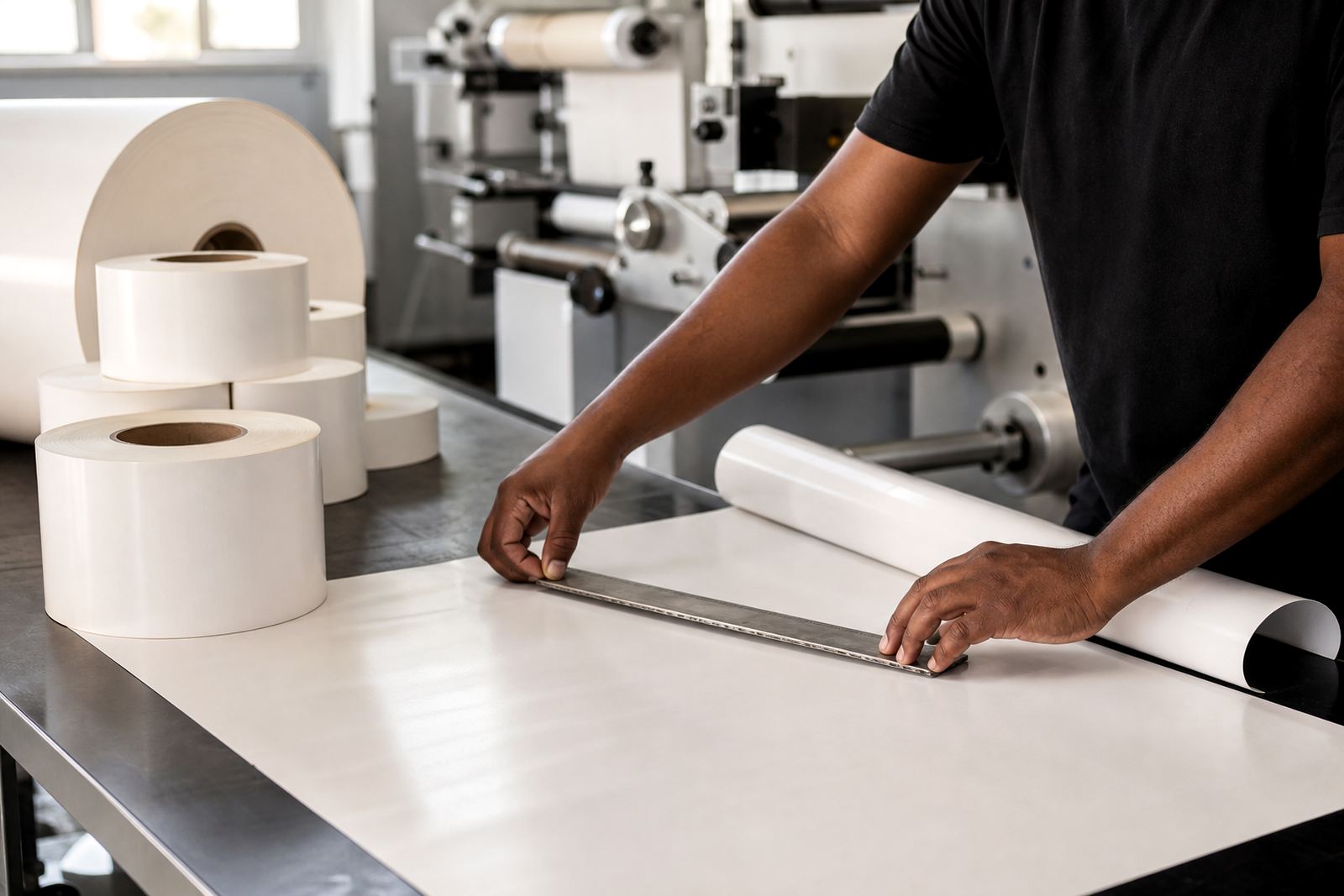
Most craft label projects start with a narrow-web flexo press matched to the work you want to produce. The press itself is only one part of the line. You also need the right support equipment for setup, inspection and finishing so the job can move from first print to packed rolls without drama.
- Narrow-web flexo label press suited to short and medium runs
- Plate mounting support and practical registration setup
- Anilox care tools and cleaning routines for consistent ink transfer
- Web handling and rewind support for tidy roll finishing
- Finishing setup for slitting, die cutting or other label conversion stages
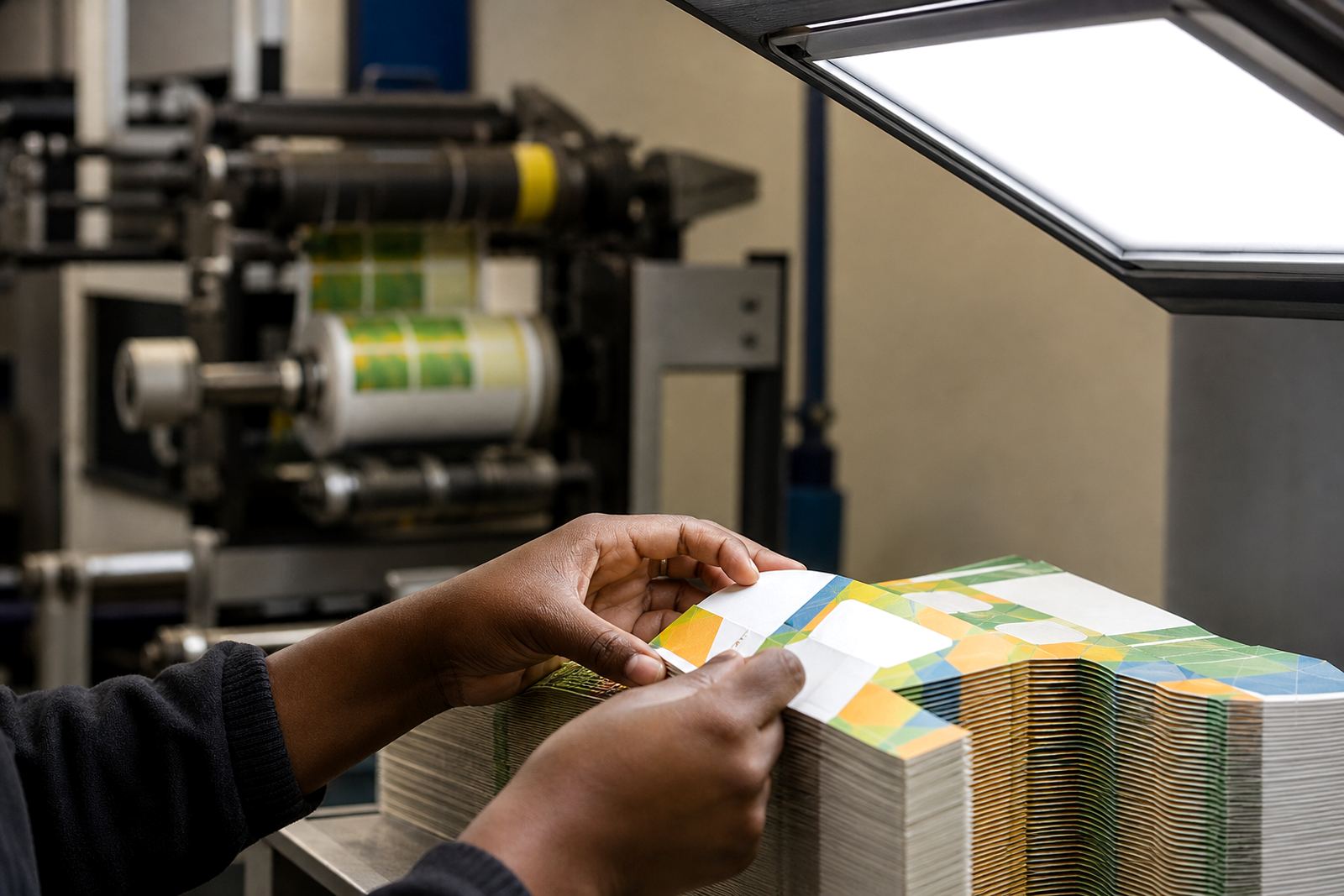
- Basic inspection and quality checks for repeat jobs
If your work includes special finishes, it helps to plan that from the start. Even simple changes like a different film, adhesive or liner can affect tension, drying and the final roll build. We help converters match the press setup to the label format, not the other way round.
Planning the floor space and job flow properly
Small label runs can still need a fair amount of room once you add reels, plates, inks, finishing and finished stock. In Spartan, Kempton Park, many businesses work in compact industrial units, so the layout has to keep movement short and practical. The cleanest setup is the one where the operator can load, print, inspect and finish without crossing paths or stacking material in the wrong place.
Good planning also helps with power interruptions and day to day production pressure. If you are running in an area affected by load-shedding, it is worth thinking about controlled shutdowns, restart time and which parts of the line must come back up first. That same thinking applies to coastal operations in Durban or Cape Town, where humidity and storage conditions can affect substrates and adhesive behaviour. Keep raw material, finished rolls and consumables in clearly marked areas so jobs do not get mixed up.
- Allow space for material staging on both sides of the press
- Keep a clear route for finished rolls to move to finishing or packing
- Store plates, inks and cleaning items close enough for fast access
- Separate rework, waste and approved stock
- Plan where operators can check registration and finish quality without slowing the line
Common mistakes on craft label jobs
Many short-run problems are not caused by the press itself but by rushed setup or poor process control. A converter may be tempted to keep going when colours are not quite right, or to use the same setup for very different substrates. That usually costs more in waste than the time saved.
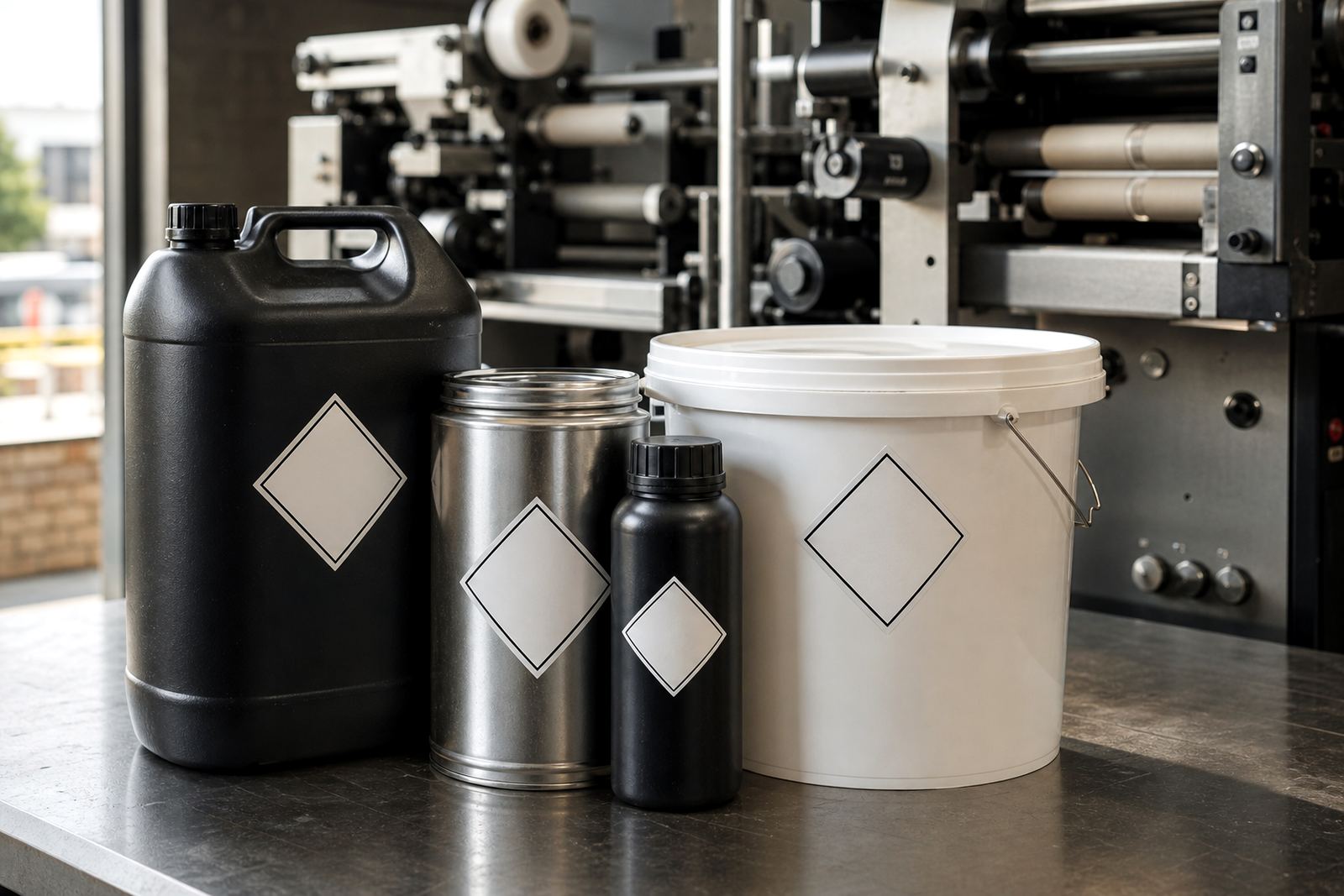
Other common issues include plate damage, uneven tension, poor anilox care and finishing that is not matched to the print speed. When a label job is moved from one range to another, such as from premium cosmetics to food jars, the details change. Adhesive choice, roll diameter, drying time and trim width all need checking. A small miss here can cause wrinkles, edge lifting or rolls that do not feed well on the client side.
- Starting production before the registration is properly checked
- Using the wrong plate mounting method for the job type
- Ignoring substrate change effects on ink laydown
- Skipping anilox cleaning between similar but different jobs
- Overlooking finisher setup and roll tightness
Budget ranges to plan for in Rand
Budgeting for craft label production support depends on whether you are starting from scratch, expanding a room or fixing an existing line. A new narrow-web flexo press installation is a different exercise from commissioning an existing press or improving finishing. We keep budget conversations practical, with the focus on what the converter needs to get into production and stay there.
For South African label converters, planning often starts with these broad areas: press installation and commissioning, operator training, finishing setup, maintenance planning and parts support. Smaller support projects can be kept tighter if the machine is already in place and only needs setup help. Bigger projects may need more time for layout adjustments, test runs and production consulting. It is better to budget for a proper start than to keep paying for waste, downtime and rework later on.
As a working guide, clients usually plan separate allowances for transport, installation labour, training time and any parts needed to bring the line into service. The exact Rand figure depends on the machine condition, the site layout and the level of support required, so the most useful step is a site review and a clear scope before work begins.
How our support helps label converters stay productive
Flexography Printer supports label converters from Kempton Park across Johannesburg, Pretoria, Durban, Cape Town and Gqeberha, with help also available for East Rand and Centurion operations. Our team works with press installation, commissioning, operator training, startup production support, preventive maintenance, breakdown support, remote support, spare parts support, anilox care, plate mounting help, finishing setup and production consulting.
For craft label work, that means you get support that is aimed at the real production issues on the floor. Thabo Mokoena leads the business from Spartan, with Aisha Patel handling sales, Johan van der Merwe on technical work, Lerato Ndlovu coordinating training, Sibusiso Khumalo on service, and Megan Naidoo supporting clients day to day. When a label range changes or a line is not holding speed, we help get the process back into order without wasting the shift.
A practical path for small label ranges to grow
Many craft label businesses begin with a few repeat products and then grow into more SKUs as their customers add flavours, scents or pack sizes. The smartest next step is usually not more speed, but better control. That means stable setup, simple changeovers, accurate finishing and operators who know how to keep the line running when conditions change.
If you are planning a new range or improving an existing one, start with the press, then look at finishing, storage and maintenance. Once those parts work together, short-run label production becomes easier to plan and easier to quote. Clients can reach us through the enquiry form on our contact page, and we can help map the right support for your site and your job mix.