When Security Labels Need Tight Control
Security labels are used when a product must show if it has been opened, copied or moved without permission. That can include tamper-evident seals, void patterns, product authentication labels, warranty labels and controlled packaging for regulated goods. In practice, the converter needs a press line that can hold registration, print fine detail clearly and keep finishing consistent across the run.
For many customers in Johannesburg, Pretoria, Durban, Cape Town and Gqeberha, the challenge is not only print quality. It is also keeping the layout readable on small labels, managing adhesive selection for different surfaces and making sure finishing steps such as slitting, matrix removal and rewinding do not damage the security feature. Spartan humidity, coastal moisture and dusty warehouse conditions can all affect the result if the process is not planned properly.
Typical Press Setups For Security Work
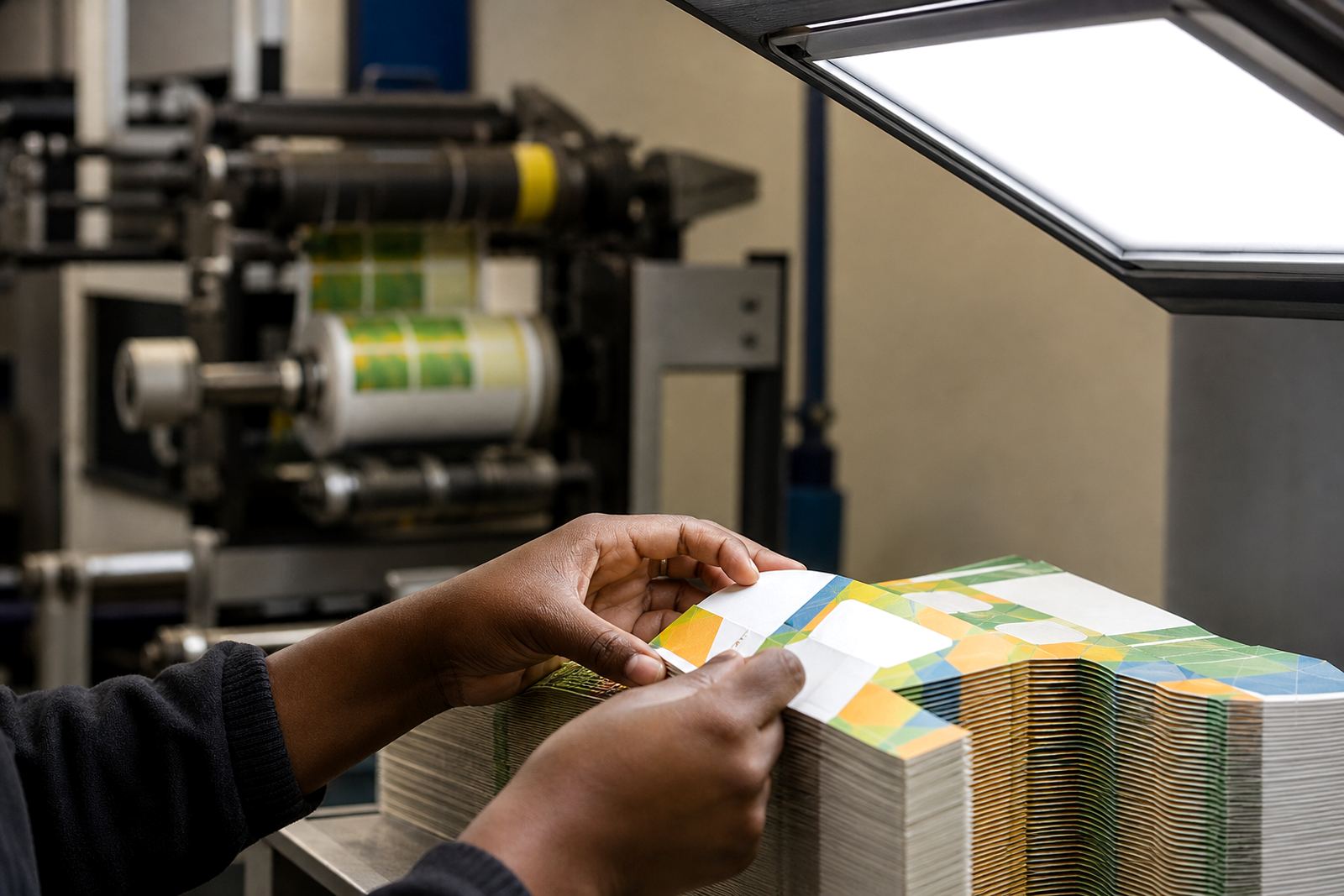
Narrow-web flexo label presses suit this work because they handle repeat jobs well and give the converter control over each station. The exact press size and configuration will depend on the label format, substrate and finishing method, but most security label lines need careful setup for ink transfer, tension, drying and inspection. If the job includes variable data, barcode areas or fine microtext, the pressroom must keep a stable setup from make-ready through to full production.
At Flexography Printer we support label converters with press selection guidance, installation and startup production support. That includes helping the team plan the workflow around the actual job mix, whether the work is mainly short runs for product authentication or larger repeat orders for packaging and logistics labels. For many operations, the best results come from a simple process with fewer changeovers and clear responsibility at each stage.
- Press installation and commissioning for new lines
- Operator training for make-ready, registration and quality checks
- Finishing setup for slitting, rewinding and roll handling
- Preventive maintenance and breakdown support
Layout Planning That Protects The Security Feature
Good security label planning starts with the label face, not the artwork alone. The converter needs to decide where the tamper indication sits, how the authentication mark appears and what happens when the label is peeled, lifted or scanned. If the design includes hidden copy lines, sequential numbering or a destructible element, the layout must allow for accurate repeat length and clean finishing.
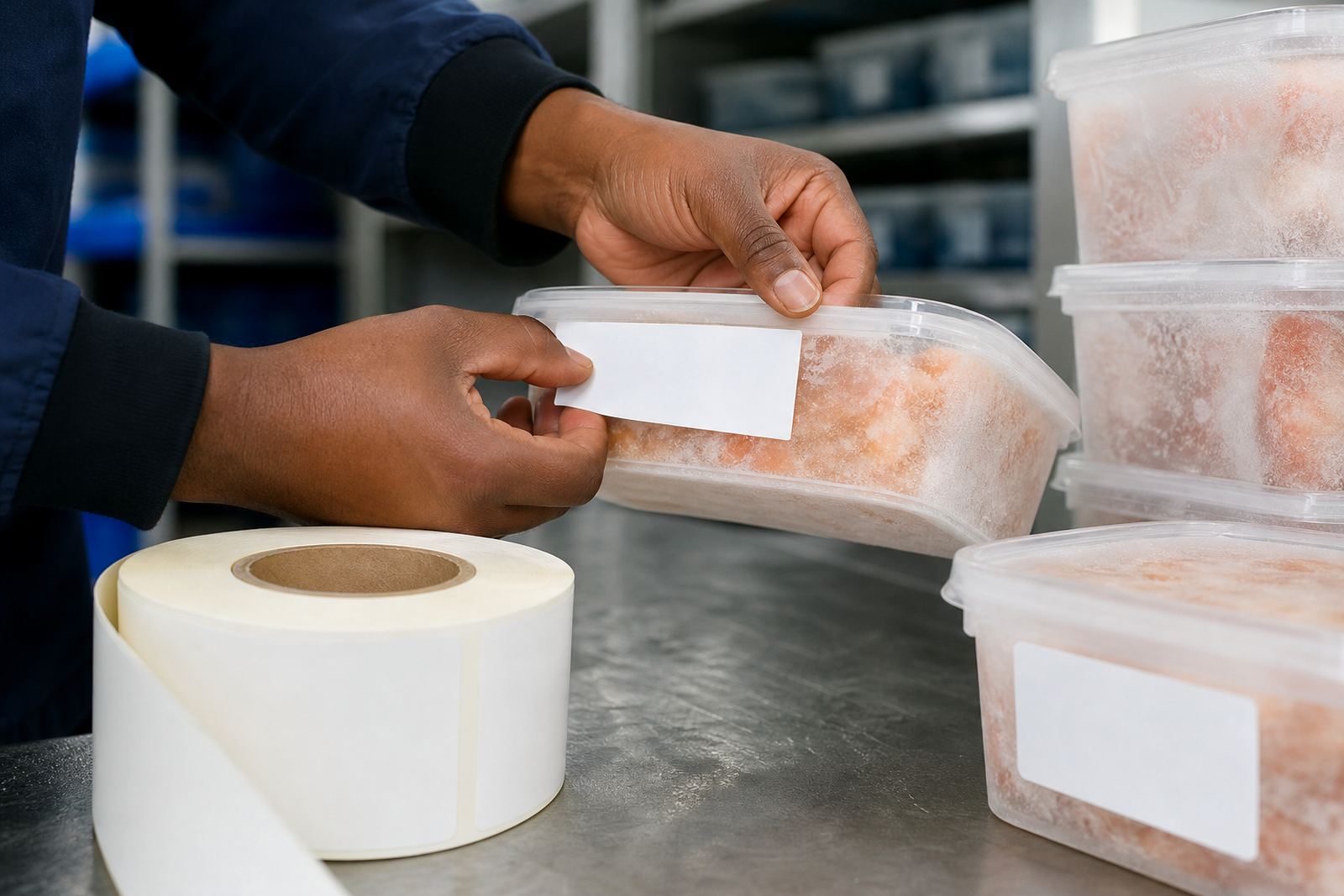
It also helps to plan the label around the end user, because a label that is fine on the press can still fail in the field. For example, labels applied to chilled packs, glossy bottles or textured cartons may need different adhesives and a different application direction. If the customer stores product near the coast or in uncooled stockrooms, moisture resistance becomes part of the planning and not an afterthought.
- Keep critical text away from trim edges and slitting lines
- Allow space for inspection marks, codes and batch information
- Match the adhesive to the surface and storage condition
- Test application on the final pack before full production
Finishing Choices That Support Tamper Evidence
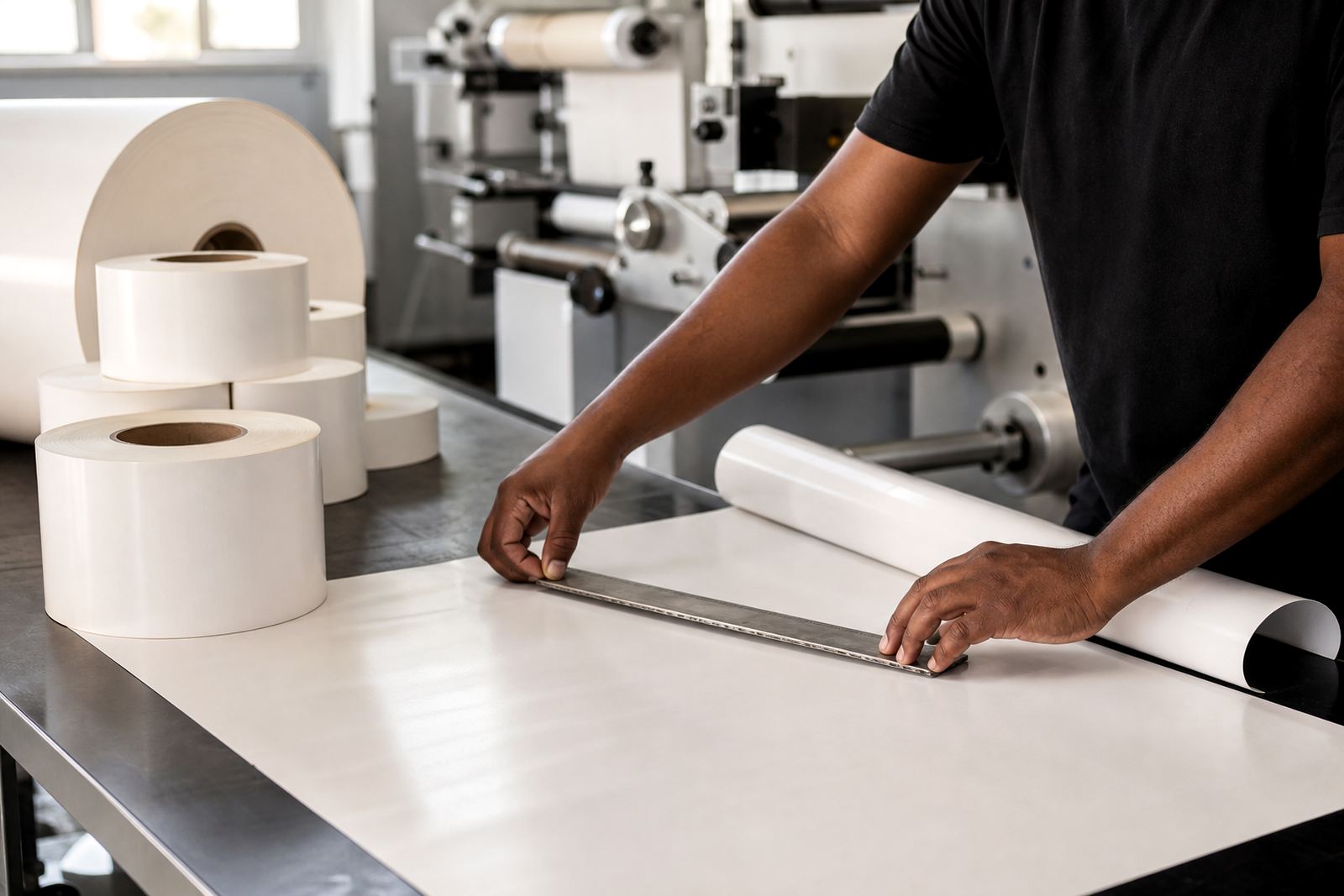
Finishing can make or break a security label. A neat print job will still fail if the slit edge lifts, the rewind is uneven or the adhesive behaves badly at application. That is why finishing setup matters as much as the print stations. Common finishing steps include slitting to width, rewinding for clean roll presentation, die cutting where needed and setting the label face so the security element remains easy to inspect.
Converters often underestimate how much handling damage can happen after print. If the label is too tightly wound, the edge may distort. If the matrix removal is not consistent, the label may pull or lift. If the pressroom is managing load-shedding, backup power planning must also account for dryers, rewinders and inspection equipment so the web does not stop at the wrong point and waste material.
For many South African converters, the best approach is to keep finishing simple and repeatable. That usually means solid operator habits, regular anilox care, proper plate mounting help and a tidy production area where dust and loose trim do not get back into the line.
Common Mistakes That Cost Time And Money
Security label work can become expensive fast when the setup is rushed. A small registration error can spoil a batch. The wrong adhesive can lead to lift-off, poor tamper evidence or complaints from the packing line. Some converters also try to run the same setup across every substrate, but paper, film and specialist label stocks behave differently on press and during application.
Another common issue is poor communication between sales, prepress and the pressroom. If the required finish, code area or tamper feature is not clearly defined before print, the operator ends up adjusting on the run and the job takes longer than planned. With label converters in Gauteng and along the coast, this can quickly turn into missed delivery windows and extra waste.
- Using the wrong substrate for the final pack or storage condition
- Ignoring change in adhesive performance during cold or humid weather
- Setting trim too close to security print areas
- Skipping a full application test before production
Budget Ranges For A Practical South African Setup
For budgeting, it helps to separate the press line from the supporting work. A converter looking at narrow-web flexo label production for security applications may need to plan for the press itself, installation, finishing equipment, training and ongoing support. Actual costs vary widely depending on the configuration, automation level and whether the operation is starting fresh or upgrading an existing line.
As a broad guide, setup budgets can range from about R850,000 for a basic production entry point to several million Rand for a fuller line with better finishing control, inspection and support equipment. Ongoing costs can include spare parts, maintenance visits, plate mounting help, anilox care and operator refreshers. It is usually better to budget for stable running costs than to chase the lowest purchase price and then lose money on waste or downtime.
Flexography Printer, based in Spartan, Kempton Park and serving label converters across South Africa since 2008, supports planning around real production needs. Thabo Mokoena, Aisha Patel, Johan van der Merwe, Lerato Ndlovu, Sibusiso Khumalo and Megan Naidoo work with converters on installation, commissioning, training and support so the line is ready for the work it must do.
Support Across South Africa For Security Label Converters
Security label production is often local in one sense and national in another. A converter in Kempton Park may print for a client in Durban, while a Cape Town plant needs the same kind of control for a different pack format. That is why responsive support matters. Our team helps with startup production support, preventive maintenance, breakdown support, remote support and spare parts support, along with production consulting when a job needs a better route through the pressroom.
If you are planning security labels for product authentication or tamper evidence, it pays to get the layout, press setup and finishing sequence sorted early. That reduces waste, protects the label's function and helps the production team keep control even when schedules are tight.
- Press installation and commissioning
- Operator training and startup production support
- Remote support for urgent job changes
- Finishing setup and production consulting