
What Supplement Label Jobs Usually Need
Supplement work tends to sit between retail packaging and pharmacy-style presentation. You may be printing labels for capsules, powders, protein blends, vitamins or herbal products, and the artwork often carries a lot of small text, dosage notes, batch details and regulatory wording. That means the press setup has to hold fine detail, keep type sharp and handle repeat orders without colour drift.
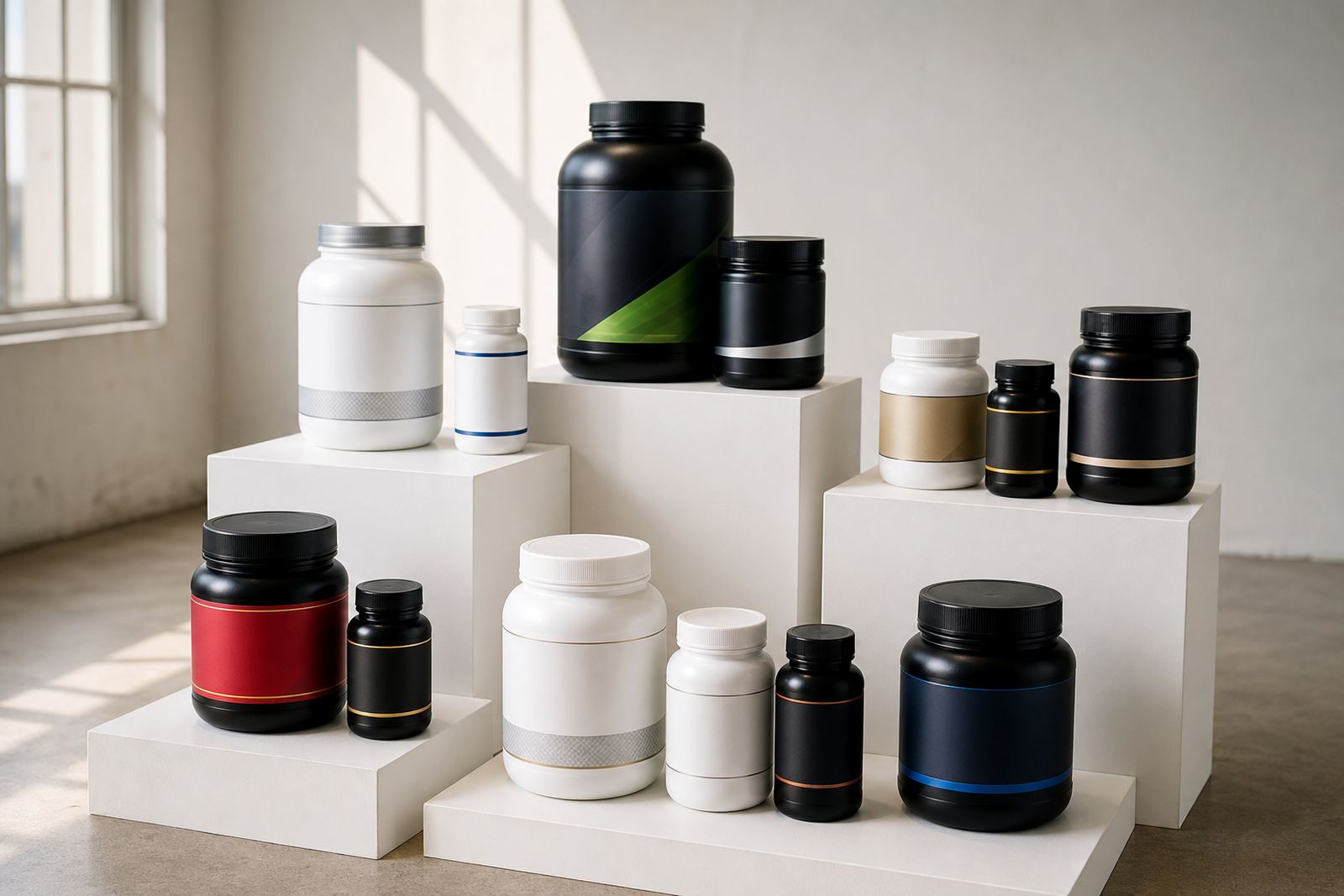
For jars and tubs, the label usually needs to wrap cleanly around a curved surface and stay flat at the edges. For cartons, the finish must look neat under store lighting and still survive handling in a warehouse, a cold room or a busy pick and pack line. In Gauteng, and along the coast, clients also need to think about humidity, label stock choice and adhesive performance so the label does not lift or wrinkle after packing.
- Short runs for new supplement ranges
- Mid-volume repeat jobs with same artwork
- Variable data for batch and expiry marking
- Multiple pack sizes for one product family
Typical Narrow-Web Press Setup For This Work
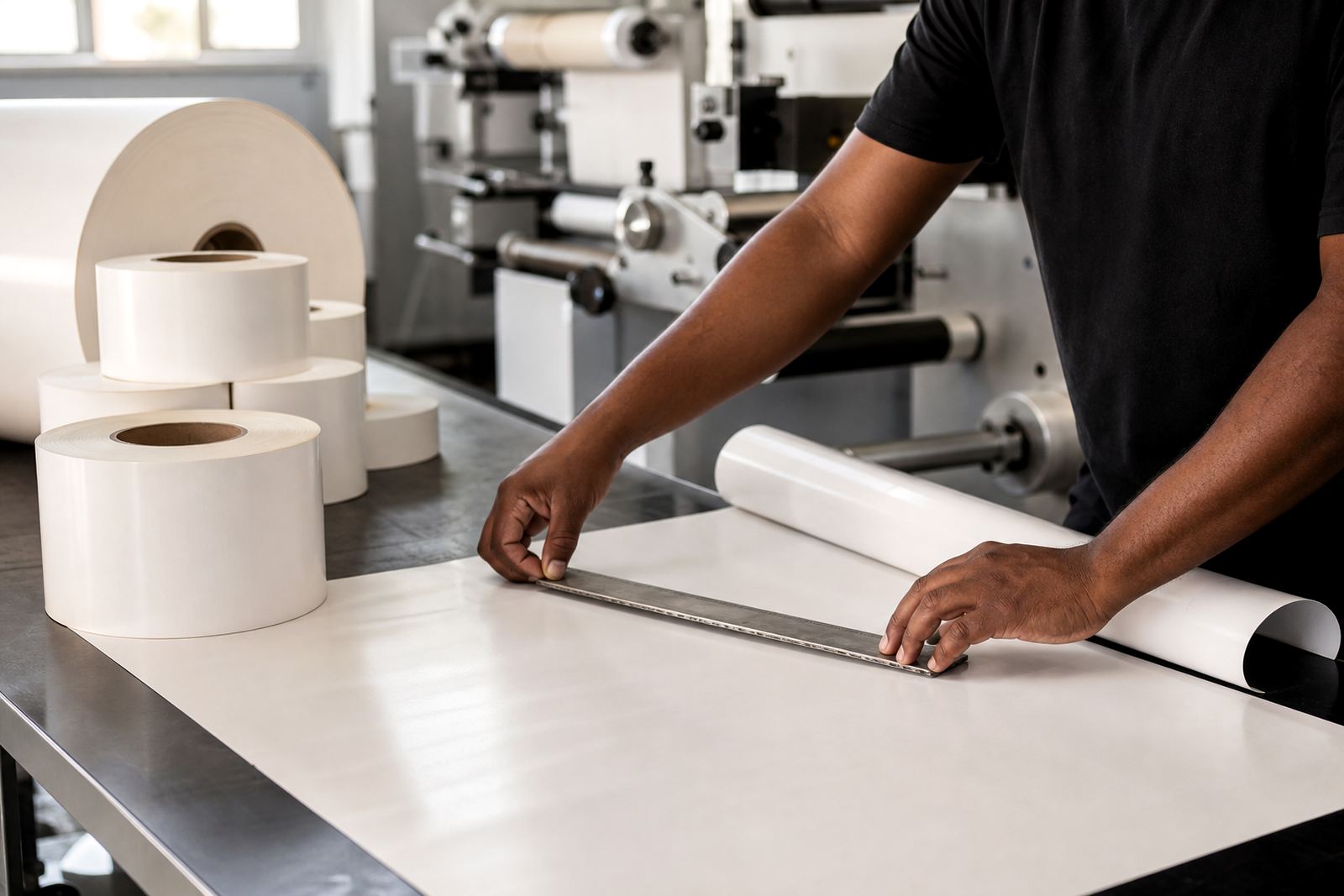
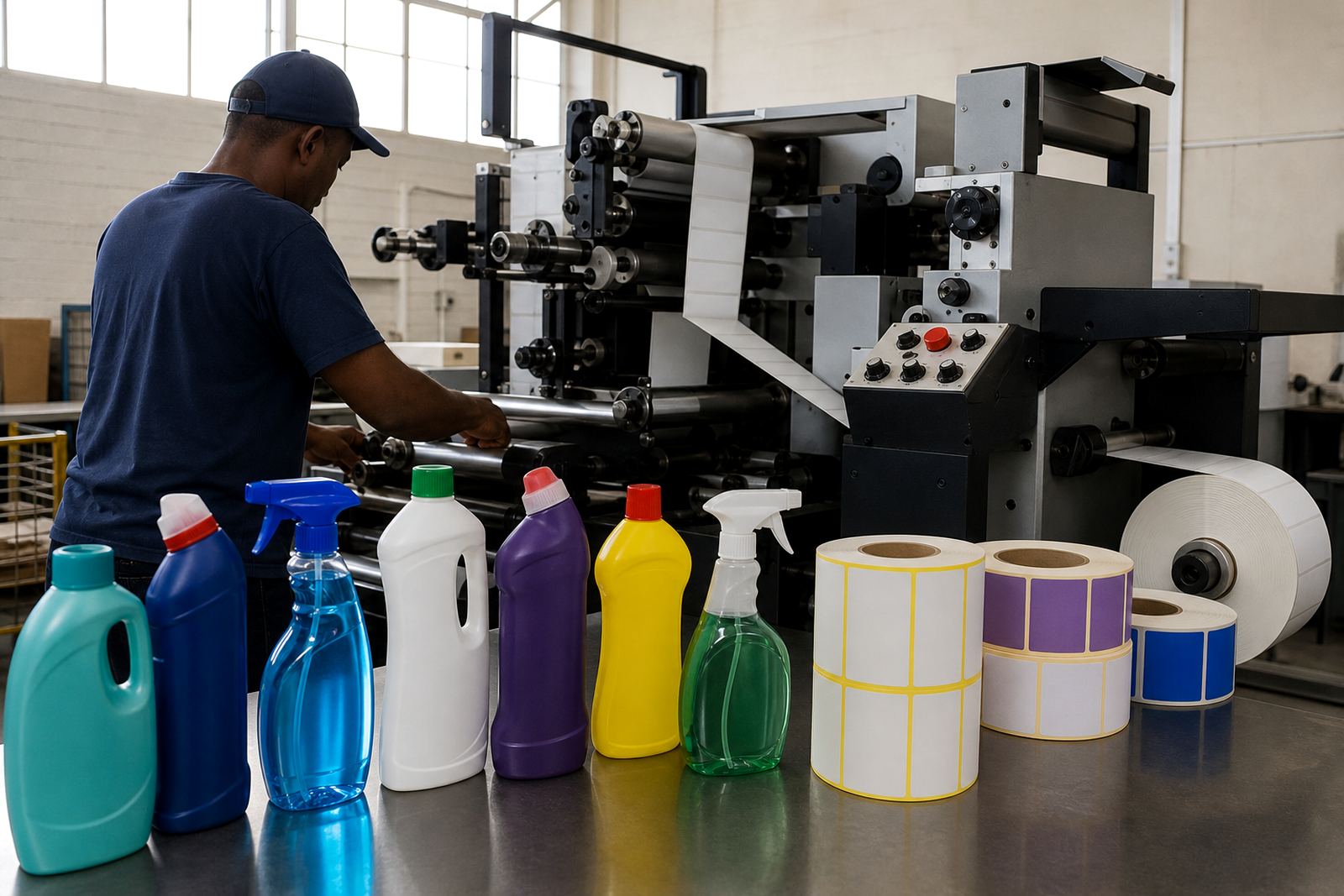
Supplement labels are well suited to narrow-web flexo label presses because these jobs often need efficient changeovers and reliable registration on smaller label formats. A practical line usually includes unwind and rewind control, print units for process and spot colours, drying for the chosen ink system, and finishing stations for cutting, varnishing or other label converting steps. The exact configuration depends on the stock, artwork and daily output target.
For converters serving Johannesburg, Pretoria, Durban, Cape Town and Gqeberha, the planning usually starts with the label face material and adhesive. Paper labels may suit dry goods and inner cartons, while film labels are often better where moisture, oil or handling are part of the job. Clear labels, textured stocks and metallic effects can all work, but only if the press setup, ink choice and finishing sequence are matched properly. We also look at whether the client needs inline finishing or a separate setup for special effects.
- Paper, film or synthetic label stocks
- Pressure-sensitive labels for jars and tubs
- Carton labels with clear print and code areas
- Finishing for die-cutting, slitting, varnish or lamination
Layout Planning That Makes Supplement Labels Easier To Run
Good planning saves a lot of time on supplement jobs. Artwork should leave enough space for the legal copy, barcode, ingredient list and any warning text, then still allow the product name to stand out. On very small labels, this is where jobs often go wrong. If the copy is squeezed too tightly, the press may print it cleanly but the label still becomes hard to read on shelf. That can lead to rework or a second print run.
It helps to plan the label around the packaging first. Measure the jar shoulder, tub curve or carton panel and confirm where the seam will sit. Check if the label must bridge a slight curve, because that affects adhesive choice and the kind of finishing you can use. For supplement ranges with several flavours or strengths, keep the same layout structure where possible, then change only the variable details. That keeps setup time down and makes stock control much simpler.
- Confirm pack dimensions before artwork is finalised
- Leave clear zones for barcodes and batch coding
- Keep font sizes practical for small labels
- Plan a repeatable layout across the whole range
Common Mistakes On Health Supplement Labels
One of the most common mistakes is choosing a label stock that looks good on the table but fails in production. A glossy face stock can be fine, but if the adhesive is wrong for a curved plastic tub or a chilled warehouse, labels can lift at the edge. Another issue is using finishing effects that fight with the text. Heavy varnish, metallic areas or busy backgrounds can make dosage information harder to read, which is a problem on both shelves and inspection tables.
Converters also run into trouble when the press team is brought in too late. If the files arrive without proper bleed, overprint checks or code space, the job can still be printed but the result may not suit the pack. We often see delays caused by too many version changes too, especially when a product range has several sizes and flavours. A disciplined setup and clear approval trail prevents a lot of waste.
- Wrong adhesive for moisture or cold storage
- Text too small for the finished label size
- Overcomplicated artwork that slows production
- No plan for batch coding or expiry details
Finishing Choices For Jar, Tub And Carton Labels
Finishing is where supplement labels either look tidy or start causing production headaches. For jars and tubs, a clean die-cut and consistent rewind are essential, especially if the label will be applied at speed. If the product needs a premium shelf look, some converters use varnish or lamination to help with scuff resistance. For cartons, the finish should support easy application and avoid edges that catch during packing.
Where labels need extra grip or a more natural look, it is worth testing the finish on the actual container, not only on a sample sheet. Some tubs have slight mould marks or tight curves that affect adhesion. On the service side, we help with finishing setup, plate mounting help and production consulting so the line is practical from first run to repeat order. A good result is not just a nice sample. It is a label that runs day after day without constant adjustment.
Typical project budgets vary by the size of the press line, the finishing features and the level of support needed. In South African terms, a serious setup for narrow-web flexo label production can range from the lower hundreds of thousands of Rand for a simpler start-up arrangement to well into the millions for a more complete production line with finishing and support equipment. Training, commissioning and maintenance planning should be treated as part of the budget, not as an afterthought.
Support For Converters Across South Africa
Flexography Printer is based in Spartan, Kempton Park and supports label converters across South Africa, including Johannesburg, Pretoria, Durban, Cape Town and Gqeberha. We work with clients who need press installation, press commissioning, operator training, startup production support, preventive maintenance, breakdown support and remote support. For supplement label work, that local support matters because many jobs are time sensitive and cannot wait for long interruptions.
We also assist with spare parts support, anilox care, plate mounting help, finishing setup and production consulting. If you are setting up a new supplement label line or improving an existing one, the aim is to keep the press stable, the colours consistent and the labels suitable for the pack they are going onto. Our team includes Thabo Mokoena, Aisha Patel, Johan van der Merwe, Lerato Ndlovu, Sibusiso Khumalo and Megan Naidoo, and we handle enquiries through the contact page enquiry form only.
For supplement labels, that kind of support is often the difference between a line that keeps stopping and one that can meet customer deadlines with less waste and fewer surprises.