What a turnbar module does on a narrow-web line
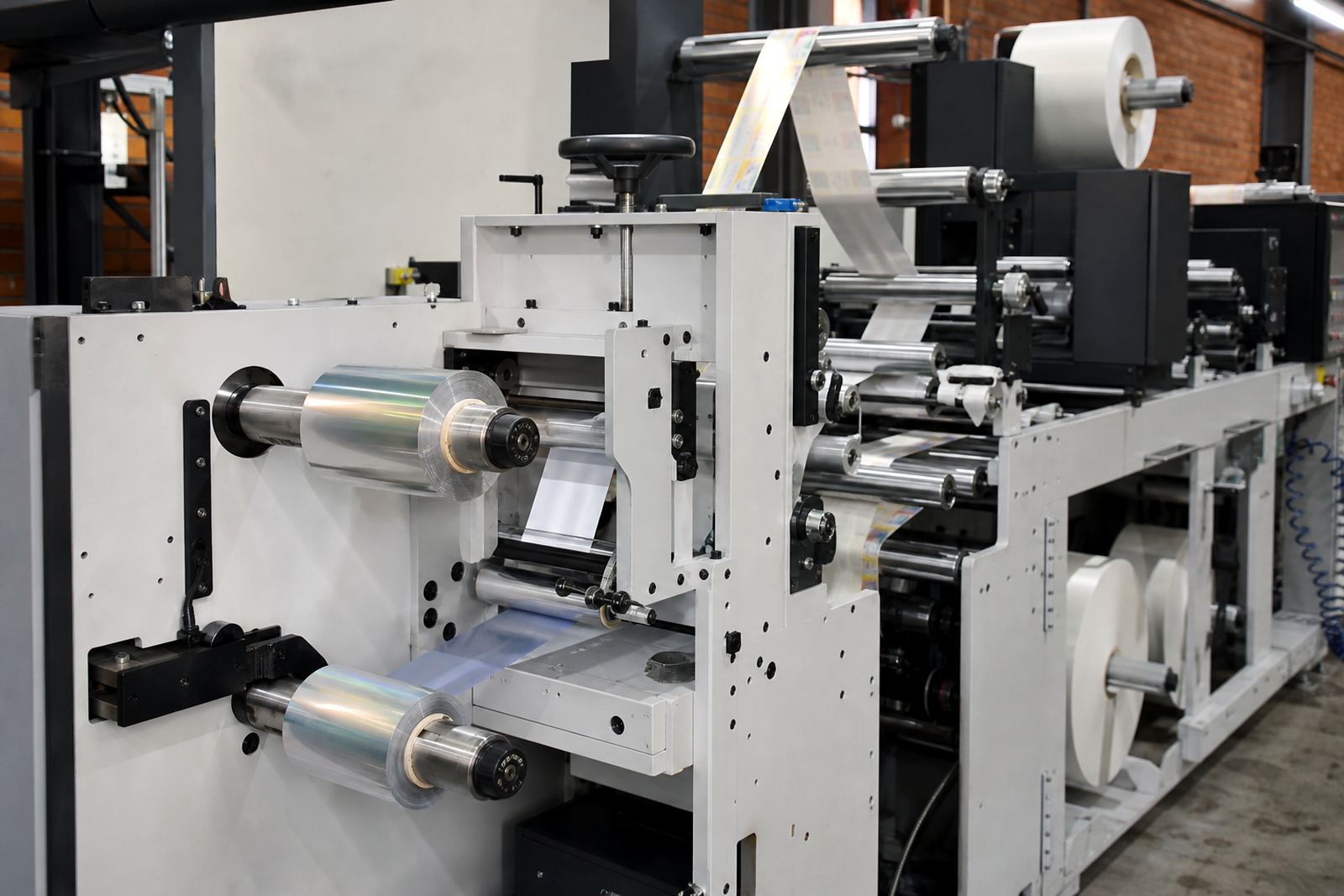
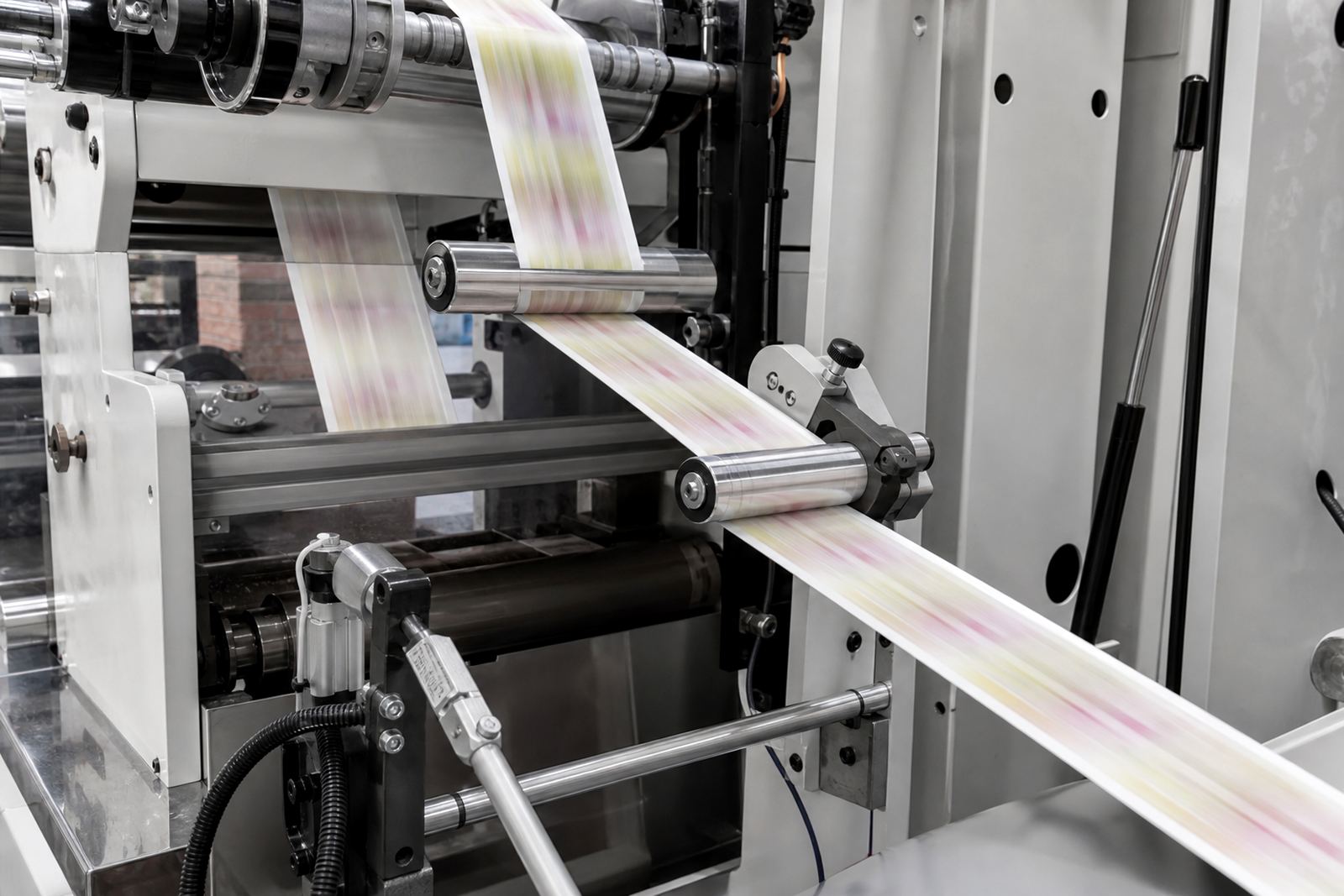
A turnbar module redirects the moving web so the material can run with the print face, adhesive face, or reverse side in the right position for the next stage. In practical terms, it helps a converter manage multi-pass work, reverse-side processing, or line layouts where the web must travel around other units without losing tracking. On a flexo press, that means better control over setup, less handling between stages, and fewer unnecessary stops when the route needs to change.
For label converters in Johannesburg, Pretoria, Durban, Cape Town and Gqeberha, this module is useful where a line has to support different jobs without constant re-routing of the press frame. It can also help when a customer asks for a specific finishing sequence, or when the production floor layout forces a change in web direction. The module itself is only one part of the system, but it has a direct effect on print consistency and operator ease.
- Used for reverse-side or alternate web routing
- Helps keep the web in the correct orientation for the next station
- Supports multi-step label and packaging production
- Can reduce manual handling during job changeovers
Where the module suits label and packaging production
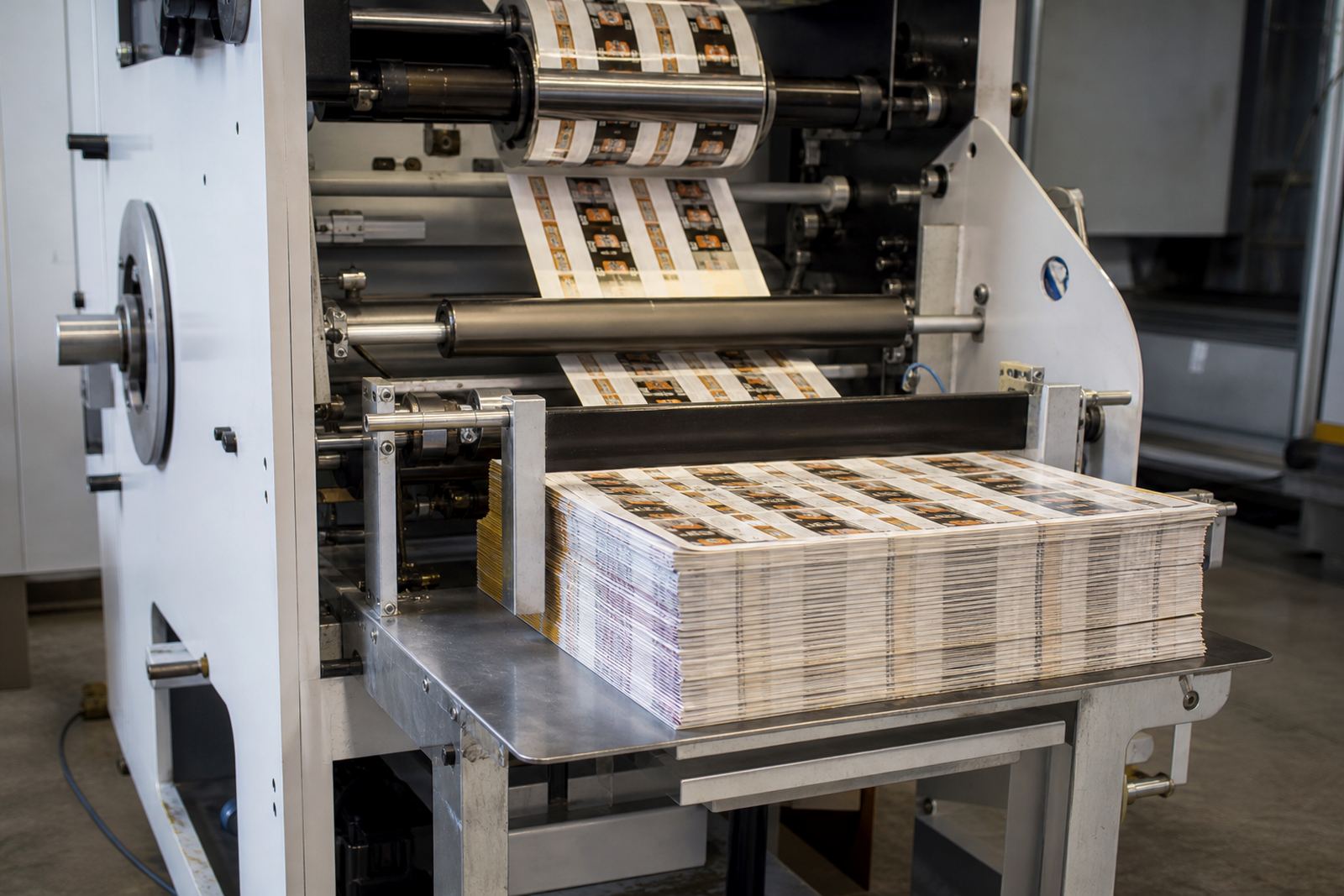
This type of module suits converters working with pressure-sensitive labels, short-run packaging webs, and other narrow-web jobs where the line must do more than one operation in sequence. It is a practical addition when the business wants better routing for printing, coating, inspection or finishing. It also helps where the press layout has limited floor space and the web has to pass through a specific route to reach the next unit.
In South African production environments, the turnbar module is often considered when a converter is growing from basic label work into more varied jobs. That can include food labels, beverage labels, cosmetic labels and retail packaging where reverse-side work or special routing is needed. It is not a decorative add-on. It is a working part of the line, and if it is specified poorly, the whole press can become more difficult to run.
- Suitable for narrow-web flexo label presses
- Useful where reverse-side printing or alternate routing is needed
- Helpful for converters adding finishing stations
- Works well in new installations and line upgrades
Sizes, options and build choices to request
Turnbar modules are usually supplied according to the web width, the press layout and the job range the converter handles. The right option depends on the required web direction, the available mounting space, and whether the unit needs to sit before or after a print, coating or finishing section. When ordering, it is better to describe the full line rather than only asking for a module by name.
Common choices include the roller arrangement, frame format, guide position, and how the module connects to the rest of the press. Some lines need a compact unit for a tighter footprint, while others need a layout that allows easier access for cleaning and operator checks. If the web changes often between job types, the module should be chosen with access and repeatability in mind.
- Match the module to the web width and press footprint
- Confirm whether the web needs one turn or a different routing path
- Check access for cleaning, inspection and roller changes
- Confirm compatibility with nearby print, coating or finishing units
For many converters, the best result comes from looking at the full production flow rather than only one station. That includes setup time, operator movement, reel handling, and the ease of restarting after a stop. In load-shedding conditions, a line that is easier to restart can save a lot of time, especially when the job has already been registered and the material is in place.
Installation, power and site needs
Installation starts with checking the press frame, mounting points, floor space and the direction of web flow. The module must sit squarely with the rest of the line, because even a small alignment issue can cause drift, edge wear or poor transfer. On site, the team should also confirm operator access, guard clearance, and the space needed for maintenance work after commissioning.
Power needs depend on the line arrangement and any control equipment supplied with the module. If the unit includes driven controls or sensors, the electrical supply must be confirmed before installation. Where the press line uses compressed air for related functions, the air supply should be clean and dry so that dust, water and oil do not affect the system. In coastal areas, extra care is needed because humidity can affect electrical cabinets and exposed components.
- Check floor space and press layout before delivery
- Confirm electrical supply and control interface requirements
- Plan for access during commissioning and later servicing
- Use clean dry air where pneumatic connections are involved
Care, servicing and wear points to watch
A turnbar module needs regular inspection because the rollers and contact points work continuously while the press is running. Clean rollers help the web move properly, and bearing condition should be checked before noise or vibration becomes a bigger issue. If the line is used for long shifts, preventive maintenance becomes even more important, since small wear problems can quickly become production delays.
Operators should keep an eye on web tracking, surface marks, dust build-up and any change in tension during the run. If the web starts to ride differently after a rewind change or a finishing adjustment, the module may need cleaning or alignment. A simple check during make-ready can prevent repeat faults later in the shift. This is basic work, but it saves a lot of time and scrap.
- Clean rollers and surrounding surfaces regularly
- Inspect bearings, fasteners and guide points
- Watch for web marks, drift or tension changes
- Include the module in preventive maintenance planning
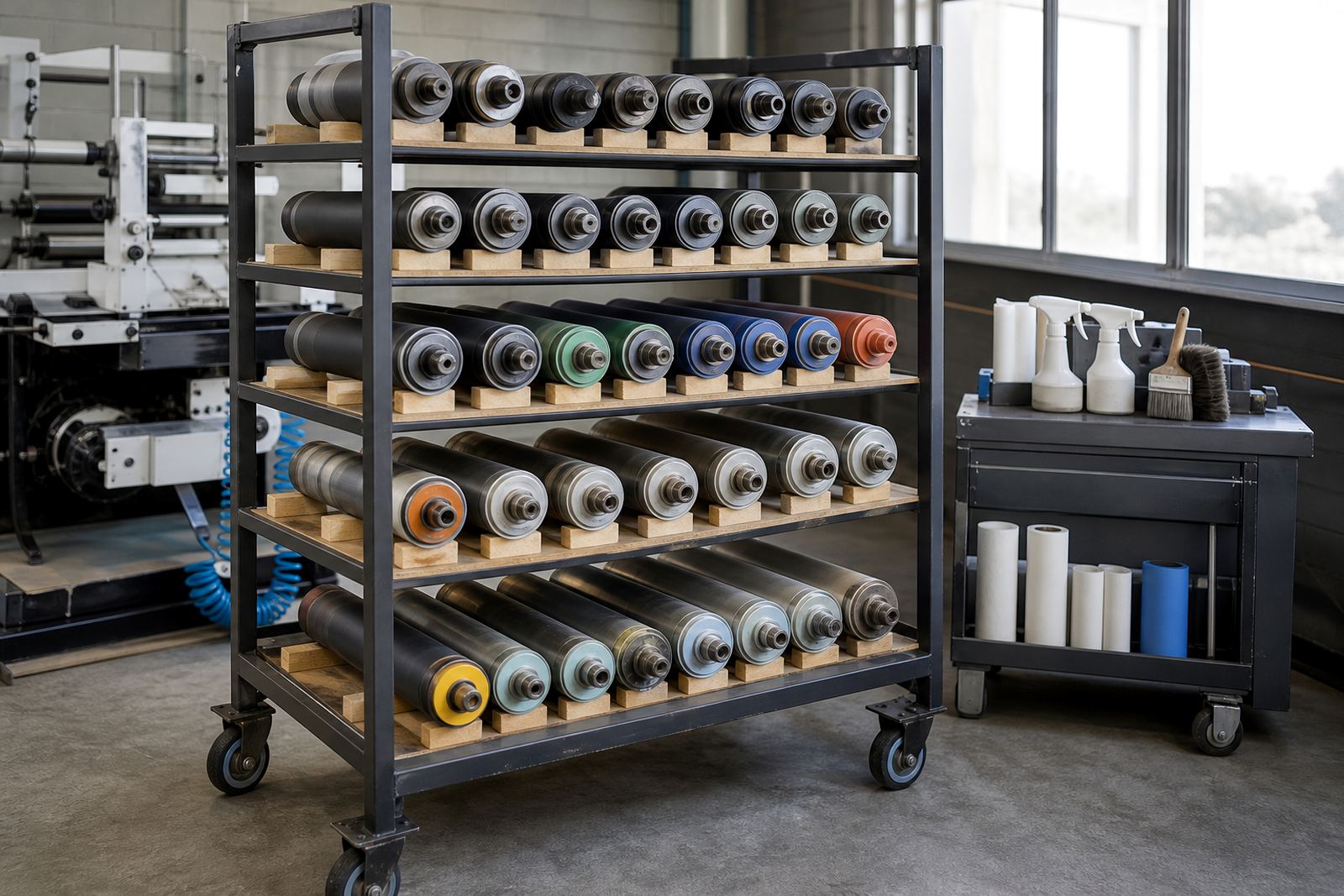
We support breakdown support, remote support, spare parts support, anilox care, plate mounting help and production consulting for label converters who need help keeping the line moving. For some sites, a short remote check is enough. For others, a technician visit is needed when the fault is mechanical or tied to the press layout.
What to confirm before you order
Before ordering a turnbar module, confirm the web width, material type, line speed range, press layout and the exact routing required. It also helps to note whether the unit must work with print, coating, inspection or finishing equipment. The more detail you give upfront, the easier it is to match the module to the job and avoid changes later.
You should also confirm installation space, access for cleaning, and whether the site needs operator training after commissioning. If the module will be used in a plant with mixed shifts, it is worth asking how easy it is to set up after a stop and how the web path is checked by operators. For many converters, that practical side matters more than any brochure talk.
- Web width and material type
- Required web direction and routing path
- Nearby units that affect access or clearance
- Electrical, air and control requirements
- Training and service support needed after installation
Our team in Kempton Park supports label converters across South Africa with installation, commissioning, operator training, startup support and ongoing servicing. If your line needs a turnbar module as part of a new build or a press upgrade, we can help with the practical details, not just the supply.
Key facts
| Product type | Web-handling module for narrow-web flexo press lines |
|---|---|
| Primary use | Reverse-side or alternate web routing |
| Typical web range | Specified to suit the press web width and line layout |
| Mounting | Press-frame or line-integrated installation |
| Utilities | Electrical supply if fitted with controls; clean dry compressed air where applicable |
| Support | Installation, commissioning, training, maintenance and breakdown support |