Start With a Press Care Routine That Fits Your Shift
A maintenance plan works best when it matches the way the press is used. On a narrow-web label press, small issues can build up quickly if changeovers, cleaning and inspection are rushed between runs. A good routine should suit the actual production schedule, the substrates being run, and the level of operator experience on the floor.
For converters in Kempton Park, Johannesburg, Pretoria, Durban, Cape Town and Gqeberha, the conditions also matter. Dust, coastal humidity and power interruptions can all affect print stability and mechanical wear. The aim is not to do more maintenance than needed, but to do the right checks at the right time so the machine stays ready for the next job.
Daily Checks Before the First Roll Goes On
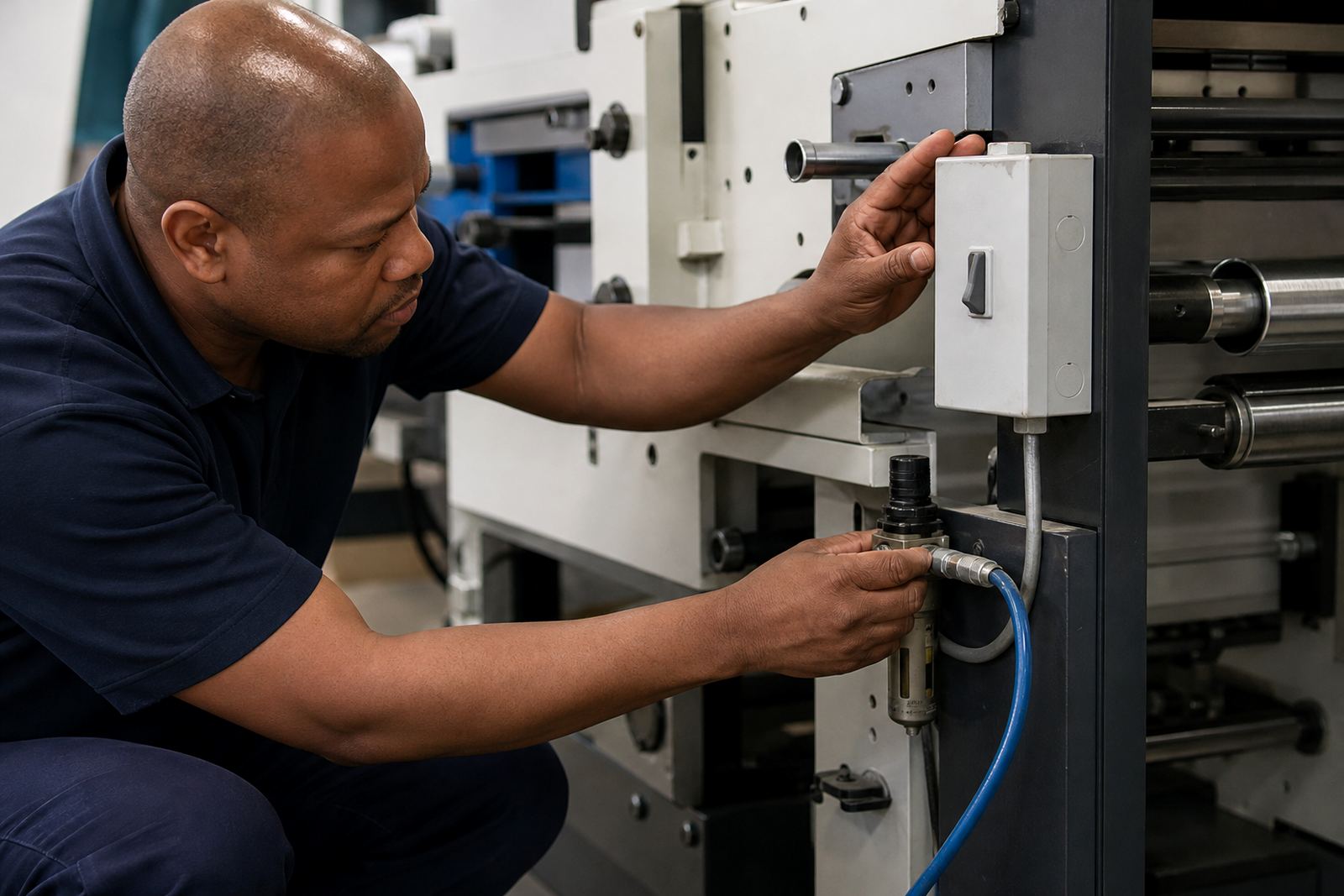
Before production starts, operators should walk the press and look for anything that could interrupt the day. This includes cleaning residue from the previous job, checking for loose fasteners, confirming web path cleanliness and making sure rollers and guide points are free of build up. If the press uses pneumatically assisted parts, check air supply and listen for leaks.
Daily checks do not need to be complicated. They need to be consistent. A short written checklist is usually better than relying on memory, especially when different shifts share the same machine.
- Inspect the web path for adhesive, ink or label stock dust
- Check rollers, bearings and moving points for unusual noise or play
- Confirm tension settings and guide positions are set for the job
- Look over print stations, drying areas and finishing units before startup
- Record any faults, even if they seem minor
Weekly Care for Print Quality and Finish Control
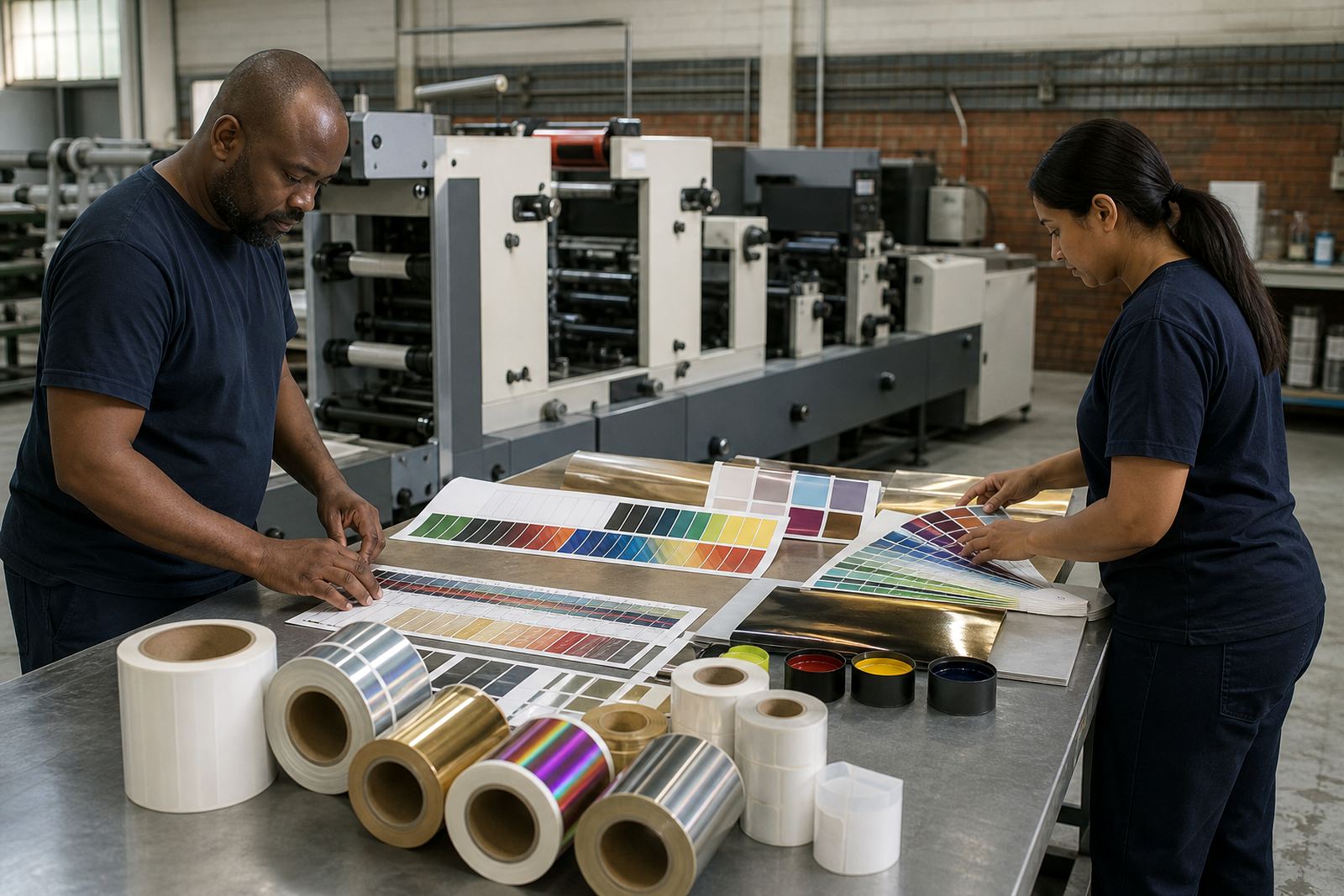
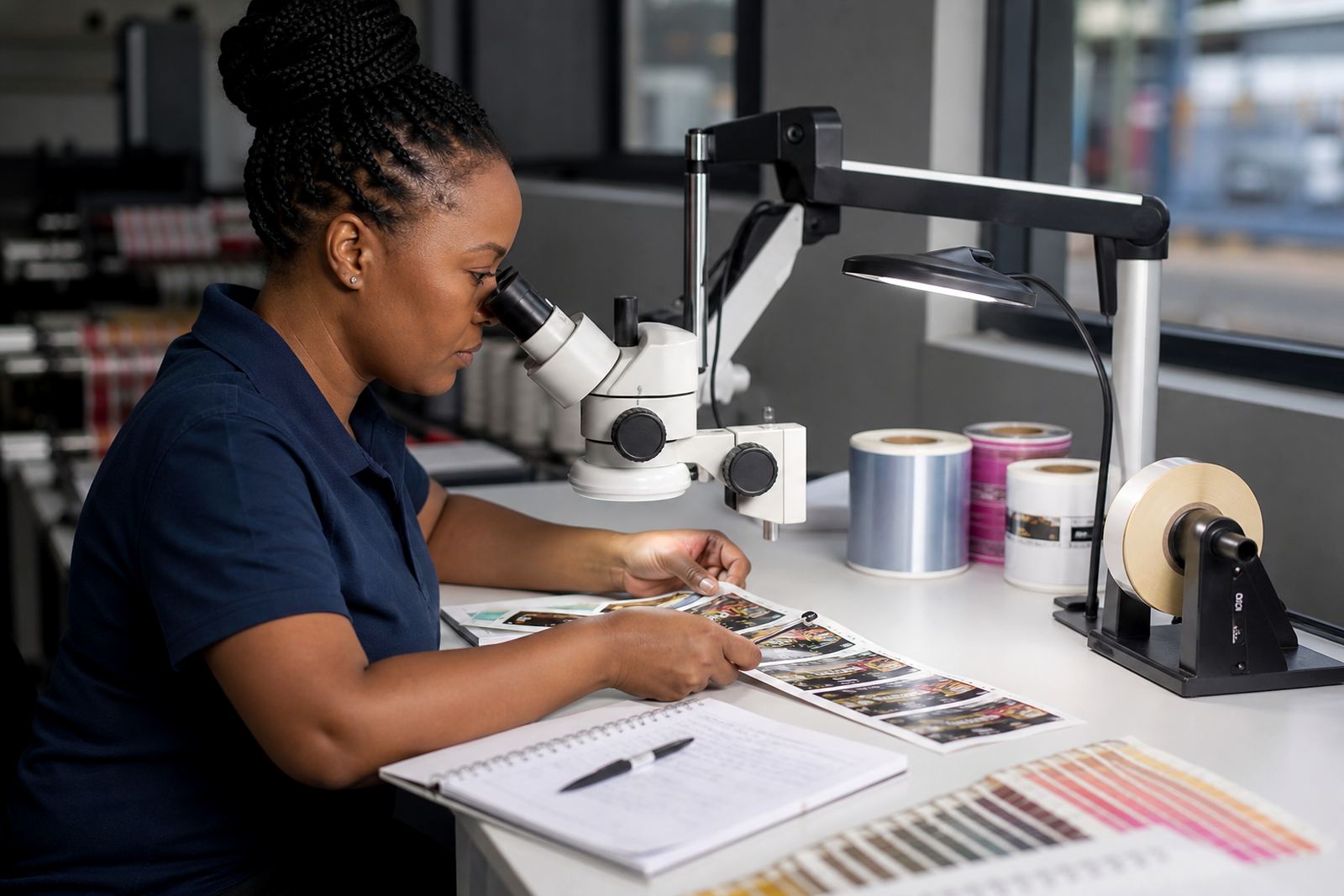
Weekly maintenance gives the team a chance to look more closely at the parts that affect print quality. On flexo label presses this usually means checking ink transfer, anilox condition, plate mounting accuracy, blade condition and the repeatability of registration. A poor print result is often caused by something simple that was missed earlier in the week.
Finishing units also deserve attention. Slitting, die-cutting, rewind tension and waste removal should all be reviewed for wear and alignment. If the line is used for food, beverage, cosmetics or retail labels, consistent finishing matters just as much as ink laydown because the final roll needs to run cleanly on the customer side.
- Clean and inspect aniloxes using the correct method for the cell condition
- Check plate mounting surfaces for dirt, adhesive or damage
- Inspect blades, rollers and slitting parts for wear
- Review registration and repeat settings after any changeover
- Test safety guards and stop functions before the next long run
Monthly Preventive Tasks That Protect Uptime
Monthly maintenance is where you prevent small wear issues from turning into downtime. It should include a fuller inspection of drive components, electrical panels, air lines, sensors and all moving sections that are not easy to assess during a normal shift. If the press is in constant use, a monthly service record is important for planning parts replacement before failure occurs.
Load-shedding and unstable supply conditions can also affect equipment in South Africa. After an interruption, the press should be checked before production restarts. Sudden power loss can leave stations out of position or cause tension settings to drift. A proper monthly plan makes this easier to manage and keeps restart times shorter.
- Inspect drive belts, couplings and mechanical fixings
- Check sensors, cabling and control panel condition
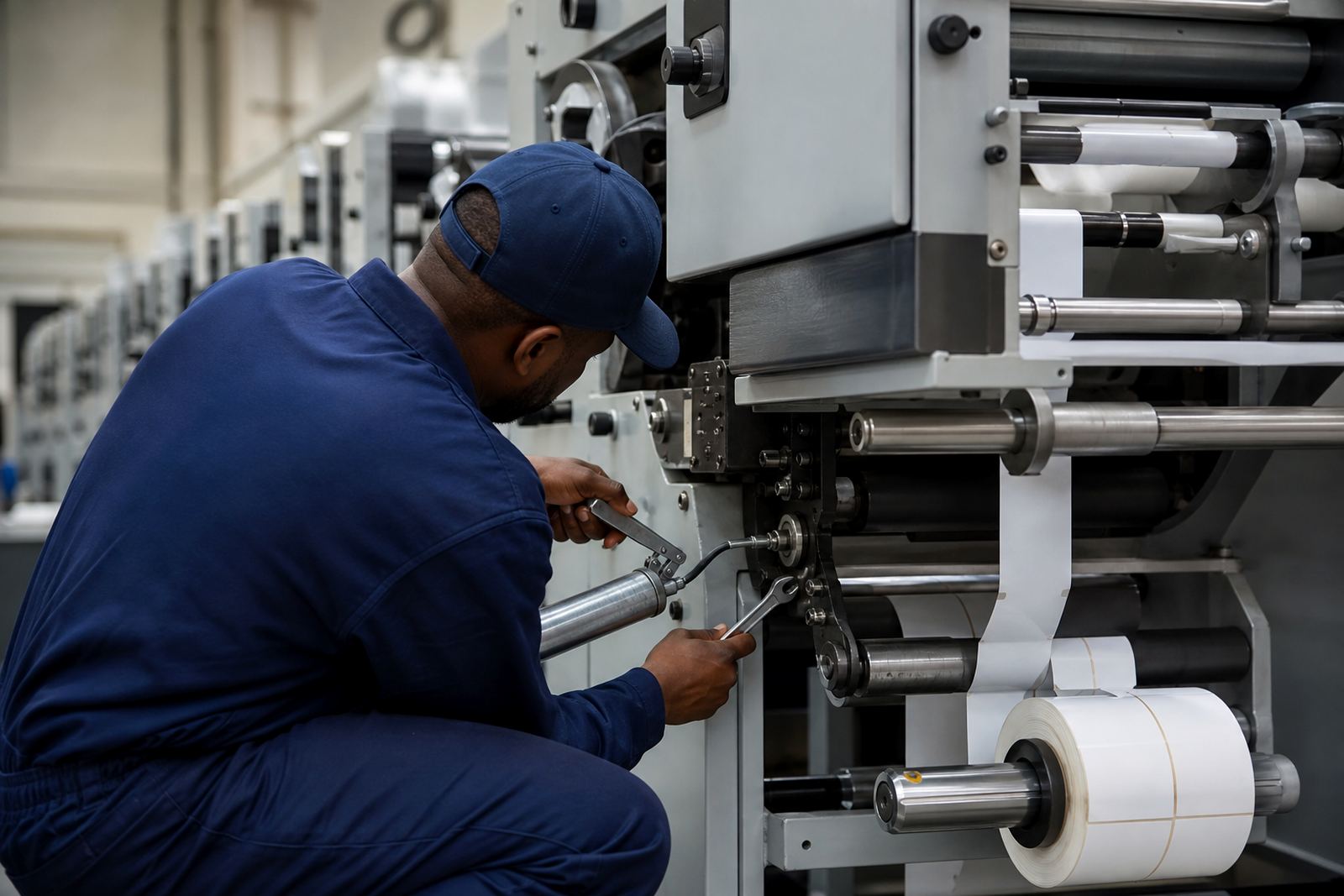
- Review lubrication points and apply only what the manufacturer or technician specifies
- Inspect air and vacuum systems for leaks or weak performance
- Keep a written record of replacements, faults and service dates
Training Operators to Spot Trouble Early
Maintenance is not only the technician’s job. Operators see the press first, so they are usually the first to notice a faint squeal, a slight register shift or a change in ink transfer. When operators know what normal sounds, smells and movement look like, they can report a fault before it becomes a stoppage.
Training should cover safe cleaning, correct job setup, basic fault finding and the limits of what the operator should adjust. A team that understands the press will protect the machine better and make fewer rushed corrections during production.
- Teach operators how to complete the same checklist every shift
- Show them what good web tracking and tension look like
- Explain which signs need a stop call and which need monitoring
- Keep a fault log by machine, shift and job type
- Revisit training after any major maintenance or setup change
When to Call for Breakdown Support or Remote Help
Some issues can be solved on site quickly. Others need technical support before more damage is done. If a press is losing registration repeatedly, showing recurring electrical faults or making abnormal noise after a restart, it is better to stop and assess the cause than to keep forcing production. That approach usually saves time and parts in the long run.
Remote support can help with checks, fault isolation and restart planning, while on-site breakdown support is more suitable when a component needs inspection, adjustment or replacement. If spare parts are delayed, a clear maintenance record helps the technical team diagnose the problem faster and advise the next step.
A practical maintenance plan is simple: inspect often, record everything and deal with small faults early. That keeps narrow-web label presses producing clean rolls, steadier print and fewer surprises during busy weeks.