Confirm the press room and access route
Start with the path from the delivery vehicle to the final press position. Measure gates, roller doors, corridors, turning space and lift access if the press will move through more than one area. In Spartan, Kempton Park and other industrial areas, tight loading bays and shared yards can slow a delivery, so it helps to clear the route a day before installation. Remove loose pallets, scrap, packaging and anything that could block trolleys or lifting gear.
The room itself should be dry, clean and easy to work in. Fine dust, damp walls and standing water create problems for electrical work, finishing setup and later maintenance. If your site is near the coast, watch for corrosion from humidity and make sure windows, vents and storage areas are suitable for label stock, plates and consumables.
- Measure all doorways, passages and access points
- Check overhead clearances for lifting and movement
- Clear the route of obstacles and waste
- Make sure the floor is dry and free of oil or loose gravel
Prepare the floor, levelling and working space
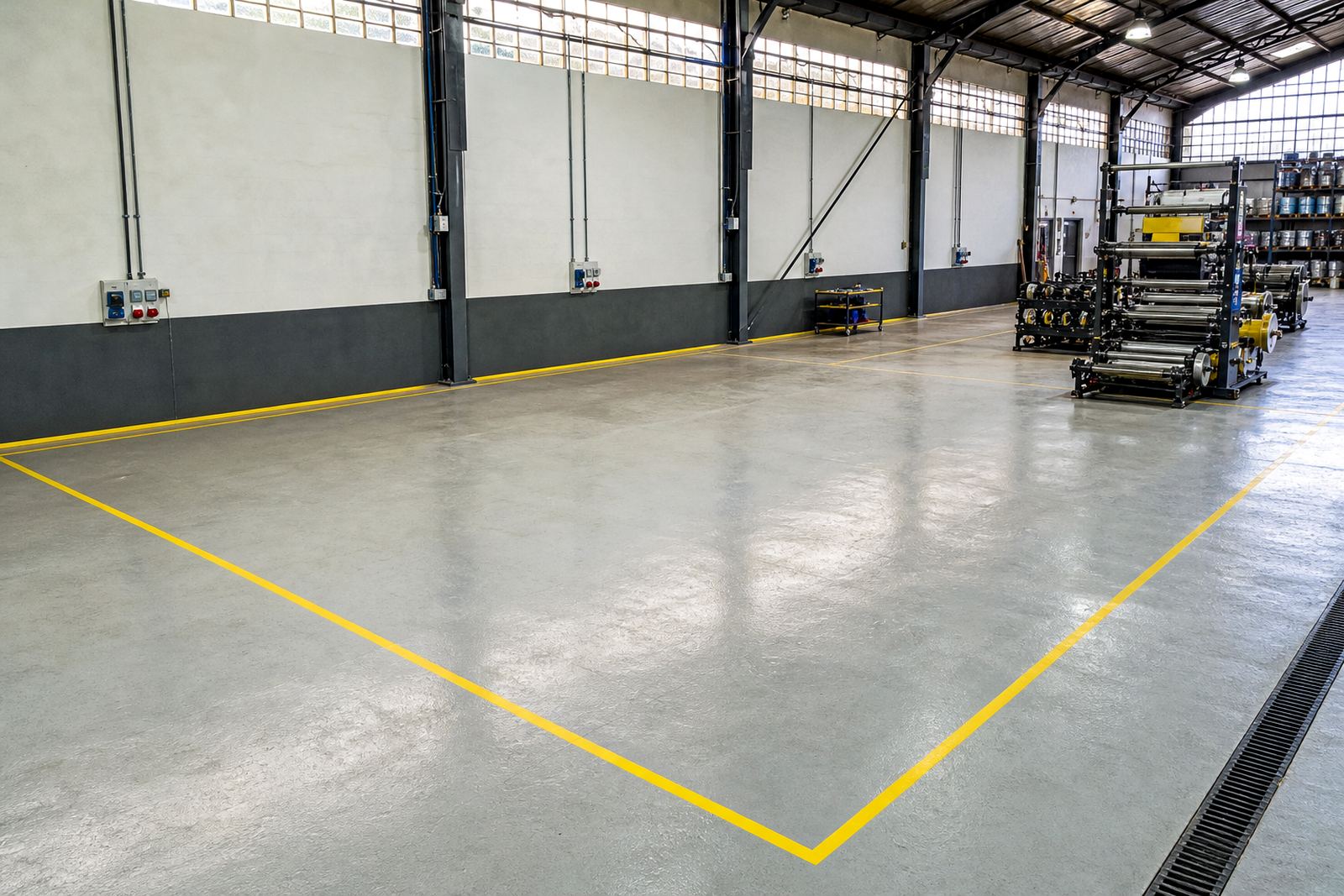
Narrow-web flexo presses need a firm, level base so setup stays consistent. Before delivery, confirm the floor can carry the load and that the surface is sound, flat and free from cracks, crumbling concrete or settlement. If the floor has repairs or coating, allow proper curing time before installation day. A weak or uneven floor can make alignment harder and may affect print registration later.
Leave enough working space around the machine for installation, operator access and routine servicing. You will need clear space for front, back and side access, plus room for tooling, inks, plates and waste handling. If the line will include finishing equipment or inspection stations, plan the layout now so material flow is logical and not cramped.
- Check floor strength and levelness before delivery
- Mark the final machine position on the floor
- Allow space for operator movement and maintenance access
- Keep the area free of stored stock and unrelated equipment
Sort out power, backups and earthing
Power planning is one of the most important parts of site preparation. Your electrician should confirm the supply available at the point of use, the correct isolators and the earthing arrangement required for the installation. Load-shedding in South Africa makes backup planning important too. If you rely on generators, UPS units or changeover systems, test them before the delivery date rather than after the press is in place.
Keep the electrical area tidy and easy to reach. Cables should be properly protected and not left across walkways where they can be damaged by trolleys or foot traffic. Where sensitive finishing or control equipment is being installed, stable power and clear isolation points help with startup and later fault finding. If your site has recurring voltage drops, let us know early so the installation plan can be adjusted.
- Confirm supply details with a qualified electrician
- Test backup power and changeover systems in advance
- Make sure earthing is in place and compliant
- Keep cable routes protected and clearly marked
Set up ink, plate and finishing areas
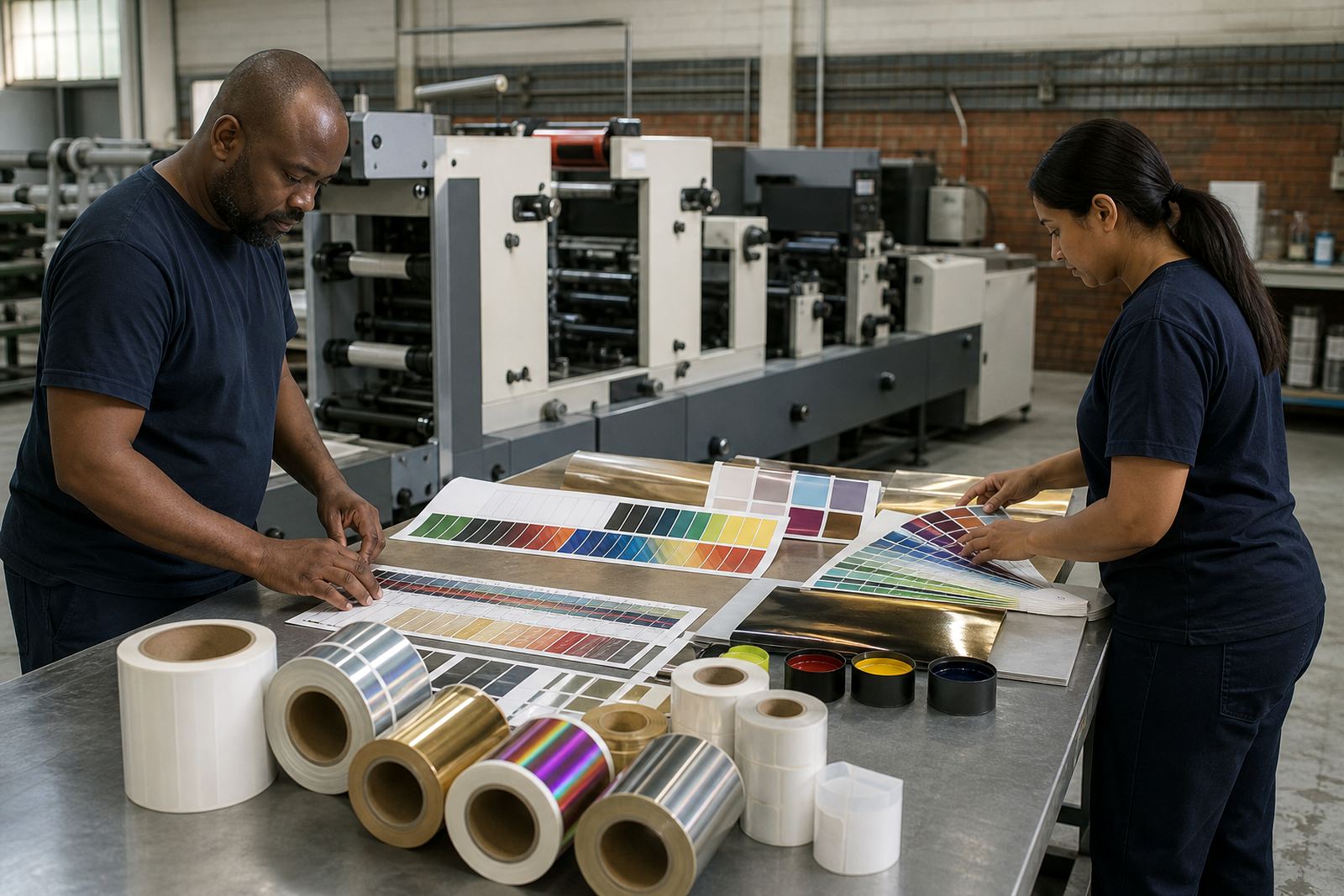
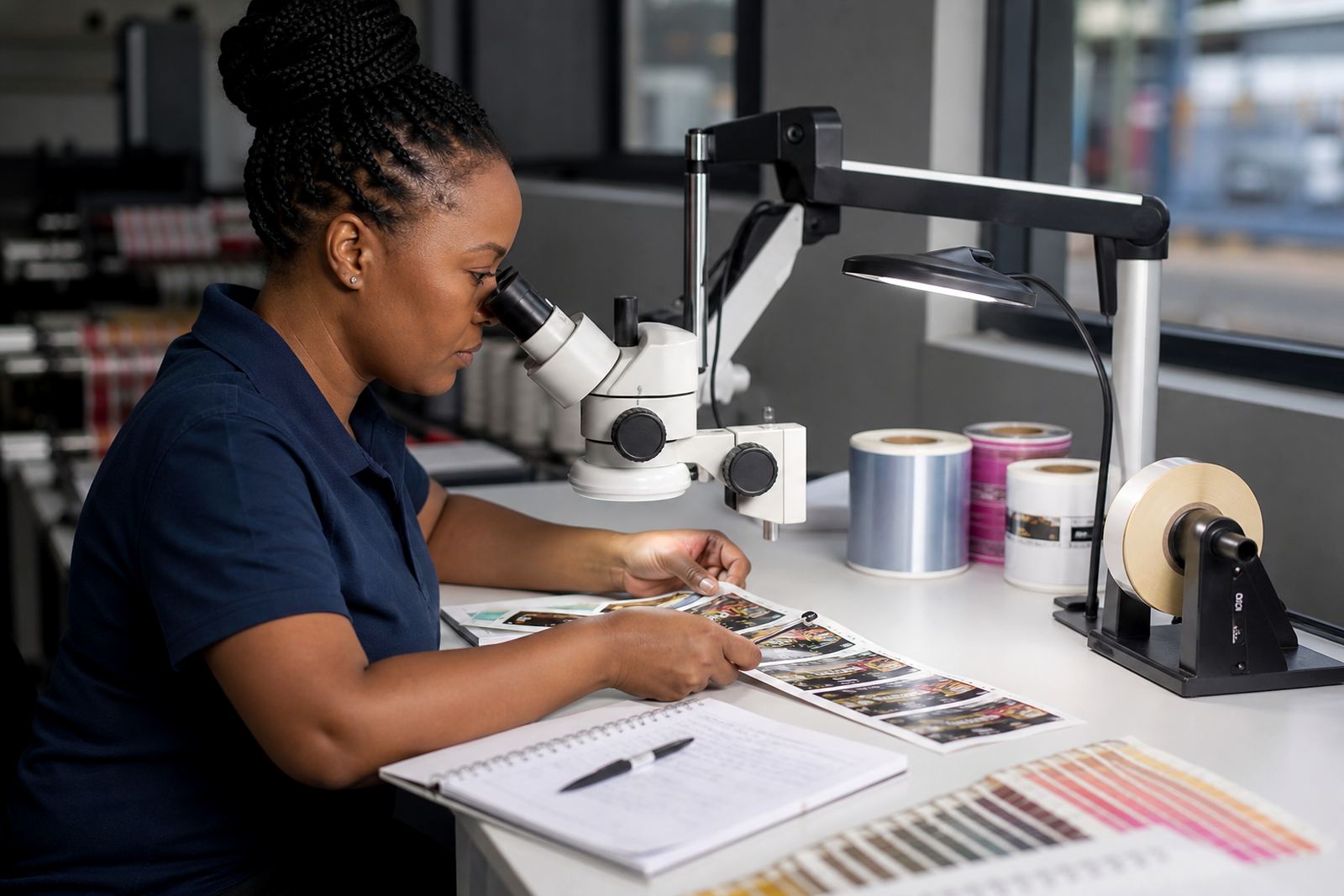
Good site preparation is not only about the press itself. You also need proper space for plates, anilox care, ink handling and finishing setup. Separate clean stock from waste, and keep plate storage flat, dry and protected from dust. For label work, small handling mistakes can affect quality quickly, so the prep area should support neat workflows from plate mounting through to final finishing.
Think through where waste, wash-up materials and used consumables will go. If your operation serves food, beverage, cosmetics or retail work, you may need stricter cleanliness and packaging control. It also helps to identify where samples, job cards and approved artworks will be stored so operators are not searching for items during setup. A simple, orderly layout saves time and reduces errors.
- Create a clean area for plates and tooling
- Keep inks, solvents and wash-up materials in a controlled space
- Plan where finished rolls, sample labels and job paperwork will be kept
- Separate waste handling from clean production areas
Prepare your team for installation and startup
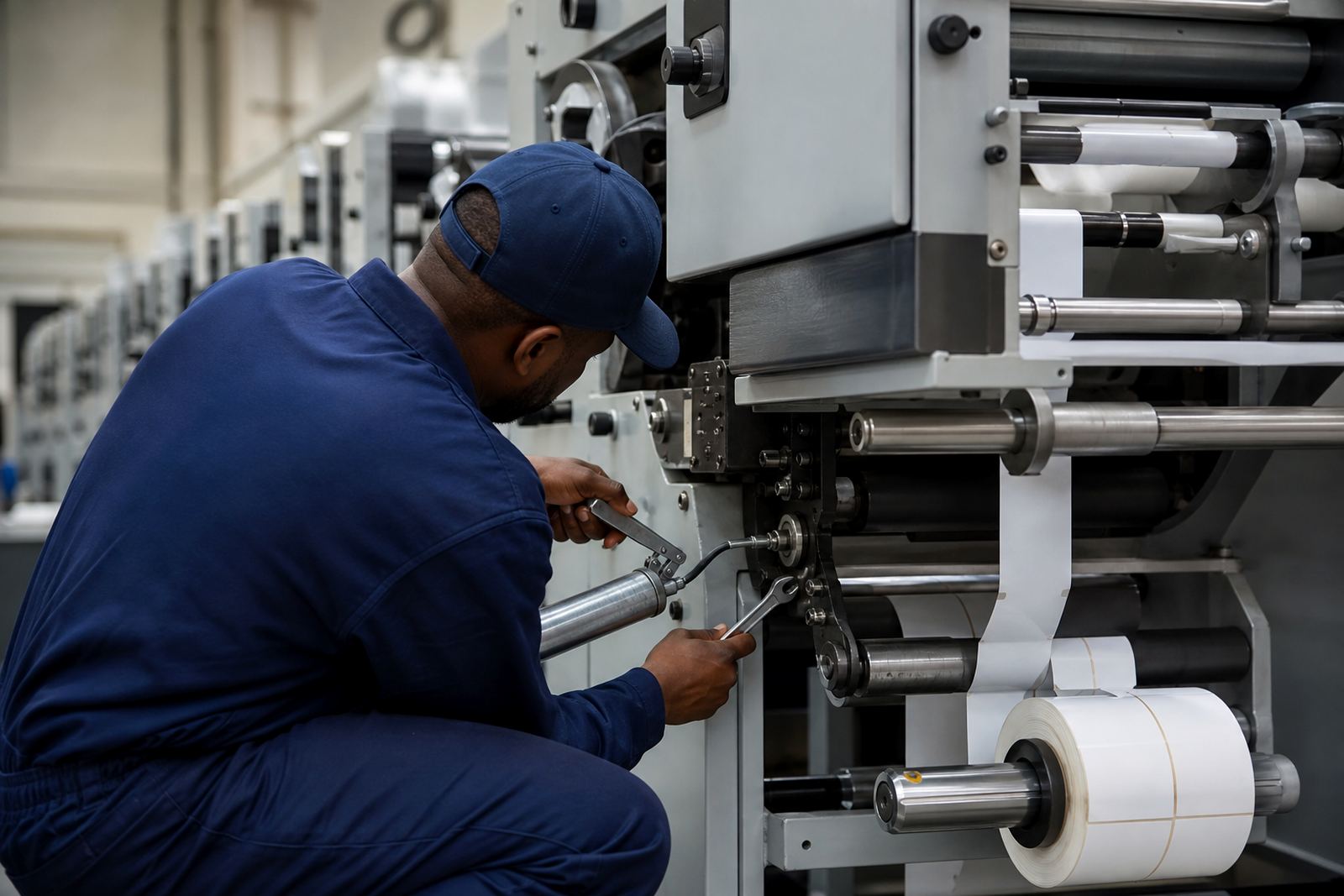
Press installation runs better when the right people are available on site. Nominate someone from production, maintenance and management to be present during delivery, commissioning and operator handover. They should know where utilities are, who controls site access and which jobs are urgent once the press is running. This avoids delays when decisions need to be made on the spot.
Operator training works best when the team has time to focus, not when they are pulled between other jobs. Clear the schedule around installation day and the first production runs. If your staff are new to flexo or moving from another process, allow extra time for startup production support and finishing setup. It is far easier to build good habits early than correct them after bad ones settle in.
- Nominate a site contact for installation day
- Keep maintenance and production staff available
- Free up operators for training and first runs
- Set aside time for questions, checks and adjustments
Use a delivery checklist before the truck arrives
The final check should happen at least a day before delivery. Walk through the room as if the press were arriving that minute. Make sure the route is clear, the floor is ready, the power is live, and the team knows where to meet the installers. If any municipal access rules, security requirements or site induction steps apply, handle them in advance so no one is waiting at the gate.
It also helps to confirm storage for spare parts, consumables and service items. A small, organised store area makes preventive maintenance easier later. Once the press is in place, the first few days matter a great deal. Good preparation means fewer interruptions, faster commissioning and a cleaner start to production, especially when deadlines are tight and load-shedding or weather can complicate schedules.
- Do one last walk-through of the whole installation route
- Confirm site access, security and induction requirements
- Check that spare parts and consumables have storage space
- Make sure your team knows the startup plan for day one
If you want support before delivery
Flexography Printer works with label converters across Johannesburg, Pretoria, Durban, Cape Town, Gqeberha and surrounding areas from our Spartan, Kempton Park base. We support press installation, press commissioning, operator training, startup production support, preventive maintenance, breakdown support, remote support, spare parts support, anilox care, plate mounting help, finishing setup and production consulting.
If you want a second set of eyes on your site before delivery, use the enquiry form on our contact page and we can help you check readiness before installation day. A bit of planning now can save a lot of stoppages later, and it makes the handover smoother for the whole team.